
As an Amazon Associate BakingBakewareSets.com earns from qualifying purchases.
Is Royal Just Baking Powder? Yes (And How to Use It)
Ever found yourself staring at a recipe, maybe an old family favorite or a new one from a Spanish-language video, and seeing the word “Royal”? You pause and wonder, is that just a brand, or is it a special type of baking powder? This common point of confusion, along with the classic mix-up between baking powder and baking soda, can leave even experienced bakers second-guessing their ingredients.
Yes, Royal is a famous brand of baking powder. It’s a trusted, double-acting leavening agent specifically designed to make baked goods like cakes, biscuits, and quick breads light, airy, and perfectly risen.
This guide unpacks everything you need to know about this iconic kitchen staple. Leveraging extensive analysis of its history and composition, we’ll explore its journey from an industry titan to a modern baking essential. We will definitively clear up the baking powder versus baking soda debate, decode its ingredients for today’s dietary needs, and even explain why in some recipes, the brand name “Royal” has become the word for the product itself.
☰ Table of Contents ▼
show
Key Facts
- Iconic Brand Identity: Royal Baking Powder is a trusted brand of double-acting baking powder that has been a kitchen staple for almost 100 years, not a generic type of leavening agent.
- Historical Dominance: Founded in 1866, the Royal Baking Powder Company grew so large that by 1917, its assets totaled $30 million, surpassing major brands like Coca-Cola and H.J. Heinz at the time, as highlighted by research from the Kitchen Project.
- Modern Ownership: After a series of major mergers, including the formation of Standard Brands and the acquisition by Nabisco, the Royal brand is now owned by the global food company Mondelez International.
- Dietary-Friendly Formula: The current Royal Double Acting Baking Powder is a plant-based ingredient that is gluten-free, vegan, and certified kosher, making it suitable for a wide range of baking needs.
- The “Baking Powder Wars”: Historically, Royal fiercely defended its original, expensive cream of tartar formula against competitors using newer ingredients like alum through aggressive advertising campaigns, a period known as the “Baking Powder Wars.”
What Is Royal Baking Powder? A Direct Answer
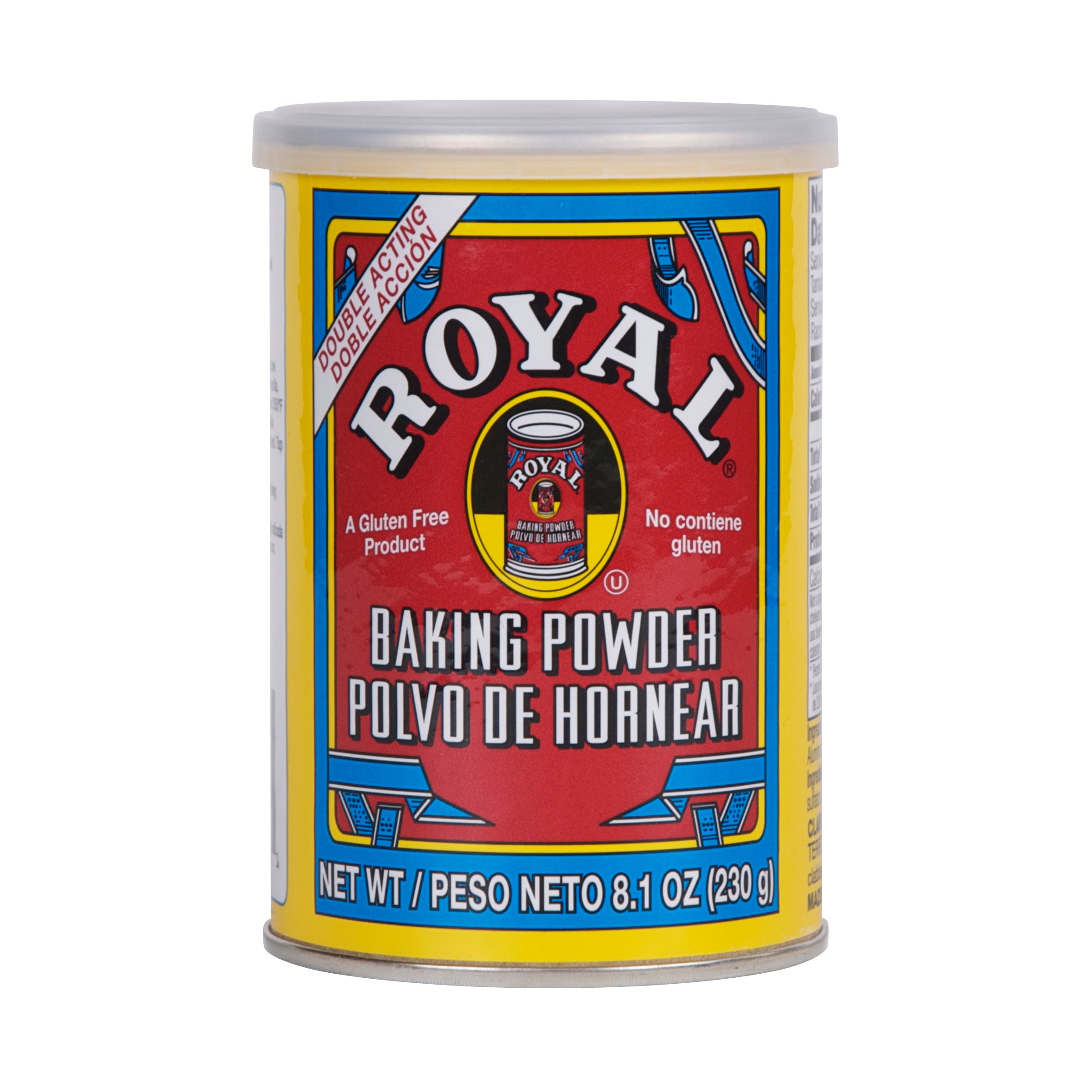
Yes, Royal is a brand of baking powder. It’s a trusted, double-acting leavening agent used to make baked goods like cakes and biscuits light and fluffy. For nearly a century, its iconic red can has been a symbol of reliability for home bakers around the world. So if it’s just a brand of baking powder, why is it so famous? It comes down to its consistent performance and long history.

At its core, Royal Baking Powder is a chemical leavening agent. This means it’s a dry chemical mixture that creates carbon dioxide gas when it reacts with moisture and heat, causing your dough or batter to rise. The “double-acting” part is key to its success and reliability.
- A Trusted Brand of Baking Powder: It’s not a different category of ingredient; it’s a specific, well-known brand, much like Kleenex is a brand of tissue.
- A Double-Acting Formula: This is crucial. It means the powder works in two stages: first when it’s mixed with wet ingredients at room temperature, and a second time when it’s heated in the oven. This two-stage lift provides a more reliable and powerful rise.
- A Tried and Trusted Kitchen Staple: For generations, bakers have relied on Royal to produce cakes with a “velvety fine texture” and a light, even grain that doesn’t dry out quickly.
So, when you see “Royal Baking Powder” in a recipe, you know you’re dealing with a high-quality, reliable leavening agent that has stood the test of time.
The Rich History of the Royal Baking Powder Company
Royal Baking Powder has a storied history, starting in 1866 and growing into a food industry giant that eventually became part of Mondelez International through a series of major mergers. This wasn’t just a company that sold a baking ingredient; it was a marketing powerhouse that shaped the American food industry.
The company’s journey from a small startup to a dominant corporation is a fascinating piece of American industrial history. Its growth was fueled by the high demand for convenient baking solutions at a time when traditional yeast was often difficult and time-consuming.
- Founding and Early Growth (1866-1888): The Royal Baking Powder Company was founded in 1866 by brothers Joseph and Cornelius Hoagland. According to historical records, by 1888, their annual sales had soared to an incredible $3 million, with a massive advertising budget of $300,000 per year.
- Unprecedented Success (1917): The company’s dominance became legendary. As documented by the Kitchen Project, by 1917, Royal’s assets totaled $30 million. Did you know that by 1917, Royal’s assets totaled $30 million, surpassing major brands like Coca-Cola and H.J. Heinz at the time?
- The Standard Brands Merger (1929): In a major industry consolidation, the Royal Baking Powder Co. merged with four other companies, including Fleischmann’s Yeast Company, to form a new corporation: Standard Brands. This merger created the second-largest packaged foods brand in America.
- Nabisco & Mondelez International (1981-Present): The evolution continued. Standard Brands merged with Nabisco in 1981. Eventually, as detailed in Wikipedia, Nabisco became a subsidiary of Mondelez International in 2012, where the Royal brand resides today.
Inside the “Baking Powder Wars”: Royal’s Fight for Dominance
The “Baking Powder Wars” were a fierce marketing battle where Royal defended its expensive cream of tartar formula against newer, cheaper alum-based powders. Think of it as the original “cola wars,” but for bakers! This period of intense competition highlights how central this product was to the American kitchen.
The core of the conflict was ingredients. Early baking powders, including Royal’s original single-acting formula, used a combination of baking soda and cream of tartar. Cream of tartar is a byproduct of winemaking and was relatively expensive. As new competitors like Rumford (alum) entered the market with cheaper formulas using ingredients like alum or monocalcium phosphate, Royal went on the offensive.
To combat competitors, Royal reportedly engaged in aggressive tactics, including advertising that rival products containing alum were unhealthy and even attempting to bribe legislators to ban the ingredient.
This fight was also about technology. Royal’s original formula was “single-acting,” meaning it started reacting and creating leavening gas as soon as it was mixed with liquid. This required bakers to get their mixture into the oven quickly. The newer formulas were often “double-acting,” providing a second burst of leavening when heated, which offered more flexibility and a more reliable rise. Despite Royal’s efforts, these more advanced and cost-effective double-acting powders eventually won market acceptance, and today, Royal itself is a double-acting powder.
Royal Baking Powder vs. Baking Soda: A Clear Comparison
Royal Baking Powder and baking soda are not the same. This is one of the most common points of confusion in baking. Using one in place of the other without modification will likely lead to a baking disaster. Baking powder is a complete leavener with both base and acid, while baking soda is only the base (bicarbonate of soda) and requires an acid to react.
The key difference lies in their chemical composition. Think of it this way: baking powder is a self-contained leavening system, while baking soda is just one component of that system.
Here’s a clear breakdown:
| Feature | Royal Baking Powder | Baking Soda |
|---|---|---|
| Composition | Bicarbonate of soda + acid(s) + starch | Bicarbonate of soda only |
| Activation | Reacts with liquid (and also with heat) | Needs an acid (e.g., lemon juice, buttermilk) |
| Best For | Cakes, biscuits, quick breads without other acids | Recipes with acidic ingredients (e.g., yogurt, cocoa powder) |
Pro Tip: Remember: Baking Powder is a Pre-mixed leavener. Baking Soda is Solo and needs a friend (an acid) to work!
Decoding the Label: Royal Baking Powder Ingredients & Dietary Information
Royal Baking Powder meets many modern dietary needs. The current formula is gluten-free, vegan, plant-based, and certified kosher, making it a versatile choice for many bakers. As consumer awareness about ingredients has grown, the brand has ensured its product aligns with common dietary restrictions and preferences.
When you pick up a can of Royal Baking Powder today, you can be confident that it fits into a variety of lifestyles. Here are the key attributes you’ll find:
- ✅ Gluten-Free: Yes, Royal Baking Powder is gluten-free, making it a safe choice for those with celiac disease or gluten sensitivity.
- ✅ Vegan: Yes, it is a plant-based ingredient with no animal products, suitable for vegan baking.
- ✅ Kosher: Yes, the product is certified kosher, as often noted on its refill packs and other packaging.
- ✅ Aluminium-Free: Yes, modern formulations of double-acting baking powders like Royal are typically made without aluminum-based acids, addressing a common consumer concern.
This transparent, dietary-friendly approach allows bakers to use a trusted, historic brand without compromising their health or ethical standards.
Understanding “El Royal”: Is It Baking Powder in Spanish?
Yes, in many Spanish recipes, “royal” is used as a generic term for baking powder. This is because the brand is so internationally recognized that its name became synonymous with the product itself, a phenomenon known as genericization (like “Kleenex” for tissues or “Xerox” for copies).
This can be a major source of confusion for those new to cooking from Spanish-language recipes or videos, especially for traditional dishes like tamales. You might hear a cook say they are adding “el royal” and wonder what special ingredient they mean.
“I’m making tamales and looking at youtube videos in Spanish. When they say voy a poner el royal, is that adding…”
This question, commonly found on forums, perfectly captures the issue. The answer is simple: they are just adding baking powder. The brand’s long-standing dominance and recognition in Mexico and other Latin American countries made its name the default term for the ingredient. So if your abuela’s tamale recipe calls for “una cucharadita de royal,” you now know to reach for your can of baking powder. Have you ever come across a brand name that became the word for a product? It’s more common than you think!
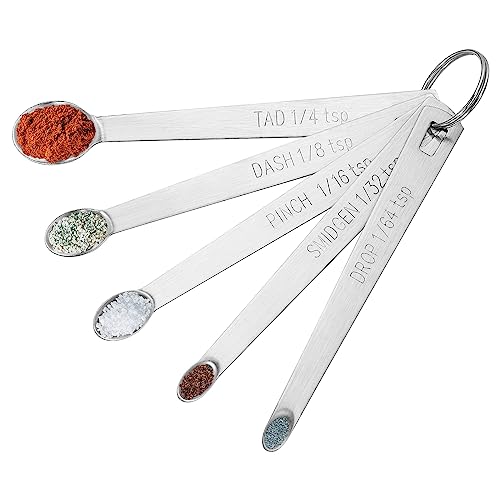
To ensure your recipes, from classic American biscuits to traditional tamales, get the perfect lift every time, having the right baking powder and measuring tools on hand is essential.



FAQs About Royal Baking Powder
Here are direct answers to some of the most frequently asked questions about Royal Baking Powder.
Is Royal Baking Powder considered good?
Yes, Royal Baking Powder is considered very good and reliable. For almost 100 years, it has been a “tried and trusted” kitchen staple known for delivering consistent results and creating baked goods with a velvety fine texture. Its reputation is built on generations of successful cakes, biscuits, and breads.
What is a good substitute for Royal Baking Powder?
Any other double-acting baking powder can be substituted for Royal Baking Powder in a 1:1 ratio. If you don’t have any baking powder at all, you can make a quick substitute by mixing 1 part baking soda with 2 parts cream of tartar for a single-acting version.
What does “double-acting” mean for Royal Baking Powder?
“Double-acting” means the baking powder releases leavening gas at two different times. The first reaction happens immediately when it is mixed with liquid ingredients, giving the batter an initial lift. The second, more powerful reaction happens when it is heated in the oven, providing a more reliable and sustained rise to baked goods.
What sizes does Royal Baking Powder come in?
Royal Baking Powder is commonly available in an 8.1 oz (230g) pop-top can with a built-in leveling edge for easy and accurate measuring. It is also sold in other formats, such as the 200g Kosher refill pack, depending on the region.
Is the old Royal Baking Powder tin collectible?
Yes, vintage Royal Baking Powder tins are popular collector’s items. Their iconic red design, classic typography, and long history make them a sought-after piece of American food industry memorabilia for collectors of kitchenalia and advertising history.
Final Summary: Royal Baking Powder Explained
In the end, the answer to the core question is simple: is royal baking powder just baking powder? Yes, it is a premier brand of double-acting baking powder that has earned its place in kitchens through nearly a century of reliability and a history as rich as the cakes it helps create. It is not a separate type of ingredient, but rather a trusted name that, in some cultures, has become synonymous with the product itself.
From its role in the historic “Baking Powder Wars” to its modern, dietary-friendly formula, Royal has consistently evolved while maintaining its core promise of delivering a perfect rise.
- It’s a Brand, Not a Type: Royal is a leading brand of double-acting baking powder.
- Not the Same as Baking Soda: It is a complete leavening agent containing both an acid and a base (baking soda).
- A Rich History: From an industry giant that surpassed Coca-Cola in assets to a modern brand owned by Mondelez International.
- Culturally Significant: In many Spanish-speaking regions, “el royal” is the colloquial term for baking powder.
- Modern & Versatile: The current formula is gluten-free, vegan, and kosher, fitting today’s diverse baking needs.
Now that you know the story behind the iconic red can, you can bake with confidence
Last update on 2026-07-25 at 20:25 / Affiliate links / Images from Amazon Product Advertising API
