
As an Amazon Associate BakingBakewareSets.com earns from qualifying purchases.
Season a Pizza Stone? The Truth & Best Prep
You’ve just unboxed a brand new pizza stone, dreaming of that perfect, crispy, pizzeria-style crust. But then a single, confusing question stops you in your tracks: are you supposed to season a pizza stone? You’ve seen conflicting advice everywhere—some swear by it, while manufacturers often warn against it, leaving you unsure of the right first step.
No, it is not necessary to season most modern pizza stones. The primary function of the stone is to absorb moisture through its porous surface, a process that seasoning with oil can actively hinder. Instead, the stone naturally seasons itself over time with use, developing a non-stick patina that enhances its performance.
This guide cuts through the confusion with a definitive, data-driven answer. We’ll explore the science behind why seasoning is usually a bad idea, what you absolutely must do to prep your new stone, and how to care for it correctly to ensure a lifetime of incredible homemade pizzas. Get ready to finally understand the truth about how to treat your pizza stone.
Key Facts
- Seasoning is Unnecessary for Performance: The prevailing advice from manufacturers and experienced users is that initial seasoning with oil is not required for most modern pizza stones, as they are designed to work effectively right out of the box.
- Porosity is Paramount for a Crispy Crust: A pizza stone’s key feature is its porous nature, which allows it to draw moisture directly out of the dough during baking. This is the secret to achieving a super-crispy crust that isn’t soggy.
- Oil Can Hinder, Not Help: Applying oil to a pizza stone can clog its essential pores. This reduces its ability to absorb moisture, potentially leading to a less crispy result and defeating the stone’s main purpose.
- “Patina” is Natural Seasoning: Over time and with repeated use, a pizza stone will naturally darken and develop discolored spots. This is a desirable “patina” that improves the stone’s non-stick properties without the negative effects of oil.
- Thermal Shock is the Real Enemy: The biggest danger to a pizza stone is not a lack of seasoning, but thermal shock. Exposing a cold stone to a hot oven or vice-versa can cause it to crack, making proper preheating the most critical step in its care.
☰ Table of Contents ▼
show
The Final Verdict: Should You Season a Pizza Stone?
So, you’re standing with a new pizza stone, and the internet is giving you a dozen different answers. Let’s settle this once and for all.
No, it is not necessary to season most modern pizza stones. The stone naturally seasons itself over time with a “patina” from regular use, and adding oil can clog its pores, reducing its ability to create a crispy crust.

This isn’t just an opinion; it’s based on the fundamental function of the pizza stone. The magic of a stone lies in its porous material, which acts like a sponge for the moisture in your pizza dough. When that high heat hits, the stone pulls water out of the crust, resulting in that incredible, crispy, non-soggy base you’re aiming for. Oiling the stone works directly against this primary function.
So if seasoning isn’t the answer, what is the secret to a perfect pizza stone crust? Let’s dive in.
Why Most Experts Say “Don’t Season” Your Pizza Stone
The consensus among manufacturers and seasoned pizza makers is clear: skip the oil. This advice isn’t arbitrary; it’s rooted in the science of how a pizza stone (often made of materials like cordierite or ceramic) actually works. The core reason is a single, crucial property: porosity.
Think of your pizza stone’s surface as being filled with microscopic holes. These pores are the key to its success. Here’s exactly why adding oil is a bad idea:
- ✅ It Clogs the Pores: The primary job of a pizza stone is to absorb moisture. When you coat it in oil and bake it, that oil seeps into the porous structure. This effectively seals the very pores that are supposed to be open to pull water from the dough.
- ✅ It Prevents a Crispy Crust: With its pores clogged by polymerized oil, the stone can’t absorb moisture efficiently. The result? A crust that steams more than it bakes, leading to a softer, less crispy, and sometimes even soggy bottom.
- ✅ The Stone Seasons Itself Naturally: A well-used pizza stone will inevitably get stained and darkened. This isn’t a flaw; it’s a badge of honor! This natural darkening is called a “patina,” and it builds up over time from stray bits of cheese, sauce, and dough. This patina naturally creates a non-stick surface without you having to do anything extra.
- ✅ Oil Can Smoke and Smell: When you heat a stone to the high temperatures required for pizza (often 500°F or more), any residual oil can burn, creating smoke and an unpleasant, acrid smell in your kitchen and potentially imparting a bad flavor to your pizza.
To put it simply, think of your pizza stone like a brand-new, dry sponge. Its purpose is to absorb water on contact. If you soak that sponge in oil first, it can no longer absorb water effectively. Seasoning your pizza stone is like soaking it in oil—it compromises its most important job.
Here’s a quick breakdown of the difference:
| Feature | Porous (Unseasoned) Stone | Oiled (Seasoned) Stone |
|---|---|---|
| Moisture Absorption | Excellent 💪 | Poor 👎 |
| Crust Result | Crispy and Dry | Softer, Potentially Soggy |
| Pore Status | Open and Functional | Clogged and Sealed |
| Non-Stick Surface | Develops naturally over time | Created artificially |
Pro Tip: That darkening and discoloration on your stone? That’s a badge of honor! It’s the natural patina that improves non-stick properties over time. Embrace the stains—they are signs of many delicious pizzas past and future.

Understanding the Pro-Seasoning Argument: Is There Any Merit?
If seasoning is generally not recommended, why do so many articles and forums suggest doing it? To be thorough, it’s important to understand the logic behind the pro-seasoning argument. It stems from a comparison to a completely different piece of cookware: the cast iron pan.
The core belief of the pro-seasoning camp is that applying oil and baking the stone creates a polymerized, non-stick layer from the very first use, which can help prevent raw dough from sticking badly.
The logic is similar to seasoning a cast iron skillet – the goal is to create a slick, protective layer. Proponents believe this initial non-stick surface makes launching and removing pizzas easier from day one, rather than waiting for the natural patina to develop.
If you were to follow this method, the steps generally look something like this, based on various advocate sources:
- Clean and Dry: Start with a clean stone. Some methods suggest wiping it with a damp cloth and then drying it completely in a low-temperature oven to ensure all manufacturing moisture is gone.
- Apply Oil: Apply a thin layer of a neutral vegetable oil (like canola or grapeseed oil) over the entire cooking surface of the stone. Some sources even suggest olive oil, though this is often debated due to its low smoke point.
- Wipe Off Excess: Use a paper towel to wipe off any excess oil. You want a very thin, even sheen, not a pool of oil.
- Bake the Stone: Place the oiled stone in the oven and bake it at a medium-high temperature, typically around 400°F (200°C) to 500°F (260°C), for about 45 minutes to an hour. During this time, the oil is intended to polymerize and bond to the stone’s surface.
- Cool and Repeat (Optional): Let the stone cool completely in the oven. Some advocates recommend repeating this process a few times to build up a stronger non-stick layer.
While the intention—preventing sticking—is valid, this process overlooks the fundamental differences between porous stone and non-porous iron. What benefits cast iron can actually harm a pizza stone by disabling its moisture-wicking ability. As we’ve seen, a pizza stone isn’t cast iron, and treating it like one is the primary source of this great debate.
What to Do Instead of Seasoning: The Proper Way to Prep & Use Your Stone
Now that we’ve established that seasoning isn’t the best path, what should you actually do with your new pizza stone? The correct preparation is far simpler and focuses on one critical goal: achieving and maintaining screaming-hot, even heat without cracking the stone.
This process is all about heat management and avoiding “thermal shock”—a rapid change in temperature that is the number one cause of cracked pizza stones. Follow these steps for perfect results every time.
- Start with a Cold Oven: This is the most important rule. Always place the stone in a cold, unheated oven. Never put a cold pizza stone into a preheated oven. The sudden, intense change in temperature can cause the stone to crack and break instantly.
- Place it on the Right Rack: Position your oven rack in the middle or lower-middle position. This is usually the best spot for getting intense heat to the bottom of the pizza while still allowing the top to cook properly.
- Preheat the Stone WITH the Oven: Turn your oven on to its highest temperature—typically between 450°F and 550°F (230°C to 290°C). Let the stone preheat along with the oven.
- Give it Extra Time: This is a crucial step that many people miss. Once your oven says it’s preheated, the stone itself is not yet fully saturated with heat. Leave the stone in the hot oven for an additional 30-60 minutes to ensure it has absorbed the maximum amount of thermal energy. A properly saturated stone is the key to cooking a pizza in minutes and achieving that “oven spring” for a light, airy crust.
- Launch Your Pizza: Once the stone is fully preheated, it’s time to cook. Use a pizza peel dusted with flour or cornmeal to slide your prepared pizza directly onto the hot stone.
- Let it Cool Down Naturally: After you’ve finished baking, simply turn the oven off and leave the stone inside to cool down gradually with the oven. Do not take a hot stone out and place it on a cool countertop or run it under water. This will cause thermal shock and almost certainly crack it.
Quick Fact: Some pizza pros leave their stone in the oven permanently. This keeps it dry and ready to go, and the oven’s heat helps burn off any minor residue from previous bakes, contributing to its ongoing care.
Essential Long-Term Care: How to Clean Your Pizza Stone Correctly
Proper cleaning is essential for the longevity of your pizza stone and for ensuring your pizzas always taste great. The rules are simple but strict, because the stone’s porous nature makes it vulnerable to certain cleaning methods.
The Golden Rule: NEVER USE SOAP. A pizza stone will absorb soap and detergents like a sponge. The next time you heat it, that soap will bake into your pizza, giving it an unpleasant, chemical taste that you’ll never be able to get rid of.
Here are the definitive do’s and don’ts for pizza stone maintenance:
The “Do’s” of Pizza Stone Cleaning
* ✅ Do Let It Cool Completely: Always wait for the stone to return to room temperature naturally inside the oven before you even think about cleaning it.
* ✅ Do Scrape Off Debris: Use a plastic or wooden scraper, a stiff brush, or a bench scraper to remove any burnt-on cheese, sauce, or other food residue. Metal scrapers can be used, but be gentle to avoid gouging the stone.
* ✅ Do Use Plain Water (Sparingly): If you must, you can use a damp cloth to wipe the surface. Avoid soaking the stone or running it under a lot of water. A saturated stone is more prone to cracking when heated.
* ✅ Do Use a Baking Soda Paste for Tough Stains: For stubborn, greasy stains, make a paste with baking soda and a small amount of water. Apply it to the stain, let it sit for a few minutes, and then gently scrub it off with a brush before wiping clean with a damp cloth.
* ✅ Do Air Dry Thoroughly: After any cleaning that involves water, make sure the stone is 100% dry before its next use. It’s best to let it air dry for at least 24 hours.
The “Don’ts” of Pizza Stone Cleaning
* ❌ Don’t Ever Use Soap or Detergent: This is the most important rule. You will ruin your stone and your future pizzas.
* ❌ Don’t Soak the Stone: Submerging the stone in water will cause it to absorb too much moisture, making it highly susceptible to cracking during the next preheat.
* ❌ Don’t Put a Hot Stone in Water: This will cause immediate cracking due to thermal shock.
* ❌ Don’t Worry About Stains: A stained, discolored pizza stone is a well-loved and well-used stone. The dark spots are part of the natural patina and do not affect performance. Do not try to scrub them back to their original color.
Think of your stone like a well-loved cast iron pan – the marks and stains are signs of many great pizzas, not flaws!
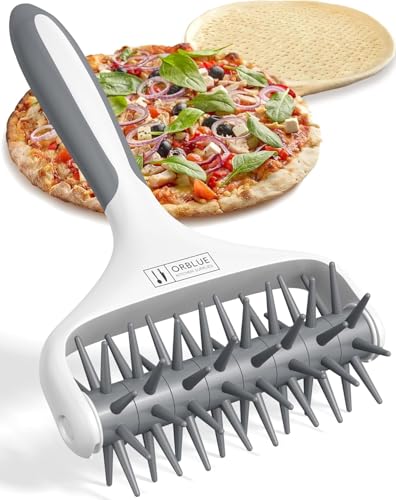
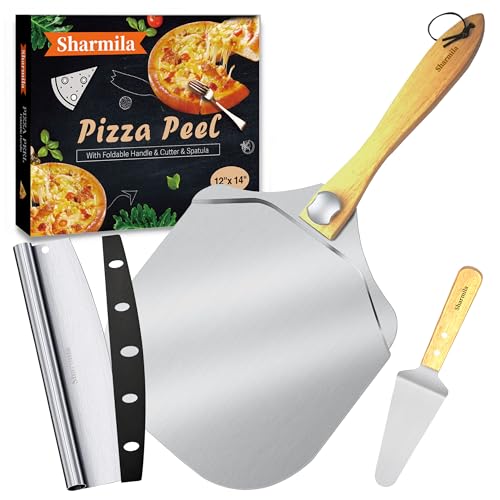
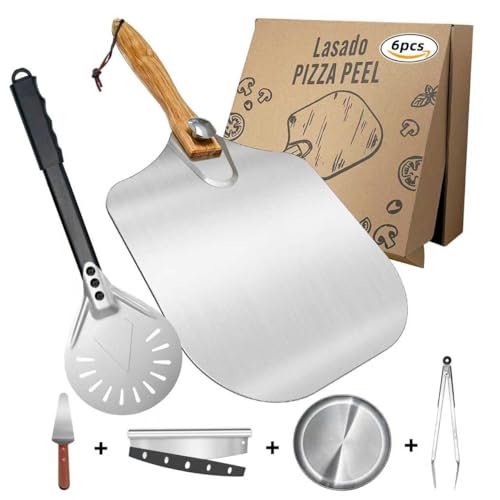
To make your pizza-making journey even smoother, having the right tools is a game-changer. A good pizza peel for launching and retrieving your pizza, along with a sturdy scraper for easy cleanup, can elevate your experience from good to great.


FAQs About Seasoning and Caring for a Pizza Stone
Even with the main question settled, you might have a few more specific queries. Here are direct answers to some of the most common questions about how to season and care for a pizza stone.
Do I need to put flour or cornmeal on my pizza stone?
No, you don’t need to put flour or cornmeal directly on the hot stone itself. Instead, you should lightly dust your pizza peel with flour, semolina, or cornmeal. This acts like tiny ball bearings, creating a non-stick surface that allows your raw pizza dough to slide effortlessly from the peel onto the hot stone without sticking or folding over. It’s a crucial step for a successful pizza launch.
What is the best oil to season a pizza stone, if I choose to do it?
If you still choose to season your stone against the general advice, it is critical to use the right kind of oil. You must use a neutral vegetable oil with a high smoke point, such as canola, grapeseed, or sunflower oil. Never use extra virgin olive oil. Olive oil has a very low smoke point and will begin to burn and smoke at the high temperatures needed for baking pizza, creating a foul smell and a bitter, burnt taste on the stone’s surface.
Can I season a pizza stone with Pam or cooking spray?
No, it is highly recommended that you do not use Pam or any other cooking spray on your pizza stone. These aerosol sprays contain propellants and other chemical additives in addition to oil. When heated, these additives can create a sticky, gummy residue on the stone’s surface that is very difficult to clean off and can become rancid over time. Stick to pure oil if you must, but avoid sprays entirely.
My pizza stone instructions (like from Target) say not to season. Should I follow them?
Absolutely, yes. The manufacturer’s instructions are the single most important guide for your specific product. Manufacturers know the exact material their stone is made from (e.g., cordierite, ceramic, clay) and have tested it extensively. If the instructions that came with your stone explicitly say not to season it, that is the most reliable advice you can follow to ensure its proper function and longevity. Always trust the manufacturer over conflicting general advice online.
Final Summary: The Truth About Seasoning Your Pizza Stone
After navigating the maze of conflicting advice, the truth about whether you are you supposed to season a pizza stone is refreshingly simple. For the vast majority of modern stones, the answer is a clear “no.” The focus should not be on adding a layer of oil, but on respecting the stone’s natural properties and preparing it correctly for heat.
By understanding the “why” behind the advice—the crucial role of porosity in creating a crispy crust—you can confidently skip the unnecessary step of seasoning and move straight to the methods that actually guarantee great results and a long life for your stone.
Here are the most critical takeaways to remember:
- ✔ Skip the Seasoning: Don’t apply oil. It clogs the pores that are essential for absorbing moisture and achieving a crispy crust. Let the stone develop its own natural, non-stick patina over time.
- ✔ Master the Preheat: Your number one priority is heat. Always place your stone in a cold oven and let it preheat for at least 30-60 minutes at the highest temperature to prevent thermal shock and ensure a perfect bake.
- ✔ Clean Without Soap: Protect your stone and your food’s flavor by never using soap. Scrape off debris after it has cooled completely, and use a baking soda paste for any stubborn spots.
Now you have the definitive answer. Take these expert-backed tips and go confidently make an amazing pizza with a perfectly crispy crust
Last update on 2026-09-04 at 22:49 / Affiliate links / Images from Amazon Product Advertising API
