
As an Amazon Associate BakingBakewareSets.com earns from qualifying purchases.
Oven Racks: Dishwasher Safe? Expert Guide & Cleaning Tips
Tackling that layer of baked-on grease and grime from your oven racks is one of the most dreaded kitchen chores. It’s a tough, messy job that makes the convenience of a dishwasher seem like the perfect solution. But can you safely toss them in with your plates and glasses, or are you risking permanent damage to your racks and maybe even your dishwasher?
Yes, most standard oven racks can go in the dishwasher if they fit and are not heavily soiled. However, always check the manufacturer’s manual first, as chrome racks may rust and full-extension ball-bearing racks can be damaged. This guide unpacks the critical factors you must check, proven alternative cleaning methods, and expert advice to get your racks sparkling without causing damage.
Key Facts
- Manufacturer Approval Varies: Always consult your oven’s manual first. Some brands, like Wolf, explicitly state their standard oven racks are dishwasher safe, while others advise against it.
- Material is Critical: Chrome-plated racks are highly susceptible to rusting, pitting, and losing their shiny finish when exposed to harsh dishwasher detergents and high heat. Stainless steel racks generally fare better.
- Dishwashers Struggle with Heavy Grime: The intense, baked-on grease on oven racks is often too tough for a standard dishwasher cycle, leading to an incomplete clean that still requires manual scrubbing.
- Full-Extension Racks are a Definite “No”: Racks with ball-bearing glide mechanisms should never be put in a dishwasher, as the process can strip the lubricants and ruin their smooth operation.
- Soaking is Often Superior: For heavily soiled racks, manual methods like soaking them in a bathtub with detergent provide a more effective and safer cleaning result than a dishwasher.
☰ Table of Contents ▼
show
Can Oven Racks Go in the Dishwasher? The Definitive Answer
Yes, most oven racks can be cleaned in a dishwasher, but it is crucial to consider the rack material, level of grime, and your manufacturer’s specific guidelines to avoid irreversible damage. While the dishwasher offers a convenient, hands-off approach, it’s not always the most effective or safest solution, especially for racks with heavy buildup or special coatings.

Before you proceed, check this quick-reference table to see if your situation is a good fit for the dishwasher method. This initial check can save you from a costly mistake.
| Condition | Dishwasher Safe? | Key Consideration |
|---|---|---|
| Lightly Soiled & Standard Rack | Likely Yes | Check manufacturer manual first. |
| Heavily Soiled / Baked-on Grease | Not Recommended | Dishwasher may not be effective. |
| Chrome-Coated Racks | Risky | Prone to rusting and discoloration. |
| Full-Extension Ball-Bearing Racks | No | Dishwasher can ruin the glide mechanism. |
Full-extension ball-bearing racks are the sliding racks that glide smoothly in and out of the oven on a track. This mechanism is lubricated, and the harsh environment inside a dishwasher can strip this grease, causing the rack to seize up or become difficult to use. So, while the short answer is ‘yes,’ the real question is, should you?
4 Critical Factors to Check Before Using Your Dishwasher
Rushing to put your racks in the dishwasher without a quick inspection can lead to disappointment and damage. To make an informed decision, you need to assess four key factors that determine whether this cleaning shortcut is a brilliant tips or a recipe for disaster.

- Rack Material and Coating: This is the most important factor. Most oven racks are either stainless steel or chrome-plated. Stainless steel is generally more durable and resistant to the dishwasher’s harsh environment. However, chrome-plated racks are vulnerable. The combination of high heat and potent detergents can cause rust, discoloration, and pitting, permanently ruining the finish. The protective coatings on many racks, designed to help them glide smoothly and resist corrosion, can also be stripped away.
- Level of Grime: Be realistic about what a dishwasher can do. It excels at washing away food particles from plates but struggles with carbonized, baked-on grease. If your racks have thick layers of burnt-on food, the dishwasher will likely fail to clean them completely, leaving you with a messy rack that still needs to be scrubbed by hand.
- Rack Type and Size: As mentioned, full-extension ball-bearing racks are off-limits. For standard racks, you must consider their size. Many oven racks are simply too large and awkward to fit properly in a home dishwasher without obstructing the spray arms, which prevents water from reaching other dishes and the racks themselves.
- Manufacturer’s Guidelines: Your oven’s manual is the ultimate authority. Some manufacturers, like Sub-Zero Wolf, give the green light for their standard racks, while explicitly warning against it for their full-extension models. Other brands may have different recommendations based on the specific materials used in their products. Ignoring the manual is a gamble.
Pro Tip: If your racks have lost their shine after a self-clean cycle, they are more vulnerable to damage in a dishwasher. It’s a sign the protective coating is compromised.
Are Bosch, Samsung, or Neff Oven Racks Dishwasher-Safe?
Brand-specific questions are common because materials and manufacturing processes differ. While a universal rule is impossible, here is the general guidance based on available data.
- Wolf: Sub-Zero Wolf states that their standard oven racks are dishwasher safe, but full-extension ball-bearing racks are not. This shows a clear distinction based on rack type.
- Bosch, Samsung, Neff, LG, Frigidaire: For these and other major brands, the consensus is less clear-cut and model-dependent. The overwhelming expert advice is to default to the user manual. A model from five years ago may have chrome-plated racks, while a newer model might use a more durable stainless steel.
Always default to your owner’s manual for the most accurate information. If you’ve lost the manual, a quick search for your oven’s model number on the manufacturer’s website will usually provide a digital copy.
Quick Fact: The advice for a 10-year-old oven might differ from a model released this year, 2026. That’s why the manual is your best friend!
What is the Best Way to Clean Oven Racks? 4 Effective Alternatives
If the dishwasher is too risky or ineffective for your situation, don’t despair. There are several tried-and-true manual cleaning methods that deliver far superior results, especially on heavy grime. These methods range from simple household soaks to powerful commercial solutions.
Ready to see which method suits your level of grime? Let’s dive in.
Method 1: The Bathtub Soak (Dish Soap or Dishwasher Tablets)
This is arguably the most popular and effective DIY method for oven racks that are caked in grease. It uses time and hot water to do most of the hard work for you.

- Protect Your Tub: Lay old towels or a shower curtain in the bottom of your bathtub to prevent the metal racks from scratching the surface.
- Place and Submerge: Place the oven racks on the towels and fill the tub with enough very hot water to completely submerge them.
- Add Your Cleaning Agent: You have options here. You can add ½ cup of dish soap, a few scoops of powdered laundry detergent, or dissolve one or two dishwasher tablets in the water.
- Soak Overnight: Let the racks soak for at least a few hours, or ideally overnight (up to 24 hours). This gives the cleaning agents time to break down and loosen the baked-on grime.
- Scrub and Rinse: The next morning, use a non-scratch scourer or a stiff brush to easily scrub away the softened grime. Rinse the racks thoroughly with clean water and dry them before returning them to the oven.
Pro Tip: Placing the racks on old towels is a crucial step. A deep scratch in your bathtub enamel is much harder to fix than a dirty oven rack.
Don’t have a bathtub? Don’t worry, the next method is for you.
Method 2: Baking Soda & Vinegar Paste
For a non-toxic and surprisingly effective approach using common household items, a baking soda paste is an excellent choice. This method is great for those who prefer to avoid harsh chemicals.
- Create the Paste: In a bowl, mix three parts baking soda to one part warm water to form a thick, spreadable paste.
- Apply to Racks: Use a sponge or brush to coat the oven racks completely with the baking soda paste, paying extra attention to heavily soiled areas.
- Let It Work: Allow the paste to sit on the racks for at least 20 minutes, or for several hours for tougher jobs.
- Add Vinegar for Extra Power (Optional): For stubborn spots, sprinkle dry baking soda directly onto the rack and then spray it with white vinegar. The resulting fizzing action helps to lift grime.
- Scrub and Rinse: Use a scourer or brush to scrub the racks clean. The baking soda acts as a mild abrasive. Rinse thoroughly with warm water. For a pleasant scent, some cleaning experts recommend adding a few drops of orange essential oil to the paste for its antimicrobial properties.
Pro Tip: The fizzing action you see when you mix baking soda and vinegar is the chemical reaction that helps break down the grease!
Method 3: The Aluminum Foil & Dishwasher Tablet Tips
This method, often shared on forums like Reddit, sounds unusual but is incredibly effective due to a chemical reaction between the aluminum and the ingredients in the dishwasher tablet.
- Wrap the Racks: Completely wrap each oven rack in aluminum foil, ensuring it’s fully covered.
- Prepare the Bath: Fill a bathtub or large basin with very hot water. Drop in one dishwasher tablet and let it dissolve.
- Soak for a Few Hours: Submerge the foil-wrapped racks in the hot water and let them soak for 2 to 3 hours.
- Unwrap and Wipe: Carefully remove the racks from the water. Unwrap the foil and you’ll find the grease has loosened dramatically. Use a cloth or sponge to wipe it away.
- Rinse and Dry: Give the racks a final rinse with clean water to remove any residue and dry them completely.
It sounds strange, but thousands of people on forums like Reddit swear by this method. The chemical reaction between the aluminum foil and the activated dishwasher tablet creates an effective cleaning solution that lifts grease right off the metal. Give it a try and see the results for yourself!
Method 4: Commercial Oven Cleaners (The Heavy-Duty Option)
When you’re facing extreme, carbonized grime that nothing else will touch, it’s time to bring in the heavy-duty commercial cleaners. This method is highly effective but requires strict safety precautions.
- Prioritize Safety: This is the nuclear option for when nothing else works. Remember: safety first! Work in a very well-ventilated area, preferably outdoors. Always wear rubber gloves to protect your skin.
- Protect Your Workspace: Lay the racks on old newspaper or a plastic sheet to protect the surface underneath.
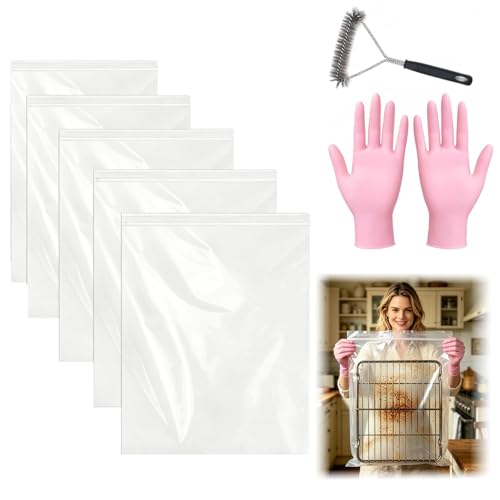
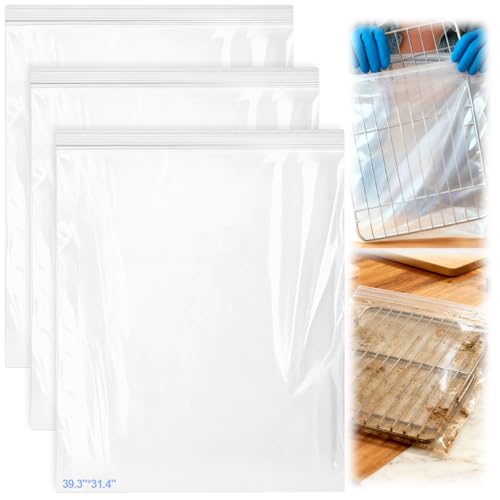
- Use the Garbage Bag Method: For maximum effectiveness and to contain the fumes, place the racks inside a large, heavy-duty garbage bag.
- Spray and Seal: Generously spray the racks with a commercial oven cleaner like Krud Kutter or Mr. Muscle inside the bag. Seal the bag tightly to trap the fumes and allow the cleaner to work without drying out.
- Let It Sit: Let the sealed bag sit overnight, or for the duration recommended on the product label.
- Rinse Thoroughly: The next day, while still wearing gloves, carefully open the bag and remove the racks. Rinse them extremely well with a garden hose or in a utility sink to remove every trace of chemical residue. This step is critical before the racks are used for cooking again.
WARNING: Commercial oven cleaners contain powerful chemicals. Never use them in an unventilated space, and ensure racks are rinsed completely to remove all chemical residue before they are placed back in the oven and exposed to heat.
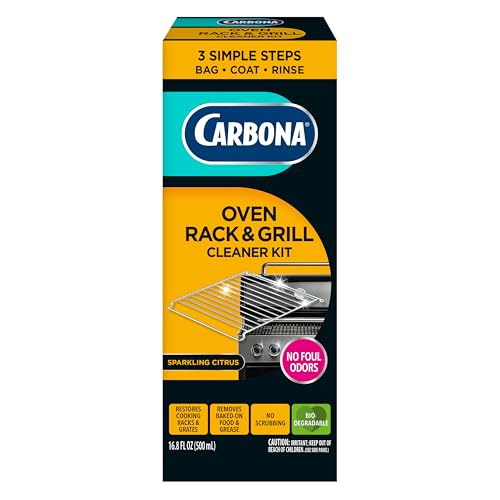
For those who want powerful cleaning without the manual labor, investing in a good oven rack cleaning kit can make all the difference. These kits often include powerful degreasers and specialized brushes to simplify the process.


FAQs About Cleaning Oven Racks
Can you put oven trays in the dishwasher?
Generally, yes. Most oven trays and baking sheets made from stainless steel, aluminum, or with a non-stick coating are dishwasher-safe. However, always check for a dishwasher-safe symbol or consult the manufacturer’s instructions, as harsh detergents can sometimes damage non-stick surfaces over time.
What about oven grates from a stovetop?
This depends entirely on the material. Enameled or porcelain-coated grates are often dishwasher-safe on a gentle cycle. However, cast iron grates should never go in the dishwasher, as it will strip their seasoning and cause them to rust immediately.
Why can’t I leave my racks in during a self-clean cycle?
The extremely high temperatures of a self-clean cycle (often over 900°F or 482°C) can damage oven racks. It can warp the metal, strip their protective chrome coating, and cause discoloration, making them difficult to slide and more prone to rust.
How long can I leave oven racks to soak?
For most soaking methods, leaving racks for several hours or overnight is ideal. For very tough, baked-on grime, you can safely leave them to soak for up to 24 hours in a bathtub solution to maximize the loosening effect.
Is it safe to mix baking soda and vinegar for cleaning?
Yes, it is perfectly safe. The combination creates a chemical reaction that produces carbon dioxide gas, water, and sodium acetate. This fizzy reaction is what helps to physically lift grime from surfaces, making it a safe and effective cleaning duo.
Will a dishwasher tablet really clean my oven racks in the tub?
Yes, this is a very effective cleaning tips. Dishwasher tablets contain concentrated detergents, enzymes to break down food, and sometimes a bleaching agent. When dissolved in hot water, they create a powerful soaking solution that is excellent at breaking down baked-on grease over several hours.
Can you put a metal rack of any kind in the dishwasher?
No. The type of metal is crucial. Stainless steel is usually safe. Chrome-plated metal is risky as it can rust. Anodized aluminum may become discolored. Cast iron will rust. Always verify the specific type of metal and any coatings before using the dishwasher.
What happens if I put chrome-plated racks in the dishwasher?
The combination of high water pressure, potent detergents, and high heat can strip the chrome plating from the rack. This exposes the underlying metal, leading to rust, pitting, and a dull, discolored finish that cannot be repaired.
Are there any racks that should absolutely never go in the dishwasher?
Yes. Full-extension ball-bearing racks should never be put in a dishwasher. The process will wash away the essential lubricant in the sliding mechanism, causing it to grind, stick, or seize up entirely, ruining its functionality.
When should I consider a professional oven cleaning service?
You should consider a professional service if your oven and racks have extremely heavy, carbonized buildup that DIY methods can’t handle, if you want to avoid using harsh chemicals in your home, or if you simply want a guaranteed, perfect result without the time and effort.
The Final Verdict: Dishwasher vs. Hand-Cleaning Your Oven Racks
While the answer to “can oven racks go in the dishwasher” is a qualified “yes,” it’s rarely the best solution. The convenience is tempting, but the risks of incomplete cleaning and permanent damage to certain rack types often outweigh the benefits. For a truly clean, sparkling result that preserves the life of your racks, manual methods are undeniably superior.
Ultimately, the best method depends on your specific situation.
- For Convenience & Light Soil: If your racks are stainless steel, lightly soiled, and your manual approves, the dishwasher is a viable option.
- For Heavy Grime & Best Results: The bathtub soak method with a dishwasher tablet or detergent is the most effective and safest DIY option.
- For Chemical-Free Cleaning: The baking soda and vinegar paste method is a fantastic, non-toxic alternative that works surprisingly well.
- For “Beyond DIY” Grime: When all else fails, a commercial oven cleaner or a professional service is your best bet for restoring your racks to like-new condition.
Now that you’re armed with expert cleaning methods, choose the one that’s right for your oven and get those racks sparkling
Last update on 2026-07-05 at 15:29 / Affiliate links / Images from Amazon Product Advertising API
