
As an Amazon Associate BakingBakewareSets.com earns from qualifying purchases.
The Easiest Way To Cut And Cook Perfect Kabocha Squash
Ever wondered how to unlock that amazing flavor hiding inside a kabocha squash? You’ve seen the beautiful, dark green Japanese pumpkin and heard it tastes like a sweet potato met a roasted chestnut. But the thought of cutting through that rock-hard rind feels intimidating.
Kabocha squash is a sweet, nutty winter squash with a uniquely fluffy and starchy texture. The biggest challenge is its tough exterior, which stops many home cooks from even trying. You’re not alone in feeling apprehensive about preparing it.
The secret to perfect kabocha squash is to briefly microwave it before cutting. This simple, game-changing trick softens the skin just enough to make slicing safe and easy. In this guide, you’ll learn this foolproof method and discover three delicious ways to roast it to perfection.
☰ Table of Contents ▼
show
Why Is Everyone Obsessed with Kabocha Squash (And Why Are You Aftraid to Cook It)?
If you’ve ever had perfectly cooked kabocha, you understand the obsession. It has a remarkable natural sweetness and a dense, fluffy texture that’s unlike any other winter squash. Think of the best parts of a sweet potato and a pumpkin, but with a richer, nuttier flavor profile reminiscent of a roasted chestnut. The bright orange flesh becomes wonderfully creamy when cooked.
But let’s be honest—that first encounter on your kitchen counter can be daunting. I remember my first time trying to tips one of these open, worrying my knife would slip. The fear is real, but it’s also completely unnecessary. The truth is, preparing kabocha is surprisingly simple once you know two key secrets: you don’t need to peel it, and there’s a foolproof trick to soften the skin before you even pick up your knife. This guide removes all the guesswork and turns this intimidating vegetable into an easy weeknight favorite.
The Foolproof Trick to Safely Cut Hard Kabocha Squash
This is the most important part of the entire process. Mastering this one technique will completely change how you approach cooking kabocha and other hard winter squashes. The secret isn’t about brute force; it’s about working smarter. By using your microwave to soften the rind just slightly, you make the squash much safer and easier to handle.
To safely cut a hard kabocha squash, first pierce the skin 5-6 times with a fork. Microwave the whole squash for 3-4 minutes to soften the rind. Let it cool slightly, then place it on a stable cutting board. Use a large, heavy chef’s knife to slice it in half from stem to base. This method requires minimal effort and significantly reduces the risk of your knife slipping, making the entire preparation process stress-free.
The Only Tools You Need for Safe Squash Prep

Save this essential kitchen tip for later!
You don’t need any fancy gadgets. The right basic tools are all it takes to make kabocha squash preparation a breeze. Having these items ready will ensure a smooth, safe, and efficient process from start to finish.
Materials Needed:
- A Large, Sharp Chef’s Knife: An 8-inch or 10-inch heavy chef’s knife is essential. A flimsy knife is dangerous and won’t get the job done.
- A Stable Cutting Board: Safety is key. Place a damp paper towel underneath your wood or composite board to prevent it from slipping on the counter.
- Microwave: This is the key tool for softening the tough squash skin.
- A Sturdy Metal Spoon or Ice Cream Scoop: A sharp-edged spoon makes scraping out the seeds and stringy pulp incredibly easy.
Step-by-Step Directions:
- Wash & Dry: Since you’ll be eating the skin, give the outside of the squash a thorough wash and pat it dry.
- Pierce: Use a sharp fork or the tip of a paring knife to carefully pierce the squash in 5-6 different spots. This is a critical safety step that allows steam to escape in the microwave.
- Microwave: Place the whole squash in the microwave and heat on high for 3 to 4 minutes. It won’t be cooked through, just perfectly softened for easy cutting.
- Cool & Stabilize: Carefully remove the squash—it will be hot! Let it cool for a minute or two. For maximum stability, trim a tiny slice off the bottom to create a flat, non-wobbling base.
- Cut in Half: Place the squash on its new flat base. Position your large chef’s knife in the center, right next to the stem. With a firm and steady hand, carefully press down, rocking the knife if needed, until you’ve sliced it completely in half.
- Scoop Seeds: Use your sturdy metal spoon to scrape out all the seeds and stringy bits. Don’t throw the seeds away—you can save them for roasting later!
- Slice or Cube: Place the squash halves cut-side down for stability. From here, you can easily slice them into wedges or cube the flesh into 1-inch pieces for roasting.
Pro-Tip: If you don’t have a microwave, you can place the whole squash in a 400°F oven for 15-20 minutes to achieve a similar softening effect.

How to Roast Kabocha Squash: The Easiest, Most Delicious Method
Roasting is arguably the best cooking method for kabocha squash. The high, dry heat of the oven works magic on its natural sugars, causing them to caramelize. This process, known as the Maillard reaction, creates deep, savory-sweet flavors and a wonderfully creamy texture that you just can’t get from steaming or boiling.
This kitchen-tested method is simple and reliable. By using high heat (400°F-425°F) and giving the squash pieces plenty of space on the baking sheet, you ensure they roast to a golden-brown perfection rather than steaming. The result is a tender interior with delightfully crispy, caramelized edges.
1. Classic Garlic & Herb Roasted Kabocha

Pin this simple, savory side dish for your next meal!
This is the perfect starting point for your kabocha journey. The simple combination of garlic, herbs, and high-quality olive oil beautifully complements the squash’s natural sweetness, creating a versatile savory side dish that pairs well with almost anything.
Ingredients:
- 1 medium kabocha squash, cut into 1-inch cubes
- 2 tbsp high-quality extra virgin olive oil
- 1 tsp garlic powder
- 1 tsp dried rosemary or thyme
- 1/2 tsp coarse sea salt
- 1/4 tsp freshly ground black pepper
Instructions:
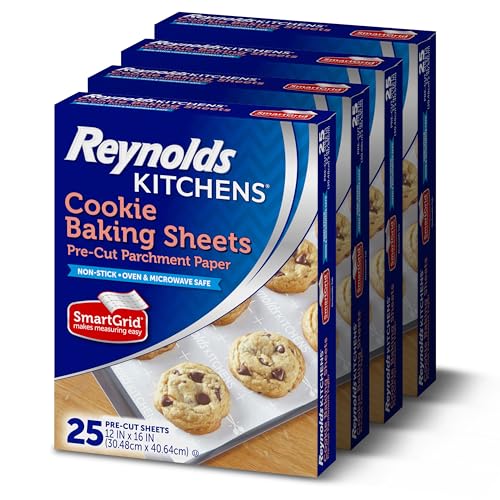
- Preheat Oven: Set your oven to 425°F (220°C). Line a large baking sheet with parchment paper for easy cleanup.
- Combine: In a large bowl, add the kabocha squash cubes, olive oil, garlic powder, dried rosemary, salt, and pepper.
- Toss to Coat: Use your hands or a large spoon to toss everything together. Make sure every single cube of squash is evenly coated with oil and seasonings.
- Arrange on Pan: Spread the seasoned squash in a single, even layer on the prepared baking sheet. This is a crucial step! Do not overcrowd the pan, or the squash will steam instead of roast. Use two pans if you need to.
- Roast: Bake for 20-25 minutes, flipping the pieces halfway through the cooking time. The squash is done when it’s tender enough to be easily pierced with a fork and the edges are golden brown and caramelized.
Lesson Learned: Don’t use fresh minced garlic for this recipe. At the high roasting temperature required for perfect squash, fresh garlic will burn and become bitter long before the squash is cooked. Garlic powder provides fantastic flavor without any risk of scorching.
2. Sweet Maple Cinnamon Kabocha

Save this perfect fall side dish idea!
Leaning into kabocha’s natural sweetness is always a great idea. This recipe uses pure maple syrup and warm spices to create a cozy, comforting side dish that’s perfect for a holiday meal or any crisp autumn evening.
Ingredients:
- 1 medium kabocha squash, cut into 1-inch thick slices or wedges
- 2 tbsp avocado oil or other high-smoke point oil
- 2 tbsp pure maple syrup, Grade A Amber works well
- 1/2 tsp ground cinnamon
- 1/4 tsp ground nutmeg
- Pinch of salt
Instructions:
- Preheat Oven: Set your oven to 400°F (200°C). Using a slightly lower temperature here helps prevent the maple syrup from burning before the squash is fully cooked. Line a baking sheet with parchment paper.
- Combine: In a large bowl, whisk together the avocado oil, pure maple syrup, cinnamon, nutmeg, and salt until you have a smooth glaze.
- Coat Squash: Add the kabocha squash slices to the bowl and toss gently until every piece is beautifully coated in the sweet glaze.
- Arrange on Pan: Place the glazed squash in a single layer on your prepared baking sheet.
- Roast: Bake for 25-30 minutes, flipping the pieces once about halfway through. The squash is ready when it’s fork-tender and the glaze is bubbly and caramelized. Be sure to keep a close eye on it during the last 5 minutes to prevent any burning.
Pro-Tip: For extra crunch and a nutty flavor that perfectly complements the maple, toss a handful of pecan halves with the squash during the last 10 minutes of roasting.

3. Savory Soy-Ginger Umami Kabocha

Pin this amazing umami-packed recipe!
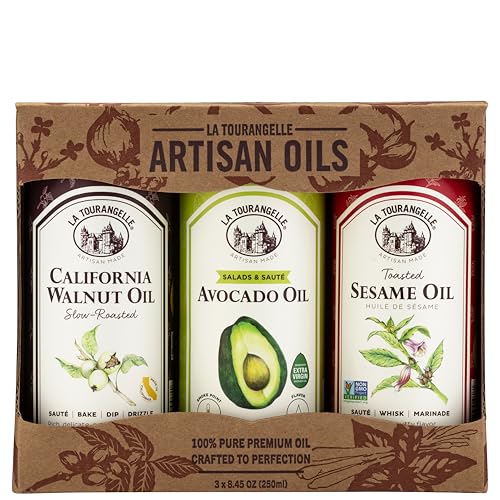
This Asian-inspired flavor profile is a fantastic way to balance the sweetness of the Japanese pumpkin. The salty umami from soy sauce, nutty aroma of toasted sesame oil, and bright notes from rice vinegar and ginger create a complex and addictive savory dish.
Ingredients:
- 1 medium kabocha squash, cut into 1-inch cubes
- 1 tbsp avocado or vegetable oil
- 2 tbsp low-sodium soy sauce or tamari
- 1 tsp toasted sesame oil
- 1 tsp rice vinegar
- 1/2 tsp ground ginger
- Toasted sesame seeds and sliced scallions, for garnish
Instructions:
- Preheat Oven: Get your oven preheating to 425°F (220°C) and line a baking sheet with parchment paper.
- Whisk Sauce: In a large bowl, whisk together the avocado oil, soy sauce, toasted sesame oil, rice vinegar, and ground ginger to create the savory glaze.
- Coat Squash: Add the cubed kabocha to the bowl and toss thoroughly. You want to make sure every piece gets a good coating of the sauce.
- Arrange and Roast: Spread the squash in a single, even layer on your prepared baking sheet. Roast for 20-25 minutes, flipping the pieces halfway through for even caramelization.
- Garnish and Serve: Once the squash is tender and the glaze has thickened and caramelized onto the pieces, remove it from the oven. Transfer it to a serving dish and finish with a generous sprinkle of toasted sesame seeds and fresh sliced scallions.
Pro-Tip: This version is absolutely fantastic served over a bowl of fluffy white rice or added to a grain bowl with some edamame and avocado for a complete and flavorful meal.
Key Takeaways: Your Quick Guide to Perfect Kabocha
Feeling confident? Here’s a quick summary of the most important points to ensure your kabocha squash comes out perfect every single time.
– Microwave First: The golden rule. Always microwave your whole squash for 3-4 minutes. This one step makes cutting safe and incredibly easy.
– Keep The Skin On: The skin is delicious, packed with nutrients, and saves you a ton of prep work. Just give it a good wash before you start!
– Roast with High Heat: Use a hot oven (400-425°F / 200-220°C) to get that perfect creamy interior and deeply caramelized, flavorful exterior.
– Don’t Crowd the Pan: Give your squash pieces plenty of space on the baking sheet. This ensures they roast to a golden brown instead of steaming.
– Balance the Sweetness: Kabocha is naturally very sweet. It pairs beautifully with savory and salty flavors like garlic, soy sauce, herbs, and coarse sea salt.
People Also Ask About Cooking Kabocha Squash
Do you have to peel kabocha squash before cooking?
No, you do not need to peel kabocha squash. Unlike butternut or acorn squash, kabocha skin is thin, completely edible, and becomes tender and flavorful when cooked, especially roasted. It saves time and adds a significant amount of fiber and nutrients to your dish. Just be sure to wash the outside well before cutting.
What is the best way to know when kabocha squash is ripe?
A ripe kabocha squash should feel heavy for its size and have a hard, deep-green rind. Look for a stem that is dry and cork-like. You should avoid squashes that have soft spots, major blemishes, or a shiny, pale green color, as these can be signs that it’s underripe. Some orange or golden spots on the rind are perfectly normal.
What does kabocha squash taste like?
Kabocha squash has a remarkably sweet and nutty flavor, with a unique texture. It’s often described as a cross between a sweet potato and a pumpkin, but with a fluffier, starchier, and less watery texture that is very similar to a roasted chestnut. This makes it exceptionally good for roasting, as it becomes creamy and delicious.
Can you freeze kabocha squash?
Yes, you can absolutely freeze kabocha squash. For the best results and texture, it’s better to freeze it after it has been cooked. You can freeze roasted cubes or slices, or you can steam and puree the squash before freezing. Store it in an airtight, freezer-safe container or bag for up to 3 months.
Final Thoughts
That intimidating green squash on your counter is now your new best friend in the kitchen. Once you know the simple microwave trick for safe cutting and the magic of high-heat roasting, preparing kabocha becomes a genuinely easy and rewarding experience. You no longer have to pass it by at the farmer’s market. With its delicious flavor and incredible versatility, it’s ready to become a staple in your fall and winter cooking rotation.
Now that you have the secret to perfect kabocha, what flavor combination will you try first? Let me know in the comments below
Last update on 2026-04-25 at 13:58 / Affiliate links / Images from Amazon Product Advertising API
