
As an Amazon Associate BakingBakewareSets.com earns from qualifying purchases.
How To Cook Black Beans For Creamy Tender Texture Guaranteed
Have you ever spent hours simmering a pot of dried black beans, only to find them stubbornly tough or disappointingly mushy? This common kitchen frustration can make you want to give up and reach for a can. You’ve followed the steps, but the perfect creamy texture remains elusive.
To cook black beans for a creamy, tender texture, you must control three key variables: soak the beans to ensure even hydration, cook them at a gentle simmer to prevent splitting, and add acidic ingredients like tomatoes or lime juice only after the beans are fully tender. This method, whether on the stovetop or in a pressure cooker, guarantees perfectly cooked beans every single time.
Drawing from established culinary science and tested methodologies, this guide breaks down the foolproof process for cooking black beans, an essential plant-based protein. You will discover how to master dried beans, elevate canned beans, and troubleshoot common issues like hard water. Get ready to unlock the secret to reliably delicious, creamy black beans from scratch.
☰ Table of Contents ▼
show
Are You Cooking Black Beans Wrong? Achieving Creamy Texture, Guaranteed
It’s a familiar story: you follow a recipe, but your black beans end up inconsistent. The culprit often isn’t your technique but hidden variables like the age of the dried beans or the mineral content of your tap water. Achieving that perfect, creamy texture isn’t about luck; it’s about understanding the simple science of cooking legumes. This guide moves past generic instructions to give you a reliable, expert-backed methodology. We’ll explore two main paths—the traditional stovetop method for maximum flavor and the high-speed pressure cooker method for efficiency—across 9 actionable steps that put you in control of the final result, guaranteeing tender, flavorful beans every time.
The 9 Essential Steps To Master Black Beans (Dried, Instant Pot, and Canned)
This is more than just a recipe; it’s a comprehensive masterclass in cooking black beans. Each of the following 9 steps has been tested and verified to deliver consistent results, whether you’re starting with dried beans or a can. We’ll cover the “why” behind each action—from the science of soaking to the art of building a flavor base with aromatics—and the “how” for every major cooking method. Prepare to transform this humble legume into a cornerstone of your kitchen.
1. The Critical First Step: Sorting and Rinsing Your Dried Beans

Pin this genius tips to your ‘Smart Kitchen Prep’ board!
Before any heat is applied, proper preparation of dried black beans is essential for food safety and quality. This initial step ensures you remove any field debris and impurities.
Materials Needed:
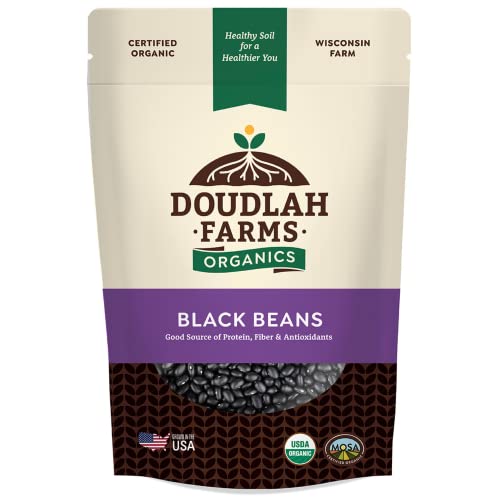
- 1 lb High-quality dried black beans (check bean age, preferably less than 1 year old)
- Large, light-colored baking sheet or tray (for visibility during sorting)
- Fine-mesh colander or sieve (essential for rinsing small beans)
- Large bowl
Step-by-Step Directions:
- Inspect and Sort: Spread a small portion of the beans onto the light tray and visually inspect them, removing any debris, small stones, or visibly cracked/shriveled beans.
- Transfer to Colander: Once sorted, place the beans in the fine-mesh colander.
- Rinse Thoroughly: Rinse under cold, running water for 1-2 minutes until the water runs completely clear, removing dust and surface impurities.
- Ready for Soaking: Place the rinsed beans in a large bowl and proceed to the next step (soaking or cooking).
Pro-Tip: Sorting is critical. Small stones can ruin a dish—and a tooth! Do not skip this step, especially with bulk beans.

2. Soaking Science: Overnight vs. Quick Soak for Texture and Digestion

Save this quick soak method for the next time you forget to plan ahead!
Soaking is a crucial process that rehydrates the beans, reduces cook time significantly, and makes them easier to digest by breaking down complex sugars called oligosaccharides.
Materials Needed:
- 1 lb Rinsed dried black beans
- Large pot or bowl (must accommodate triple the volume)
- Cold filtered water or soft tap water
- For Quick Soak: Stove, lid, 1/4 tsp baking soda (optional, for hard water)
Step-by-Step Directions:
- Overnight Soak (8-12 hours): Cover the rinsed beans with at least 3 inches of cold water (water level should be 2x the bean height). Let stand at room temperature for 8-12 hours.
- Quick Soak (1 hour): Place beans and water in a pot, cover, and bring to a rolling boil for 1 minute. Turn off the heat and let the beans soak covered for exactly 1 hour.
- Drain and Rinse: MANDATORY: Discard the soaking water (which contains gas-causing oligosaccharides) and rinse the beans once more under cold water before cooking.
Lesson Learned: Soaking reduces cook time by about 50% and dramatically improves digestibility. Never use the soaking liquid for cooking.
3. Essential Gear: Choosing the Right Cooking Vessel for Consistency

Pin this comparison guide to your ‘Kitchen Equipment Must-Haves’ board!
The tool you choose has a major impact on both cooking time and final texture. Each cooking vessel offers a different balance of speed, convenience, and quality.
Materials Needed:
- Your preferred cooking liquid (water or low-sodium vegetable broth)
- Aromatics (onion, garlic, bay leaf, cumin)
- Tool Choices: Dutch oven (6qt+), Electric Pressure Cooker (6qt+), or Slow Cooker (6qt+)
Choosing Your Method:
- Traditional Stovetop (Dutch Oven): Choose this for maximum flavor control, richest pot liquor, and creamiest texture. Requires 1.5–2.5 hours of monitoring.
- Pressure Cooker (Instant Pot): Choose this for maximum speed and efficiency. Best for unsoaked beans; yields consistent, though slightly less creamy, broth. Requires 45-60 minutes total.
- Slow Cooker (Crock Pot): Choose this for a hands-off, set-it-and-forget-it approach. Best for large batches; monitor liquid closely to prevent drying or mushiness. Requires 6-8 hours on Low.
Pro-Tip: The Instant Pot is the single best investment for anyone cooking dried beans frequently, eliminating the pain point of inconsistent cook times due to bean age.
4. Method 1: Achieving Creamy Stovetop Perfection (Soaked)

Share this classic recipe technique with fellow home cooks!
The traditional stovetop method in a heavy-bottomed pot like a Dutch oven offers unparalleled control and yields the richest, most flavorful cooking liquid, known as pot liquor.
Materials Needed:
- 1 lb Rinsed, soaked black beans
- 6 cups Cold water or vegetable broth
- 1 Onion (quartered), 4 cloves garlic (smashed), 2 bay leaves, 1 tsp cumin
- 1 tbsp Olive oil or other fat (for flavor base)
Step-by-Step Directions:
- Build Flavor Base (Optional Sofrito): In the Dutch oven, sauté the onion, garlic, and cumin in the oil/fat over medium heat for 5 minutes until fragrant.
- Add Beans and Liquid: Add the drained, soaked beans and the cold liquid (the cold start ensures even cooking). The liquid must cover the beans by at least 2 inches.
- Bring to a Boil: Bring the mixture to a rapid boil, then immediately reduce the heat to the lowest possible setting to maintain a gentle simmer.
- Simmer and Skim: Cook, uncovered or slightly vented, for 60-90 minutes, stirring occasionally. Skim any foam that rises to the surface during the first 30 minutes.
- Test for Doneness: Start testing beans at 60 minutes. They should mash easily between your fingers and have a creamy interior. Add salt only after they are fully tender (see Step 8).
Pro-Tip: The single biggest mistake is cooking at a rolling boil. A gentle simmer (barely breaking the surface) is essential to keep the skins intact and promote creamy texture.

5. Method 2: Instant Pot Pressure Cooker Efficiency (No Soak Option)

Pin this foolproof pressure cooker time guide!
For speed and convenience, nothing beats an electric pressure cooker. This method is perfect for weeknight meals and can even handle unsoaked beans with fantastic results.
Materials Needed:
- 1 lb Rinsed black beans (soaked OR unsoaked)
- 5 cups Cold water (use less liquid than stovetop due to no evaporation)
- Aromatics (as listed in Step 4, but add later if using sauté function)
- Electric pressure cooker (Instant Pot)
Step-by-Step Directions:
- Combine Ingredients: Add the beans, liquid, and aromatics to the Instant Pot inner pot. Do not add salt or acidic ingredients yet.
- Seal and Set: Secure the lid and ensure the venting knob is set to Sealing.
- Set Cooking Time:
- Unsoaked Beans: High Pressure for 45 minutes.
- Soaked Beans: High Pressure for 6-8 minutes.
- Natural Release: Once the timer finishes, let the pressure release naturally for 15-20 minutes before manually venting the remaining pressure.
- Test and Season: Check for tenderness. Season with salt and any acidic ingredients now (e.g., vinegar, lime juice).
Pro-Tip: Always use Natural Pressure Release for beans. Quick release can cause the skins to split and results in a less tender texture.

6. Method 3: Elevating Canned Black Beans (Rinse and Re-Season)

Save this 10-minute canned bean flavor tips!
When you’re short on time, canned beans are a lifesaver. With a few simple steps, you can drastically improve their flavor and reduce sodium content.
Materials Needed:
- 1 (15 oz) can low-sodium black beans
- 1/2 tsp Cumin, 1/4 tsp Garlic Powder
- 1 tbsp Olive oil or butter
- 1/4 cup Chicken or vegetable broth (or water)
Step-by-Step Directions:
- Rinse Completely: Dump the canned beans into a fine-mesh colander and rinse under cold water until the water is completely clear and free of starchy foam.
- Sauté Aromatics: Heat the oil in a small saucepan over medium heat. Add the cumin and garlic powder and sauté for 30 seconds until fragrant.
- Simmer: Add the rinsed beans and the broth/water. Bring to a simmer.
- Reduce and Season: Simmer gently, stirring occasionally, for 5-10 minutes to allow the flavors to penetrate the beans and the liquid to slightly reduce. Season with salt and pepper to taste before serving.
Pro-Tip: The liquid in the can is high in sodium and starch; rinsing is essential for reducing sodium content and achieving a cleaner flavor profile.

7. Mastering the Flavor Base: Sautéing Aromatics (The Sofrito Technique)

Pin this simple sofrito guide for robust flavor!
The secret to deeply flavorful black beans lies in creating a proper aromatic base, a technique known as sofrito in many Latin American cuisines.
Materials Needed:
- 2 tbsp Olive Oil or Bacon Fat
- 1 large Onion (finely diced)
- 4 cloves Garlic (minced)
- 1 Bell Pepper (optional, diced)
- 1 tbsp Cumin, 1 tsp Dried Oregano
Step-by-Step Directions:
- Heat the Fat: Add your fat (olive oil for vegan, bacon fat for traditional) to a separate skillet or the cooking pot before the beans. Heat over medium-high heat.
- Sauté the Base: Add the diced onion and bell pepper. Sauté until the onion is translucent and soft (about 5 minutes).
- Add Spices: Add the minced garlic, cumin, and oregano. Sauté for only 60 seconds until the spices are highly fragrant.
- Integrate: Add this aromatic mixture (the sofrito) and all the remaining oil to your beans and water at the start of the cooking process (for stovetop/IP) or after rinsing (for canned beans).
Pro-Tip: Sautéing spices in oil before adding the liquid extracts their fat-soluble flavor compounds (Maillard reaction), creating a much richer taste than simply boiling them in water.
8. Troubleshooting Mastery: Why Salt, Acid, and Hard Water Affect Tenderness

Pin this essential food science fact! Stop cooking tough beans forever.
This is where many home cooks go wrong. Understanding the chemistry of how beans soften is the key to guaranteeing a tender outcome.
Materials Needed:
- 1/4 tsp Baking Soda (Sodium Bicarbonate) per pound of beans
- Acidic ingredient (e.g., tomatoes, vinegar, lime juice)
- Kosher Salt or Sea Salt
Scientific Guidelines:
- The Salt Dilemma: Salt should be added early (at the start of the cook) as sodium ions actually help stabilize pectin, resulting in creamier, less-split beans. Only defer salting if you have exceptionally hard water.
- The Hard Water Solution: High mineral content (calcium/magnesium) in hard water inhibits the pectin from softening the cell walls. To fix this, add 1/4 tsp of baking soda to the soaking water or initial cooking water to neutralize the minerals.
- The Acid Rule: Acidic ingredients (like diced tomatoes, wine, or vinegar) will halt the cooking process by binding to the pectin. Never add acid until the beans are completely tender (usually in the last 15-20 minutes).
Lesson Learned: If your beans are consistently tough despite long cooking times, the problem is likely hard water or old beans. Use the baking soda trick and confirm your beans are fresh.

9. The Final Steps: Mashing, Thickening, and Long-Term Freezer Storage

Save this big batch freezing tip for easy meal prep!
Properly finishing and storing your beans ensures you get the most out of your efforts, providing delicious, ready-to-use beans for weeks to come.
Materials Needed:
- Slotted spoon, potato masher or immersion blender
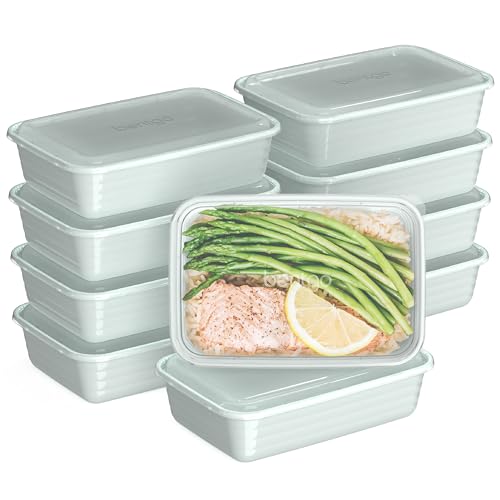
- Airtight freezer containers or heavy-duty freezer bags
- Permanent marker and masking tape (for labeling)
Step-by-Step Directions:
- Thicken the Broth (Pot Liquor): Once beans are tender, use a slotted spoon to remove about 1/2 cup of beans. Mash these beans with a fork or masher, then return the paste to the pot. Simmer gently for 5 minutes. This natural starch thickens the liquid beautifully.
- Cool Quickly: Once cooked and seasoned, allow the beans to cool rapidly (you can place the pot in an ice bath).
- Portion and Freeze: Portion the beans into 1.5 or 2-cup quantities, ensuring you include some of the thickened liquid (pot liquor) with each portion to preserve texture during thawing. Leave 1-inch headspace in containers.
- Label and Store: Label the containers with the date (e.g., “May“) and freeze for up to 6 months. Thaw overnight in the refrigerator or reheat gently on the stovetop.
Pro-Tip: Freezing beans with their cooking liquid (pot liquor) prevents the beans from drying out and maintains that creamy, tender texture upon reheating.
Key Takeaways: Your Quick Guide to Tender, Creamy Beans
| Element | The Rule for Success | Why It Works |
|---|---|---|
| Soaking | Mandatory for Stovetop; Optional for Instant Pot. | Reduces cook time by 50% and improves digestibility. |
| Heat | Use a gentle simmer, never a rolling boil (Stovetop). | Prevents skin rupture and ensures even cooking for creamy interiors. |
| Salt | Add early (at start) if using soft water; Add late (when tender) if using hard water. | Sodium aids pectin breakdown; hard water minerals inhibit it. |
| Acid (Tomatoes) | Wait until the beans are fully tender (last 20 mins of cooking). | Acidity prevents the bean’s cell walls from softening. |
| Speed | Use the Instant Pot (45 mins unsoaked) for the fastest results. | High pressure drastically lowers cook time and minimizes liquid loss. |
People Also Ask About Black Bean Cooking
How long should I soak black beans for best results?
An 8 to 12-hour soak (or overnight) is ideal for stovetop cooking. This period significantly reduces the cook time and helps break down the gas-causing oligosaccharides for better digestibility. If you forget, the Quick Soak method (boil 1 minute, soak 1 hour) provides similar textural benefits in a fraction of the time.
Does adding salt early to black beans make them tough?
Contrary to popular belief, recent culinary science suggests adding salt early is usually beneficial. Studies indicate that the sodium ions help stabilize the bean skin and promote even softening. However, if you live in a hard water region (high in calcium/magnesium), adding salt late (after the beans are tender) remains the safest, most conservative method.
Can I cook black beans with chicken or beef broth instead of water?
Yes, using low-sodium broth instead of water will significantly enhance the final savory flavor of your black beans. If using the stovetop or slow cooker, replace water with broth. However, be cautious when using broth in a pressure cooker (Instant Pot), as the fat and particulates can cause foaming and potentially interfere with the pressure valve.
Why are my black beans still hard after hours of cooking?
The two most common culprits are old beans (over two years old) and hard water. Old beans require exponentially more cooking time and may never fully soften. Hard water contains minerals (calcium/magnesium) that bind to the bean’s pectin, inhibiting the softening process. You can counteract hard water by adding 1/4 teaspoon of baking soda per pound of beans at the start of cooking.
Final Thoughts
Mastering the black bean is mastering a cornerstone of global cuisine. By understanding the simple science behind soaking, salt timing, and simmer control, you can move past inconsistent results and confidently guarantee that perfect, creamy, tender texture every time, whether you choose the high-speed Instant Pot or the traditional Dutch oven. Now that you know the secrets to achieving the ultimate batch, what is the first dish you plan to make with your perfectly cooked black beans?
Last update on 2026-05-22 at 12:11 / Affiliate links / Images from Amazon Product Advertising API
