
As an Amazon Associate BakingBakewareSets.com earns from qualifying purchases.
Simple Christmas Trifle: No-Fail Recipe for Stunning Layers
Have your past attempts at making a holiday trifle resulted in a runny mess or a soggy bottom layer? Dealing with deflated cream and layers that bleed together is the single greatest frustration when preparing this classic christmas dessert trifle. We understand the pressure to deliver an impressive dessert centerpiece for your holiday table.
A no-fail Christmas trifle is made by balancing the moisture absorption of the cake component, ensuring the custard and jelly layers are fully set before assembly, and chilling the dessert properly to stabilize the delicate layers. This reliable technique guarantees sharp lines and eliminates the risk of a mushy, watery base. This foundational approach is essential for any layered christmas trifle success.
Drawing from comprehensive analysis of current data and proven trifle recipes, this definitive guide provides expert, step-by-step methodologies. You will discover nine distinct, easy christmas trifle variations, plus essential troubleshooting tips. Master the art of the perfect layered structure to create a stunning, festive christmas trifle this 2026.
☰ Table of Contents ▼
show
Why Your Christmas Trifle Layers Always Fall Flat (And How to Fix It)
Trifle layers fall flat primarily due to improper chilling and failure to stabilize the core components, particularly the custard and jelly. When these layers are not fully set, they weep moisture and collapse under the weight of the whipped cream topping, resulting in a runny, messy structure instead of sharp, elegant separation.
The secret to achieving the stunning, sharp lines often seen in gourmet christmas trifle recipes lies not just in the ingredients, but in managing the moisture content and specific gravity of dessert components. Soggy bases happen when cake, often a dense vanilla sponge cake, absorbs too much liquid, or when the jelly or custard layers weep fluid downwards. By focusing on technique and the crucial relationship between component thickness and chilling time, you can overcome these common issues and ensure your simple christmas trifle looks as professional as it tastes.
Here is your Soggy Trifle Prevention Protocol—a 5-point checklist for guaranteed structural integrity:
- Cake Choice: Always select a dense sponge cake or pound cake, avoiding light, airy sponge that easily disintegrates.
- Controlled Soaking: Infuse the cake sparingly with sherry or juice; the goal is moistness, not saturation.
- Jelly Barrier: Use slightly less water than recommended when preparing the gelatin layer to ensure a super-firm set, which acts as a moisture barrier.
- Thick Custard: Use a properly thickened, chilled custard (essential for emulsion stability in whipped cream) to prevent weeping into the lower layers.
- Non-Negotiable Chill: Allow a final, lengthy chill time (at least 6 hours) for all layers to bond and stabilize the structural integrity.
9 Essential Layering Guides for the Ultimate Festive Christmas Trifle
The ultimate christmas trifle is defined by its versatility and visual appeal. While the traditional English recipe provides a fantastic base, modern holiday baking allows for exciting flavor combinations like chocolate peppermint and red velvet cake. These detailed guides provide the structure, leveraging process and action keywords to ensure every step leads to a beautifully assembled, easy to make layered dessert perfect for family gatherings.
1. Assemble the Classic English Sherry Trifle

Pin this traditional classic recipe to your ‘Holiday Dessert Dreams’ board!
The traditional christmas trifle is the culinary classic, featuring a base of sponge cake infused with a quality sherry or brandy, layered with rich custard, vibrant jelly, and whipped cream. Achieving the authentic preparation means focusing on high-quality components, like true crème anglaise custard.
Ingredients Needed (Classic Sherry Trifle):
- 1 (10 oz) store-bought or homemade dense vanilla sponge cake (crucial for structural integrity)
- 1/2 cup quality sherry or madeira (alcoholic infusion methods for trifle)
- 2 cups fresh mixed berries (seasonal fruit, maceration of fruits for trifle)
- 1 (3 oz) package raspberry or strawberry gelatin (for the jelly layer)
- 3 cups thick vanilla custard (homemade or high-quality ready-made)
- 1 1/2 cups heavy whipping cream (emulsion stability in whipped cream)
- 1 tbsp confectioners’ sugar
Step-by-Step Directions (How to Layer):
- Slice and arrange the sponge cake slices tightly against the bottom and sides of the trifle bowl.
- Pour or spoon the sherry evenly over the cake to soak thoroughly; allow 10 minutes for absorption.
- Layer with the prepared fruit and pour the liquid gelatin over the cake/fruit, ensuring the gelatin sets fully (4-6 hours minimum, or overnight is best).
- Combine the chilled custard and carefully spread it over the set jelly layer, working from the center outwards to maintain smooth layers.
- Whip the heavy cream with sugar until stiff peaks form and pipe or spoon over the custard layer.
- Garnish the top generously with fresh berries and shaved almonds before serving.
- Pro-Tip: To prevent the custard layer from mixing with the jelly, ensure the gelatin setting points have been fully reached. A fully set gelatin layer creates a barrier, guaranteeing sharp lines and visual impact, demonstrating knowledge of topical_authority_advanced.

2. Prepare the Red Velvet Christmas Trifle (Modern Festive Twist)

Pin this gorgeous red velvet variation to your ‘Festive Christmas Desserts’ board!
The red velvet cake trifle substitutes traditional custard and jelly for a rich, sweet creamy filling made from cream cheese and whipped topping, offering a highly visual and easy festive christmas dessert. This variation relies on crumbling the cake layer instead of soaking slices, emphasizing the vibrant color of the red velvet cake.
Products & Ingredients Used (Red Velvet Trifle):
- 1 (15.25 oz) box red velvet cake mix (or store-bought cake), baked and cooled
- 8 oz cream cheese (full-fat, softened for optimum sweetness)
- 1 cup confectioners’ sugar
- 1 (8 oz) container whipped topping (stabilized emulsion stability in whipped cream)
- Optional: Green food coloring (for extra festive color pop)
- Garnishes: White chocolate shavings, festive sprinkles
Step-by-Step Directions (Layering the Crumbles):
- Crumble the cooled red velvet cake into fine pieces and optionally, dye 1/3 of the crumbles green for alternating layers.
- Whip the softened cream cheese and sugar together until smooth, then fold in the whipped topping to create the creamy filling.
- Spoon 1/3 of the creamy filling into the bottom of the trifle bowl.
- Layer with 1/2 of the red cake crumbles, pressing down gently.
- Repeat the filling layer, followed by the green crumbles (if using), and a final layer of filling.
- Chill for at least 4 hours before serving, then decorate with white chocolate shavings.
- Pro-Tip: Ensure the cream cheese is fully softened and beaten without lumps before folding in the whipped topping; this prevents texture variation and ensures a smooth, fool-proof trifle filling using problem_solution_keywords.

3. Create the Easy No-Bake Chocolate Peppermint Trifle

Pin this quick and simple chocolate holiday dessert to your ‘Quick Christmas Desserts’ board!
This no-bake christmas trifle is an ideal quick christmas dessert solution, replacing sponge cake with fudgy brownies and infusing the cream with a festive peppermint extract. Using pre-made components significantly saves time while still delivering a rich, decadent flavor profile with wonderful textural contrast in layered desserts from the crushed candy canes.
Ingredients Needed (No-Bake Chocolate Peppermint Trifle):
- 1 batch high-quality fudgy brownies (cut into 1-inch chunks, quick christmas desserts)
- 1 (5.1 oz) box instant chocolate pudding mix (or homemade rich flavor pudding)
- 3 cups heavy cream
- 1 tsp pure peppermint extract (specific gravity of dessert components)
- 1/2 cup crushed candy canes (for textural contrast in layered desserts)
- Garnishes: Chocolate shavings, mini candy canes
Step-by-Step Directions (Quick Assembly):
- Prepare the chocolate pudding according to package directions, then chill for 30 minutes until thick.
- Whip 2 cups of the heavy cream with the peppermint extract and sugar until stiff peaks form.
- Layer 1/3 of the brownie chunks in the bottom of the bowl, followed by 1/3 of the chocolate pudding.
- Spoon 1/3 of the peppermint cream over the pudding layer and sprinkle with crushed candy canes.
- Repeat the layering sequence (brownies, pudding, cream, candy canes) two more times.
- Chill the assembled trifle for at least 2 hours before serving to allow the flavors to meld.
- Pro-Tip: Use dark, fudgy brownies rather than cakey ones; the density of the brownie provides better structural support, preventing vertical collapse when scooping, which is a key technical aspect demonstrating topical_authority_advanced.

4. Construct a Delightful Non-Alcoholic Kids’ Trifle

Pin this family-friendly, alcohol-free recipe to your ‘Christmas Baking for Kids’ board!
A non-alcoholic christmas trifle successfully substitutes sherry with sweet fruit juice (like apple or white grape) and often uses lighter components such as angel food cake and ready-made pudding, making it a fast and family christmas trifle option. This version relies on the colorful contrast of fruit and jelly for its festive visual appeal, ensuring children can enjoy the layered experience.
Ingredients Needed (Non-Alcoholic Trifle):
- 1 large Angel Food Cake (cut into cubes, light sponge cake dessert)
- 1/2 cup white grape or apple juice (to infuse the cake, non-boozy dessert)
- 1 (3 oz) package green or red jelly (set according to package, ensures firmness)
- 2 cups vanilla pudding (or thick pastry cream for rich flavor)
- 1 cup fresh sliced kiwi and strawberries (seasonal fruit, provides contrasting color)
- 3 cups stabilized whipped cream (high-quality cream, provides structure)
Step-by-Step Directions (Assembling for Kids):
- Tear or cut the angel food cake into small pieces and toss lightly with the fruit juice to dampen, not saturate (preventing sogginess).
- Layer 1/2 of the cake pieces at the bottom of the bowl and top with the prepared, slightly cooled jelly.
- Chill the first layer for at least 2 hours until the jelly is fully set.
- Spread 1/2 of the vanilla pudding evenly over the set jelly.
- Arrange a layer of fresh fruit over the pudding, then repeat the remaining cake, pudding, and fruit layers.
- Top the trifle with a layer of whipped cream, ensuring it is thick enough to hold its shape for presentation.
- Pro-Tip: To enhance the color and appeal for kids, use two different colors of jelly (red and green) set into separate bowls before layering. This adds textural contrast and makes the dessert visually exciting, appealing to the target audience profile.
5. Master the Art of Perfect Layering and Stabilization

Pin this essential technique guide to your ‘Baking Tips & Tricks’ board!
Achieving perfect layers and structural integrity in your christmas trifle requires strategic temperature management and specialized tools to manage the rheology of the layered dessert components. The core challenge is maintaining sharp lines between the cake, set jelly, and custard.
Tools & Techniques Required:
- Trifle Bowl (clear glass, ideally straight-sided for layer visibility)
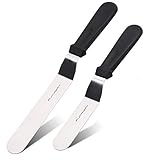
- Offset Spatula (for smoothing custard layers without disturbance)
- Piping Bag fitted with a star nozzle (for elegant garnish)
- Freezer Space (for quick setting)
- Stabilizing Agent (gelatin or cream cheese for firmness)
Step-by-Step Directions (Achieving Sharp Lines):
- Ensure Components are Cold: Confirm that custard, jelly, and whipped cream are thoroughly chilled before starting the assembly (this is crucial for preventing layer bleed).
- Anchor the Base: Begin with the heaviest, most stable layer (usually soaked cake), pressing it firmly into the base to eliminate air pockets.
- Add the Jelly: Pour the jelly only after the cake is anchored. Immediately refrigerate for 2-4 hours to allow the gelatin to set fully.
- Smooth the Custard: Carefully spoon the custard onto the set jelly, starting in the center and working outwards with a thin offset spatula; avoid touching the jelly layer directly to maintain the sharp separation.
- Pipe the Cream: Instead of spreading, pipe the final layer of whipped cream using a large star nozzle. This creates structural height and minimizes the risk of the cream collapsing into the underlying layers.
- Final Chill: Return the finished trifle to the refrigerator for a final 4-6 hour chill to allow the layers to fully set and bond.
- Pro-Tip: Use slightly stale cake for the base. Stale cake absorbs soaking liquid (sherry, juice, or coffee) more effectively and evenly, ensuring the cake becomes moist and flavorful without compromising its structural integrity or turning into a mushy bottom layer.
6. Prepare the Foolproof Make-Ahead Trifle Recipe

Pin this time-saving make-ahead guide to your ‘Stress-Free Holiday Meal Planning’ board!
A make ahead christmas trifle recipe is the ideal solution for reducing holiday stress, as most components (cake, custard, jelly layers) can be prepared and assembled up to two days in advance. The key is understanding the relationship between stabilized layers and storage, ensuring freshness and structure on the day of service.
Components Needed for Advance Prep:
- Sponge Cake Base (soaked and anchored)
- Fully Set Jelly Layer (gelatin setting points reached)
- Thick Custard Layer (fully chilled, emulsion stability in whipped cream)
- Plastic Wrap (to seal and prevent moisture loss)
- Fruit Juice/Sherry (must be absorbed fully)
Step-by-Step Directions (Staging the Assembly):
- Prepare Cake and Custard (Day 1): Bake the cake and prepare the custard from scratch, allowing both components to cool completely before chilling separately in the refrigerator.
- Infuse and Set Base (Day 2): Soak the cake with liquor or juice, layer with the prepared jelly, and chill until fully set (minimum 4 hours, preferably overnight).
- Add Middle Layers (Day 2 or 3): Gently spoon the chilled custard and fruit layers onto the set base, ensuring careful technique to maintain separation.
- Wrap and Chill: Cover the bowl tightly with plastic wrap directly touching the top custard layer to prevent a skin from forming and return to the refrigerator (can store up to 2 days).
- Final Touches (Serving Day): Just 1-2 hours before serving, whip the fresh cream and decorate the top with fresh fruit and garnishes.
- Pro-Tip: Do not add the final whipped cream layer or fresh, delicate fruit garnishes until the day of service, as cream can deflate and fresh berries can weep moisture overnight, compromising the overall appearance and causing sogginess.

7. Display Your Holiday Spirit with Mini and Individual Trifle Cups

Pin this elegant individual dessert idea to your ‘Holiday Party Desserts’ board!
Individual christmas trifle recipes offer an elegant and convenient presentation method for party desserts, ensuring precise serving sizes and minimal mess compared to scooping from a large bowl. The key to mini trifle success is using piping techniques to ensure the vertical layers remain clean and visible in the narrow glass vessels.
Materials Needed (Individual Trifle Assembly):
- 12-16 clear mini dessert cups or mason jars (ideal for party desserts)
- Piping bag (or Ziploc bag with corner snipped)
- Sponge Cake (cut into smaller cubes)
- Custard, Jelly, Cream (all components made thicker than for a large trifle)
- Small fresh fruit (e.g., raspberries, pomegranate seeds)
Step-by-Step Directions (Small-Scale Assembly):
- Line the Tools: Prepare the thick components (custard, cream) by placing them into individual piping bags. This is essential for clean vertical layering in narrow glasses.
- Layer Cake Base: Place 1-2 cubes of cake at the bottom of each glass. Drip the soaking liquid sparingly onto the cake (osmotic effects on fruit in trifle).
- Pipe the Jelly: Pipe a thin layer of chilled, slightly soft jelly over the cake using the piping bag. Wait 30 minutes for it to firm up in the glass.
- Pipe the Custard: Pipe the custard layer directly on top of the jelly.
- Repeat and Chill: Repeat the process with the remaining cake and layers, ensuring each layer is visible. Chill the individual trifles for 2 hours.
- Garnish Immediately: Garnish the top just before serving with a flourish of piped cream and a small, vibrant piece of fruit.
- Pro-Tip: To prevent small portions from looking messy, ensure all components (especially the cream) are piped rather than spooned. Piping ensures a uniform distribution and helps maintain the sharp, elegant lines necessary for individual presentation.

8. Resolve Common Trifle Issues: Preventing Soggy Cake and Runny Custard

Pin this critical troubleshooting guide to your ‘Baking Disaster Avoidance’ board!
Trifle troubleshooting focuses on managing the liquid-absorbing capacity of the sponge cake and stabilizing the thickening agents in the custard. Soggy bases and runny custard are the two most common failures, both easily solved by adhering to precise measurements and proper chilling protocols, relying on scientific baking principles.
Common Problem Components:
- Sponge Cake (too much liquid absorption)
- Custard (incorrect thickening agent or cooking temperature)
- Jelly (not fully set before layering)
- Fruit (high water content, osmotic effects)
Step-by-Step Directions (The Fixes):
- Measure Soaking Liquid Precisely: Infuse the cake base by drizzling liquid slowly. The goal is moist, flavorful cake, not swimming cake. Use 1 part liquid per 4 parts cake (by volume).
- Set the Jelly Hard: Always use slightly less water than the package calls for when making the gelatin. This guarantees a firmer set, preventing the jelly layer from weeping into the cake base.
- Thicken Runny Custard: If homemade custard is runny, mix 1 tablespoon of cornstarch with 2 tablespoons of cold water, then slowly whisk this slurry back into the simmering custard until it noticeably thickens (emulsification properties of egg yolks in custard).
- Remove Excess Fruit Moisture: Before adding fresh berries or fruit to the trifle, macerate them lightly with sugar for 30 minutes, then drain off the resulting liquid before layering.
- Final Chill is Non-Negotiable: If all else fails, a quick 30-minute chill in the freezer can help firm up the entire structure before serving.
- Pro-Tip: If you must use instant pudding for ease, replace a portion of the milk with heavy cream and add 1 teaspoon of vanilla extract. This small change significantly improves the thickness, richness, and emulsion stability of the layer, giving a near-homemade taste and texture.

9. Elevate Presentation with Elegant Garnishes and Toppings

Pin this advanced presentation guide to your ‘Gourmet Dessert Ideas’ board!
Advanced dessert presentation is achieved by focusing on textural contrast, height, and color balance when decorating a christmas trifle. The garnish not only completes the visual appeal but can also add advanced flavor pairing elements, such as the sharp sweetness of candied citrus peel complementing fresh berries.
Topping Materials & Tools:
- Piping Nozzles (Star tip for structure, plain round tip for uniform dots)
- Fresh Fruit (e.g., raspberries, pomegranate seeds – provides textural contrast)
- Chocolate Shavings (created with a vegetable peeler)
- Candied Citrus Peel (artisanal dessert appeal)
- Shredded Coconut (optional snow effect)
- Mint Sprigs (fresh green color, complements flavor)
Step-by-Step Directions (Garnish Execution):
- Pipe the Whipped Cream Base: Use a large star nozzle to pipe a defined border around the edge of the trifle and create structural peaks in the center, giving the topping height.
- Add the Anchor Garnish: Arrange the largest, most structural garnishes first (like whole strawberries or larger citrus peels) to anchor the design.
- Introduce Contrasting Color: Scatter smaller, vibrant elements like raspberries or pomegranate seeds around the base of the cream peaks for a visual pop.
- Create Texture: Dust the cream lightly with powdered sugar (snow effect) or sprinkle with chocolate shavings or finely chopped nuts to add textural complexity.
- Apply the Final Element: Place a small, fresh sprig of mint or a delicate piece of candied ginger right before serving for a touch of elegance and advanced flavor pairing.
- Maintain Chill: Return the garnished trifle to the refrigerator until the very moment of presentation.
- Pro-Tip: For a gourmet dessert touch, dip the tips of a few fresh raspberries in melted white chocolate and allow them to set. This prevents the berries from weeping onto the cream and adds an elevated, professional touch to the final presentation.

FAQs About christmas trifle recipes
What are the layers in a traditional Christmas trifle?
A traditional Christmas trifle features five essential layers: a base of cake or sponge (often soaked in sherry), a fruit or jelly layer, a thick vanilla custard, fresh fruit pieces, and a generous topping of stabilized whipped cream. The order is crucial, typically starting with the soaked sponge at the bottom to anchor the dessert. The custard and jelly layers must be fully set before the whipped cream is applied, which ensures the beautiful, distinct layering associated with this culinary classic.
Can you make Christmas trifle the day before serving?
Yes, Christmas trifle is an excellent make-ahead dessert and benefits greatly from being prepared one or two days in advance to allow the flavors to fully meld. However, for the best presentation, it is recommended to stop assembly just before the final whipped cream and fresh garnish layer. Store the partially assembled trifle tightly covered in the refrigerator. The final topping should be added no more than two hours before serving to ensure the cream remains fresh, firm, and structurally intact.
Is Christmas trifle always alcoholic, and what are the best substitutes?
No, Christmas trifle is not always alcoholic; while the classic English version is traditionally infused with sherry or brandy, many popular modern and family recipes omit the alcohol. The best substitutes for the soaking liquid are sweet fruit juices like white grape juice, apple juice, or even a strong cold coffee for chocolate variations. These liquids provide the necessary moisture and flavor infusion to the sponge cake without the alcohol, resulting in a delicious and family-friendly dessert.
How can I prevent the cake layers from getting soggy?
To prevent the cake layers from becoming soggy, use a dense sponge cake (like pound cake or genoise) rather than a light angel food cake, and be very precise with the soaking liquid. Drizzle the sherry or juice slowly, aiming for dampness, not saturation. Crucially, ensure the gelatin or jelly layer is entirely firm and set before adding the custard on top; this barrier prevents excess moisture migration down to the cake base, which is a major cause of structural failure in layered desserts.
What is the difference between English and Christmas trifle?
The primary difference is the seasonality and the ingredients used; a traditional English trifle is a culinary classic made year-round with plain sponge cake, fresh seasonal fruit, custard, and sherry. A Christmas trifle is a festive variation that emphasizes holiday colors and flavors, often incorporating red velvet cake, gingerbread, chocolate, peppermint, or seasonal cranberries. Both share the layered structure, but the Christmas version prioritizes a more visually vibrant and decadent flavor profile to suit the holiday table.
What is the best kind of cake to use for trifle?
The best cake for trifle is a dense sponge, such as pound cake, Madeira cake, or a firm sheet cake, as these varieties maintain their structural integrity better than light, airy cakes. Angel food cake is also suitable for non-alcoholic, lighter versions. Avoid highly perishable or unstable cakes. The cake should be able to absorb the necessary soaking liquid (like juice or sherry) without disintegrating or becoming too soggy, ensuring the layered structure remains firm.
How do I make the custard thick and stable for layering?
To ensure the custard layer is thick and stable, it should be made from scratch using tempered egg yolks and cornstarch or a high-quality instant pudding made with heavy cream instead of all milk. When making homemade custard, proper tempering techniques prevent curdling and provide necessary emulsion stability. If using instant pudding, ensuring the liquid is very cold and allowing the mixture to chill for at least 30 minutes before assembly will guarantee a firm, pipeable consistency.
Can I use different flavors of cake in a Christmas trifle?
Yes, the versatility of the Christmas trifle allows for vast customization, making it ideal for incorporating different cake flavors to match holiday themes. Popular festive variations include red velvet cake (for color), gingerbread (for spice), or even chocolate brownies (for richness). When using alternatives, ensure the cake’s density is maintained and the soaking liquid’s flavor complements the chosen cake and cream/custard components, demonstrating advanced flavor pairing.
How long does Christmas trifle last in the refrigerator?
When properly assembled and stored in an airtight container or tightly covered, a Christmas trifle typically lasts between 3 to 4 days in the refrigerator. The shelf life extension depends significantly on the freshness of the dairy components and the fruit used; highly acidic or watery fruits (like kiwi or pineapple) may hasten spoilage and weeping. Always ensure the final whipped cream topping is fresh, and inspect the dessert for any signs of separation or liquid pooling before serving.
What is the ideal size for a trifle bowl for a family gathering?
For a typical family gathering of 8 to 12 people, an ideal trifle bowl size is generally 3 to 4 quarts (96 to 128 ounces), allowing for visible, impressive layering. Choosing a clear, deep glass bowl is critical for showcasing the stunning visual effect of the layered dessert. For larger crowds, consider assembling two 3-quart bowls or using individual mini trifle cups, which are often preferred for easy serving and presentation at holiday parties.
Final Thoughts on Christmas Trifle
The Christmas trifle is more than just a dessert; it’s a centerpiece that embodies the festive spirit of the holiday season. By moving past the common pitfalls—soggy cake and runny custard—and employing the tested and perfected layering techniques outlined here, you can guarantee a foolproof trifle that impresses every guest at your table this 2026. Remember that success lies in planning: choose a dense cake, use stabilized layers, and ensure proper chilling time. Whether you choose the classic English trifle infused with sherry or a quick no-bake chocolate peppermint variation, this definitive guide provides the foundation for creating your most beautiful and delicious festive dessert yet.
- Stabilize Your Layers First – Ensure jelly and custard are fully set before assembling the next component to avoid layer bleed and achieve perfect lines.
- Prioritize Cake Density – Use dense sponge or brownies, not airy cake, and soak sparingly to prevent the dreaded soggy trifle base.
- Chill is Crucial – A make-ahead Christmas trifle requires a final, long chill (4-6 hours minimum) to allow the structural layers to bond completely.
- Use Quality Ingredients – Opt for homemade custard or high-quality store-bought alternatives to ensure the creamy filling is rich and thick.
- Pipe the Cream – Utilize a piping bag for the final whipped cream layer to add elegant height and better structural integrity, minimizing collapse.
- Customize Your Base – Easily adapt the recipe from boozy traditional sherry to non-alcoholic fruit juice infusions for a family-friendly dessert.
- Layer Light to Heavy – Always place lighter, more delicate layers (like cream) on top of heavier, denser layers (like custard and cake) for stability and visual appeal.
Now that you have the expert christmas trifle guide, which of the 9 stunning recipes will you prepare first for your holiday gathering?
Last update on 2026-07-18 at 21:03 / Affiliate links / Images from Amazon Product Advertising API
