As an Amazon Associate BakingBakewareSets.com earns from qualifying purchases.
9 Proven Nut Butter Egg Substitute Hacks for Baking
Ever start baking, only to discover you’re completely out of eggs? Or perhaps you’re navigating a dietary restriction, searching for reliable plant-based options. Finding an effective nut butter egg substitute can transform your baking. This powerful alternative offers a solution to keep your kitchen adventures going, ensuring no recipe is out of reach.
Nut butter acts as a reliable egg substitute in baking by providing essential fat, moisture, and binding properties, best suited for dense baked goods like cookies and brownies. The standard replacement ratio is 3 tablespoons (60-70 grams) of creamy nut butter per one large egg. This simple swap helps maintain structure and richness, especially in egg-free recipes.
Drawing from comprehensive analysis of current data and proven methodologies, this guide unpacks the science behind successful egg replacement. Nut butter, with its unique composition, offers a powerful vegan binding solution. You’ll discover 9 tested hacks to achieve perfect texture and flavor in your egg-free creations.
☰ Table of Contents ▼
show
Nut Butter as Egg Substitute: Your Ultimate Baking Solution
When it comes to nut butter egg substitute baking, understanding the foundational principles is crucial for successful egg-free baking. Eggs play multiple roles in recipes, primarily acting as a binder, emulsifier, and a source of moisture and fat. Nut butter, especially creamy varieties, effectively mimics these functions by offering a sticky binding quality and a significant fat content. This makes it a standout among vegan egg substitutes for achieving desirable textures in dense recipes.
The standard nut butter egg replacement ratio is 3 tablespoons of creamy nut butter for every one large egg. This simple nut butter egg substitute method works best in recipes where the egg’s primary role is binding and adding moisture, rather than extensive leavening. Think delicious cookies brownies or hearty dense quick breads. This approach ensures your baking egg replacers contribute essential fat and structure, providing a rich egg replacement that holds ingredients together beautifully without compromising the overall texture. Leveraging this knowledge helps you confidently use nut butter for egg in baking, turning a potential baking dilemma into an opportunity for delicious innovation.
9 Proven Nut Butter Egg Substitute Hacks for Baking

Pin this genius hack to your ‘Vegan Baking Must-Try’ board!
Creamy almond butter is an excellent choice for a creamy egg substitute when you want to replace one egg, especially for achieving that perfect chewy cookie texture. Its high fat content perfectly mimics the richness of egg yolks, contributing to a soft, moist crumb. When learning how to make eggless cookies with nut butter, almond butter provides the necessary binding and moisture, ensuring your cookies hold together beautifully while delivering a delightful chewiness that often surpasses traditional egg-based recipes. This makes it a versatile substitute in many sweet treats.
What You Need
- 3 Tablespoons (approx. 60g) creamy almond butter (natural, unrefined, high-oil content)
- 1 Large Egg Equivalent
- Small mixing bowl and spatula
- Digital kitchen scale for precise measurement (highly recommended for best results)
Step-by-Step Directions
- Measure Accurately: Use a digital scale to precisely measure 60g of creamy almond butter for each egg you need to substitute.
- Loosen Consistency: Before adding to the batter, lightly mix the measured nut butter to ensure uniform consistency (this helps it incorporate easily).
- Creaming Method: Incorporate the almond butter directly with the wet ingredients (sugar, vegan butter, vanilla) during the creaming stage, mixing until fully integrated.
- Baking Adjustment: Expect the dough to be slightly softer. Chill the dough for 30 minutes before baking to help the fat set and prevent spreading.
Pro-Tip: The goal when using almond butter is replicating the fat emulsification in plant-based baking. If your batter seems slightly too dry, do NOT add extra liquid; instead, slightly reduce the flour (by 1-2 tablespoons) to maintain the fat-to-dry ratio required for chewiness.

2. Using Smooth Peanut Butter for Intense Flavor in Chewy Brownies

If you’re out of eggs, swap to this hack and save it for later!
When considering peanut butter egg swaps, its strong, distinctive flavor and sticky binding properties nut butter offers make it perfect for brownies. Learning how to use peanut butter as egg substitute in brownies ensures a rich, fudgy texture with a delightful nutty undertone. This method capitalizes on the robust chocolate flavor of brownies to complement and balance the taste of nut butter. It’s an ideal choice for dense baked goods with nut butter, where its natural oils and protein provide a rich egg replacement without a crumbly texture.
What You Need
- 3 Tablespoons (approx. 70g) smooth, natural peanut butter (avoiding hydrogenated oil types)
- 1 Large Egg Equivalent
- Your favorite brownie recipe base
- Extra cocoa powder or melted chocolate (optional, for flavor boost)
Step-by-Step Directions
- Choose Wisely: Select a smooth peanut butter without added sugars or chunks, as extra solids can affect the fudgy consistency.
- Heat Gently: Warm the peanut butter slightly (5-10 seconds in the microwave) to make it easier to incorporate into the melted butter/sugar mixture, ensuring it acts as a cohesive emulsifier.
- Offsetting Flavor: If a dominant peanut flavor is a concern, increase the amount of vanilla extract or add a teaspoon of instant espresso powder to the batter.
- Mix Thoroughly: Blend the nut butter with the wet ingredients until no streaks remain, then proceed with adding dry ingredients. The batter will be very thick, which is desired for fudgy brownies.
Pro-Tip: Using peanut butter enhances the thermal stability of nut butter proteins, contributing to the desirable dense, chewy center often sought in brownies, minimizing the risk of a dry or crumbly texture.

3. Cashew Butter for Neutral Flavor in Quick Breads and Muffins

Need a neutral binder? Pin this cashew butter substitution guide!
For dense quick breads and delicate muffins, cashew butter egg replacement is unparalleled for its neutral flavor. Unlike other nut butters, cashew butter offers a mild taste, making it a neutral flavor egg substitute that won’t overpower the main notes of your bake. This makes it a versatile nut butter egg option, excellent for recipes where the primary entity’s flavor should remain subtle. It’s particularly useful when replacing eggs in baking with almond butter for moist cakes or quick breads where a light, unhindered flavor profile is desired.
What You Need
- 3 Tablespoons (approx. 65g) unsalted, raw cashew butter (best for minimal flavor change)
- 1 Large Egg Equivalent
- Baking powder or soda (ensure proper leavening aid alternative)
- Flavor extracts (vanilla, almond, lemon)
Step-by-Step Directions
- Prioritize Unsalted: Use unsalted cashew butter to adjust the overall sodium content of the quick bread precisely.
- Gentle Mixing: Mix the cashew butter into the batter until just combined. Over-mixing can activate gluten, leading to a tough, dense result—avoid this, especially with quick breads.
- Boost Leavening: Due to the weight of the nut butter, slightly increase the chemical leavening agents (baking powder or soda) by about 1/4 teaspoon per egg substituted, ensuring proper volume and lift.
- Bake Longer: Quick breads made with nut butter may require an additional 5-10 minutes of baking time due to the high moisture and fat content. Check doneness carefully with a toothpick.
Pro-Tip: Cashew butter’s rheological properties make it an excellent choice for a uniform crumb structure. For the best flavor neutrality, choose raw cashew butter over roasted, which has a more pronounced nutty taste.

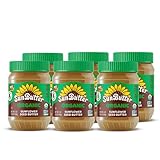
4. Sunflower Seed Butter for Allergen-Friendly and Nut-Free Egg Replacement

Allergy-friendly baking starts here—pin this nut-free egg replacer hack!
For those navigating allergies, sunflower seed butter is an indispensable allergen-friendly nut butter for replacing eggs. This nut butter alternative for eggs ensures a safe and delicious outcome, providing the necessary binding and moisture without any tree nuts or peanuts. It’s a fantastic dairy free egg substitute nut butter that functions as a strong plant based binder, making vegan and allergy-safe baking accessible to everyone. The only unique consideration is its interaction with leavening agents.
What You Need
- 3 Tablespoons (approx. 60g) sunflower seed butter (smooth or creamy variety)
- 1 Large Egg Equivalent
- Acidic component (lemon juice, vinegar, or cream of tartar)
- Allergen-friendly baking environment supplies
Step-by-Step Directions
- Incorporate as Binder: Utilize the sunflower seed butter directly with the wet ingredients to act as a sticky binding agent.
- Neutralize Color: To prevent the baked goods from turning green (a harmless but aesthetically unappealing reaction between the chlorogenic acid in the seeds and the leavening agents), add 1/2 teaspoon of an acidic component (lemon juice or vinegar) to the batter.
- Adjust Richness: Sunflower seed butter is slightly less fatty than almond or peanut, so you may need to add a tablespoon of plant milk or vegan butter if the batter seems too stiff.
- Best Applications: This works best in heartier cookies, quick breads, and bars where the robust seed flavor is welcome.
Pro-Tip: The goal is to provide a reliable, allergy-friendly nut butter replacement. The addition of a small amount of vinegar helps the dough maintain its intended color throughout the baking process without negatively impacting the flavor or structural integrity of nut-based baked goods.
5. Whipping Nut Butter for Added Air and Leavening in Cakes

Want a fluffier cake? Save this advanced whipping hack!
A common challenge in egg-free baking is achieving perfect rise without eggs. While nut butter adds fat structure and binds, it doesn’t typically provide much lift on its own. This advanced hack involves whipping nut butter with sugar and fat to mechanically incorporate air, mimicking the leavening function of eggs. This technique is key to preventing overly dense baked goods and ensures how to ensure proper rise with nut butter egg substitute. It directly addresses protein coagulation in eggless systems by substituting mechanical aeration for the structural support eggs provide.
What You Need
- 3 Tablespoons (approx. 60g) creamy refined coconut oil (or vegan butter, for a lighter texture)
- 1 Large Egg Equivalent in Nut Butter (cashew or almond recommended)
- Granulated sugar (as per recipe)
- Electric hand mixer or stand mixer
Step-by-Step Directions
- Cream the Substitute: Instead of simply blending the nut butter, begin the recipe by thoroughly whipping the nut butter with the sugar and softened vegan butter or coconut oil until the mixture is visibly lighter and fluffier—usually 2-3 minutes.
- Scrape Down: Stop the mixer frequently to scrape down the bowl, ensuring the nut butter is evenly incorporated and maximum air is introduced.
- Slow Addition: Incorporate liquid ingredients (plant milk, extracts) slowly, mixing only until combined to avoid deflating the air pockets you have created.
- Gentle Folding: When adding the flour, fold gently. This mechanical aeration is key to preventing dense baked goods without eggs.
Pro-Tip: This advanced technique helps compensate for the lack of protein coagulation in eggless systems. The air incorporated during creaming mimics the early stabilizing function of eggs, contributing significantly to final cake volume and crumb.

6. Adjusting Batter Consistency with Liquid for Moister Muffins

Avoid dry muffins! Pin this liquid-adjustment trick to your baking hacks board.
One common problem in egg-free baking is achieving the right batter consistency, leading to moistness issues in eggless cakes and muffins. Nut butter is much thicker than an egg, and simply swapping it without adjustment can result in dry, dense baked goods. This hack provides crucial tips for adjusting liquid content when using nut butter as an egg alternative. By carefully adding a small amount of extra liquid, you can ensure the nut butter replaces liquid effectively, achieving a perfectly moist and tender crumb in your muffins.
What You Need
- 3 Tablespoons (approx. 60g) Nut Butter (any creamy variety)
- 1 Large Egg Equivalent
- 1 Teaspoon Plant Milk or Water (extra liquid required adjustment)
- Digital kitchen scale for measurement
Step-by-Step Directions
- Substitute and Observe: Mix the 3 tablespoons of nut butter into the wet ingredients as usual. Observe the batter consistency—nut butter often makes the batter stiffer than eggs would.
- Add Liquid Incrementally: Add one teaspoon of plant milk (dairy-free milk is preferred) or water for every egg substituted to slightly thin the batter.
- Target Consistency: The final batter should drop from the spoon, but not run. Avoid making the batter too thin, as this can impede setting and binding.
- Bake Immediately: Transfer the adjusted batter into muffin tins and bake immediately to capitalize on the leavening agents before they dissipate.
Pro-Tip: For the best results when tackling moistness issues in eggless cakes and muffins, use a digital scale. Accurately measuring the added liquid (by weight, if possible) ensures you are compensating for the thick consistency of the nut butter without making the batter too weak.

7. Troubleshooting Dense Results: The Fat vs. Binding Balance

Is your bake too dense? Pin our troubleshooting guide to fix your texture!
Preventing dense baked goods without eggs is a common struggle for many bakers. While nut butter provides essential fat and binding, its inherent weight and richness can lead to heavy results if not carefully balanced with dry ingredients and leavening. This section focuses on how to avoid dense baked goods when using nut butter by understanding the delicate fat structure balance. It’s all about balancing texture without eggs and ensuring your fatty egg replacer supports, rather than hinders, the lift of your baked goods.
What You Need
- Nut Butter substituted recipe that resulted in a dense bake
- Extra gluten-free flour blend (or all-purpose flour)
- More Leavening Agent (baking powder/soda)
- Acidic Liquid (lemon juice or vinegar)
Step-by-Step Directions
- Analyze: If the resulting bake is dense, it likely means the nut butter’s weight and high fat content overwhelmed the leavening.
- Increase Dry/Lift: In your next attempt, increase the baking powder by 1/4 teaspoon per egg, and add 1-2 tablespoons of flour to the dry ingredients (the dry flour absorbs some of the nut butter’s excess oil).
- Acid Interaction: Ensure an acidic component (like vinegar or lemon juice) is present to activate the baking soda, guaranteeing the necessary lift to overcome the dense base.
- Mix Minimally: Follow the minimal mixing rule strictly to avoid excessive gluten development, which always leads to tougher, denser products.
Pro-Tip: The key to preventing dense baked goods without eggs lies in controlling the liquid-to-solid ratio. For light cakes, consider pre-whipping the nut butter (Hack #5) and use a low-fat nut butter, compensating for the lost fat with a lighter oil if necessary.

8. Using High-Oil, Unstirred Nut Butters for Rich, Moist Cakes and Bars

Secret to ultra-moist vegan bars? Pin this high-oil nut butter hack!
For those seeking exceptional moisture and richness, especially in dense baked goods with nut butter, intentionally selecting a high fat egg substitute is key. Unstirred natural nut butters, with their visibly separated oil layer, are a goldmine for this purpose. Utilizing the oil-rich portion directly adds moisture and contributes richness, effectively making the nut butter work best where a plant based egg alternative needs to deliver intense fat. This hack significantly enhances the mouthfeel, creating fudgy bars and incredibly moist cakes.
What You Need
- 3 Tablespoons (approx. 60g) Unstirred Natural Nut Butter (use the oil-rich top layer)
- 1 Large Egg Equivalent
- Powdered Sugar or Vegan Coconut Sugar (for better moisture retention)
- Baking pan for bars
Step-by-Step Directions
- Source High Oil: Use a natural, refrigerated nut butter that has separated. Scoop directly from the top, capturing the higher concentration of natural oil.
- Prioritize Fat: This hack is designed for recipes where fat is the primary required function of the egg, creating an ultra-moist result suitable for dense bars, substituting for the richness of egg yolks.
- Use Less Liquid: Since you are maximizing the oil content of the nut butter, slightly reduce any other added liquid (water, milk) by 1-2 teaspoons to maintain proper consistency and binding.
- Chill Before Cutting: After baking, ensure the bars or cake are completely cooled and preferably chilled before cutting. This allows the high fat content to set, improving the final texture and structural integrity.
Pro-Tip: Utilizing the separated oil from unstirred nut butter significantly increases the fat emulsification in plant-based baking. This method is effective for replacing up to two eggs in a recipe, but beyond that, the resulting bake may be too oily or fail to set properly.

9. Incorporating Roasted Nut Butters for a Deep, Caramelized Flavor Boost

Boost your next bake’s flavor! Pin this roasted nut butter swap!
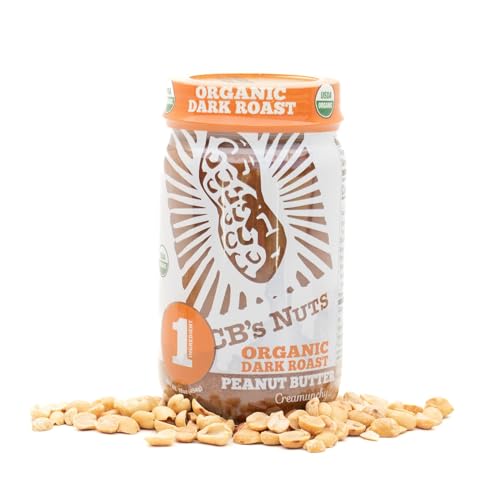
For an intentionally flavorful egg alternative, integrating roasted nut butters (like peanut or hazelnut) can add a deep, caramelized dimension to your baked goods. This goes beyond simply replacing eggs; it’s about leveraging the unique taste of nut butter to enhance the overall flavor profile. Roasted nut butters flavor is more intense due to the Maillard reaction during roasting, making them an excellent choice when you desire a prominent nutty, rich, or even slightly smoky note in your treats. This hack allows you to utilize the nut butter as a powerful flavor enhancer and binder.
What You Need
- 3 Tablespoons (approx. 70g) Roasted Nut Butter (peanut or hazelnut recommended)
- 1 Large Egg Equivalent
- Spices like cinnamon or nutmeg (to complement the deep flavor)
- Dark brown sugar (for increased caramelization)
Step-by-Step Directions
- Intentional Flavor: Choose roasted nut butter when the resulting flavor profile is desired (e.g., in pumpkin bread, chocolate cookies, or spiced muffins).
- Pre-Mix: Thoroughly mix the nut butter with any oil or vegan butter in the recipe before adding the remaining wet ingredients.
- Enhance Browning: The slightly higher sugar and protein content of roasted nut butters can enhance surface browning. Brush the top of quick breads with a touch of plant milk before baking to maximize this effect.
- Storage Note: Baked goods made with roasted nut butters may dry out slightly faster due to the lower moisture content of the roasted nuts. Store in an airtight container at room temperature.
Pro-Tip: Utilizing roasted nut butters allows for deeper, more complex flavors. This choice is an active decision to enhance the flavor profile, contrasting with neutral binders. Understand that the fatty egg replacer may require slightly more liquid due to the roasting process reducing the original moisture content of the nut.
Nut Butter vs. Flax Egg: Choosing the Right Vegan Binder
Nut butter is superior to flax egg when richness, fat, and moisture are required, such as in cookies and brownies, due to its high fat content. Flax egg is better for simple binding and recipes requiring lift, like pancakes or quick breads. Understanding the differences between nut butter vs flax egg is crucial for successful vegan baking. While both are effective vegan baking ingredients and comparing egg replacers is common, they serve distinct purposes. Nut butter contributes fat, richness, and density, making it a fantastic effective egg binder. Flax egg, on the other hand, is a pure binding agent with no fat, derived from its mucilage. This knowledge is essential for choosing the best nut butter for egg replacement or another top egg substitute for baking based on your recipe’s needs.
Comparison of Top Vegan Egg Substitutes
- Nut Butter (Almond, Peanut, Cashew):
- Pros: Adds fat, richness, moisture, and binding (effective egg binder). Results in a dense, chewy texture. Highly flavorful. Ideal for replacing up to 2 eggs.
- Cons: Imparts strong flavor; risk of dense, heavy results if not adjusted with liquid. Not suitable for light, airy cakes.
- Best For: Cookies, brownies, dense quick breads, bar recipes.
- Ratio: 3 tablespoons per 1 egg.
- Flax Egg (Flaxseed Meal & Water):
- Pros: Pure, effective natural binding agent due to mucilage. Neutral flavor. Low fat, low calorie. Provides fiber.
- Cons: Provides no fat or richness; can result in a slightly gummy texture. Not suitable for recipes requiring significant fat or leavening (e.g., cakes).
- Best For: Muffins, bread, pancakes, simple binders.
- Ratio: 1 tablespoon flax meal + 3 tablespoons water (rest for 5 minutes).
- Mashed Banana/Applesauce:
- Pros: Provides tremendous moisture and natural sweetness. Good for binding.
- Cons: Adds significant fruit flavor; results in a dense, spongy texture. High moisture content requires liquid reduction.
- Best For: Whole wheat quick breads, muffins, spice cakes.
- Ratio: 1/4 cup per 1 egg.
- Commercial Egg Replacer Powder (e.g., Ener-G, Bob’s Red Mill):
- Pros: Functionally versatile; generally neutral in flavor; optimized for leavening.
- Cons: Expensive; highly processed. Requires careful adherence to package ratios.
- Best For: Versatile usage across many recipes.
FAQs About Nut Butter Egg Substitute
Can nut butter substitute eggs in all baking recipes?
Nut butter is an effective egg substitute, but it performs best in dense, low-rise baked goods where binding and fat are the primary requirements, such as cookies, brownies, and quick breads. It is generally not recommended for light, airy recipes like angel food cakes or chiffon cakes, as it lacks the protein structure necessary to create significant lift and volume, leading to a denser result. For multi-layer cakes, nut butter can be used, but supplemental leavening is often required.
How much nut butter replaces 1 egg in a standard recipe?
The accepted, proven ratio for substituting one large egg with nut butter is 3 tablespoons (approximately 60 to 70 grams) of creamy nut butter. This quantity balances the binding properties and fat content of the nut butter to mimic the function of a single egg. Consistency is key, so ensure you use a smooth, creamy variety rather than chunky, and adjust the recipe’s liquid component slightly (add 1 teaspoon of liquid) to compensate for the nut butter’s thickness.
Does nut butter change the flavor of the final baked goods?
Yes, nut butter will impart its characteristic flavor to the finished product, which can range from subtle to dominant depending on the type used and the recipe. Peanut butter and roasted almond butter offer the strongest flavors, making them excellent choices for chocolate or spiced recipes. Cashew butter is the most neutral option, ideal when minimizing flavor alteration is critical, such as in vanilla or delicate fruit bakes.
What kind of nut butter is best for a neutral flavor substitute?
Unsalted, raw cashew butter or sunflower seed butter (when managed for color) are the best choices for achieving a neutral flavor profile when replacing eggs. Cashew butter naturally has a milder, less pronounced flavor than peanut or roasted almond butter, ensuring the final baked good’s intended flavor (like lemon or vanilla) remains the star. Always choose smooth, creamy, and unsalted varieties for optimal blending and flavor control.
How does nut butter affect the texture of the baked goods?
Nut butter significantly contributes fat and moisture, resulting in a distinctly dense, chewy, or fudgy texture in the final baked good, compared to the springier, lighter texture provided by eggs. This is due to the lack of the egg’s protein coagulation and the high concentration of fat. It excels in creating the highly desirable chewy texture in cookies and the dense fudginess sought in gourmet brownies and bars.
Can I use nut butter to replace multiple eggs in a single recipe?
Nut butter can successfully replace up to two eggs in most standard recipes, but substituting more than two eggs becomes challenging due to the resulting heaviness and density. When replacing more than two eggs, the nut butter’s weight and fat content may prevent the batter from rising sufficiently, leading to an extremely dense or gummy result. For recipes calling for three or more eggs, use a combination of substitutes like nut butter for binding and a commercial egg replacer for leavening.
Is nut butter a healthier egg substitute than eggs?
Nut butter is a plant-based, dairy-free, and cholesterol-free alternative that can be part of a healthy diet, offering protein, healthy fats, and fiber, unlike eggs. However, nut butter significantly increases the fat and calorie count of the baked goods. Whether it’s “healthier” depends entirely on the specific dietary goals (veganism, cholesterol management, or calorie restriction). It is a nutrient-dense swap, but recipes will require adjustment.
What are the disadvantages of using nut butter instead of eggs?
The primary disadvantages of using nut butter as an egg substitute are the introduction of a strong, distinctive flavor, and the risk of producing overly dense, flat, or heavy baked goods. Furthermore, nut butter is unsuitable for any recipe relying on the egg’s leavening property (like whipped egg whites) and must be avoided by individuals with nut allergies, necessitating the use of sunflower seed butter.
How do I store baked goods made with nut butter egg substitute?
Baked goods made with nut butter as an egg substitute tend to have an excellent shelf life due to the high fat content, which locks in moisture and prevents staling. Store cookies and quick breads in an airtight container at room temperature for 3-5 days, or refrigerate for up to a week. The high fat content also makes them excellent candidates for freezing for several months.
What is the science behind nut butter acting as an egg substitute?
The success of nut butter as an egg substitute lies in its ability to mimic the emulsification and binding functions of the egg yolk, primarily through its high fat and protein content. Eggs contain lecithin, a powerful emulsifier. While nut butters don’t contain lecithin, their concentration of natural oils and finely ground solids creates a similar effect, helping to hold the water and fat in the batter together, thus providing structure and binding.
Final Thoughts on Nut Butter Egg Substitute
Nut butter stands out in the realm of vegan baking as one of the most reliable and readily available egg substitutes. By harnessing its natural capacity to act as a sticky binder and potent source of fat, you can effortlessly replace up to two eggs in most dense baked goods, ensuring the final product is rich, moist, and delightfully chewy. The core challenge is always maintaining the delicate balance of fat and liquid to avoid density, which is achieved through careful adherence to the 3-tablespoon ratio and slight liquid adjustment.
Remember that success in substituting eggs with nut butter requires intentionality: choose your nut butter based on the flavor profile you desire—cashew for neutral, peanut for intense—and always utilize the proven egg replacement methods detailed here. With these 9 proven hacks and a focus on proper ingredient attributes, you are now equipped to conquer your egg-free baking challenges and create truly delicious vegan treats that don’t compromise on texture or flavor.
What is your favorite recipe to test new egg substitutes in? Share your results and your preferred nut butter in the comments below!
Last update on 2026-08-24 at 13:00 / Affiliate links / Images from Amazon Product Advertising API
