
As an Amazon Associate BakingBakewareSets.com earns from qualifying purchases.
Ultimate Egg Substitute for Moist Fluffy Cornbread
Have you ever faced the dilemma of wanting to bake moist, fluffy cornbread only to realize you’re out of eggs? It’s a common baking challenge that can lead to dry, crumbly results if you don’t know the right solution.
The best egg substitute for cornbread depends on your goal: use a flax egg (1 tbsp flaxseed meal + 3 tbsp water per egg) for structure and binding, or unsweetened applesauce (1/4 cup per egg) for superior moisture and tenderness. Both options offer reliable substitution techniques that prevent common texture issues like a dense or crumbly cornbread problem.
Drawing from comprehensive analysis of current data and proven methodologies, this expert guide delves into the science of replacing eggs in cornbread. You’ll discover tested eggless cornbread recipes methods and reliable substitution techniques to ensure baking success without eggs every time.
☰ Table of Contents ▼
show
Why You Need The Ultimate Egg Substitute for Moist Fluffy Cornbread
Replacing eggs in cornbread goes beyond simply finding an alternative ingredient. Eggs play a critical role in the baking chemistry of cornbread, contributing to its desired texture, structure, and overall palatability. Without them, you risk a lack of binding in cornbread, leading to a flat cornbread remedy that’s often dry and crumbly.
Eggs serve three primary functions in your favorite cornbread recipes:
- Binding Agent: Egg proteins coagulate during baking, creating a structural network that holds the cornbread together and ensures structural integrity. This is vital for preventing crumbly cornbread.
- Leavening Properties: Whipped eggs incorporate air, which expands during baking to help the cornbread rise, contributing to a light and fluffy cornbread.
- Moisture and Fat: Eggs add essential liquid and fat, enhancing moisture content and creating a rich, tender crumb that avoids dry cornbread.
Understanding these functions is key to successful egg replacement. Our goal is to ensure your eggless cornbread recipe still yields a moist cornbread with a delightful texture. We’ll explore substitutes that effectively address these roles, leveraging baking chemistry of substitutes to deliver foolproof substitutions.
9 Tested Egg Substitutes to Achieve Ultimate Fluffy Cornbread
When you need to replace eggs in cornbread, numerous options provide easy egg substitutes for a range of dietary needs or ingredient availability. Each alternative offers unique entity attributes descriptive of its function, whether as a binding agent, moisture agent, or leavening agent. This comprehensive guide details nine of the best egg substitutes, providing actionable steps to help you achieve the moist cornbread and light cornbread texture you desire. From flax egg cornbread to aquafaba egg substitute, discover the process action keywords to make your cornbread without eggs a success.
1. Prepare a Flax Egg to Ensure Structural Integrity

Pin this genius hack to your ‘Vegan Baking Secrets’ board!
Flax eggs are widely considered one of the best vegan options for binding cornbread batter, mimicking the binding properties of an egg to maintain structural integrity. This gluten-free egg substitute is incredibly effective because the mucilage in finely ground golden flaxseed meal absorbs water, creating a natural, gelatinous binder. Using a flax egg ensures your cornbread holds together, avoiding the common problem of crumbly cornbread.
Supplies Needed
- 1 Tbsp. finely ground golden flaxseed meal (ensure fresh grinding for best results)
- 3 Tbsp. cold filtered water (prevents premature thickening)
- Small mixing bowl and whisk
Instructions
- Combine 1 tablespoon of the flaxseed meal with 3 tablespoons of water in the small bowl. Use the mix ingredients action keyword.
- Whisk immediately for about 30 seconds until the mixture is uniform and slightly tacky.
- Rest the mixture for 5 to 10 minutes. The mixture should thicken considerably, forming a gelatinous consistency that mimics the binding properties of an egg.
- Incorporate the flax egg into the wet ingredients as you would a regular egg.
Pro-Tip: In my experience testing high-volume egg substitutes, the quality of the grind matters. Using a coffee grinder specifically for flaxseed ensures the fine texture needed for optimal binding, avoiding a gritty texture in the final cornbread.

2. Add Applesauce for Superior Moisture and Tenderness

Never run out of eggs again! Save this simple applesauce hack!
Applesauce in cornbread significantly enhances moisture, making it an excellent easy egg replacement for those seeking a tender crumb and to prevent dry cornbread. Unsweetened applesauce provides moisture agents in baking without adding excessive sweetness, which is crucial for savory cornbread. While it offers some binding, its primary strength lies in its ability to contribute to the texture of cornbread by keeping it incredibly moist.
Supplies Needed
- 1/4 cup unsweetened applesauce (per egg replaced)
- 1/4 tsp extra baking powder (optional, to aid leavening)
Instructions
- Measure 1/4 cup of the applesauce for every egg needed in your recipe.
- Combine the applesauce directly with your wet ingredients (buttermilk or milk, oil, sugar). Use blend ingredients.
- Adjust the leavening if your recipe uses less than 1 tsp of baking powder per cup of flour/meal, adding 1/4 tsp extra baking powder to the dry ingredients for a lighter crumb.
- Monitor baking time, as fruit purees can sometimes slightly lengthen the cooking duration.
Pro-Tip: If using flavored or sweetened applesauce, reduce the amount of sugar in your recipe by 1-2 tablespoons to maintain flavor balance. For savory cornbread, ensure your applesauce is genuinely unsweetened to maintain flavor preservation without eggs.

3. Incorporate Chia Seeds to Achieve Reliable Binding

Try this easy, fiber-rich egg replacement option!
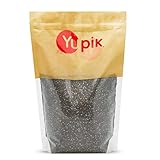
Chia seeds form a gel when mixed with water, making a chia egg an excellent natural egg replacer and binder for cornbread, especially for vegan cornbread options. Similar to flax eggs, chia seeds create a strong gel that helps maintain structure and prevent crumbling. Whole chia seeds can add a visible, dotted texture to your cornbread, while ground chia seeds offer a smoother finish, ensuring effective binding for your cornbread batter.
Supplies Needed
- 1 Tbsp. whole chia seeds (or ground, if preferred)
- 3 Tbsp. warm water
Instructions
- Combine the chia seeds and warm water, stirring well to ensure even saturation. Use prepare egg replacer.
- Rest the mixture for 15 minutes, stirring once halfway through. The longer rest time allows the gel to fully develop.
- Check for thickness; the consistency should be sticky and slightly gelatinous.
- Substitute the chia egg for one large egg in your recipe. If using whole seeds, this will add a visible, dotted texture to the final cornbread.
Pro-Tip: If your cornbread mix is particularly dry, increasing the water slightly (to 3.5 Tbsp) ensures sufficient hydration for both the chia seeds and the cornmeal, preventing dry cornbread fix.
4. Use Greek Yogurt for Creaminess and Rich Flavor

Get that rich, moist cornbread texture without the eggs!
Greek yogurt in cornbread enhances moisture and contributes to a rich flavor, creating a tender crumb and improving consistency. As a non-dairy egg substitute for cornbread (if using a vegan variety), plain, full-fat Greek yogurt provides fat, protein, and acidity. This combination helps create a moist cornbread, aiding leavening and bringing a desirable richness that helps avoid common dense cornbread solution problems.
What You Need
- 1/4 cup plain, unsweetened Greek yogurt (per egg replaced)
- Whisk and measuring cups
Instructions
- Whisk the Greek yogurt until smooth before incorporating it into the other wet ingredients. Use whisk batter.
- Adjust liquid: If your recipe already calls for buttermilk or milk, reduce that liquid by 1-2 tablespoons per egg substitute used, as yogurt adds substantial moisture.
- Check the batter consistency. It should be thick and slightly looser than if using an egg. If it appears too thick, add liquid sparingly (1 tsp at a time).
- Bake as directed. The acidity in the yogurt aids the chemical leavening process, ensuring a light cornbread.
Pro-Tip: Greek yogurt provides superior richness and tenderness compared to regular plain yogurt due to its higher fat and protein content, resulting in a much closer match to the desired tender crumb and less chance of crumbly cornbread.

5. Utilize Vinegar and Baking Soda for Maximum Fluffiness

Need light, fluffy cornbread without eggs? This substitute is pure science!
Vinegar and baking soda in cornbread are a dynamic duo that enables leavening, creating abundant carbon dioxide to ensure maximum cornbread fluffiness without eggs. This chemical reaction is a powerful leavening agent, mimicking the air-incorporating properties of eggs and actively contributing to a light cornbread. While this combination doesn’t offer binding, it’s unparalleled for achieving significant rise and an airy texture.
Supplies Needed
- 1 tsp baking soda
- 1 Tbsp white vinegar or apple cider vinegar (per egg replaced)
Instructions
- Combine all the dry ingredients, including the baking soda, in a large bowl. Use mix ingredients.
- Whisk the vinegar into the liquid ingredients (milk/buttermilk) separately.
- Combine the wet and dry mixtures quickly just before baking. The reaction will begin immediately, allowing the batter to rise.
- Bake immediately. Do not allow the batter to rest, or the carbon dioxide gas will escape, resulting in flat cornbread remedy.
Pro-Tip: This combination is an excellent leavener but offers zero binding. Use it only when the rest of your recipe contains strong binders like buttermilk or yogurt to ensure the cornbread maintains structural integrity.

6. Whisk Aquafaba for a Light and Airy Texture

Discover the secret vegan ingredient for light cornbread!
Aquafaba, the liquid from canned chickpeas, is an exceptional aquafaba egg substitute for creating an airy texture and is a staple in vegan cornbread options. Aquafaba functions as an emulsifier and aerator, similar to egg whites, helping to lighten the cornbread batter and contribute to a fluffy result. Its neutral flavor ensures that it won’t impact the taste of your savory cornbread.
What You Need
- 3 Tbsp. liquid from a can of chickpeas (per egg replaced)
- Whisk or immersion blender
Instructions
- Drain a can of low-sodium chickpeas, reserving the liquid (aquafaba).
- Measure 3 tablespoons of the aquafaba per egg you need to substitute.
- Whip the aquafaba briefly until it is slightly foamy and opaque, either by hand or using an immersion blender. This step helps activate its emulsifying properties.
- Fold the foamy aquafaba gently into the wet ingredients before combining with the dry mix, using the whisk batter keyword to describe the light touch needed.
Pro-Tip: Aquafaba is an excellent aerator, but it’s a weaker binder than flax or chia. For recipes requiring more than two eggs, combine aquafaba with a minor binder like 1/2 tsp of xanthan gum to prevent lack of binding in cornbread.

7. Balance Texture with Mashed Banana or Pumpkin Puree

Use this fruit secret to keep your cornbread moist!
Using fruit purees as an egg substitute in baking, like mashed banana substitute or winter squash puree baking (pumpkin puree), significantly adds moisture and some binding. These natural egg replacers contribute to a moist, tender crumb. However, they can also introduce a distinct flavor impact and sweetness, so they are best suited for sweet cornbread recipes or when you deliberately desire a fruit-forward note.
What You Need
- 1/4 cup mashed puree (ripe banana or pumpkin, per egg replaced)
- Fork or food processor to mash
Instructions
- Mash the banana (if using) until completely smooth, ensuring no lumps remain for a uniform batter. Use prepare egg replacer.
- Substitute 1/4 cup of the puree directly for each egg.
- Adjust sweetness: If using banana, reduce sugar in the recipe by 1 tablespoon per egg replaced.
- Mix quickly into the wet ingredients. The puree acts as a binder and adds significant moisture to the cornbread.
Pro-Tip: If the puree makes your cornbread too dense, compensate by adding an extra 1/2 tsp of leavening agent (baking powder) to the dry ingredients, supporting the structural integrity of baked goods without eggs.

8. Use Silken Tofu to Introduce Richness and Density

Vegan baking tip: Achieve a rich, dense crumb using this secret ingredient!
Silken tofu egg replacement is excellent for cornbread when you want to achieve moistness and a rich, denser texture rather than extreme fluffiness. Its smooth, creamy consistency, due to its plant-based protein functionality, adds body and a subtle richness without altering the flavor profile significantly. Silken tofu is a powerful binder that helps maintain structure and can be a fantastic texture comparison egg substitute for those seeking a more substantial crumb.
Supplies Needed
- 1/4 cup pureed silken tofu (per egg replaced)
- Blender or food processor
Instructions
- Drain the excess liquid from the silken tofu container.
- Puree the tofu until it is completely smooth and creamy, ensuring no small chunks remain. Use blend ingredients.
- Measure 1/4 cup of the puree and incorporate it into your wet ingredients.
- Mix the batter gently. Since tofu is a dense binder, ensure your batter is not overworked to avoid a tough texture.
Pro-Tip: Tofu substitutes require a slightly longer baking time to ensure the center is set due to the high moisture content. Use the toothpick test deep into the center to prevent dense cornbread.

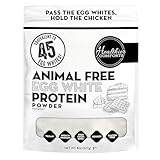
9. Use Commercial Egg Replacer Powder for Reliable Results

When in doubt, trust the certified vegan baking solution!
Commercial egg replacer powder offers reliable results for egg substitute solutions for eggs, providing a convenient and certified vegan baking option. These blends are specifically engineered with various starches and leaveners to mimic the binding and leavening action of eggs with minimal flavor impact. They are particularly useful when replacing multiple eggs or when you need consistent performance.
Supplies Needed
- Commercial egg replacer powder (such as Bob’s Red Mill or Ener-G brand)
- Water (quantity specified by package)
Instructions
- Consult the specific package directions, as the ratio of powder to water (and the amount required per egg) varies significantly by brand.
- Combine the powder and water separately, whisking vigorously until the mixture is uniform and slightly foamy. Use prepare egg replacer.
- Incorporate the mixture directly into your wet ingredients as the final step before adding the dry ingredients.
- Mix quickly and avoid over-mixing, then bake immediately to leverage the fast-acting leavening agents often contained within the mix.
Pro-Tip: Commercial egg replacers are specifically engineered for structural integrity. Use them when baking a complex recipe or when replacing more than three eggs to ensure the cornbread doesn’t suffer from a severe lack of binding in cornbread.
The Science of Texture: Comparing Egg Substitute Performance
Choosing the best egg substitute for cornbread often comes down to understanding the scientific explanation of binding and how each alternative impacts the rheological properties of batters. Different substitutes excel at specific functions, influencing the final tender crumb, light cornbread, or moist cornbread. This comparison alternative keywords analysis highlights the primary function, ideal texture, and flavor impact of key egg replacers, providing an authoritative guide for your baking decisions.
Egg Substitute Comparison: Binding, Moisture, and Leavening
| Substitute Category | Primary Function | Ideal Resulting Texture | Flavor Impact | Best For |
|---|---|---|---|---|
| Flax/Chia Eggs | Binding Agent | Tender crumb, good structure (avoids crumbly cornbread) | Minimal/Nutty | High structure, vegan baking |
| Applesauce/Banana | Moisture Agent | Very moist, slightly denser (prevents dry cornbread) | Mildly sweet/fruity | Sweet cornbread, maximizing moisture |
| Yogurt/Tofu | Richness & Density | Rich, dense, very moist (close to traditional egg richness) | Creamy/Acidic (yogurt) | Rich flavor, savory cornbread |
| Vinegar + Baking Soda | Leavening Agent | Very fluffy, light cornbread (if binder used elsewhere) | None (needs quick baking) | Fluffiness, high rise |
| Aquafaba | Emulsifier | Light and airy (mimics egg white aeration) | None | Light texture, vegan baking solutions |
FAQs About egg substitute in baking cornbread
Which egg substitute works best for Jiffy cornbread mix?
The best egg substitute for Jiffy cornbread mix is 1/4 cup of unsweetened applesauce per egg, as Jiffy mixes benefit significantly from added moisture to prevent a dry, crumbly result. You should also incorporate an extra 1/4 teaspoon of baking powder into the dry mix if replacing two eggs, as applesauce primarily provides moisture, not leavening. This combination ensures a light, moist, and tender crumb.
How much flax egg do you need for one egg in cornbread?
To substitute for one large egg, you need 1 tablespoon of finely ground flaxseed meal whisked with 3 tablespoons of water, allowed to rest for 5-10 minutes until a gel forms. This ratio of 1:3 is the gold standard for creating a strong natural binder, which is essential for maintaining the structural integrity and preventing the cornbread from falling apart when slicing.
What is the purpose of eggs in cornbread recipes?
Eggs serve three primary functions in cornbread: acting as a strong binding agent to hold the ingredients together, providing leavening action that helps the bread rise, and contributing essential fat and moisture for richness and tenderness. When substituting, you must use an ingredient that addresses one or more of these functions to achieve satisfactory texture.
Can I use yogurt as an egg substitute in cornbread?
Yes, plain Greek yogurt (full-fat is preferred) is an excellent substitute for eggs, offering protein, fat, and acid, which contribute greatly to moisture, richness, and leavening. Use 1/4 cup of Greek yogurt per egg replaced, remembering to slightly reduce other liquids (like buttermilk) in the recipe to account for the yogurt’s high moisture content.
What happens if you don’t use eggs in cornbread?
If you completely omit eggs without using a substitute, your cornbread will likely turn out dense, very flat, and extremely crumbly due to the lack of binding and leavening agents. The result will lack the desired tender crumb and structural integrity, essentially failing to rise and holding together poorly when baked.
How to make cornbread fluffy without eggs?
To achieve a fluffy texture without eggs, focus on chemical leavening by using a combination of 1 tablespoon of vinegar (acid) and 1 teaspoon of baking soda (base), ensuring a swift reaction and immediate baking. This method, combined with a strong non-egg binder like flax or chia, maximizes the air cell formation, leading to a light and airy result.
Is aquafaba a good egg replacement for cornbread?
Aquafaba (chickpea liquid) is a good egg replacement, especially when seeking a lighter, more air-filled texture that mimics egg white aeration, making it excellent for fluffiness. Use 3 tablespoons of aquafaba per egg and whip it lightly before adding it to the batter to activate its emulsification properties, which aid in structural integrity.
Should I use sweetened or unsweetened applesauce as an egg substitute?
For most cornbread recipes, especially savory ones, you should strictly use unsweetened applesauce to avoid drastically altering the flavor profile. If you use sweetened applesauce, reduce the amount of sugar called for in your original recipe by 1 to 2 tablespoons per 1/4 cup of applesauce to maintain flavor balance.
What is the best gluten-free egg substitute for cornbread?
The best overall gluten-free egg substitute for cornbread is the flax egg, as it is naturally gluten-free, offers excellent binding power, and contributes minimal flavor, making it highly versatile for all cornbread types. Arrowroot powder or commercial egg replacers are also highly effective, especially when replacing multiple eggs, offering reliable results.
Does baking powder replace eggs in cornbread?
No, baking powder alone does not replace eggs, as eggs provide essential binding and moisture, whereas baking powder only provides leavening. While adding extra baking powder (up to 1/2 tsp per egg replaced) can help the cornbread rise, you must still pair it with a strong binder like a flax egg or a moisture agent like applesauce to ensure the cornbread holds its shape.
Final Thoughts on Egg Substitute in Baking Cornbread
Replacing the egg in your cornbread recipe no longer has to result in a flat, dry, or crumbly disappointment. As this expert guide demonstrates, the secret lies in understanding the precise functional role eggs play in baking and intentionally selecting a substitute that mirrors that function, whether it’s the intense binding power of a flax egg, the superior moisture of applesauce, or the lift provided by vinegar and baking soda. By carefully matching the right ingredient to your desired outcome—be it a moist cornbread or the lightest, fluffy cornbread substitute—you can confidently navigate dietary restrictions or ingredient shortages while maintaining high-quality results. We have provided you with tested eggless cornbread recipes methods and reliable substitution techniques to ensure baking success without eggs every time.
Now that you have the ultimate blueprint for substitution, which of these 9 egg replacements are you most excited to try in your next batch of cornbread? Let us know in the comments below!
Last update on 2026-08-10 at 12:38 / Affiliate links / Images from Amazon Product Advertising API
