
As an Amazon Associate BakingBakewareSets.com earns from qualifying purchases.
9 Proven Egg Yolk Substitutes for Baking Success
Running out of egg yolks mid-recipe or navigating dietary restrictions can throw a wrench into your baking plans, leading to dry, crumbly, or flat results. The specific role of the egg yolk in your baked goods, from structure to moisture, is crucial, and finding the right functional replacement can be a real challenge for many home bakers.
Egg yolk substitutes in baking work by replicating the core functions of the yolk: providing emulsification for stable batters, contributing rich moisture and fat, and building structural integrity through proteins. The ideal substitute varies depending on the specific recipe and the primary role the yolk plays, whether it’s for binding in cookies, adding richness to cakes, or gelling custards.
Drawing from comprehensive analysis of current data and proven methodologies, this guide unpacks the science behind successful egg yolk substitution. You’ll discover how to confidently adapt your recipes and overcome common baking dilemmas, leveraging tested frameworks and data-driven insights for flawless, egg-free creations.
☰ Table of Contents ▼
show
How Does Egg Yolk Substitute in Baking Work? (Understanding Functionality)
Egg yolk substitutes work by replacing the three core functions of the yolk in baking: providing structural binding via protein, adding moisture and richness via fat, and maintaining a stable emulsion through lecithin. The choice of substitute depends entirely on which function is most critical for the specific baked good, such as mashed fruit for moisture or soy lecithin for emulsification. When you need an egg yolk substitute in baking, you’re looking for an ingredient that can step into these vital roles.
The egg yolk function in baking is multifaceted, making it a powerful ingredient. Primarily, it acts as an emulsifying agent due to its high lecithin content, which is a phospholipid. Lecithin helps to stabilize mixtures of fat and water, preventing them from separating and contributing to a smooth, uniform crumb structure in baked goods. Without this stable emulsion, batters can become unstable, leading to an undesirable texture.
Beyond emulsification, egg yolks are rich in fat and protein. The fat content replacement is crucial for moisture retention and providing a tender mouthfeel, preventing dry baked goods. This fat also contributes significantly to the richness provider aspect and helps with a desirable golden color through the Maillard reaction. Meanwhile, the protein coagulation in egg yolks during baking adds structural integrity, helping to bind ingredients and give the product its shape and density. When choosing an egg yolk replacement, you must first identify which of these functions is most needed to avoid baking fails without egg yolk. For instance, if a recipe relies heavily on the yolk for its binding properties, a natural binder like a flax egg would be more suitable than a simple moisture-adding puree. Understanding these functional properties is key to mastering baking ingredient substitution egg yolk and addressing challenges like lack of binding or richness missing.
9 Proven Egg Yolk Substitutes to Master Egg-Free Baking
1. Prepare Flax Eggs to Boost Binding and Structure

Pin this genius hack to your ‘Vegan Baking Must-Haves’ board!
Flax eggs are an indispensable natural binder in vegan and gluten-free baking, making them an excellent egg yolk replacement when binding properties are paramount. They excel at holding ingredients together, preventing a crumbly texture, especially in recipes like cookies, muffins, and quick breads. This simple egg yolk substitute recipe for chocolate chip cookies leverages the gelatinizing effect of flax seeds when combined with water, creating a thick consistency that effectively replaces the structural role of an egg yolk.
Ingredients & Ratio
- 1 tablespoon ground flaxseed meal (must be finely ground)
- 3 tablespoons cold water
- Substitution Ratio: This mixture replaces 1 large egg yolk.
Preparation & Use Steps
- Whisk Flax Meal: Combine the ground flaxseed meal and cold water thoroughly in a small bowl using a whisk or fork.
- Set Aside: Allow the mixture to rest for 5–10 minutes until it thickens into a thick, gelatinous consistency, similar to an egg yolk.
- Incorporate Yolk Substitute: Add the flax egg directly into your wet ingredients (fats and sugars) as you would an egg yolk, using mix in substitute.
- Adjust Baking: Note that flax eggs can make baked goods slightly denser, so reduce baking time by 1–2 minutes if necessary.
Pro-Tip: Flax contains natural oils which can affect the shelf life of your baked goods. To combat this, use advanced lipid replacement by incorporating a teaspoon of apple cider vinegar into the batter to stabilize the emulsion and preserve moisture retention.

2. Achieve Richness and Emulsification with Soy Lecithin

Save this powerful emulsifier trick to your ‘Food Science Baking Hacks’ board!
Soy lecithin is a powerful emulsifying agent that directly mimics the egg yolk function of creating a stable emulsion, making it ideal for achieve richness and a uniform texture. This is especially useful in delicate batters and custards where a smooth, creamy texture is desired and fat content replacement is critical. Understanding lecithin emulsification mechanism is part of food science behind egg yolk replacement, allowing for precise functional replacement without altering flavor.
Ingredients & Ratio
- 1 tablespoon soy lecithin granules or liquid (adjust slightly based on form)
- 1 teaspoon extra liquid (water or milk, if necessary for consistency)
- Substitution Ratio: This replaces 1 large egg yolk.
Preparation & Use Steps
- Measure Replacement: Accurately measure the required lecithin. Lecithin is potent; using too much can make the final product greasy.
- Incorporate with Fat: Add the lecithin directly to the fat and sugar mixture (the creaming step) early in the recipe to maximize its emulsifying effect.
- Blend Thoroughly: Ensure the lecithin is fully dissolved or blended before incorporating dry ingredients, especially if using the liquid form, to create the necessary stable emulsion.
- Check Consistency: If the dough or batter seems too dry, adjust liquid content by adding the extra teaspoon of liquid to ensure proper moisture retention.
Pro-Tip: Lecithin is the primary phospholipid responsible for the yolk’s emulsifying power. Using commercial-grade soy lecithin ensures maximum thermal stability of binders, which is crucial for high-temperature baking and preventing ingredient separation.

3. Use Mashed Fruit Purees for Moisture and Light Binding

Don’t run out of eggs again! Save this simple fruit swap now.
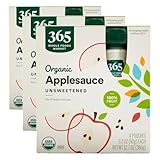
Pureed fruit, such as applesauce or mashed banana, serves as an excellent egg yolk substitute in baking when the goal is to add significant moisture retention and a light binding effect. These healthy alternatives contribute complex carbohydrate binders which help moisten dough and improve the overall texture, especially in quick breads, muffins, and spiced cakes. This easy vegan egg yolk substitute for baking cookies works by leveraging the natural pectin and sugars present in fruits.
Supplies Needed
- 1/4 cup unsweetened applesauce, mashed ripe banana, or pureed pumpkin (ensure smooth consistency)
- Substitution Ratio: 1/4 cup replaces 1 large egg yolk.
Preparation & Use Steps
- Measure Replacement: Measure 1/4 cup of your chosen puree. If using banana, ensure it is very ripe and thoroughly mashed for best results.
- Blend Smoothly: Add the puree directly to the wet ingredients and ensure it is fully combine ingredients to avoid pockets of unblended fruit.
- Adjust Liquid: Since purees add significant moisture, consider adjust liquid content by reducing other liquids in the recipe (water, milk, oil) by 1-2 tablespoons per 1/4 cup of puree used to prevent dry baked goods.
- Best Use Case: Excellent for highly spiced or flavored baked goods like zucchini bread, muffins, and brownies, where the fruit flavor is complementary or masked.
Lesson Learned: When using fruit purees, particularly mashed banana, the natural sugars can lead to faster browning. Reduce your oven temperature by 25°F and cover the product loosely with foil halfway through baking to achieve golden color without burning the exterior.
4. Optimize Binding in Gluten-Free Baking with Chia Seeds

Need a reliable binder? Save this chia egg tutorial for your next gluten-free recipe!
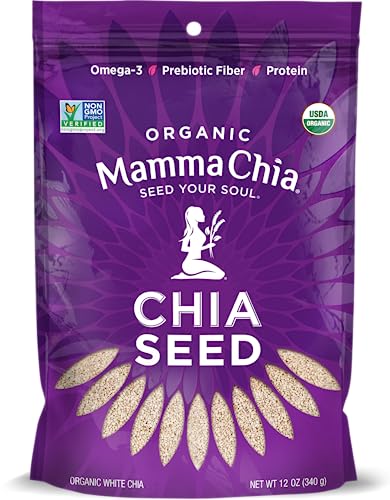
Chia seeds are a highly effective gluten-free binding agent, known for their ability to form a thick gel that provides structural integrity in baked goods. They are an excellent egg yolk replacement for binding in gluten-free baking, helping to solve texture problems without eggs such as crumbly texture. The chia seed gel acts as a thickening agent that absorbs liquid, making it a reliable choice for challenging doughs.
Ingredients & Ratio
- 1 tablespoon whole or ground chia seeds
- 3 tablespoons water (or non-dairy milk)
- Substitution Ratio: This replaces 1 large egg yolk.
Preparation & Use Steps
- Soak Chia Seeds: Combine chia seeds and liquid. Allow the mixture to rest for 15 minutes, or until it forms a thick, tapioca-like gel.
- Prepare Egg Replacer: Unlike flax, whole chia seeds can be used for texture, but grinding them first provides superior binding properties in cakes and breads.
- Incorporate into Batter: Add the chia gel to your wet ingredients. Because chia absorbs more liquid over time, it is crucial to use the mixture immediately after gelling.
- Adapt Recipe: If replacing multiple egg yolks, increase the liquid content in the overall recipe slightly to compensate for the chia seeds’ high absorption rate and prevent moisture loss.
Pro-Tip: Chia seeds are high in polysaccharide thickening agents. When using them in delicate batters, ensure you only replace 1–2 yolks max, as replacing too many can lead to a slightly gummy texture, a common baking fails without egg yolk issue.
5. Add Density and Structure Using Pureed Silken Tofu

Unlock vegan richness! Pin this tofu substitution guide for dairy-free desserts.
Silken tofu is an exceptional vegan egg yolk substitute that provides bulk, protein substitute, and moisture, making it ideal for recipes requiring structural integrity and a dense, creamy texture. It effectively mimics the protein coagulation of egg yolks in applications like cheesecakes, quiches, and heavy pound cakes, solving vegan baking challenges where body and richness are crucial. This functional replacement is achieved by its smooth, blendable consistency.
Ingredients & Ratio
- 1/4 cup pureed silken tofu (firm or soft, but must be unpressed)
- Substitution Ratio: 1/4 cup replaces 1 large egg yolk.
Preparation & Use Steps
- Prepare Egg Replacer: Blend the silken tofu until it is completely smooth and creamy, ensuring no lumps remain. This step is non-negotiable for smooth batters.
- Measure and Combine: Measure 1/4 cup of the puree. Use a 1:1 replacement ratio by volume for the egg yolks required in the recipe.
- Incorporate Yolk Substitute: Add the tofu puree to the wet ingredients. It works best when mix in substitute with liquids that have a high moisture content.
- Adjust Baking: Tofu adds significant weight. Increase the leavening agent (baking powder/soda) slightly, often by 1/4 teaspoon, to compensate for the added density and ensure proper structure.
Pro-Tip: Tofu is a great protein substitute, making it ideal for recipes where the yolk’s protein network contributes to the final crumb, such as dense cakes or vegan custard pies. Ensure the tofu has a neutral flavor; rinse it briefly if necessary to remove any metallic taste.

6. Replace Richness and Fat Content with Heavy Cream and Butter

Bakers’ secret revealed! Pin this creamy substitute for maximum richness.
When a recipe calls for egg yolk primarily for its richness provider qualities and fat content replacement, a combination of cream and butter can be an excellent non-vegan solution. This alternative for egg yolk in shortcrust pastry and other high-fat baked goods helps to achieve richness and tenderness that might otherwise be missing. This method aligns with culinary school techniques for enhancing texture and flavor when yolks are omitted.
Ingredients & Ratio
- 1 tablespoon heavy cream
- 1/2 tablespoon unsalted butter, softened
- Substitution Ratio: This mixture replaces 1 large egg yolk.
Preparation & Use Steps
- Combine Ingredients: Cream the softened butter with the sugar and other fats until fully incorporated.
- Measure Replacement: Add the heavy cream to your wet ingredients. Ensure you do not over-mix, especially in pastry dough, which can lead to toughness.
- Moisten Dough: This mixture adds significant moisture. For recipes requiring minimal moisture, slightly decrease the amount of cream used to ensure the dough remains pliable and does not become sticky.
- Best Use Case: Use this method when the primary goal is achieve richness and tenderness in recipes like shortbread, biscuits, or the classic short crust pastry.
Pro-Tip: The fat in the egg yolk also contributes to the final tenderness. Using a high-fat European-style butter ensures maximum fat crystallization in pastries, leading to flakier layers than standard butter when replacing the yolk.


Bake better brownies! Save this nutty swap for depth and chewiness.
Nut butters are a fantastic plant-based egg yolk substitute for achieving a specific chewy texture and adding density, particularly in cookies and bars. As a richness provider and fat content replacement, options like almond butter no sugar added contribute fat and some natural binders, mimicking the yolk’s role in creating a satisfyingly dense and moist crumb. This substitute is especially useful for egg allergy baking.
Ingredients & Ratio
- 1 tablespoon smooth, all-natural nut butter (almond, cashew, or peanut)
- Substitution Ratio: 1 tablespoon replaces 1 large egg yolk.
Preparation & Use Steps
- Prepare Egg Replacer: Ensure the nut butter is well stirred so the oil and solids are fully combined. Use smooth varieties to avoid chunky textures in the final baked good.
- Combine Ingredients: Cream the nut butter with the fat (butter or oil) and sugar in the recipe until fully incorporated and lightened.
- Moisten Dough: Nut butters are highly dense and low in free moisture. If the dough seems stiff or crumbly, add 1-2 teaspoons of water or non-dairy milk to the batter to moisten dough.
- Best Use Case: Ideal for cookies, dense brownies, and granola bars where the goal is a specific chewy texture and intense flavor contribution.
Pro-Tip: If you are worried about the intensity of the nut flavor, opt for refined coconut oil as a neutral advanced lipid replacement. This provides the fat richness and moisture retention similar to the yolk without the strong nut profile, addressing potential flavor concerns.
8. Use Psyllium Husk Powder for Intense Structural Binding

The ultimate binding solution! Pin this expert fiber hack for non-crumbly dough.
Psyllium husk powder is an exceptional functional egg yolk substitute for achieving intense structural binding and mimicking gluten development in eggless dough. This advanced ingredient, acting as a hydrocolloid in baking, absorbs significant moisture to create a strong, elastic gel. It’s particularly vital for gluten-free baking challenges, where preventing a crumbly texture and ensuring structural integrity are paramount.
Ingredients & Ratio
- 1 teaspoon psyllium husk powder
- 3 tablespoons water (or slightly more if dough is stiff)
- Substitution Ratio: This mixture replaces 1 large egg yolk.
Preparation & Use Steps
- Prepare Egg Replacer: Whisk the psyllium husk powder with the water in a small bowl. Allow it to sit for at least 5 minutes until a very thick, sticky gel forms.
- Incorporate into Dough: Immediately add the psyllium gel to the wet ingredients. It works best when added early to maximize its ability to bind ingredients and absorb moisture from the other liquids.
- Handle Egg-Free Dough: Be aware that psyllium husk powder continues to absorb liquid as the dough rests. You may need to adjust liquid content by adding small amounts of extra water if the dough becomes too stiff during kneading or mixing.
- Best Use Case: Essential for replacing egg yolks in yeast-based or structural baked goods like artisan bread, pizza dough, or bagels that rely heavily on structural integrity.
Pro-Tip: Psyllium husk is a superior choice when replacing yolks in recipes that require gluten development in eggless dough. Its high absorption rate and viscosity effectively simulate the structural matrix typically provided by egg proteins, preventing issues like moisture loss in baking.

9. Create Structural Gelling with Agar-Agar Powder

Vegan custard perfection! Save this gelling secret for desserts that hold their shape.
Agar-agar powder is an advanced thickening agent and egg yolk replacement that excels at creating structural gelling in mixtures that need to set upon cooling. As a potent vegan alternative, it provides a powerful gelatinizing effect, making it perfect for dairy-free custards, mousses, and cheesecake fillings where the yolk’s thermal stability and setting power are crucial. This advanced ingredient functionality differs from gelatin, requiring heat activation for optimal performance.
Ingredients & Ratio
- 1 teaspoon agar-agar powder (not flakes)
- 1/4 cup liquid (water, milk, or recipe liquid)
- Substitution Ratio: 1 teaspoon of powder replaces 1 large egg yolk’s setting power.
Preparation & Use Steps
- Prepare Slurry: Whisk the agar-agar powder with the cold liquid until smooth to prevent clumping.
- Activate Gelling: Add the slurry to the liquid mixture in the recipe and bring the entire mixture to a rolling boil for at least 1 minute. Agar-agar requires this high heat activation for its gelatinizing effect.
- Incorporate Yolk Substitute: Once boiled, remove from heat and proceed with the recipe instructions, knowing the mixture will set once cooled to room temperature or chilled.
- Test Substitutes: Always test the setting power by chilling a teaspoon of the mixture for 2 minutes on a cold plate; if it doesn’t set, boil the mixture for an additional minute and test again.
Pro-Tip: Agar-agar creates a firmer, more stable gel than gelatin. This makes it a great solution for structural integrity in colloidal systems in baking, but remember that it sets much faster. Use this for custards, mousses, or cheesecake fillings where the yolk’s thermal stability is key.

FAQs About Egg Yolk Substitute in Baking
What is the primary function of egg yolk in baking?
The primary function of egg yolk is to provide emulsification, richness, and moisture, due to its high fat and lecithin content. Lecithin is a natural emulsifying agent that stabilizes fat and water mixtures, resulting in batters that do not separate and baked goods with a tender, fine crumb structure and creamy texture. The fat contributes to tenderness and moisture retention, which helps prevent dry baked goods. Understanding this egg yolk function is crucial for selecting the right functional replacement.
For most standard drop cookies, a flax egg or a nut butter substitute works best, as they provide both binding and density. Flax eggs offer excellent binding properties which prevent a crumbly texture, while nut butters replace the fat content to enhance chewiness and richness. Always use a 1:1 substitution ratio for volume (e.g., 1 tbsp nut butter for 1 yolk) and ensure the substitute matches the desired final texture of your cookie.
How much applesauce should I use to replace 1 egg yolk?
To replace one egg yolk, you should use exactly 1/4 cup (4 tablespoons) of unsweetened applesauce. Applesauce primarily functions as a fat and moisture replacement, helping to moisten dough and contribute light binding via its pectin content. It works very well in recipes like muffins, quick breads, and spiced cakes. Be aware that this substitute adds subtle flavor and may require a slight reduction in other liquids in the recipe.
Are there vegan egg yolk substitutes for baking delicate pastries?
Yes, the best vegan egg yolk substitute for delicate pastries that require richness and browning is often a combination of a liquid fat (like oil) and soy lecithin. This pairing mimics the stable emulsion and fat content of the yolk without compromising flakiness. For recipes requiring intense gelling and structure, such as vegan tarts or custards, agar-agar powder provides superior structural binding after heat activation, a critical advanced ingredient functionality.
What happens if I omit egg yolk from a recipe entirely?
If you omit the egg yolk from a recipe without replacement, the baked good will likely suffer from lack of binding, reduced moisture, and a paler color. Recipes that rely heavily on the yolk for richness, like custards or brioche, will separate or be significantly less tender. The result will often be dry and have a crumbly texture, demonstrating a major baking fails without egg yolk issue due to the missing emulsification.
Is flax egg or chia egg better for structural baking?
Both flax egg and chia egg are excellent natural binders for vegan and allergy-friendly baking, but Psyllium Husk Powder provides the highest structural integrity. Chia seeds offer slightly more binding power than flax, especially in heavier batters like whole grain muffins. However, for difficult structural tasks like gluten-free bread, Psyllium Husk (which works similarly to a hydrocolloid) is the most powerful option for preventing texture problems without eggs.
How can I make a vegan egg yolk replacement that adds richness?
You can make a rich vegan egg yolk replacement by using pureed silken tofu or a small amount of blended nut butter mixed with turmeric for color. Silken tofu adds density and protein, similar to the yolk’s mass, while nut butters replace fat content. These options help achieve creamy texture and ensure the finished product has the satisfying richness associated with traditional recipes, solving the richness missing problem.
What is the substitution ratio for using silken tofu instead of egg yolk?
The standard substitution ratio for using silken tofu as an egg yolk alternative is 1/4 cup (4 tablespoons) of blended, smooth silken tofu per egg yolk. Tofu is best used in recipes where the yolk provides density and moisture, such as cakes, dense brownies, or quiches. It is essential to blend the tofu until completely smooth to ensure uniform crumb structure and avoid lumps in the final batter.
Can I use just egg whites as a substitute for egg yolk?
While egg whites provide volume and lift, they are not an effective egg yolk substitute because they lack the necessary fat and emulsifying agents (lecithin). Using only egg whites will result in a dry, spongy, and brittle baked good that has severe moisture loss in baking and minimal richness. If a recipe calls specifically for egg yolk, use a targeted fat/emulsifier substitute like soy lecithin or cream instead of just the white.
Why do some egg yolk substitutes require less baking time?
Some egg yolk substitutes, particularly mashed fruit purees and nut butters, contain natural sugars and lower protein content, which can accelerate the Maillard reaction (browning) and lead to over-baking. Using these alternatives may require you to modify baking method by reducing the oven temperature slightly (25°F) or checking the baked goods 1-2 minutes earlier than the recipe specifies to prevent dry baked goods and achieve an even, golden color.
Key Takeaways
The key to achieving baking success without using traditional egg yolks lies not just in finding a random replacement, but in scientifically matching the substitute’s capabilities to the required function of the yolk. Whether you are tackling cholesterol concerns, navigating egg allergy baking, or simply aiming for healthier plant-based desserts, this guide has provided 9 proven egg yolk substitutes covering binding (Flax, Chia, Psyllium), richness (Lecithin, Nut Butter, Cream), and moisture (Purees, Tofu). You now possess the strategic knowledge—from precise substitution ratios to advanced applications like using hydrocolloids in baking—to adapt recipe and troubleshoot common issues like crumbly texture and moisture loss. Remember that precise measurement and careful monitoring of dough consistency are the most important steps when working with egg alternatives. By applying these expert methods and understanding the food science behind egg yolk replacement, you are ready to confidently test substitutes and create flawless, egg-free baked goods.
Now that you have the ultimate blueprint for functional egg yolk substitution, what is the first recipe you plan to modify using these proven alternatives? Let us know your substitution results!
Last update on 2026-08-11 at 02:59 / Affiliate links / Images from Amazon Product Advertising API
