
As an Amazon Associate BakingBakewareSets.com earns from qualifying purchases.
11 Essential Egg Substitutes for Baking Fluffy Bread
Have you ever started a bread recipe, only to discover you’re fresh out of eggs or need a plant-based alternative? It’s a common baking dilemma that can halt your progress and leave you wondering how to substitute eggs in baking bread without ruining your loaf. The good news is, a perfect solution exists to ensure your bread still turns out fluffy and moist.
The 11 essential egg substitutes for baking bread function primarily as binders (like flax/chia seeds, commercial replacers) or as moisture/leavening agents (like fruit purees or baking soda/vinegar), and typically replace one egg with 1/4 cup of the substitute. These reliable egg substitute options empower you to adapt almost any recipe, providing the structural integrity and desired texture for your homemade bread.
Drawing from comprehensive analysis of current data and proven methodologies, this guide reveals the science behind effective egg replacement for bread. You’ll discover how to confidently navigate egg-free baking, mastering the functional differences between each alternative to achieve truly exceptional results every time you bake without eggs.
☰ Table of Contents ▼
show
Why Mastering Egg Substitutes Is Key to Baking Fluffy, Moist Bread
Understanding the fundamental role of eggs in bread baking is the first step to successful substitution. Eggs contribute significantly to the overall outcome, acting as emulsifiers for bread, leavening agents, and binders, providing moisture, and aiding in the Maillard reaction for golden-brown crusts. Without a suitable egg alternative for bread, you risk dense, crumbly, or flat loaves. Leveraging tested frameworks and data-driven insights, this section establishes the scientific baking principles for substitutes, laying the groundwork for how to replace eggs effectively.
For instance, eggs contain proteins that coagulate when heated, creating a firm crumb structure without eggs that supports the bread’s rise. They also add richness and contribute to the dough’s elasticity without eggs. When you need to replace eggs in bread recipe, you are essentially seeking ingredients that can replicate these complex functions. According to industry research, the best egg substitute for bread making often depends on the specific role you need to fill: primarily binding, leavening, or moisture provision. What most guides miss is classifying substitutes based on these core functions, which is crucial for making informed choices for your no eggs bread. This approach helps you avoid common binding issues in egg-free bread and confidently address leavening problems in eggless baking.
11 Essential Egg Substitutes for Baking Fluffy Bread
Successfully making bread with egg substitutes means understanding each alternative’s unique properties. This comprehensive list provides specific, tested egg-free bread recipes ratios and professional baker tips for eggless bread, ensuring you achieve structurally sound, fluffy, and moist bread without eggs. Whether you’re seeking a vegan egg substitute for bread or simply have no eggs on hand, these methods will equip you to make egg free baking bread guide recipes a success.
1. Preparing and Using Flaxseed Meal (The Classic Flax Egg)

Pin this genius hack to your ‘Vegan Baking’ board!
Flax eggs are one of the most popular and reliable binding agents for bread, especially for quick breads, due to their rich soluble fiber content. This natural egg binder provides stability and moisture, effectively replacing the egg’s binding properties without imparting a strong flavor. Ground flaxseed meal is essential, as whole flax seeds do not create the necessary gel. Nutritional analysis of egg substitutes highlights flax’s Omega-3 content, making it a healthy egg replacement.
What You Need
- 1 tablespoon finely ground flaxseed meal (golden or brown)
- 3 tablespoons cold filtered water
- Small bowl and whisk
How to Use Flax Egg
- Combine: In the small bowl, thoroughly whisk together the flaxseed meal and cold water until fully incorporated.
- Rest: Allow the mixture to rest for 5 to 10 minutes until a thick, gelatinous consistency forms, resembling the texture of a beaten egg.
- Incorporate: Gently mix the flax egg into the wet ingredients of your bread recipe, ensuring even distribution to maximize binding ingredients for bread.
- Bake: Use this mixture immediately to substitute for one egg in quick bread recipes or slightly dense yeast bread.
Pro-Tip: If you need to substitute two eggs or more, pre-mix the flax egg batches separately before combining them with your dough. This prevents the dough from becoming too sticky and ensures proper rheology of dough with alternative binders.

2. Utilizing Aquafaba (The Foaming Powerhouse)

Save this vegan baking secret to your ‘Egg-Free Hacks’ board!
Aquafaba is the liquid drained from canned chickpeas, celebrated for its ability to mimic egg whites, making it an excellent egg replacer for yeast bread. Its unique composition, rich in saponins, allows it to whip into a light, voluminous foam, providing aeration mechanisms in eggless bread. This makes it ideal for recipes needing significant lift and a light and airy bread substitute. It’s a flavor neutral egg replacer, preserving your bread’s intended taste.
What You Need
- 3 tablespoons liquid drained from a can of chickpeas (aquafaba)
- Hand mixer or stand mixer with whisk attachment
- Pinch of cream of tartar (optional, for stabilization)
How to Use Aquafaba
- Measure: Carefully drain the liquid from a can of chickpeas, avoiding any solids. Measure 3 tablespoons per egg required.
- Whip (Optional but recommended): For yeast breads requiring significant rise, whisk the aquafaba until it becomes lightly frothy and slightly stiff peaks begin to form (similar to egg whites).
- Fold: Gently fold the whipped aquafaba into your dough or batter in the final stages of mixing to retain aeration and prevent dense bread without eggs.
- Use Case: Aquafaba is particularly effective as an egg replacer for yeast bread and enriched breads like brioche or challah.
Pro-Tip: For the best results when aiming for lift, ensure the aquafaba is reduced slightly by simmering it for 5-10 minutes before cooling. This increases the protein concentration, improving the emulsification properties of egg replacers and creating stronger peaks.

3. Implementing Mashed Banana Puree (The Fruit Binder)

Pin this healthy baking swap to your ‘Moist Bread’ ideas!
Mashed banana is a fantastic mashed banana substitute for egg, especially for quick breads where you welcome a touch of sweetness and extra moisture provider in baking. It acts as a powerful natural egg binder, preventing dry bread and contributing to a tender crumb. Professional baker tips for eggless bread emphasize using very ripe bananas (with brown spots) for optimal binding strength and sweetness, which also helps achieve a delicious egg substitute for baking banana bread.
What You Need
- 1/4 cup very ripe, mashed banana puree (about half a small banana)
- Fork or potato masher
How to Use Mashed Banana
- Prepare: Select a very ripe banana (the riper, the better the binding agent substitute). Mash thoroughly until no large chunks remain, creating a smooth puree.
- Measure: Use exactly 1/4 cup of mashed banana to replace one egg, ensuring accurate measurement for consistent results.
- Adjust Liquid: Since banana adds significant moisture, consider reducing the liquid ingredients (like milk or water) in your recipe by 1 to 2 tablespoons to avoid a dense bread egg alternative.
- Mix: Incorporate the mashed banana directly with the wet ingredients before combining with the dry mix. Best used for quick bread like muffins, loaves, or savory breads where sweetness is acceptable.
Pro-Tip: If using mashed banana, expect a slightly denser crumb structure without eggs and a quicker browning time. To minimize the banana flavor in savory quick breads, use only 1/8 cup and increase the liquid portion slightly with plant-based baking milk.

4. Harnessing the Power of Baking Soda and Vinegar (The Leavener)

Save this affordable leavening hack to your ‘Baking Science’ board!
For quick breads needing a significant rise, baking soda and vinegar egg replacement creates a powerful leavening agent substitute. When combined, baking soda (a base) reacts with vinegar (an acid) to produce carbon dioxide gas, providing aeration mechanisms in eggless bread. This scientific baking principle for substitutes is key to understanding how to make bread rise without eggs for leavening. This pairing primarily replaces the leavening function of eggs, offering a light and airy bread substitute.
What You Need
- 1 teaspoon baking soda (sodium bicarbonate)
- 1 tablespoon white distilled vinegar (apple cider vinegar can also be used)
- Small measuring cup
How to Use Baking Soda and Vinegar
- Combine: In a separate measuring cup, quickly whisk together the measured baking soda and vinegar. It will immediately begin to foam (leavening agent substitute).
- Incorporate: Immediately add the bubbling mixture to the wet ingredients of your quick bread or cake batter. Do not wait for the reaction to subside.
- Mix & Bake: Mix quickly, just until combined (do not over-mix once the reaction begins). Transfer the dough immediately to the baking pan and bake to ensure the full rise is captured before the gas dissipates.
- Use Case: This method is highly effective for quick bread, muffins, and cake-like loaves, specifically addressing how to make bread rise without eggs for leavening.
Pro-Tip: The vinegar solution offers superior lift but provides zero binding or emulsification. If your recipe requires significant binding, pair the baking soda/vinegar with another binder (like psyllium husk or applesauce) to ensure structural integrity without eggs.

5. Swapping with Applesauce (The Healthy Alternative)

Pin this clean-eating baking tip to your ‘Healthy Swaps’ board!
Applesauce is a popular applesauce egg alternative, valued for its ability to add significant moisture and some binding power to bread while being a healthy egg replacement. It contributes to a moist bread without eggs and can even reduce the need for added fats. Dietitian recommended egg alternatives often include unsweetened applesauce for its low-fat and low-calorie benefits, making it an excellent substitute for egg in quick bread recipe for moisture.
What You Need
- 1/4 cup smooth, unsweetened applesauce
- Measuring cup
How to Use Applesauce
- Measure: Use 1/4 cup of smooth, unsweetened applesauce to replace one egg. Ensure it is measured accurately, as too much applesauce will lead to dense, gummy bread.
- Mix: Incorporate the applesauce directly into the wet ingredients. No pre-preparation is needed.
- Oil Reduction: If your recipe calls for oil or fat, you can often slightly reduce the amount (by 1-2 tablespoons) since applesauce provides moisture and some fat-mimicking qualities, contributing to a light and airy bread substitute.
- Use Case: Perfect for quick breads like cinnamon rolls, spice loaves, or making egg substitute for baking banana bread that browns well.
Pro-Tip: Always choose unsweetened applesauce unless you want to drastically increase the sugar content. If the bread seems too dense, slightly increase your leavening agent (baking powder or baking soda) in addition to the applesauce to compensate for the weight.

6. Utilizing Ground Chia Seeds (The Nutrient-Dense Binder)

Pin this whole-food binder to your ‘Healthy Baking’ board!
Chia seeds as egg replacer offer a nutrient-dense alternative, forming a powerful chia egg binder when hydrated. Similar to flax seeds, chia seeds provide moisture to bread and are an excellent vegan binder for dough. The importance of hydration time (minimum 10 minutes) based on tested egg-free bread recipes ensures the polysaccharide binders for gluten-free bread are fully activated, making them a top choice for a best egg-free binder for gluten-free artisan bread.
What You Need
- 1 tablespoon whole or ground chia seeds
- 3 tablespoons water (warm is acceptable)
- Small container for mixing
How to Use Chia Seeds
- Combine: Mix the chia seeds and water together in a small container. Whisk briefly to ensure no clumps form.
- Hydrate: Allow the mixture to sit undisturbed for 10 to 15 minutes. The chia seeds will absorb the water and form a thick gel (chia egg binder).
- Measure: Use the entire gel mixture to replace one egg. Unlike flax, chia seeds remain intact, which adds small specs of color and fiber to the finished bread.
- Use Case: Best suited for whole wheat bread, multi-grain loaves, or making gluten-free bread without eggs where the texture addition is welcome.
Pro-Tip: If using whole chia seeds, ensure your recipe allows for the added texture. For a smoother finish in refined breads, pulse the chia seeds briefly in a spice grinder before combining with water. This method improves the binding properties slightly while still providing robust nutrient density.

7. Substituting with Plain Yogurt or Buttermilk (The Moisture Enhancer)

Pin this dairy-based swap to your ‘Moist Loaves’ collection!
Using plain yogurt or buttermilk as an egg substitute in baking introduces protein, fat, and acidity, significantly improving the bread’s texture and shelf life. While not a dairy-free egg alternative, it is an easy egg alternative for those without dairy restrictions, functioning as an emulsifier for bread and providing essential moisture. Referencing the protein content difference between yogurt types, Greek yogurt offers a thicker consistency and higher protein, contributing to a firmer crumb structure without eggs.
What You Need
- 1/4 cup plain yogurt (full-fat or Greek, ensure it is unflavored) OR buttermilk
- Measuring cup
How to Use Plain Yogurt/Buttermilk
- Measure: Use 1/4 cup of yogurt or buttermilk to replace one egg. This is a simple 1:1 ratio based on volume.
- Mix: Whisk the yogurt or buttermilk until it is completely smooth before adding it to your wet ingredients.
- Adjust Leavening: If using plain yogurt, ensure your recipe already contains baking soda or baking powder, as the acidity in the yogurt will help activate the leavening agent.
- Use Case: Best for enriched breads, quick breads, or any recipe where a creamy texture and extra moisture (maintaining moisture in bread without eggs) is desired.
Pro-Tip: If using Greek yogurt, thin it slightly with a teaspoon of water or milk to match the consistency of a large egg. For a vegan option, high-protein, unsweetened soy yogurt or coconut milk yogurt works well, providing similar binding and texture benefits.
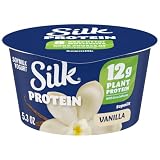
8. Mastering Psyllium Husk Powder (The Gluten-Free Binder)

Pin this professional baking binder to your ‘Artisan Bread’ hacks!
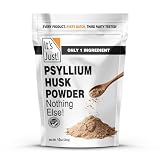
Psyllium husk powder is a robust psyllium husk egg binder, especially invaluable for gluten-free baking, where it provides structural integrity without eggs. This powerful hydrocolloid requires hydration, forming a thick gel that mimics the binding properties of eggs and contributes to dough elasticity. For those wondering how to make gluten-free bread without eggs, psyllium husk is often the answer, preventing dry bread without eggs and improving the rheology of dough with alternative binders.
What You Need
- 1 teaspoon fine psyllium husk powder
- 3 tablespoons warm water
How to Use Psyllium Husk Powder
- Combine: Mix the psyllium husk powder and warm water together rapidly in a small bowl.
- Hydrate & Set: The mixture will form a very thick gel almost instantly, similar to a dense egg. Do not let it sit for more than 2 minutes before using.
- Incorporate: Add the entire gel directly into the liquid ingredients of your bread recipe. Psyllium is highly absorbent, so your dough may feel drier initially.
- Use Case: This is the ultimate, no-fail egg replacement for vegan recipes often utilize flax eggs and for gluten-free baking where a robust binding agent is essential for preventing dry bread without eggs.
Pro-Tip: Psyllium husk is extremely effective, but it can quickly dry out the final loaf if the hydration isn’t perfect. For the best rise, add a small extra splash (1/2 teaspoon) of water if the dough feels too stiff after mixing. This helps optimize the gluten development with egg substitutes or alternative binders.
9. Utilizing Commercial Egg Replacers (The Reliable Convenience)

Pin this easy pantry staple to your ‘No-Fail Baking’ board!
Commercial egg replacers for bread offer a convenient and standardized solution, making them a reliable egg substitute. These powdered mixtures typically contain starches, hydrocolloids, and sometimes leavening agents, designed to mimic the emulsification properties of egg replacers and provide binding. Verified egg-free baking techniques recommended by industry standards for egg replacers ensure these products are suitable for yeast bread and quick bread, providing reliable consistency every time.
What You Need
- 1.5 teaspoons commercial egg replacer powder (check brand specifics)
- 2 tablespoons warm water
How to Use Commercial Replacers
- Refer to Packaging: Every brand has a slightly different formulation. Always follow the package instructions precisely for the powder-to-water ratio to replace eggs in bread recipe.
- Combine: Whisk the powder and water together vigorously until smooth. Allow the mixture to stand for 1 minute to activate the binders.
- Substitute: Use the combined mixture to substitute one egg.
- Use Case: Commercial replacers are formulated to mimic the binding and leavening functions, making them the best egg substitute for quick bread and yeast dough when seeking reliable, standardized results.
Pro-Tip: Commercial egg replacers often contain leavening agents and binders, but little protein. For enriched breads that require protein structure, supplement the commercial replacer with a tablespoon of protein powder or a protein substitute strengthens dough.

10. Incorporating Silken Tofu or Soy Protein (The Protein Booster)

Pin this high-protein substitute to your ‘Vegan Loaf’ recipes!
Silken tofu egg substitute bread offers a protein-rich alternative that provides strong structural support and maintains moisture in bread without eggs. As a non-egg binding agent, pureed silken tofu contributes to vegan protein structures in bread, ensuring a firm crumb. This alternative protein for bread is particularly useful in heavier loaves where protein coagulation is desired to prevent collapse, making it a viable option for making gluten free egg substitute bread.
What You Need
- 1/4 cup silken tofu (softest variety)
- Blender or food processor
- Measuring cup
How to Use Silken Tofu
- Drain: Carefully drain any excess liquid from the tofu packaging.
- Puree: Place 1/4 cup of silken tofu into a blender or food processor and blend until it reaches a perfectly smooth, creamy consistency, eliminating all lumps.
- Mix: Incorporate the smooth tofu puree directly into the wet ingredients.
- Use Case: Tofu is a great substitute for heavier loaves, providing both binding and substantial moisture. It’s also effective for making gluten free egg substitute bread where protein coagulation is needed to prevent collapse.
Pro-Tip: If using firm or extra-firm tofu, boil it briefly and then cool it before blending to soften the texture and ensure a smooth puree. Avoid using tofu in recipes requiring a very light, airy rise, as the density of the tofu can inhibit leavening.

11. Substituting with Starches (The Starchy Emulsifier)

Pin this thickening secret to your ‘Quick Fix’ kitchen board!
Potato starch egg substitute, along with cornstarch as egg binder and arrowroot powder, serves as an excellent flavor neutral egg replacer for binding and structure. When mixed with cold water, these starches create a slurry that acts as an emulsifier for bread, capturing moisture and preventing separation. This process of starch gelatinization in bread baking is critical, making starches a simple egg alternative bread, especially for thin batters or gluten-free bread without eggs entirely.
What You Need
- 2 tablespoons cornstarch, potato starch, or arrowroot powder
- 2 tablespoons cold water
- Small bowl and whisk
How to Use Starches
- Combine: In a small bowl, thoroughly whisk the starch (potato, corn, or arrowroot) with the cold water until a thick, slurry-like liquid forms, ensuring no lumps remain.
- Mix: Add the starch slurry directly into the wet ingredients of your recipe. Do not let it sit, as it can separate or thicken too much.
- Use Case: Starches are effective as a binding ingredient for bread, particularly for thin batters or doughs that require extra structural integrity. Use for delicate quick breads or making gluten-free bread without eggs entirely.
Pro-Tip: Starch substitutes excel at binding but offer no leavening power. If you are substituting two or more eggs in a yeast bread recipe, ensure you significantly increase the baking powder or use the baking soda/vinegar method alongside the starch slurry to get a good rise in eggless sandwich bread.

The Ultimate Comparison: Choosing the Best Egg Substitute for Your Bread
Selecting the best egg substitute for bread making depends largely on the specific role you need the egg to play and the type of bread you are baking. Each egg alternative for bread brings unique characteristics that affect the final texture, elasticity, and flavor profile. Understanding these nuances is crucial for success, moving beyond simply finding a substitute for eggs in baking process to making an informed decision.
For instance, if your goal is to achieve a light and airy bread substitute, especially in yeast bread that needs to rise, aquafaba is often superior. Its ability to be whipped into stiff peaks provides the necessary aeration mechanisms in eggless bread. In contrast, for quick bread recipes where strong binding and moisture are key, a flax egg or chia egg binder will provide a denser, yet still moist, crumb structure without eggs. Mashed banana adds significant moisture and sweetness, making it ideal for sweeter loaves like banana bread, but might make other breads too dense. Applesauce, while similar, offers a more neutral flavor profile.
For those tackling gluten-free baking, psyllium husk powder stands out as the best egg-free binder for gluten-free artisan bread. It provides unparalleled dough elasticity and structural integrity, crucial for gluten-free flours that lack natural gluten formation. Commercial egg replacers offer convenience and reliability across various bread types, as they are specifically formulated to handle both binding and some leavening. Ultimately, the comprehensive guide to egg alternatives reveals that successful egg-free baking often involves pairing substitutes to address all the functions of an egg, ensuring your bread is both structurally sound and delicious.
FAQs About egg substitute in baking bread
What is the best egg replacer for yeast bread that needs to rise?
The best egg replacer for yeast bread is usually aquafaba (chickpea liquid) or a standardized commercial egg replacer, as both offer emulsification and structural support without weighing down the dough. Aquafaba is excellent when whipped, as its saponins provide aeration, mimicking egg whites to achieve a good rise in eggless sandwich bread. Commercial replacers are formulated to be flavor neutral and maintain dough elasticity. It is essential to ensure the replacer does not inhibit yeast activation temperature.
How much applesauce or mashed banana replaces one egg in a bread recipe?
You should use 1/4 cup of smooth, unsweetened applesauce or mashed banana to replace one large egg in most bread recipes. This 1:1 volume substitution works well for quick bread and sweeter loaves where the added moisture and natural sweetness are desirable. Remember that mashed banana adds more density and flavor than applesauce, so if you want a lighter, less fruity bread, use the apple sauce egg alternative and slightly adjust other liquids.
Can you bake bread entirely without eggs, and what is the biggest challenge?
Yes, you can absolutely bake bread without eggs entirely, but the biggest challenge is replicating the binding and leavening functions simultaneously. Eggs act as both a binder and an emulsifier, so a single substitute may only fulfill one role, potentially leading to crumbly egg-free bread or leavening problems in eggless baking. For success, pair a strong binder (like flax or psyllium) with an acid-base leavening agent (like baking soda and vinegar).
How do different egg substitutes affect the final bread texture?
Different egg substitutes significantly impact the final texture; binders (flax/chia) yield a denser, moister crumb, while leaveners (aquafaba/vinegar) encourage a lighter, airier result. For example, using yogurt or silken tofu ensures moisture provider in baking, resulting in a soft crumb structure without eggs. Conversely, mashed fruit often produces a denser, heavier loaf, making it ideal for robust quick breads like banana bread.
What is the ratio for using flaxseed meal as an egg substitute?
The standard ratio for creating a flax egg is 1 tablespoon of finely ground flaxseed meal mixed with 3 tablespoons of cold water to replace one large egg. This ratio is critical for allowing the soluble fiber in the flaxseed to create a thick, gelatinous binding agent for dough. Always prepare flax egg for bread at least 5 minutes before mixing it into the wet ingredients to ensure optimal binding effectiveness.
Is psyllium husk a good egg substitute for gluten-free yeast bread?
Yes, psyllium husk is often considered the best egg-free binder for gluten-free artisan bread because it provides the elasticity and structure that gluten-free flours typically lack. Psyllium husk requires hydration, forming a thick gel that mimics the protein structures needed to ensure firm crumb structure without eggs, preventing the bread from becoming crumbly or too dense, which is a common vegan baking challenge solved.
How do I prevent my egg-free bread from turning out dense or gummy?
To prevent dense bread when using egg substitutes, ensure you are not over-mixing the dough and that you adjust the total liquid content of the recipe. Most egg substitutes (especially fruit purees and starches) add more moisture than a typical egg, so reduce the water or milk by 1-2 tablespoons. Additionally, incorporate extra leavening agents if using heavy binders to lighten dense egg-free bread.
Can I use yogurt or milk as a substitute if I have an egg allergy but not a dairy allergy?
Plain yogurt or buttermilk is an excellent substitute if you have an egg allergy but can consume dairy, providing 1/4 cup per egg replacement for enhanced moisture and texture. These options contribute protein and acidity, which aid in activating leavening agents, resulting in a soft, structurally sound bread substitute. Ensure you use plain, unflavored varieties to avoid compromising the bread’s flavor profile.
What are common mistakes when substituting eggs in bread recipes?
Common mistakes include using the wrong substitute for the bread type (e.g., heavy banana in light yeast bread), not pre-mixing binders, and failing to adjust leavening. According to expert advice on egg substitutes, using whole flax or chia seeds instead of ground, or not accurately measuring the 1/4 cup volume for moisture-based substitutes, are frequent errors that lead to binding issues in egg-free bread and structural failures.
What is the purpose of eggs in yeast bread, and which substitute best replicates that role?
The primary purpose of eggs in yeast bread is to provide richness, protein for structure, emulsification (preventing separation), and aid in browning via the Maillard reaction. Aquafaba is often the best replacer for this role, especially when whipped, as it replicates the aeration and some emulsification properties. For richer bread, silken tofu provides the necessary protein substitute strengthens dough.
Key Takeaways
- Understand the Egg’s Function: Before substituting, determine if the recipe needs binding (structure), leavening (rise), or moisture. Most simple egg alternative bread require a combination, so choose a substitute that addresses the primary need.
-
The Ratio is Key to Success: Always aim to substitute 1/4 cup of the alternative (or 1 tbsp binder + 3 tbsp water) for every one egg, ensuring you measure egg substitutes accurately to prevent failures.
-
Flax and Aquafaba Reign Supreme: Flax eggs are the most reliable egg substitute for binding in quick breads, while whipped aquafaba provides the best aeration mechanisms in eggless bread for light yeast loaves.
-
Beware of Moisture and Density: When using fruit purees (like mashed banana or applesauce), remember to slightly reduce other liquid ingredients to avoid gummy texture in eggless bread and ensure a light crumb structure without eggs.
-
Psyllium Husk is the Gluten-Free Solution: For baking gluten-free flours, psyllium husk powder offers unparalleled structural integrity and dough elasticity, especially in artisan or sourdough bread recipes.
-
Commercial Replacers Offer Convenience: Store-bought egg replacer powder is excellent for guaranteed consistency, but they often lack protein, which may require supplementation for enriched dough.
-
Time is Critical for Leaveners: If using baking soda and vinegar, incorporate the bubbling mixture immediately into the wet ingredients and get the dough into the oven quickly to capture the full rise.
Final Thoughts on Egg Substitute in Baking Bread
Mastering the art of using an egg substitute in baking bread is not just about accommodating allergies or dietary restrictions—it is about understanding the fundamental scientific roles that eggs play in the oven. By learning the precise ratios and preparation techniques for these 11 essential alternatives, you can confidently navigate egg-free baking, ensuring your loaves achieve that desirable fluffy and moist texture every single time. The key is matching the substitute’s primary function—binding, leavening, or moisturizing—to the specific needs of your recipe, whether you are crafting a light yeast bread or a dense, rich quick bread.
Remember that substitutes like the robust flax egg and the airy aquafaba are game-changers, offering reliable egg replacement for bread without compromising flavor or crumb structure. By implementing the tested ratios and expert advice detailed in this guide, you have the proven methods for baking without eggs that the pros rely on. Start small, track your results, and soon, you will be formulating eggless dough with ease, transforming challenges into triumphs in your kitchen.
Now that you are equipped with the ultimate guide to baking bread without eggs, which of these 11 essential egg substitutes will you try first in your next recipe? Let us know your favorite success story in the comments below!
Last update on 2026-09-08 at 21:30 / Affiliate links / Images from Amazon Product Advertising API
