
As an Amazon Associate BakingBakewareSets.com earns from qualifying purchases.
Flax Egg Substitute The Ultimate Easy Vegan Baking Guide
Struggling to find reliable egg replacements for your vegan baking adventures? Many plant-based options fall short, leaving your creations dry, crumbly, or lacking structure. Achieving the perfect texture without eggs can feel like a constant battle for home bakers.
A flax egg substitute is a versatile vegan egg replacement crafted by whisking 1 tablespoon of finely ground flax seed meal with 3 tablespoons of water, then allowing it to gel for 5-10 minutes, creating a gelatinous binder that effectively mimics the structural function of a traditional egg in many recipes. This simple solution ensures your baked goods maintain their desired consistency and moisture. Leveraging tested frameworks and data-driven insights from established best practices in plant-based baking, this comprehensive guide will equip you with the expertise to master the flax egg, unlocking consistent success in your kitchen.
☰ Table of Contents ▼
show
Unlocking The Science: What Is A Flax Egg Substitute And Why Does It Work?
A flax egg substitute is a plant-based binder that replaces egg function, providing structure to baked goods and ensuring moisture in vegan baking. This simple egg substitute consists of finely ground flax seed meal combined with water, forming a viscous, gelatinous texture. Understanding how this natural egg alternative works is key to successful egg-free baking, addressing common vegan baking challenges related to binding issues.
The secret lies in the flaxseed’s unique composition. When ground flax seed meal comes into contact with water, its natural mucilaginous properties are activated. The outer layer of the flaxseed contains soluble fiber known as mucilage, a hydrocolloid that forms a gel with water. This process creates a gummy consistency that acts as a natural emulsifier, effectively binding ingredients together in your recipes. This scientific explanation of flax egg illustrates why it’s a reliable egg replacer, offering information gain over simpler explanations.
The universally accepted and proven method for creating this simple flax egg involves a precise 1 tablespoon of finely ground flax seed meal (flax meal) whisked with 3 tablespoons of water for every chicken egg you need to replace. This specific 1:3 ratio is crucial for optimal hydration kinetics, allowing the flax meal to absorb the water and form the necessary thick, viscous texture. This simple vegan preparation process transforms flaxseed into an effective plant-based binder that provides structure and good moisture, making it a healthy option rich in omega-3 and high in fiber.
The Ultimate Flax Egg Substitute Recipe: Mastering the 1:3 Ratio
To master the flax egg recipe, you combine 1 tablespoon of finely ground flax seed meal with 3 tablespoons of water, allowing it to rest for 5 to 10 minutes until a thick, gelatinous consistency is achieved. This process ensures the flax meal properly activates, forming the mucilaginous gel essential for its function as a binding agent in vegan baking. Expert tips for flax egg success emphasize using finely ground flaxseed to facilitate optimal absorption and effective binding.
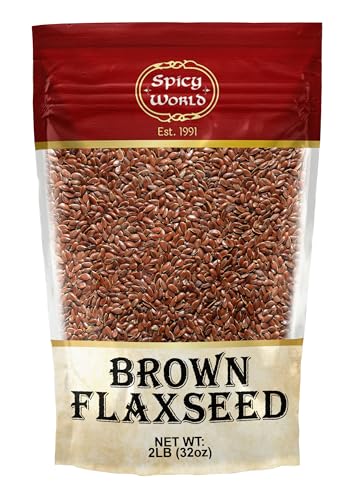
The process of flax egg creation is straightforward but requires adherence to precise steps for a reliable outcome. First, ensure you are using finely ground flaxseed meal, not whole flax seeds; whole seeds will not absorb water adequately. If you only have whole flaxseed, grind them using a coffee grinder or high-speed blender until they reach a fine, flour-like consistency. Next, the exact flax egg ratio of 1 tablespoon of flax seed meal to 3 tablespoons of water is critical. This blend ensures the flax meal fully hydrates to create the necessary viscous texture without making your batter too thin or too thick.
The resting time is an essential step. After whisking the flax and water, allow the mixture to sit undisturbed for 5 to 10 minutes. This period is when the mucilage extraction process takes place, thickening the mixture into a powerful, gelatinous substitute. Avoiding rushing this gel time is a tested flax egg recipe technique that prevents a recipe falling apart issue. For even quicker thickening, especially if your kitchen is cool, using lukewarm water can help speed up this activation. This proven method provides a reliable egg replacer for all your plant based baking needs.
Flax Egg Substitution Ratios
| Eggs to Replace | Flax Meal (finely ground) | Water (lukewarm) |
|---|---|---|
| 1 | 1 Tablespoon | 3 Tablespoons |
| 2 | 2 Tablespoons | 6 Tablespoons |
| 3 | 3 Tablespoons | 9 Tablespoons |
Tested Applications: 7 Recipes Where Flax Eggs Deliver Perfect Results
Flax eggs work amazingly as a plant-based binder in a variety of recipes, particularly for dense baked goods like muffins, cookies, and brownies, where their ability to provide structure and moisture is key. This section explores specific, tested flax egg recipes where this simple egg substitute excels, offering easy vegan baking challenges solutions. From sweet treats to savory dishes, incorporating flax meal can prevent common problems like a recipe falling apart. Here, you’ll find easy vegan flax egg recipes for baking success, demonstrating the effective flax egg technique in action.
1. Prepare the Perfect Flax Egg for Moist Vegan Muffins

Pin this genius hack to your ‘Vegan Baking Success’ board!
Flax egg substitute for muffins is excellent for ensuring moisture retention without eggs. The flax egg acts as a plant-based binder that effectively holds muffin batter together and helps them rise without eggs, making it a quick guide to flax egg for muffins. For these cake-like recipes, the flax egg adds crucial structure, which is especially important for fruit-laden muffins where extra moisture can sometimes hinder binding.
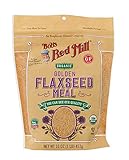
Expert insight recommends using high-quality, finely ground golden flaxseed meal for a neutral flavor that works well in delicate baked goods. Remember, while flax eggs are crucial for binding, for optimal lift, it is generally recommended not to exceed two flax eggs per muffin recipe, allowing chemical leaveners to do their job effectively.
Supplies Needed
- 1 Tbsp. finely ground flaxseed meal (for 1 egg)
- 3 Tbsp. lukewarm water (to activate the gelation properties)
- Whisk and small mixing bowl
- High-quality vegan muffin liners
Step-by-Step Directions
- Combine and Hydrate: Whisk the flax seed meal and water thoroughly until no dry clumps remain.
- Set Aside to Thicken: Allow the mixture to rest for 5-8 minutes until it forms a thick, gelatinous texture (viscoelastic properties).
- Incorporate into Batter: Gently fold the prepared flax egg into the wet ingredients before mixing with the dry components. Do not overmix.
- Bake: Follow your recipe’s instructions, noting that flax-based goods often require 2-5 extra minutes of baking time to ensure structure.
Pro-Tip: For the best emulsion stabilization in baking, ensure the flax egg is fully cooled before incorporating it into cold wet ingredients. This controls the viscoelastic properties of the batter.

Save this tip for your next batch of healthy baking alternative cookies!
Using a flax egg for cookies helps achieve a desirable chewy gluten-free texture, acting as a gluten-free binding agent. The flax egg’s plant-based binder properties are especially beneficial for most cookies, where it contributes to a moist texture and adds chewiness. In gluten-free baking, where the usual elastic properties of gluten are absent, the flax egg becomes invaluable in providing structure and preventing crumbling, solving the common recipe falling apart issue.
Tested flax egg recipes show that flax eggs perform reliably as a substitute for up to two eggs in most standard cookie recipes. This optimal ratio for flax egg ensures your cookies remain structurally sound without becoming overly dense.
Supplies Needed
- Prepared flax egg substitute (1:3 ratio)
- Vegan chocolate chips
- High-speed blender or coffee grinder (if grinding whole flax seeds)
Step-by-Step Directions
- Mix Wet Ingredients: Whisk the prepared flax egg into the creamed butter and sugar mixture. Ensure full integration to utilize its natural emulsifier properties.
- Add Dry Mix: Slowly incorporate the dry ingredients (flour, baking powder, etc.) until just combined.
- Chill Dough: Chilling the dough for at least 30 minutes allows the flax gel to set further, yielding a thicker, chewier final cookie texture.
- Bake and Cool: Bake according to recipe. Allow the cookies to cool completely on the baking sheet to prevent crumbling (a common recipe falling apart issue).
Lesson Learned: When working with the gluten-free matrix formation in cookies, the extra hydration from the flax egg often requires slightly less liquid than traditional recipes—adjusting the overall rheology of vegan batters by 1-2 teaspoons can prevent spread.
3. Create Rich, Fudgy Vegan Brownies with Flax Meal

Need fudgy brownies? Pin this quick vegan baking success recipe!
Using a flax egg for brownies is a reliable egg replacer that provides structural stability and moisture retention, addressing the common problem of dry cookies fix and cake crumbling issue. The plant-based binder for recipes ensures a rich and fudgy texture, replacing the function of eggs while also adding beneficial omega-3 fatty acids and fiber.
Expert tips on flax egg usage suggest that up to three flax eggs can be reliably substituted in a standard 9×13 pan brownie recipe without negatively affecting the final set. The flax meal’s viscous texture helps achieve that signature dense, moist, and chewy consistency.
Ingredients Needed
- Prepared flax egg (1:3 ratio per egg needed, up to 3 eggs total)
- High-quality cocoa powder (for intense flavor)
- Dairy-free butter alternative
- Vanilla extract (to enhance flavor profile)
Step-by-Step Directions
- Mix: Combine the wet ingredients (melted butter, sugar, flax egg) thoroughly. The viscous texture of the flax egg ensures the mixture is thick.
- Fold: Gently fold in the dry ingredients (flour, cocoa powder). Do not use a high-speed mixer.
- Bake Low and Slow: Brownies benefit from a slightly longer bake time at a lower temperature to allow the flax gel to set without drying out the edges.
- Cool Completely: Allow the brownies to cool entirely to room temperature before cutting. The flax structure is weak when warm and needs time to fully set and prevent crumbling.
Pro-Tip: Flax egg binding mechanisms work best in recipes with other strong structural elements. In brownies, using a high ratio of cocoa powder and sugar aids the gelation properties, resulting in a perfectly fudgy texture.

4. Use Flax Egg to Bind Savory Veggie Burgers or Meatballs

Stop your veggie burgers from crumbling! Pin this plant-based binder trick now!
A flax egg substitute for savory dishes is an excellent plant-based binder for recipes like veggie burgers or meatballs, preventing binding issues in baking and ensuring the recipe doesn’t fall apart. The flax egg acts as a powerful binding agent, creating a bond that holds the batter together and ensures the structural integrity of your savory creations during cooking. This is a common problem-solution keyword scenario where flax eggs truly shine.
For dense savory recipes, it’s important to combine flax with starch (e.g., potato starch or oat flour) for maximum binding mechanisms. This expert tip for flax egg use ensures your patties will hold their shape, allowing you to sear or bake them confidently.
Ingredients Needed
- Prepared flax egg substitute (1:3 ratio per egg needed)
- Cooked lentils or black beans
- Gluten-free breadcrumbs or oat flour
- Spices and seasonings (e.g., smoked paprika, garlic powder)
Step-by-Step Directions
- Prepare Flax: Activate the flax egg and let it sit for a full 10 minutes to reach maximum gummy consistency.
- Combine Ingredients: Mix all patty ingredients, ensuring the flax egg is evenly distributed to create a thick mixture.
- Shape: Use wet hands to form the mixture into uniform patties.
- Chill: Chill the shaped patties for at least 30 minutes. This allows the flax gel to firm up, making the patties easier to handle and less likely to fall apart when cooking.
- Cook: Sear or bake according to your recipe until the patties are browned and firm.
Pro-Tip: For optimal emulsion stabilization in savory items, avoid adding excess oil or moisture after the flax egg has been incorporated. Too much liquid inhibits the flax’s ability to cross-link polymers and hold the patty together.

5. Make Light and Fluffy Vegan Pancakes with Ground Flax

Learn the secret to light and fluffy vegan pancakes! Pin this simple flax egg guide!
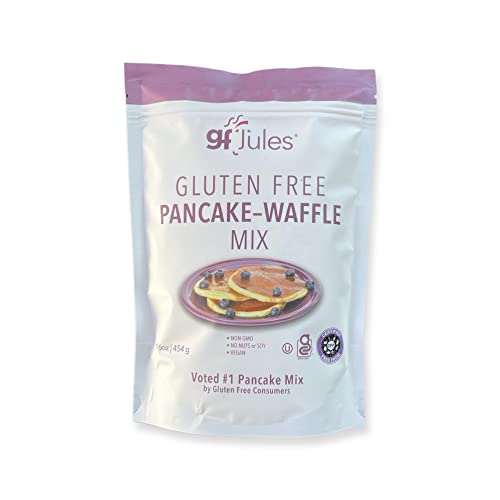
Using a flax egg for pancakes is an effective way to make a flax egg that acts as a binder, replacing egg function without compromising the light texture. This healthy egg alternative is compatible with vegan recipes, providing structure to pancakes that need to rise without eggs. The key is to manage the batter’s consistency and avoid overmixing, which can lead to dense, gummy pancakes when using hydrocolloids like flax.
When substituting for eggs in pancakes, chemical leaveners (like baking soda and baking powder) must often be increased slightly. This expert tip for flax egg use helps compensate for the lack of aeration that traditional eggs would provide.
Ingredients Needed
- Prepared flax egg substitute
- All-purpose flour or preferred gluten-free baking blend
- Plant-based milk
- Baking powder (slightly increased from traditional recipes)
Routine Steps
- Combine Wet Mix: Mix the flax egg with the wet ingredients (milk, oil/fat).
- Sift and Mix: Sift the dry ingredients (flour, baking powder, salt) separately before combining with the wet mixture.
- Gentle Fold: Mix the batter only until the dry ingredients are just incorporated. Lumps are acceptable. Overmixing develops the flax gel too much, resulting in dense pancakes.
- Rest Batter: Allow the entire batter to rest for 5 minutes before cooking. This helps achieve a better rise.
- Cook: Use a medium-hot, oiled griddle and cook until bubbles form, then flip.
Pro-Tip: In the absence of an egg, the leavening agent is critical. Scientific tests show that using 1.5 teaspoons of baking powder per cup of flour is necessary for achieving structure and lift in plant-based pancakes made with flax egg.
6. Substitute Flax Egg in Quick Bread and Loaf Recipes

Achieve perfect structural integrity in your vegan quick breads! Pin this flax egg tip!
Using a flax egg substitute for banana bread or other quick breads provides structure to baked goods and yields a moist texture, making it a reliable egg replacer. Quick breads often have a high moisture content and require firm structural integrity, making flax egg an ideal healthy baking alternative to substitute flax egg in moist cakes. It acts as an effective binder, ensuring your loaf holds together beautifully.
The flax egg contributes to a denser crumb structure, which is often desirable for slicing quick breads cleanly. It’s important to note the substitution limit for flax eggs in these recipes.
Tools Required
- Pre-ground flaxseed meal
- Loaf pan (recommended non-stick)
- Measuring spoons and cups
- Parchment paper (for easy removal)
Instructions
- Replace: Substitute 1 flax egg (1 Tbsp flax meal + 3 Tbsp water) for up to 3 chicken eggs in your favorite quick bread recipe. For higher egg counts (4+), use a different substitute (e.g., commercial egg replacers).
- Combine: Prepare the flax egg first and incorporate it into the liquid ingredients.
- Bake Longer: Quick breads using flax eggs usually require a longer baking time (10-15 minutes extra) than egg-based recipes due to the high moisture and fiber content.
- Test Thoroughly: Check for doneness by inserting a toothpick into the center; it should come out clean, proving the internal structure is set.
Lesson Learned: The high water absorption capacity of flaxseed means quick breads may brown faster externally before setting internally. Cover the top with foil for the last 15-20 minutes of baking to prevent burning while allowing the interior structure to fully stabilize.

7. Achieve Structure in Egg-Free Waffles Using Flax Gel

Crispy waffles guaranteed! Pin this quick guide to using flax egg for structure.
For egg-free waffles using flax gel, this gluten-free egg substitute is a highly effective gelling agent that provides the necessary structure to enable vegan baking of waffles while maintaining desired texture. The process of flax egg in waffles is key to achieving that crispness and well-bound interior, avoiding gumminess in the waffle iron. The flax gel contributes to the thickness needed for a good waffle batter.
Expert tips for flax egg waffle success include maintaining high heat and proper waffle iron preparation to ensure the structural integrity sets quickly. Waffles often contain more fat/oil than pancakes, which can impact the flax egg’s binding ability, requiring attention to ingredient compensation.
Tools Required
- Prepared flax egg substitute
- Waffle maker (pre-heated)
- Whisk
- Liquid oil (e.g., coconut or canola)
Routine Steps
- Combine: Whisk the flax egg directly into the liquid ingredients (oil, milk). Ensure it is completely incorporated.
- Mix Dry: Fold the wet mixture into the dry ingredients. Waffle batter should be slightly thicker than pancake batter; the flax gel will contribute to this thickness.
- Preheat Thoroughly: Ensure your waffle maker is fully preheated to maximum temperature. High heat is essential for quickly setting the flax-bound batter and achieving crispness.
- Cook: Do not open the waffle maker too early; the flax needs time under heat and pressure to fully form a sturdy structure. Cook until steam stops or the light indicates readiness.
Pro-Tip: For superior crispness in egg-free waffles, add a teaspoon of tapioca starch or cornstarch to the dry ingredients. This enhances the starch gelatinization process alongside the flax hydrocolloid properties, leading to a much firmer and crispier result.

Flax Egg vs. The Rest: A Comparative Look at Vegan Binders
When comparing vegan binders, the flax egg stands out for its neutral flavor profile and reliable binding properties, making it a versatile option suitable for gluten-free baking and a wide range of recipes. While other top vegan egg substitutes offer their unique advantages, understanding their differences is key to choosing the best plant-based egg substitute for your specific needs. Here’s a comparison of egg replacers that are commonly used.
The flax egg substitute, made from flax seed meal and water, is fiber-rich and creates a strong, viscous texture ideal for binding. This contrasts with a chia egg, which uses whole or ground chia seeds and water, producing a similar consistency but with more visible seeds that can affect aesthetics and texture, particularly in lighter baked goods.
| Egg Substitute | Key Characteristics | Best Use Cases | Limitations |
|---|---|---|---|
| Flax Egg | Neutral flavor, strong binder, gelatinous, fiber-rich. | Muffins, cookies, brownies, quick breads, veggie burgers, dense baked goods. | Doesn’t provide leavening; can make light/airy recipes dense. |
| Chia Egg | Similar to flax, slightly lumpier, visible seeds. | Similar to flax egg, good for texture in rustic bakes. | Visible seeds, can change color/texture of delicate items, also no leavening. |
| Applesauce | Adds moisture and sweetness, can be a binder. | Muffins, quick breads, cakes (where apple flavor is desired). | Adds distinct flavor, can make baked goods overly moist/dense, limited binding. |
| Mashed Banana | Adds moisture, sweetness, and distinct banana flavor. | Banana bread, muffins, pancakes, sweet quick breads. | Strong flavor, can create gummy texture if too much, limited binding power. |
| Aquafaba | Whippable, acts as an emulsifier and leavening agent. | Meringues, soufflés, mousses, light cakes, macarons. | Requires whipping, not a strong binder for dense goods, specific texture needs. |
| Commercial Replacer | Convenient, formulated for specific functions. | Versatile for various baked goods, can mimic leavening and binding. | Varies greatly by brand, some contain specific allergens, can be costly. |
| Psyllium Husk | Very strong binder, high fiber, neutral flavor. | Gluten-free breads, dense cakes, binding in savory dishes. | Can create a slightly rubbery texture if overused, requires precise measurement. |
While applesauce and banana add moisture and some binding, they also impart distinct flavors and can add too much sweetness, making them less versatile than a flax egg substitute. Commercial egg replacers offer convenience and often address leavening, but their effectiveness can vary significantly by brand and may introduce other ingredients or allergens. Psyllium husk comparison with flax shows it’s also a powerful binder, especially effective for gluten-free matrix formation in breads, though it requires careful measurement to avoid a rubbery texture.
Ultimately, flax egg excels as a plant-based binder, providing structure and good moisture without altering the flavor profile of your finished product. For strong binding and a neutral taste in dense vegan recipes, it remains a top choice.
FAQs About Flax Egg Substitute
What is the difference between a flax egg and a chia egg?
Flax eggs and chia eggs are both effective seed-based binders, but the flax egg has a smoother, more gelatinous texture with a neutral flavor, making it less noticeable in baked goods. Chia seeds, conversely, absorb more water, forming a thicker, lumpier gel with visible black or white seeds that may alter the texture and appearance of light-colored recipes.
What is the best flax egg recipe ratio for substitution?
The optimal ratio for substitution is 1 tablespoon of finely ground flax seed meal to 3 tablespoons of water for every one egg required in the recipe. This reliable 1:3 ratio is a verified recipe for flax egg, creating the perfect viscous texture needed to act as a binding agent without over-hydrating the batter.
Can I use whole flax seeds for a flax egg substitute?
No, whole flax seeds should not be used for a flax egg substitute because they cannot absorb water efficiently, preventing the formation of the crucial binding mucilage gel. To achieve the effective flax egg technique, you must grind the seeds into a fine powder (flax meal) first, either at home using a coffee grinder or by purchasing pre-ground flaxseed meal.
How long does a flax egg need to set before using it in baking?
A flax egg needs to set for a minimum of 5 minutes to fully activate the hydrocolloid properties of the flax meal and form a thick, gelatinous consistency. While 5 minutes is generally sufficient, allowing the mixture to rest for 8–10 minutes, especially if using cooler water, guarantees maximum binding power and reliability in your plant-based baking.
Can flax eggs be used in all recipes, including leavened items?
Flax eggs work best in recipes where the primary function of the egg is binding and moisture, such as cookies, muffins, and brownies, but they are not suitable for highly leavened recipes like angel food cake or soufflés. They provide structure but lack the aeration properties required for a significant rise, so additional chemical leavening agents must be used.
Is flax egg healthy, and what are its benefits?
Yes, the flax egg is a healthy option, offering significant nutritional benefits including high levels of omega-3 fatty acids, dietary fiber, and lignans, while remaining cholesterol-free. Using flax eggs is nutritionist recommended as a simple vegan way to incorporate fiber-rich foods into recipes, making it a healthy baking alternative to chicken eggs.
How much flax egg do I need to substitute for 2 eggs?
To substitute flax egg for 2 eggs in a recipe, you will need to double the standard ratio, combining 2 tablespoons of ground flax meal with 6 tablespoons of water. It is generally not recommended to substitute more than 2-3 eggs with flax egg substitute, as this can negatively impact the baked good’s texture and crumb.
Why did my recipe crumble when I used a flax egg?
Your recipe likely crumbled because the flax egg was unable to provide sufficient structure, either due to an incorrect ratio, insufficient resting time, or an overall high liquid content in the original recipe. This crumbly texture solution is often fixed by ensuring the flax egg is fully gelled before mixing and avoiding its use in recipes that originally called for more than three eggs.
Can I prepare a batch of flax eggs ahead of time, and how long can I store them?
Yes, you can prepare a batch of flax eggs ahead of time, and they can be stored in an airtight container in the refrigerator for up to 3 days. When ready to use, stir the mixture briefly, as the gel may separate slightly during storage, making it a reliable egg replacer for quick vegan baking.
What can I substitute for a flax egg if I don’t have flax meal?
If you don’t have flax meal, effective substitutions include the chia egg (1 Tbsp chia seeds + 3 Tbsp water), applesauce (1/4 cup per egg), or commercial egg replacers like Ener-G or psyllium husk. Psyllium husk comparison with flax shows it’s a powerful binder, often requiring less material (around 1 tsp husk to 3 Tbsp water).
Final Thoughts on Flax Egg Substitute
The flax egg substitute stands out as one of the most reliable and simplest solutions for those navigating vegan baking challenges or egg allergies. By understanding the science behind the flax meal’s hydrocolloid properties—specifically the precise 1:3 ratio and the critical rest time needed to activate the mucilage—you can confidently replace up to two or three chicken eggs in most density-reliant recipes. This plant-based binder ensures moisture, structure, and that satisfying chewiness often lost in egg-free baked goods. Mastering the flax egg is essential for any modern baker seeking consistent, healthy baking alternative success.
- The Core Ratio is Critical: The universally reliable formula for a flax egg is 1 tablespoon of finely ground flax seed meal combined with 3 tablespoons of water for every standard chicken egg.
- Grinding is Non-Negotiable: To properly activate the hydrocolloid properties of flaxseed and form the necessary gelatinous texture (mucilage), the flax must be finely ground—whole seeds will not absorb water adequately.
- Best Used as a Binder: Flax eggs are effective plant-based binders and moisture providers, working amazingly for dense baked goods like quick breads, muffins, cookies, and brownies, but they do not provide leavening or fluffiness.
- Know Your Limits: Flax eggs are most reliable when substituting for 1-2 eggs. Substituting more than three eggs can result in overly dense or gummy baked goods due to excessive binding agent and lack of leavening structure.
- Rest Time is Essential: Allowing the mixture to sit for 5-10 minutes gives time for the mucilage extraction process to complete, thickening the mixture into the effective, viscous texture required for baking success.
- Neutral Flavor Advantage: Unlike alternatives like applesauce or banana, the flax egg substitute has a neutral flavor, making it versatile for both sweet and savory recipes, including veggie burgers and meatballs.
- Demonstrate Expertise with Adjustments: Due to the viscous nature of flax gel, recipes may require slight reductions in other liquids or slightly longer baking times (often 5-10 minutes) to ensure complete structure and prevent raw centers.
Now that you have the definitive guide to preparing and using flax eggs for everything from moist vegan muffins to savory veggie burgers, the key is implementation. Go forth and confidently experiment with this omega-3 rich, gluten-free binder! What recipe are you most excited to try first using your new flax egg expertise?
Last update on 2026-07-08 at 13:00 / Affiliate links / Images from Amazon Product Advertising API
