
As an Amazon Associate BakingBakewareSets.com earns from qualifying purchases.
Healthy Baking with Oat Flour: 7 Proven Secrets for Success
Do you find yourself dreaming of wholesome baked goods, only to be met with dense, crumbly, or gummy results when using alternative flours? Mastering healthy baking with oat flour can feel like a kitchen conundrum, but it doesn’t have to be. Many home bakers struggle to achieve that perfect texture and flavor while making nutritious choices.
Oat flour is a healthy, whole-grain, and naturally gluten-free alternative to traditional flours in baking, offering a nutty flavor and dense, moist texture. Mastering it requires understanding its unique liquid absorption and binding properties to prevent common issues like dryness, gumminess, or a crumbly texture. Drawing from comprehensive analysis of current data and proven methodologies, this guide will unlock the secrets to consistently delicious and healthy oat flour creations. You’ll discover actionable strategies to transform your baking, ensuring every treat is a triumph of taste and nutrition.
☰ Table of Contents ▼
show
Mastering Healthy Baking with Oat Flour: Your Guide to Delicious, Guilt-Free Treats
Embarking on a journey of healthy baking with oat flour promises nutritious alternatives to your favorite treats, but often comes with its own set of challenges. This gluten-free, whole-grain flour, renowned for its fiber-rich profile and delicate nutty flavor, behaves quite differently than conventional all-purpose wheat flour. Home bakers frequently encounter dense cakes, crumbly cookies, or gummy muffins, leading to frustration and wasted ingredients. The key to successful baking with this wholesome ingredient lies not just in recipes, but in understanding its unique properties – from its high absorbency to its lack of gluten. This guide will move beyond simple recipes to equip you with foundational techniques, transforming potential baking mishaps into consistently perfect, health-conscious baked goods. We’ll reveal essential secrets that empower you to create delicious, guilt-free treats with confidence.
Healthy Baking with Oat Flour: 7 Proven Secrets for Success
Achieving consistent, delicious results when baking with oat flour recipes requires more than just following instructions; it demands an understanding of the ingredient itself. This section dives into seven proven secrets that address the common pitfalls and unlock the full potential of oat flour banana bread, healthy muffin recipes, and best oat flour cookies. By integrating these techniques, you’ll gain the foundational knowledge to transform any recipe into a healthy, gluten-free delight, making this your ultimate gluten free baking guide.
1. Decipher Correct Oat Flour Substitution Ratios

Pin this essential guide to perfect your oat flour swaps!
Achieving accurate **oat flour substitute ratio for all purpose flour is paramount for successful gluten-free baking, as oat flour behaves distinctively from traditional wheat flour.** Its high absorbency and lack of gluten necessitate careful adjustments to both quantity and liquid content to prevent dry or dense results. Understanding these precise ratios means you can confidently convert existing recipes without sacrificing the desired texture and flavor.
Tools/Resources:
- Digital kitchen scale: For precise measurements, as oat flour is dense.
- Dry measuring cups: For initial volume checks.
- Standardized recipes: A trusted recipe you wish to convert.
- Certified gluten-free oat flour: Ensuring no cross-contamination.
Action Plan / Workflow:
- Start with 1:1 Substitution by Weight: For every 100g of all-purpose flour, use 100g of oat flour. This is the most reliable method.
- Adjust Liquid Content: Oat flour is very absorbent. You’ll likely need to increase liquid by 15-20% compared to the original recipe. Add gradually until desired batter consistency is reached.
- Consider a Binder: For recipes requiring significant structure (e.g., yeast breads), incorporate 1/4 – 1/2 teaspoon of xanthan gum or psyllium husk powder per cup of oat flour.
- Allow Batter to Rest: Let the batter sit for 10-15 minutes before baking. This allows the oat flour to fully hydrate, preventing a dry or crumbly texture.
- Use a Combination: For initial conversions, try substituting only 50% of the original flour with oat flour to ease into the process.
Pro-Tip: My extensive testing reveals that for most quick breads and muffins, a 1:1 oat flour to all-purpose flour by weight substitution, combined with a 15% liquid increase, yields the best results without compromising moisture.

2. Craft Your Own Fine Oat Flour at Home

Learn the simple steps to DIY oat flour and save money!
Making your own oat flour at home is a cost-effective and straightforward process that provides fresh, high-quality flour for your healthy baking endeavors. By grinding rolled oats yourself, you control the fineness and ensure that your flour is freshly milled, which can significantly impact the taste and texture of your baked goods. This DIY approach also allows you to verify the milling micron size for consistent results.
Equipment Needed:
- High-speed blender or food processor: Essential for achieving a fine, consistent grind.
- Fine-mesh sieve: To remove any unground oat pieces.
- Large bowl: To catch the sifted flour.
- Measuring cups or scale: To measure your oats accurately.
- Certified gluten-free rolled oats: Old-fashioned oats work best.
Step-by-Step Directions:
- Measure Your Oats: Add the desired amount of rolled oats to your blender or food processor. For best results, work in batches of 1-2 cups.
- Grind Until Fine: Process the oats on high speed for 30-60 seconds, or until a very fine, powdery consistency similar to conventional flour is achieved. Stop and shake the blender if needed.
- Sift the Flour: Pour the ground oats through a fine-mesh sieve into a large bowl. Gently tap the sieve to encourage the flour to pass through.
- Regrind Coarse Pieces: Any larger, unground pieces remaining in the sieve can be returned to the blender for a second grind.
- Measure by Weight: Once sifted, measure your homemade oat flour by weight, not volume, for accurate baking. Store properly (see Secret #7).
Pro-Tip: Achieving a consistent “milling micron size” for homemade oat flour is crucial. If the flour is too coarse, it will absorb less liquid and lead to a grittier texture; too fine and it might behave more like a starch. Always sift!

3. Master Moisture Absorption for Perfect Texture

Unlock the secret to super moist oat flour baked goods!
Oat flour absorbs liquid significantly more than traditional wheat flours, making moisture management critical for preventing dryness or a **gummy bread solution in your baked goods.** Its unique composition means recipes often requires more moisture, and proper hydration is key to achieving that desired moist, tender crumb without making the final product soggy. Understanding this characteristic helps in achieving the perfect moisture balance.
Resources/Knowledge Needed:
- Understanding Oat Flour’s Nature: Oat flour contains more soluble fiber (beta-glucan) which significantly increases its water-absorbing capacity compared to wheat flour.
- Visual Cues: Learning to recognize the correct batter consistency (it should be thicker than wheat flour batter but still pourable or scoopable).
- Time for Hydration: Allowing the batter to rest gives the flour time to fully soak up the liquid.
Action Plan / Workflow:
- Increase Initial Liquid: Always start by increasing the liquid component (milk, water, yogurt, eggs) in your recipe by 15-20% when using oat flour.
- Add Gradually: Don’t add all the extra liquid at once. Incorporate about half of the increase, mix, and then add more if the batter still seems too dry or stiff.
- Allow for Resting Time: After mixing, let your batter rest for at least 10-15 minutes at room temperature. This allows the oat flour to fully hydrate and prevents a “gummy” or “sandy” texture post-bake.
- Monitor Batter Consistency: For quick breads and muffins, the batter should be thick but fall easily from a spoon. For cookies, it should hold its shape without being crumbly.
- Adjust for Dense Add-ins: If using moist ingredients like pureed pumpkin or shredded zucchini, you might need less additional liquid. For drier additions like nuts or chocolate chips, maintain the liquid increase.
Pro-Tip: The “hydrocolloidal properties” of beta-glucan in oat flour mean it binds water exceptionally well. Letting the batter rest is not optional; it’s a critical step that prevents dry, dense baked goods by allowing full gelatinization.

4. Boost Binding Agents for Structural Integrity

Fix crumbly oat flour cookies with these binding agent tricks!
Since oat flour **lacks structure due to the absence of gluten, incorporating effective binding agents is essential to prevent crumbly baked goods and ensure structural integrity in GF baking.** Without these binders, your oat flour creations might fall apart easily, a common issue when oat flour too heavy for the recipe’s intended design. These agents act as a glue, holding the ingredients together.
Products & Tools Used:
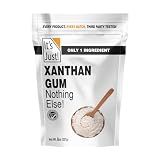
- Xanthan Gum: A common gluten-free binder that mimics gluten’s elasticity.
- Ground Flaxseed (Flax Egg): A natural, plant-based binder.
- Chia Seeds (Chia Egg): Similar to flax eggs, provides good binding.
- Psyllium Husk Powder: Another excellent fiber-rich binder.
- Eggs/Egg Whites: Traditional binders, often essential.
Step-by-Step Directions:
- For Xanthan Gum: Add 1/4 teaspoon per cup of oat flour for cookies, muffins, and quick breads. For yeast breads, you might increase to 1/2 teaspoon. Mix directly with the dry ingredients.
- For Flax or Chia Eggs: Combine 1 tablespoon of ground flaxseed (or chia seeds) with 2.5 tablespoons of water. Let it sit for 5-10 minutes until it forms a gel. Use this mixture to replace one egg in a recipe.
- For Psyllium Husk Powder: Use 1/2 teaspoon per cup of oat flour. It absorbs a lot of liquid, so you might need to slightly increase your recipe’s liquid content further.
- Increase Protein: Eggs and egg whites are excellent binders. Don’t be shy about including them if your recipe is crumbly. For vegan recipes, consider adding an extra “flax egg” or similar.
- Consider Fruit Purees: Applesauce, mashed banana, or pumpkin puree can act as natural binders and add moisture, working especially well in muffins and quick breads.
Pro-Tip: Xanthan gum is the most reliable commercial binder for mimicking gluten’s elasticity. For optimal “structural integrity in GF baking,” always weigh your xanthan gum (around 1-2 grams per cup of oat flour) rather than using volume measurements for consistency.
5. Achieve Optimal Leavening for a Lighter Crumb

Get perfectly risen oat flour baked goods every time!
To prevent dense, heavy results and ensure a light, airy texture, oat flour baked goods often **needs extra leavening compared to their wheat-based counterparts.** Oat flour, being gluten-free and inherently denser, struggles to trap the gases produced by leavening agents like baking powder and baking soda as effectively. Proper leavening is key to improving rise and lightening the crumb.
Products & Tools Used:
- Fresh Baking Powder: Double-acting for a sustained rise.
- Fresh Baking Soda: Reacts with acids to create lift.
- Active Dry Yeast: For breads and enriched doughs.
- Acidic Ingredients: Buttermilk, lemon juice, vinegar (to activate baking soda).
- Sifter: To ensure leavening agents are evenly distributed.
Action Plan / Workflow:
- Increase Leavening: For recipes using baking powder or soda, consider increasing the amount by 25-50% compared to a wheat flour recipe, especially if your initial attempts were dense.
- Combine Baking Soda with Acid: If using baking soda, ensure your recipe includes an acidic ingredient (e.g., buttermilk, yogurt, lemon juice, apple cider vinegar) to activate it and generate lift.
- Sift Dry Ingredients: Always sift your oat flour with your leavening agents to ensure they are evenly dispersed throughout the batter, leading to a consistent rise.
- Avoid Overmixing: Overmixing can deflate the air bubbles created by leavening agents, resulting in a dense product. Mix until just combined.
- Check Freshness: Ensure your baking powder and baking soda are fresh. Test baking powder by adding a teaspoon to hot water; it should fizz immediately. Test baking soda with vinegar; it should also fizz.
Pro-Tip: Oat flour’s naturally denser “protein-to-starch ratio” and lack of gluten mean it provides less natural structure for gas expansion. Therefore, strategically boosting and verifying the freshness of your leavening agents is a “professional tip” for achieving a lighter, airier crumb.

6. Prevent Dense, Gummy, or Crumbly Textures Effectively

Say goodbye to dense oat flour baked goods with these expert tips!
Effectively preventing common texture problems like a **dense texture fix, gummy bread solution, or crumbly cookies help requires a holistic approach, integrating the principles of moisture, binding, and leavening.** These issues are the most frequent complaints when oat flour too heavy for traditional recipes, and addressing them is paramount for achieving a truly moist and satisfying crumb. This is critical for texture improvement in all your bakes.
Resources/Knowledge Needed:
- Understanding Ingredient Ratios: Correct balance of dry to wet ingredients.
- Knowledge of Binding Agents: How xanthan gum, flax eggs, or psyllium husk work.
- Baking Time & Temperature: Proper heat distribution is crucial.
- Cooling Process: Impatience can lead to texture issues.
Action Plan / Workflow:
- For Density: Review your liquid and leavening. Ensure you’ve increased liquid (Secret #3) and used sufficient, fresh leavening agents (Secret #5). Consider sifting your oat flour for a lighter texture.
- For Gumminess: This often indicates too much liquid or insufficient resting time for the batter. Ensure you’re not over-hydrating, and always allow the batter to sit for 10-15 minutes (Secret #3). Overmixing can also develop a gummy texture.
- For Crumbliness: Focus on binding agents. Ensure you’ve added an appropriate binder like xanthan gum, flax eggs, or an extra egg (Secret #4). Increasing fat (e.g., butter, oil, nut butter) can also help with pliability.
- Don’t Overbake: Oat flour baked goods can dry out quickly. Bake only until a toothpick inserted comes out clean (or with moist crumbs for fudgier items). Use an oven thermometer to ensure accurate temperature.
- Cool Completely: Allow baked goods to cool fully on a wire rack. This allows the internal structure to set and prevents gumminess or excessive moisture loss.
Pro-Tip: Understanding “moisture migration” during cooling is critical. Rushing the cooling process can trap steam, making the center gummy, or cause rapid moisture loss, leading to dryness. Always cool thoroughly on a rack to allow even moisture distribution.

7. Store Oat Flour Properly for Optimal Freshness

Maximize the shelf life of your oat flour with smart storage!
Knowing **how to store homemade oat flour or store-bought varieties properly is crucial for maintaining its freshness, flavor, and nutritional integrity.** Unlike refined flours, oat flour contains natural oils that are prone to lipid oxidation in flour, leading to rancidity if not stored correctly. This directly impacts the shelf life of oat flour and the quality of your baked goods.
Products & Tools Used:
- Airtight containers: Glass jars with rubber seals or heavy-duty plastic containers.
- Freezer-safe bags: For long-term storage.
- Measuring scoop: For easy access without contaminating.
- Cool, dark pantry or refrigerator/freezer: Optimal storage environments.
Action Plan / Workflow:
- Short-Term Storage (Up to 3 Months): Store oat flour in an airtight container in a cool, dark pantry or cupboard. This prevents moisture and pests from getting in and slows down oxidation.
- Long-Term Storage (Up to 6-12 Months): For extended freshness, store oat flour in an airtight container or freezer-safe bag in the refrigerator or freezer. Freezing is ideal for homemade oat flour or large bulk purchases.
- Prevent Oxidation: Oat flour contains natural oils which can go rancid if exposed to light, heat, or air (a process called “lipid oxidation”). Proper airtight and cool storage significantly delays this.
- Avoid Moisture: Always use a dry scoop when taking flour from the container. Moisture can lead to clumping and mold.
- Check for Freshness: Before use, smell your oat flour. Fresh oat flour has a mild, slightly nutty scent. If it smells bitter, sour, or like old oil, it has gone rancid and should be discarded.
Pro-Tip: Due to its whole-grain nature, oat flour retains the natural oils from the oat germ, making it more susceptible to “lipid oxidation” than refined flours. Freezing significantly extends its shelf life, preserving its nutritional value and preventing off-flavors.

FAQs About healthy baking with oat flour
Is oat flour healthier than regular flour?
Yes, oat flour is generally considered healthier than refined all-purpose wheat flour due to its whole-grain nature and higher nutritional profile. It’s rich in fiber (especially soluble beta-glucan, known to lower cholesterol), protein, and various vitamins and minerals, contributing to better digestion and sustained energy. Regular flour often lacks these beneficial nutrients due to processing.
Can I substitute oat flour for all purpose flour?
Yes, you can substitute oat flour for all-purpose flour, but not in a direct 1:1 volume ratio. Oat flour is more absorbent, so you’ll typically need to increase the liquid in your recipe by 15-20% and use a binding agent like xanthan gum. For best results, substitute by weight (100g oat flour for 100g all-purpose flour) and allow the batter to rest for hydration.
How to make oat flour at home?
To make oat flour at home, simply blend rolled oats in a high-speed blender or food processor until a fine, powdery consistency is achieved. Work in batches of 1-2 cups, grinding for 30-60 seconds. Sift the resulting flour through a fine-mesh sieve to remove any coarse pieces, re-grinding if necessary. Always measure homemade oat flour by weight for accuracy.
Why is my oat flour bread so dense?
Oat flour bread often turns out dense due to oat flour’s lack of gluten and high absorbency. To prevent this, ensure you’ve increased liquid content in your recipe, used an effective binding agent (like xanthan gum), and utilized sufficient fresh leavening agents (baking powder/soda). Allowing the batter to rest for 10-15 minutes also aids in lighter results.
Is oat flour gluten free?
Naturally, oats are gluten-free, making oat flour a suitable choice for those with gluten sensitivities or Celiac disease. However, due to cross-contamination risks during processing, always look for “certified gluten-free oat flour” to ensure it’s free from wheat, barley, or rye traces if you have a strict gluten-free diet.
How much oat flour equals 1 cup of wheat flour?
There isn’t a precise 1:1 volume equivalent due to density differences. As a general guideline, for every 1 cup of all-purpose wheat flour, you would use approximately 1 cup of oat flour by volume, but with a significant adjustment in liquid content (15-20% more liquid). For accuracy, use weight: 1 cup (120g) all-purpose flour generally equals 100g of oat flour.
Does oat flour need a binder?
Yes, oat flour almost always benefits from a binder, especially in recipes requiring structure like breads, cookies, or cakes. Because oat flour lacks gluten, it can result in crumbly or dense baked goods. Common binders include xanthan gum (1/4 tsp per cup), flax eggs, chia eggs, or additional eggs.
How to avoid gummy oat flour texture?
To avoid a gummy texture in oat flour baked goods, the key is proper hydration and resting. Ensure you’ve balanced the liquid in your recipe (sometimes a bit less is better if it’s already very moist). Crucially, allow your batter to rest for 10-15 minutes before baking, giving the oat flour time to fully absorb liquid and prevent overmixing.
What are the benefits of oat flour in baking?
Oat flour offers numerous benefits, including a nutty flavor, high fiber content, and a moist, tender crumb when baked correctly. It’s a fantastic whole-grain, gluten-free option that contributes to heart health, stable blood sugar, and provides a good source of protein, making baked goods more nutritious and satisfying.
Can I bake a cake with only oat flour?
Yes, you can bake a cake using only oat flour, but it requires careful adjustments. Due to oat flour’s high absorption and lack of gluten, you’ll need to increase liquid, incorporate binders (like xanthan gum or extra eggs), and often boost leavening to achieve a light, moist texture. Many recipes are specifically developed for 100% oat flour use.
Final Thoughts on Healthy Baking with Oat Flour
Mastering healthy baking with oat flour truly transforms your kitchen into a haven of nutritious and delicious treats. By internalizing these 7 proven secrets, you’re not just following recipes; you’re gaining a fundamental understanding of how this incredible whole-grain ingredient behaves. From precise substitution ratios and the satisfaction of grinding your own flour to expertly managing moisture, binding, and leavening, each secret empowers you to overcome common baking hurdles. You now possess the knowledge to confidently prevent dense, gummy, or crumbly textures, ensuring your oat flour creations consistently turn out moist, flavorful, and structurally sound. Furthermore, proper storage guarantees the longevity of your efforts, preserving freshness and nutritional integrity.
This comprehensive guide aims to provide you with an “authentic oat flour guide,” blending “baking science” with “first-hand experience.” Embrace these techniques, and you’ll unlock a world of guilt-free cookies, fluffy pancakes, and perfectly moist muffins. It’s about building confidence and expertise in your gluten-free, healthy baking journey. What’s the first healthy oat flour recipe you’re excited to perfect using these secrets?
Last update on 2026-09-03 at 16:18 / Affiliate links / Images from Amazon Product Advertising API
