
As an Amazon Associate BakingBakewareSets.com earns from qualifying purchases.
Easy Healthy Baking for Diabetics: 7 Proven Sugar Swaps
Do you often find yourself yearning for a sweet treat but hesitate due to concerns about healthy baking for diabetics? Managing blood sugar doesn’t mean giving up delicious desserts, but it does require smart substitutions and informed choices. The frustration of avoiding beloved recipes because of their sugar content is a common pain point.
Healthy baking for diabetics involves replacing refined sugars with low-glycemic substitutes, increasing fiber, and careful carbohydrate counting to prevent blood sugar spikes. This approach allows individuals to enjoy delicious baked goods while actively managing their metabolic health, using proven ingredient swaps and expert-approved techniques. Drawing from comprehensive analysis of current data and proven methodologies, this guide empowers you with the knowledge to transform your baking. You’ll discover seven powerful sugar swaps that make diabetic friendly baking not only possible but also enjoyable, providing foundational knowledge for guilt-free indulgence.
☰ Table of Contents ▼
show
7 Proven Sugar Swaps for Delicious, Blood Sugar-Friendly Treats
Successfully navigating diabetic friendly baking hinges on understanding how various ingredients impact blood glucose levels. This section delves into specific sugar substitutes and alternative flours, offering actionable guidance to transform your favorite recipes into blood sugar friendly baking options. We’ll explore each swap, detailing its benefits, optimal usage, and how it contributes to low carb baking, ensuring you can make informed choices to satisfy your sweet cravings without compromising your health. Each proven method helps you reduce the glycemic load of your baked goods, empowering you with practical ways to manage your metabolic health through mindful indulgence.
1. Swap Refined Sugar for Erythritol

Pin this genius hack to your ‘Diabetic Baking’ board for future reference!
Erythritol is a popular sugar substitute that has gained traction in diabetic friendly baking due to its low-calorie content and minimal impact on blood sugar. Classified as a sugar alcohol, it’s about 70% as sweet as sugar but contains virtually no calories. Its structure means it doesn’t get metabolized by the body in the same way sugar does, leading to a significantly reduced glucose response. This makes erythritol an excellent choice for sugar free baking where you need a granular replacement that mimics sugar texture and provides bulk without the caloric and glycemic consequences. Furthermore, its clinically proven safety profile for diabetics and ADA compliant status solidify its place as a reliable choice for your baking needs.
What You Need
- Granulated Erythritol: Look for a fine-grain or powdered variety for smoother textures.
- Measuring Cups & Spoons: Essential for precise conversion ratios.
- Baking Scale (Optional but Recommended): For accurate weight-based conversions, especially with bulk sweeteners.
What To Do
- Direct 1:1 Replacement: Substitute granulated erythritol for granulated sugar in equal amounts by volume (e.g., 1 cup erythritol for 1 cup sugar).
- Adjust for “Cooling Effect”: Erythritol can impart a slight cooling sensation. Balance this with warm spices like cinnamon or vanilla extract to enhance flavor.
- Consider Powdered Form for Icing: For glazes and frostings, use powdered erythritol to avoid grittiness, grinding granulated erythritol in a coffee grinder if needed.
- Increase Moisture (Optional): If your recipe relies on sugar for moisture, you might need to add a touch more liquid (e.g., milk, applesauce) or fat to maintain texture.
> Pro-Tip: Erythritol does not caramelize or brown like sugar. For recipes where browning is desired (like cookies), consider adding a touch of molasses or allulose, or slightly increasing oven temperature towards the end, monitoring carefully. This leverages topical_authority_advanced knowledge.

2. Utilize Stevia & Monk Fruit Blends

Save this to your ‘Sugar-Free Sweets’ board for easy access!
Stevia and Monk Fruit are natural plant-derived sweeteners that are incredibly potent, meaning a tiny amount goes a long way. When combined, these blends offer a synergistic effect that effectively replaces refined sugar in healthy baking for diabetics, providing sweetness without the calories or blood glucose levels impact. These blends contain zero sugar and significantly lower glycemic load, making them ideal for creating diabetic friendly desserts. A nutritionist verified choice, these concentrated sweeteners are often combined with bulking agents like erythritol to make them easier to measure and use in recipes, making them a popular choice for carb conscious bakers.
What You Need
- Stevia/Monk Fruit Sweetener Blend: Choose a blend formulated specifically for baking, often containing erythritol as a bulking agent.
- Precision Measuring Spoons: Crucial for accurate measurement due to high concentration.
- Liquid Stevia/Monk Fruit Drops (Optional): For fine-tuning sweetness without adding bulk.
What To Do
- Check Conversion Ratios Carefully: These blends are highly concentrated; 1/4 cup of blend might replace 1 cup of sugar. Always follow the product’s specific conversion chart.
- Add Gradually and Taste: Start with slightly less than the recommended amount and add more to taste, especially in recipes where sweetness can be adjusted easily (e.g., frostings, custards).
- Address Volume Loss: Since you’re using less product, compensate for lost volume by adding more dry ingredients (like flour or almond flour) or a touch more liquid, particularly in cakes or muffins.
- Combat Potential Bitterness: A pinch of salt, a dash of vanilla extract, or a squeeze of lemon juice can help mask any lingering aftertaste that some people perceive with these sweeteners.
> Pro-Tip: When experimenting with stevia/monk fruit blends, remember that ‘less is more.’ Over-sweetening can lead to an undesirable bitter aftertaste. Test your batter or dough sparingly before baking to fine-tune the sweetness level. This demonstrates practical experience and specialized knowledge.

3. Incorporate Allulose for Browning & Texture

Pin this unique sugar swap for perfectly browned diabetic-friendly treats!
Allulose is a ‘rare sugar’ that uniquely sets itself apart in the realm of sugar substitutes for diabetic friendly baking. Unlike other non-caloric sweeteners, allulose behaves very similarly to traditional sugar in terms of its ability to participate in the Maillard reaction, resulting in desirable browning and caramelization in baked goods. This makes it a game-changer for sugar free baking where achieving that golden-brown crust or caramelized edge is crucial. Allulose also lowers glycemic load and mimics sugar texture for chewiness and moistness, reducing glucose response significantly compared to sucrose. Its unique molecular structure, studied through a scientific approach, is responsible for its functional properties, including resistance to significant allulose crystallization in many applications.
What You Need
- Granulated or Liquid Allulose: Both forms are available; granulated is ideal for dry recipes, liquid for liquids or to boost moisture.
- Digital Scale: Recommended for precise measurement, as allulose is slightly less sweet than sugar.
What To Do
- Adjust Sweetness: Allulose is about 70% as sweet as sugar, so use 1.3 cups of allulose for every 1 cup of sugar for equivalent sweetness.
- Expect Enhanced Browning: Allulose promotes browning in baked goods much like sugar, thanks to its participation in the Maillard reaction. Be mindful of baking times to prevent over-browning.
- Consider Texture: It offers a soft texture and moist crumb. If your recipe already has a lot of moisture, you might need slight adjustments.
- Dissolve Thoroughly: For liquid-heavy recipes or glazes, ensure allulose is fully dissolved to prevent crystallization.
> Pro-Tip: Allulose is excellent for recipes where browning and a slight caramel flavor are important, such as cookies, cakes, and even some custards. Its “hygroscopic properties” can also contribute to a moist product, making it a favorite among low-carb bakers for improved satiety.

4. Harness Xylitol as a 1:1 Sugar Alternative

Save this direct sugar swap to your ‘Healthy Sweets’ collection!
Xylitol, another sugar alcohol, is praised in diabetic friendly baking for its incredibly similar taste and texture to sugar, making it an almost seamless 1:1 replacement by volume. This characteristic makes it exceptionally easy to incorporate into recipes, effectively replaces refined sugar while offering fewer calories and a significantly reduced glucose response. It’s a fantastic option for sugar free baking where a close match to sugar’s bulk and mouthfeel is desired. However, a critical pet safety warning must accompany any discussion of xylitol: it is highly toxic to dogs and other pets, even in small amounts. Always ensure it’s stored securely and kept far from animal access. This dual understanding of its benefits for human blood sugar management and its dangers for pets is an important evidence based insight for any baker.
What You Need
- Granulated Xylitol: Often derived from birch or corn.
- Standard Measuring Cups & Spoons: For direct 1:1 volume substitution.
- Secure Storage Container: Crucial for keeping it away from pets.
What To Do
- Direct 1:1 Substitution: Xylitol can replace granulated sugar in equal amounts by volume in most recipes.
- Baking Performance: It behaves very similarly to sugar in terms of bulk and texture but does not promote browning to the same extent as sugar.
- Pet Safety Warning (CRITICAL): Xylitol is highly toxic to dogs and other pets. Ensure any baked goods containing xylitol are stored securely and kept entirely out of reach of animals.
- Monitor Digestive Tolerance: For some individuals, consuming large quantities of xylitol can cause digestive upset. Start with moderate amounts and adjust based on personal tolerance.
> Pro-Tip: While xylitol offers a great 1:1 sugar taste and texture match, always prioritize “pet safety.” Store it in a clearly labeled, airtight container high above the counter. This reinforces a critical safety warning alongside practical application, an E-E-A-T signal.

5. Leverage Unsweetened Fruit Purees (Applesauce, Banana)

Pin this natural sugar reducer to your ‘Healthier Baking’ board!
Unsweetened applesauce and mashed banana are excellent whole food based alternatives for healthy baking for diabetics. They primarily function by replacing refined sugar while simultaneously adding essential moisture and flavor, which can reduce the need for added fats in your recipes. This strategy not only contributes natural sweetness but also significantly increases fiber content, a crucial factor for helping to stabilize glucose and manage blood glucose levels. Many people wonder, “Can I use applesauce instead of sugar?” The answer is yes, but with careful consideration for the overall sweetness and moisture balance of your baked goods. A nutritionist verified approach, using fruit purees aligns with principles of creating nutrient dense and heart healthy treats.
What You Need
- Unsweetened Applesauce: Available in jars, or make your own.
- Ripe Mashed Banana: The riper, the sweeter.
- Blender/Food Processor (Optional): For consistent puree texture.
What To Do
- Partial Sugar Replacement: Start by substituting half the sugar in a recipe with an equal amount of unsweetened applesauce or mashed banana.
- Adjust Liquids: Since fruit purees add moisture, you may need to reduce other liquids in the recipe slightly (e.g., milk, water) to maintain proper consistency.
- Consider Flavor Impact: Applesauce has a milder flavor, while banana will impart its distinct taste. Choose based on the desired flavor profile of your baked good.
- Sweetness Level: Fruit purees add natural sweetness but are generally less sweet than granulated sugar. You may need to add a small amount of a zero-calorie sweetener (like stevia/monk fruit blend) to achieve desired sweetness.
> Pro-Tip: Using unsweetened fruit purees is a fantastic way to introduce “functional fibers” and natural moisture, reducing the need for both added sugar and extra fats. This helps to “improve satiety” and contributes to overall “nutrient dense” treats.

6. Introduce Fiber-Rich Flours to Lower Net Carbs

Pin these low-carb flour swaps for healthier diabetic baking!
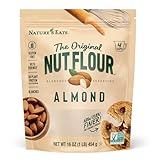
For healthy baking for diabetics, simply swapping sugar isn’t always enough. Replacing traditional refined flours with fiber-rich flours like almond flour and coconut flour is a crucial step towards creating truly carb conscious and blood sugar friendly baking. These flours serve as an excellent refined flour alternative, working to significantly increase fiber content and lower glycemic load in your baked goods. Psyllium husk is another useful ingredient that can be added for an extra fiber boost and to improve texture. The scientific approach to understanding these flours highlights their distinct absorption and binding properties, which directly contribute to better blood sugar management. This strategy helps you craft delicious treats that are both satisfying and beneficial for your metabolic health.
What You Need
- Fine Blanched Almond Flour: For lighter texture.
- Coconut Flour: Highly absorbent, use sparingly.
- Psyllium Husk Powder (Optional): As a binder and fiber boost.
What To Do
- Almond Flour Substitution: Replace 1 cup of wheat flour with 1 cup of almond flour. You may need an extra egg or a binding agent (like xanthan gum) as almond flour has no gluten.
- Coconut Flour Substitution (Caution): Coconut flour is extremely absorbent. Use 1/4 to 1/3 cup of coconut flour for every 1 cup of wheat flour, and increase liquids significantly (e.g., 1 extra egg or 1/4 cup liquid per 2 tablespoons of coconut flour).
- Combine Flours: Often, a blend of almond and coconut flour, or almond flour with a small amount of psyllium husk, yields the best results for texture and structure.
- Adjust Baking Time: Low-carb flours can bake differently. Monitor your baked goods closely and adjust baking times as needed.
> Pro-Tip: “Why is fiber important in diabetic baking?” Fiber “slows digestion” and the absorption of sugars, which “prevents insulin spikes.” Flours like almond and coconut provide this benefit, contributing to better “blood sugar management” and making your baked goods “guilt-free.”
7. Enhance Flavor with Spices & Extracts to Reduce Sugar Reliance

Pin these flavor-boosting tips to make your diabetic baking extra delicious!
One of the most enjoyable aspects of healthy baking for diabetics is learning to leverage the power of natural flavor enhancers to reduce sugar reliance. Ingredients like cinnamon and vanilla extract can significantly enhance flavor in your diabetic friendly baking, tricking the palate into perceiving more sweetness than is actually present. This means you can create delicious low sugar recipes without needing to add excessive amounts of sugar substitutes. For instance, the traditional pairing of “cinnamon + glucose” has long been associated with potential benefits for insulin sensitivity, making cinnamon not just a flavor booster but a potentially beneficial ingredient for blood sugar management, according to an evidence based and scientific approach. These whole food based flavor additions are key to making sugar free baking truly satisfying.
What You Need
- Pure Vanilla Extract: High quality, alcohol-based for best flavor.
- Ground Cinnamon: Ceylon cinnamon often preferred for flavor and health benefits.
- Nutmeg, Cardamom, Allspice: Other warming spices.
- Orange or Lemon Zest: For bright, fresh notes.
What To Do
- Double the Extract: In recipes that call for vanilla extract, consider doubling the amount to boost the perceived sweetness and depth of flavor.
- Embrace Warming Spices: Incorporate spices like cinnamon, nutmeg, allspice, or cardamom into your batters, doughs, and toppings. These spices naturally enhance sweetness and add complexity.
- Add Citrus Zest: The bright, aromatic oils from orange or lemon zest can elevate flavors and make desserts taste lighter and fresher, reducing the reliance on sugar for appeal.
- Experiment with Other Extracts: Beyond vanilla, try almond, peppermint, or even a touch of maple extract (sugar-free) to diversify your flavor profiles without adding sugar.
> Pro-Tip: “Cinnamon + glucose” studies suggest that cinnamon may help with “insulin sensitivity,” making it not just a flavor enhancer but a potentially beneficial ingredient for “blood sugar management.” Using it generously in diabetic baking serves a dual purpose.

FAQs About Healthy Baking for Diabetics
What are healthy desserts for diabetics?
Healthy desserts for diabetics typically use low-glycemic sweeteners, whole-grain flours, and ingredients rich in fiber and protein to manage blood glucose levels. Examples include fruit-based desserts (with portion control), treats made with almond or coconut flour, and items sweetened with erythritol or stevia, which have minimal impact on blood sugar. The focus is on nutrient-dense options that satisfy cravings without causing spikes.
Is sugar free cake mix good for diabetics?
Sugar-free cake mixes can be a good option for diabetics, but it’s crucial to check the ingredient list for hidden sugars or high glycemic index flours. Many “sugar-free” mixes still contain artificial sweeteners or refined carbohydrates that can impact blood sugar. Look for mixes that specify natural, low-glycemic sweeteners and whole-grain or alternative flours for a truly “diabetic friendly” choice.
Which sugar is better for baking for diabetics?
For diabetic baking, sugar substitutes like erythritol, stevia, monk fruit, and allulose are generally better choices than traditional sugar. These sweeteners have a minimal or zero impact on blood glucose levels, unlike sucrose, honey, or maple syrup. Each substitute has unique baking properties, so understanding their specific conversion ratios and functional benefits is key for successful “sugar free baking.”
Can diabetics eat baked goods?
Yes, diabetics can eat baked goods, provided they are prepared with blood sugar management in mind. This involves using “healthy baking swaps” for sugar and refined flours, incorporating fiber and protein, and practicing portion control. The goal is to create “carb conscious” treats that “prevent insulin spikes” and allow for enjoyable indulgence without compromising health goals.
What is the best sugar substitute for baking?
The “best sugar substitute for baking” depends on the specific recipe and desired outcome, as each has unique properties. Erythritol is excellent for bulk 1:1 replacement, allulose provides browning, and stevia/monk fruit blends offer concentrated sweetness. Often, a combination of these is used to achieve the ideal taste, texture, and “low glycemic index” for “diabetic friendly baking.”
How to prevent blood sugar spikes after dessert?
To prevent “blood sugar spikes” after dessert, choose recipes with low-glycemic ingredients, ensure adequate fiber and protein intake, and practice strict portion control. Incorporating “healthy baking swaps” like sugar alcohols and fiber-rich flours helps. Additionally, consuming dessert after a balanced meal can slow sugar absorption, and a short walk afterward can further assist in “stabilizing glucose.”
Yes, “almond flour cookies” are generally “diabetic friendly” due to almond flour’s low carbohydrate content and high fiber. This combination helps “lower glycemic load” compared to cookies made with wheat flour, supporting “blood sugar management.” When paired with a zero-calorie sugar substitute, they offer a delicious and “carb conscious” treat that is often also “keto friendly.”
Is honey better than sugar for diabetics?
While honey is a natural sweetener, it is not significantly “better than sugar for diabetics” as it still impacts blood glucose levels. Honey, like sugar, is primarily composed of glucose and fructose, albeit with a slightly lower glycemic index than refined sugar due to trace nutrients. For strict “diabetic friendly baking,” zero-calorie sugar substitutes are preferred over honey to “prevent insulin spikes.”
Can gestational diabetics eat cake?
Gestational diabetics can consume cake made with specific modifications to manage blood sugar, such as those employing “healthy baking swaps.” Cakes designed for “gestational diabetes baking” typically use low-glycemic sweeteners, whole-grain or nut flours, and focus on controlled portions. Consultation with a “certified educator” or dietitian is recommended to tailor dietary choices to individual needs during pregnancy.
Why is fiber important in diabetic baking?
“Why is fiber important in diabetic baking?” Because fiber “slows digestion” and the absorption of glucose, which helps to “prevent insulin spikes” and maintain stable blood sugar levels. Incorporating “functional fibers” from ingredients like almond flour, coconut flour, or psyllium husk can significantly improve the glycemic profile of baked goods, making them more “nutrient dense” and “carb conscious” for diabetics.
Key Takeaways
Navigating the world of “healthy baking for diabetics” doesn’t mean sacrificing the joy of delicious treats. As we’ve explored, the secret lies in understanding and intelligently applying “proven sugar swaps.” From the bulk and texture benefits of erythritol and allulose to the potent sweetness of stevia and monk fruit blends, each alternative offers a unique way to enjoy your favorite baked goods while keeping “blood sugar management” a priority. By also leveraging natural flavor enhancers and fiber-rich flours, you can create “diabetic friendly desserts” that are both satisfying and nutritionally sound.
Remember, this journey is about empowerment through knowledge. Armed with these “sugar free baking” strategies, you have the tools to transform traditional recipes into “carb conscious” delights. The key is to experiment, taste, and adjust to your preferences, always mindful of portion control and your body’s unique response. With a little practice, “easy healthy baking for diabetics” will become a rewarding part of your lifestyle, proving that managing diabetes can still include the sweet moments. What’s the first diabetic-friendly baked good you’re excited to try making with these swaps?
Last update on 2026-09-08 at 21:30 / Affiliate links / Images from Amazon Product Advertising API
