
As an Amazon Associate BakingBakewareSets.com earns from qualifying purchases.
Vegan Zucchini Baking: 9 Genius Tips for Moist Treats
Struggling with vegan zucchini bakes that turn out soggy or dense? You followed the recipe for zucchini baking recipes vegan, but the result was a heavy, gummy loaf instead of the light, fluffy treat you imagined. This common frustration can make you want to give up on baking with this versatile vegetable.
The secret to ultra-moist vegan zucchini baked goods is managing zucchini’s high water content, choosing the right egg and fat substitutes for structure and tenderness, and using precise mixing and baking techniques. By mastering a few key principles, you can consistently transform your bakes from disappointing to delicious and achieve a perfect crumb every time.
Drawing from proven methodologies and the science of baking, this guide provides the solutions you need. We’ll walk you through 9 genius, kitchen-tested tips that guarantee fluffy, tender, and perfectly moist results. Get ready to unlock the full potential of your vegan zucchini baking.
☰ Table of Contents ▼
show
Vegan Zucchini Baking: 9 Genius Tips for Ultra-Moist Treats
Achieving that perfect, ultra-moist texture in your vegan zucchini baking isn’t about finding one magic recipe, but about mastering a few core principles. Zucchini is packed with water, which can be both a blessing for moisture and a curse for structure. The following nine tips are designed to help you harness its power, ensuring your vegan zucchini bread, muffins, and brownies are consistently fluffy and tender, and never soggy or dense. We’ll cover everything from water management and ingredient selection to the science of mixing and cooling.
1. Master Zucchini Water Management to Prevent Soggy Bakes

Pin this genius hack to your ‘Vegan Baking Secrets’ board!
The single most common reason for soggy bread or a dense, gummy texture is failing to manage the excess moisture in shredded zucchini. This vegetable is over 90% water, and if not properly handled, it will release that liquid during baking, leading to a heavy, undercooked center and a bake that may prevent sinking. Learning how to drain zucchini effectively is a non-negotiable step for success.
Supplies Needed
- Box grater or food processor with shredding disc
- Clean kitchen towel or fine-mesh sieve
- Large bowl for collecting liquid
Steps
- Grate your zucchini according to your recipe’s requirements (fine or coarse).
- Place the shredded zucchini onto the center of a clean, absorbent kitchen towel.
- Gather the edges of the towel to form a ball, then firmly squeeze out as much excess moisture as possible over a sink or into a separate bowl.
- Alternatively, press the shredded zucchini against the sides of a fine-mesh sieve with the back of a spoon to drain zucchini.
- Ensure the zucchini is as dry as you can get it before adding to your batter to avoid soggy bread.
Pro-Tip: Understanding the pectin content in zucchini helps explain why it releases so much water. Removing this excess moisture is the single most critical step for a fluffy and tender crumb structure analysis in your vegan zucchini baking.

2. Choose the Right Vegan Egg & Fat Replacements for Tenderness

Save this handy guide to your ‘Baking Subs’ board!
In vegan baking, the roles of eggs and fats—binding, leavening, and providing moisture—must be thoughtfully replaced. The right combination of substitutes is essential for achieving a tender crumb and avoiding common egg replacement issues. A flax egg substitute is excellent for binding, while options like applesauce as oil replacement contribute significant moisture, perfect for oil-free baking.
Key Substitutes & Their Role
- Flax egg substitute (1 tbsp ground flaxseed + 3 tbsp water): Binds and adds moisture.
- Chia seeds (same ratio as flax egg): Similar binding, adds texture.
- Unsweetened applesauce: Replaces oil for moisture and subtle sweetness, contributes to oil-free baking.
- Vegan butter or coconut oil: Provides richness and contributes to a tender crumb.
- Mashed banana or pureed pumpkin: Adds moisture, binding, and flavor.
How to Apply
- For binding, prepare a flax egg substitute or chia seeds in advance to allow them to gel.
- When aiming for oil-free baking, use applesauce as oil replacement, typically in a 1:1 ratio, but adjust other liquids if the batter is too thin.
- Use melted vegan butter or coconut oil for richness, ensuring the batter stays warm enough for the coconut oil if used.
- Experiment with combinations: a flax egg for binding and applesauce for moisture, alongside a smaller amount of fat.
Pro-Tip: The goal is to balance moisture and structure. A good flax egg substitute or chia seeds will prevent crumbly loaf issues, while applesauce as oil replacement delivers ultra-moist results without added fat, supporting a healthy vegan style of baking.

3. Balance Wet and Dry Ingredients Precisely

Keep this tip handy for perfectly balanced bakes!
Baking is a science, and achieving the ideal batter consistency comes down to precision. A batter with too much liquid will be heavy and soggy, while one that’s too dry will result in a dry cake. To avoid this, you must measure precisely, understanding the correct fat-to-flour ratio and the role of each ingredient. Using a kitchen scale is the best way to ensure consistency from one bake to the next.
What You Need
- Digital kitchen scale for accuracy
- Dry measuring cups and spoons
- Liquid measuring cups
How to Do It
- Always measure your dry ingredients (especially flour) by weight using a digital kitchen scale for consistent results. If measuring by volume, spoon flour lightly into the cup, then level.
- Combine all your dry ingredients (flour, sugar, leavening agents, spices) in one bowl.
- Combine all your wet ingredients (milk, oil/applesauce, vanilla, flax egg substitute) in a separate bowl.
- Ensure your zucchini has been properly squeezed (Tip 1) before incorporating it into the wet ingredients to avoid too much liquid.
- Gradually add the wet mixture to the dry, whisking only until just combined.
Pro-Tip: The pH balance of batter is crucial for leavening agents interaction. Over or under-measuring can throw off this balance, leading to uneven baking or a dense texture. A digital kitchen scale is your best friend for perfected recipe results.

4. Don’t Overmix the Batter for a Tender Crumb

Fold, don’t stir! This simple trick guarantees a tender loaf!
The difference between a tender crumb and a tough, dense texture often comes down to one simple mistake: over-mixing. When you combine wet and dry ingredients containing flour, gluten development begins. While essential for chewy breads, too much gluten in cakes and muffins creates a rubbery texture. The key is to fold the batter gently until it is just combined.
What You Need
- Large mixing bowl
- Silicone spatula or wooden spoon
How to Do It
- After combining your wet and dry ingredients, use a silicone spatula to gently fold the batter.
- Mix only until the flour streaks have just disappeared. A few lumps are perfectly acceptable.
- Avoid vigorously whisking or using an electric mixer for too long, as this encourages gluten development.
- Once the ingredients are just combined, gently incorporate your squeezed zucchini.
Pro-Tip: In vegan baking, gluten can still develop from wheat-based flours. Over-mixing leads to tough, dense texture by overworking the gluten, which is counterproductive to achieving a tender crumb. Gentle folding protects the delicate batter consistency.

5. Incorporate Acidic Ingredients for Optimal Leavening

Fizz your way to fluffier vegan bakes!
If your vegan bakes consistently do not rise or end up dense, the problem often lies with your leavening. In recipes without eggs, the chemical reaction between baking powder and soda and acidic ingredients is crucial for lift. Baking soda requires an acid to create the carbon dioxide bubbles that make your baked goods light and fluffy. Understanding this leavening agents interaction is key to prevent sinking.
What You Need
- Baking soda
- Apple cider vinegar or lemon juice
- Baking powder (often used in conjunction)
- Plant milk (can be curdled with acid for buttermilk effect)
How to Do It
- For vegan zucchini baking, recipes often rely on baking soda activated by an acid.
- If your recipe calls for baking soda, ensure you’re including an acidic ingredient like apple cider vinegar, lemon juice, or even brown sugar (which is slightly acidic).
- Some recipes instruct to whisk apple cider vinegar into plant milk to create a “buttermilk” effect, activating the baking soda for better leavening.
- Ensure both baking powder and baking soda are fresh for optimal rise.
Pro-Tip: The pH balance of batter directly impacts the efficacy of your leavening agents interaction. If your bake is consistently not rise, check the freshness of your baking soda and ensure there’s enough acid to activate it, which is a key principle in the science of baking.

6. Incorporate Hygroscopic Sweeteners & Healthy Fats

Sweetness and moisture hand-in-hand for your vegan treats!
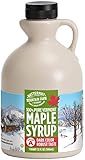
Not all sweeteners and fats are created equal, especially when it comes to moisture. Hygroscopic sweeteners, such as maple syrup and agave, actively attract and hold onto water, keeping your baked goods moister for longer. When paired with healthy fats like coconut oil or avocado oil, which provide richness and a tender crumb, you create a powerhouse combination for ultra-moist results that can also be refined sugar-free.
Key Ingredients
- Maple syrup, agave nectar, or brown rice syrup (for hygroscopic properties)
- Coconut oil (melted), avocado oil, or a neutral vegetable oil
- Granulated cane sugar (if not aiming for completely refined sugar-free)
How to Implement
- Prioritize liquid hygroscopic sweeteners like maple syrup or agave nectar, as they attract and retain moisture. Use them as part of your wet ingredients.
- If replacing granulated sugar entirely with a liquid sweetener, you may need to reduce other liquids in the recipe to maintain batter consistency.
- Choose a neutral-flavored healthy fat like coconut oil (melted) or avocado oil. These contribute richness and help keep the baked good ultra-moist.
- For oil-free baking, refer to Tip 2 for applesauce as oil replacement, but be aware you might lose some richness that healthy fats provide.
Pro-Tip: Hygroscopic sweeteners like maple syrup are essential for ultra-moist vegan zucchini baking because they bind with water, preventing it from evaporating during baking. This effect significantly contributes to the extended shelf life and tender crumb of your treats.
7. Don’t Overbake: Master the Art of Perfect Timing

Never suffer a dry bake again with this timing tip!
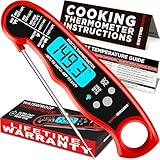
Even the most perfect batter can be ruined by overbaking. A few extra minutes in the oven can be the difference between a moist, tender loaf and a dry cake. While visual cues like a golden brown top are helpful, the most reliable way to check for doneness is by measuring the internal temperature. This scientific approach removes guesswork from the bake time and guarantees a perfect result.
What You Need
- Digital instant-read thermometer
- Toothpick or wooden skewer
- Your preheated oven
How to Do It
- Always preheat your oven to the correct temperature. An accurate oven thermometer can confirm this.
- Begin checking your baked good at the lower end of the recipe’s recommended bake time.
- Insert a digital instant-read thermometer into the center of the loaf or cake. For most quick breads and cakes, an internal temperature of 200-205°F (93-96°C) indicates doneness.
- Alternatively, insert a toothpick into the center; it should come out with moist crumbs attached, but not wet batter.
- Look for a golden brown crust and edges that pull slightly away from the pan.
- Once done, remove promptly from the oven to a wire cooling rack.
Pro-Tip: Overbaking is the quickest way to end up with a dry cake, even with zucchini in the batter. Monitoring the internal temperature with a digital thermometer is the most reliable method, ensuring your vegan zucchini baking achieves a perfectly moist and tender texture every time.
8. Optimize Your Baking Pans & Prep for Even Cooking

Perfect pans, perfect bakes – get this prep right every time!
The type of baking pan material you use and how you prep it can significantly impact your final result. Dark pans absorb more heat and can lead to uneven baking or burnt bottoms, while improper prep can cause frustrating sticking to pan issues. To ensure a beautiful, evenly cooked loaf or cake that releases cleanly, always take the time to grease and line your pan properly.
What You Need
- Loaf pan, muffin tin, or square brownie pan (e.g., non-stick, metal)
- Vegan butter or coconut oil for greasing
- All-purpose flour or cocoa powder (for chocolate recipes)
- Parchment paper (pre-cut sheets or roll)
How to Do It
- Grease your chosen baking pan generously with vegan butter or coconut oil, ensuring all corners and sides are covered.
- “Flour” the pan: Dust the greased pan with a tablespoon or two of all-purpose flour (or cocoa powder for dark batters), tapping out the excess. This creates a non-stick barrier.
- For extra security, line pan bottoms (and sometimes sides) with parchment paper. Cut a sling for loaf pans for easy removal.
- Consider silicone baking molds for specific items like muffins, which often require less prep.
- Use light-colored metal pans for even baking; dark pans can lead to faster browning and uneven baking.
Pro-Tip: Metal baking pan material conducts heat differently. Light-colored, heavy-gauge aluminum pans promote even baking and a consistent golden brown crust. Always grease and line pan properly to prevent sticking to pan and ensure your vegan zucchini baking releases beautifully.

9. Allow Adequate Cooling Time for Optimal Texture

Patience is key for the perfect slice! Don’t skip cooling!
The baking process doesn’t end when you take your loaf out of the oven. The cooling period is a crucial, scientific step that sets the final tender crumb. Slicing into a warm loaf is tempting, but it can lead to a gummy, crumbly loaf because the internal structure hasn’t fully set. Allowing your bake to cool completely on a wire cooling rack is essential for perfect texture and easy slicing.
What You Need
- Wire cooling rack
- Clean kitchen towel (optional)
How to Do It
- Immediately after removing your vegan zucchini baked good from the oven, allow it to cool in its pan for 10-15 minutes (or as specified by the recipe). This allows the structure to set slightly.
- Carefully invert the baked good onto a wire cooling rack.
- Allow it to cool completely on the wire cooling rack before slicing, frosting, or storing. This can take several hours for a large loaf or cake.
- Resist the urge to cut into it while warm, as the internal structure is still fragile, and it can become crumbly loaf.
- Once completely cool, store leftovers in an airtight container to maintain moisture.
Pro-Tip: The cooling process is just as crucial as baking. During this time, starch gelatinization continues and moisture redistributes within the crumb, a process known as retrogradation. Cutting into a warm loaf can disrupt this, leading to a crumbly loaf instead of an ultra-moist tender crumb. Patience ensures a perfected recipe.

Key Takeaways
Here is a quick summary of the most critical steps to guarantee success in your vegan zucchini baking adventures:
* Master zucchini water management: Squeeze out excess moisture from shredded zucchini to prevent soggy bread and ensure an ultra-moist, tender crumb.
* Choose smart vegan replacements: Use flax egg substitute for binding and applesauce as oil replacement or healthy fats for added moisture, crucial for oil-free baking results.
* Measure with precision: Accurate measurement of wet and dry ingredients (ideally by weight) is key to optimal batter consistency and avoiding a dense texture.
* Mix gently, don’t overwork: Lightly fold your batter until just combined to prevent gluten development and achieve a truly fluffy and tender outcome.
* Activate leavening with acid: Ensure your baking soda is paired with an acidic ingredient like apple cider vinegar for effective leavening agents interaction and a good rise.
* Embrace hygroscopic sweeteners: Incorporate maple syrup or other hygroscopic sweeteners to attract and retain moisture, contributing to the extended freshness of your vegan zucchini baking.
* Perfect your bake time and cooling: Avoid overbaking by checking internal temperature, and allow adequate cooling on a wire rack for starch gelatinization and an ideal tender crumb.
FAQs About zucchini baking recipes vegan
How to make vegan zucchini bread not soggy?
To prevent soggy vegan zucchini bread, the most crucial step is to thoroughly squeeze out excess moisture from your grated zucchini before adding it to the batter. Additionally, ensure you’re using the correct proportions of wet and dry ingredients and avoid overmixing, which can toughen the crumb. Baking until an internal temperature of 200-205°F (93-96°C) is reached also helps prevent a gummy texture.
Do you peel zucchini for baking vegan recipes?
No, you generally do not need to peel zucchini for baking vegan recipes. The skin of young to medium-sized zucchini is thin and tender, softening completely during baking. It adds negligible texture but contributes valuable nutrients and color, often going unnoticed in the final product. Only peel if using very large, mature zucchini with tough skin or prominent seeds.
What is the best substitute for eggs in vegan zucchini bread?
For vegan zucchini bread, a flax egg substitute (1 tbsp ground flaxseed + 3 tbsp water) is highly effective as a binder, preventing a crumbly loaf. Other good options include chia seeds or commercial vegan egg replacers. For added moisture and some binding, unsweetened applesauce or mashed banana can also function as partial egg replacements, particularly if replacing oil.
Can you freeze vegan zucchini bread or muffins?
Yes, vegan zucchini bread and muffins freeze exceptionally well, making them ideal for meal prep or using up garden surplus. Ensure they are completely cooled before wrapping tightly in plastic wrap, then aluminum foil, and storing in a freezer-safe bag or container. They can last for up to 3 months in the freezer. Thaw at room temperature or gently warm before serving.
How do you squeeze water out of shredded zucchini for baking?
To squeeze water out of shredded zucchini, place it in the center of a clean, absorbent kitchen towel, gather the edges to form a ball, and twist firmly over a sink or bowl. Continue squeezing until no more liquid comes out. Alternatively, press the shredded zucchini against a fine-mesh sieve with the back of a spoon. This step is essential to prevent excess moisture from making your baked goods soggy.
Can I make oil-free vegan zucchini bread?
Yes, you can absolutely make oil-free vegan zucchini bread by using unsweetened applesauce as an oil replacement. Applesauce provides moisture and binding without the added fat. While it will still be delicious and moist, the texture might be slightly less rich or tender than recipes with added healthy fats like coconut oil. Adjust other liquids in the recipe as needed to maintain batter consistency.
Why did my vegan zucchini bread not rise properly?
Your vegan zucchini bread might not rise properly if your leavening agents (baking soda or powder) are old or if there’s insufficient acid to activate the baking soda. Ensure fresh ingredients. Other factors include overmixing the batter (which develops gluten and inhibits rise), or an oven that isn’t preheated to the correct temperature, leading to uneven baking.
What goes well with vegan zucchini bread?
Vegan zucchini bread pairs wonderfully with a variety of toppings and beverages. Enjoy it plain for a lightly sweet snack, or top with vegan cream cheese frosting, a dollop of coconut whipped cream, fresh berries, or a sprinkle of chopped walnuts and pecans. It’s also delicious alongside coffee, tea, or a glass of plant milk for breakfast or an after school snack.
How to make vegan zucchini brownies fudgy?
To make vegan zucchini brownies truly fudgy, focus on specific fat choices and avoiding overbaking. Use a combination of a liquid fat (like melted coconut oil or a neutral vegetable oil) and a solid fat (like vegan butter) if the recipe calls for it, along with a rich liquid sweetener such as maple syrup. Most importantly, bake them until just set (a toothpick inserted comes out with moist crumbs, not wet batter) to prevent dry cake, and allow them to cool completely.
Should I use large or small zucchinis for baking vegan recipes?
For baking vegan recipes, it’s generally best to use medium to small-sized zucchinis. These have thinner skins, fewer seeds, and a milder flavor, blending seamlessly into your baked goods. Very large zucchinis can be watery, have tougher skins that might need peeling, and develop a more pronounced flavor that could affect your final product.
Final Thoughts
Armed with these 9 genius tips for moist treats, you’re now equipped to master the art of vegan zucchini baking. From meticulously managing the zucchini’s moisture to understanding the delicate balance of leavening agents interaction and the magic of hygroscopic sweeteners, each strategy plays a vital role in transforming humble ingredients into ultra-moist, fluffy and tender delights. These aren’t just recipes; they’re proven methods to elevate your plant-based baking, ensuring every loaf, brownie, or muffin is a testament to your newfound expertise.
No longer will you face the frustration of soggy bread or dry cake. Embrace the precision, appreciate the science, and enjoy the delicious rewards of healthy vegan style baking. By implementing these kitchen tested techniques, you’ll consistently produce perfected recipe results that are both wholesome and irresistibly delicious. Get ready to impress your family and friends with your incredibly moist vegan zucchini creations.
What’s your favorite vegan zucchini baking recipe to try these tips with first? Share your thoughts and successes in the comments below
Last update on 2026-07-24 at 18:06 / Affiliate links / Images from Amazon Product Advertising API
