
As an Amazon Associate BakingBakewareSets.com earns from qualifying purchases.
STOP: Baking Soda Acne Mask Dangers & 9 Better Remedies 2026
Struggling with acne and looking for a quick, cheap fix? You’ve likely seen the baking soda mask for acne touted as a miracle home remedy. The promise of clear skin using a simple pantry ingredient is tempting, but it often leads to more frustration and damage.
Using a baking soda mask for acne is dangerous because it significantly disrupts the skin’s natural pH balance and damages the protective skin barrier, leading to irritation, increased dryness, and potentially worsening acne and bacterial growth. This common DIY hack works against your skin’s health, not for it.
Based on established dermatological consensus and the science of skin health, this guide will explain the severe risks of using baking soda on your face. You’ll discover why it harms your skin and learn about 9 safer, evidence-based remedies that actually work. Get ready to ditch the damaging DIYs and start a routine that leads to a genuinely clearer complexion.
☰ Table of Contents ▼
show
STOP: The Dangers of Baking Soda Mask for Acne – Why You Need to Quit Now
Before you mix up another paste of baking soda and water, it’s critical to understand what you’re actually putting on your skin. The widespread belief that a baking soda mask for acne is a harmless, natural solution is a dangerous myth. According to dermatological consensus, this common kitchen ingredient can cause significant and lasting skin damage. The core of the problem lies in its chemical properties and how they react with the delicate ecosystem of your face. Instead of soothing acne breakouts, you could be creating a perfect storm for more irritation, redness, and even more pimples. Understanding this science is the first step toward finding effective acne solutions that support your skin’s health rather than compromising it.
The primary danger of using a baking soda mask for acne is its extremely alkaline pH (around 9), which severely disrupts the skin’s natural acidic mantle (pH 4.5-5.5), leading to a compromised skin barrier function. This protective barrier is your skin’s first line of defense. When you apply a highly alkaline substance like baking soda, you effectively strip away this defense. A damaged skin barrier can no longer hold onto moisture effectively, leading to a spike in transepidermal water loss (TEWL) and chronic dryness. This compromised state makes your skin vulnerable to a host of problems, including microbiome disruption, which can allow harmful bacteria—including Propionibacterium acnes—to thrive. The result is often increased inflammation, persistent irritation, and a cycle of breakouts that can be even worse than what you started with.
9 Safer & Dermatologist-Approved Acne Remedies to Get Clear Skin 2026
Now that you understand the baking soda face mask dangers, it’s time to focus on what truly works. The journey to a clearer complexion doesn’t require harsh, skin-stripping ingredients. Instead, it involves using dermatologist-approved acne treatments that work with your skin’s biology to restore balance and fight breakouts effectively. These nine safer alternatives to baking soda are backed by medical research and are designed to target the root acne causes—like excess oil, clogged pores, and bacteria—without destroying your precious skin barrier function. From gentle chemical exfoliants to powerful antibacterial agents, these remedies offer a reliable path to healthier, clearer skin.
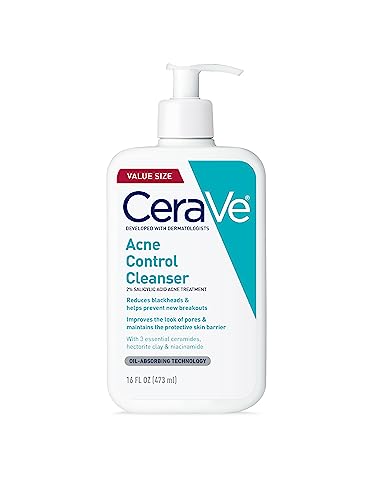
1. Treat Acne with Salicylic Acid Cleansers & Serums

Pin this dermatologist-approved solution to your “Clear Skin Goals” board!
A gold standard in acne treatment, salicylic acid is a beta-hydroxy acid (BHA) that is oil-soluble, meaning it can penetrate deep into your pores to dissolve the mix of sebum and dead skin cells that leads to clogs. Unlike the harsh, physical abrasion of baking soda, salicylic acid for acne provides gentle chemical exfoliation, promoting cell turnover and preventing future breakouts. It is an evidence-based solution for managing blackheads, whiteheads, and general pore-clogging prevention.
Products & Tools Used
- Salicylic acid cleanser (0.5-2% BHA)
- Gentle facial towel (microfiber)
- Hydrating moisturizer (non-comedogenic)
- Broad-spectrum SPF (daily use)
Application Steps
- Cleanse: Wet face with lukewarm water. Apply a pea-sized amount of salicylic acid cleanser to damp skin.
- Massage: Gently massage the cleanser into your skin for 60 seconds, focusing on acne-prone areas like the T-zone.
- Rinse: Rinse thoroughly with lukewarm water until all cleanser is removed. Pat dry with a clean towel.
- Moisturize: Follow immediately with a non-comedogenic hydrating moisturizer to prevent dryness.
- Protect: Apply broad-spectrum SPF 30+ in the morning.
Pro-Tip: Start with a lower concentration (0.5%) of salicylic acid 2-3 times a week, gradually increasing frequency as your skin tolerates it to avoid irritation. Consistent use is key for effective comedogenicity management.
2. Target Breakouts with Benzoyl Peroxide Spot Treatments

Save this powerful spot treatment to beat sudden breakouts!
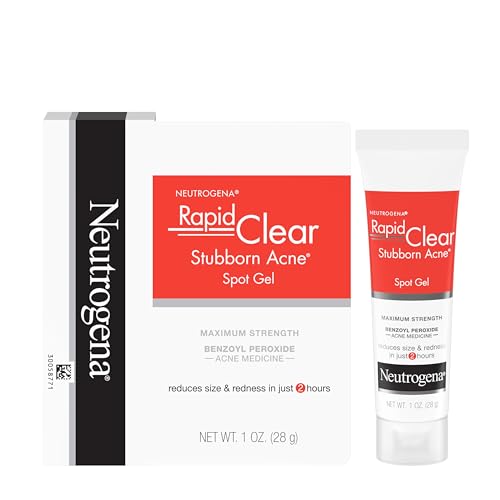
When you need to tackle an angry, inflamed pimple, benzoyl peroxide for acne is a highly effective spot treatment. This powerful ingredient works by releasing oxygen to kill acne bacteria (Propionibacterium acnes) deep within the pore. It also helps to reduce inflammation and acts as a drying agent, helping to shrink active breakouts more quickly. As a dermatologist-recommended staple, it’s a reliable tool for managing inflammatory acne.
Products & Tools Used
- Benzoyl peroxide spot treatment (2.5-5% concentration)
- Gentle facial cleanser
- Moisturizer (non-comedogenic)
- Cotton swab (optional, for precise application)
Application Steps
- Cleanse: Cleanse your face with a gentle, non-medicated cleanser and pat dry.
- Patch Test: Perform a patch test on a small, inconspicuous area (e.g., behind the ear) for 24-48 hours before full application to check for irritation.
- Apply: Using a clean fingertip or cotton swab, dab a tiny amount of benzoyl peroxide directly onto the pimple or breakout.
- Dry: Allow the product to dry completely before applying other products.
- Moisturize: Follow with a non-comedogenic moisturizer, avoiding the treated spot if it’s very small.
Pro-Tip: Benzoyl peroxide can bleach fabrics, so use white towels and pillowcases. Starting with a 2.5% concentration minimizes skin sensitivity and reduces the risk of chemical burns, even though it is just as effective as higher concentrations for many users.
3. Harness the Power of Tea Tree Oil for Targeted Relief

Discover this natural acne remedy for calmer skin!
For those who prefer a natural acne remedy, tea tree oil offers potent antibacterial properties and anti-inflammatory effects. Derived from the Melaleuca alternifolia plant, this essential oil can help reduce the bacteria and redness associated with inflammatory pimples. However, safety is paramount. Unlike baking soda, which is inherently damaging, tea tree oil can be used safely and effectively only when properly diluted.
Products & Tools Used
- Pure tea tree oil (100% Melaleuca alternifolia)
- Carrier oil (jojoba, almond, or grapeseed oil)
- Small mixing bowl
- Cotton swab
Application Steps
- Dilute: In a small bowl, mix 1 drop of pure tea tree oil with 12 drops of a carrier oil (e.g., jojoba oil) to create a safe 5% dilution.
- Patch Test: Before applying, perform a patch test on a small, hidden area of skin to ensure no adverse reaction.
- Dab: Using a clean cotton swab, dab the diluted tea tree oil onto individual pimples or inflamed areas.
- Repeat: Apply twice daily after cleansing and before moisturizing.
Pro-Tip: Never apply undiluted tea tree oil directly to the skin, as it can cause severe irritation and chemical burns. For sensitive skin, start with an even higher dilution (e.g., 1 drop tea tree oil to 20 drops carrier oil) to assess tolerance.

4. Soothe & Purify with Gentle Clay Masks

Detox your skin with this soothing clay mask!
A gentle clay mask for acne is an excellent way to absorb excess oil and draw impurities from clogged pores. Clays like bentonite clay and kaolin clay have natural oil-absorbing properties that can help purify the skin and reduce the appearance of pores. Unlike a baking soda scrub, a smooth clay mask provides these benefits without causing harsh physical abrasion or disrupting the skin pH balance.
Products & Tools Used
- Bentonite clay powder or pre-mixed clay mask
- Non-metallic bowl and spoon (if using powder)
- Filtered water or apple cider vinegar (for powder)
- Facial cleansing brush (optional)
Application Steps
- Prepare: If using powder, mix 1 tablespoon of clay powder with 1 tablespoon of filtered water (or diluted apple cider vinegar for extra astringent qualities) in a non-metallic bowl until a smooth paste forms.
- Cleanse: Cleanse your face gently and pat dry.
- Apply: Using your fingers or a clean brush, spread a thin, even layer of the clay mask over your acne-prone areas.
- Wait: Leave on for 10-15 minutes, or until the mask is mostly dry but not cracking.
- Rinse: Rinse thoroughly with lukewarm water, gently massaging the skin in circular motions. Pat dry and follow with moisturizer.
Pro-Tip: Avoid letting clay masks fully dry and crack on your face, as this can lead to excessive dryness and irritation. Soothing acne treatments often incorporate bentonaroduction to absorb impurities without stripping the skin barrier health.

5. Balance Skin with Niacinamide Serums

Achieve a healthier complexion with this skin-balancing serum!
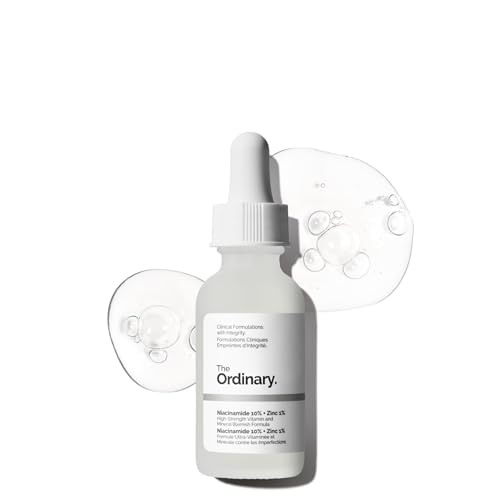
Niacinamide for acne is a true skincare multi-tasker. This form of Vitamin B3 is celebrated for its ability to reduce redness and inflammation, regulate sebum production, and strengthen skin barrier function. By helping your skin produce more ceramides (the lipids that hold skin cells together), it directly counteracts the damage caused by harsh treatments and helps repair the acid mantle. It’s an essential ingredient for anyone looking to achieve long-term skin barrier health.
Products & Tools Used
- Niacinamide serum (5-10% concentration)
- Gentle cleanser
- Hydrating moisturizer
Application Steps
- Cleanse: Cleanse your face with a gentle cleanser and pat dry.
- Apply: Dispense 2-3 drops of niacinamide serum onto your fingertips.
- Spread: Gently spread the serum evenly over your entire face, or dab onto acne-prone areas and areas with redness.
- Absorb: Allow the serum to absorb fully for a minute or two.
- Moisturize: Follow with your preferred hydrating moisturizer. Apply daily, morning and/or night.
Pro-Tip: While niacinamide is generally well-tolerated, some individuals may experience mild flushing, especially with higher concentrations. Pairing niacinamide with benzoyl peroxide can enhance acne treatment efficacy by providing comprehensive sebum regulation and anti-inflammatory benefits.
6. Incorporate OTC Retinoids for Cell Turnover

Unlock smoother skin with this powerful acne treatment!
OTC retinoids for acne, such as adapalene gel (0.1%) or retinol, are derivatives of Vitamin A and are considered a cornerstone of acne treatment by dermatologists. They work by accelerating cell turnover, which helps to prevent dead skin cells from clogging pores. This not only treats active breakouts but also helps to fade the appearance of acne scars and improve overall skin texture over time. This is an advanced treatment that requires careful introduction.
Products & Tools Used
- OTC retinoid (e.g., adapalene gel 0.1% or retinol serum 0.25-1%)
- Gentle cleanser
- Rich, hydrating moisturizer
- Broad-spectrum SPF (mandatory daily use)
Application Steps
- Cleanse: Cleanse your face with a gentle, non-foaming cleanser and wait 15-20 minutes for skin to be completely dry.
- Apply: Apply a pea-sized amount of retinoid to your entire face (avoiding eyes, nostrils, and mouth).
- Moisturize: Immediately follow with a generous amount of rich hydrating moisturizer to minimize dryness and irritation.
- Frequency: Start with 2-3 nights per week and gradually increase as tolerated.
- Protect: Use broad-spectrum SPF 30+ every single morning, as retinoids increase sun sensitivity.
Pro-Tip: Retinoids can cause initial dryness, redness, and purging. This is normal and temporary. Persevere! The long-term benefits for acne treatment, pore-clogging prevention, and acne scar treatment are evidence-based and well worth the initial adjustment.

7. Calm Breakouts with Sulphur Masks & Treatments

Discover this time-tested ingredient for managing acne-prone skin!
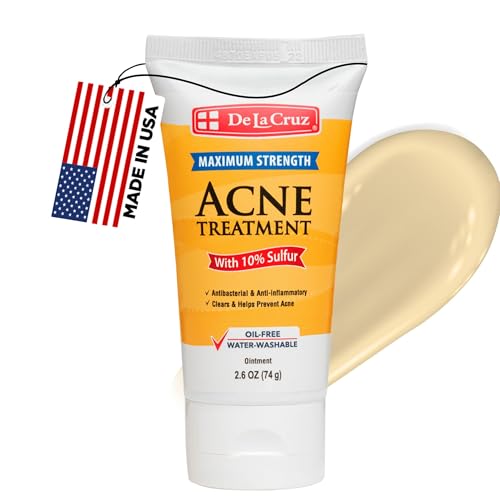
A sulphur mask for acne is a time-tested treatment known for its anti-inflammatory and keratolytic properties. Sulphur helps to dry out the surface of the skin, absorb excess oil, and exfoliate dead skin cells. It’s often gentler than other active ingredients, making it a good choice for those with sensitive skin who find benzoyl peroxide too irritating. It’s an effective way to calm inflamed breakouts and manage oily complexions.
Products & Tools Used
- Sulphur mask (5-10% sulfur)
- Gentle facial cleanser
- Moisturizer (non-comedogenic)
Application Steps
- Cleanse: Cleanse your face thoroughly with a gentle cleanser and pat dry.
- Apply: Spread a thin, even layer of the sulphur mask over acne-prone areas or directly onto individual breakouts.
- Wait: Leave the mask on for 10-20 minutes, or as directed by the product instructions.
- Rinse: Rinse off thoroughly with lukewarm water and gently pat your skin dry.
- Moisturize: Follow with a non-comedogenic moisturizer to counteract potential drying effects.
Pro-Tip: Sulphur can have a distinct smell, but it’s effective for targeting oily skin and inflamed breakouts. For stubborn cystic acne, a sulphur mask can help to reduce inflammation and dry the lesion. Use 2-3 times a week, as consistent use clears pores and prevents new breakouts.
8. Heal & Protect with Hydrocolloid Patches

Discreetly heal pimples and protect breakouts with these patches!
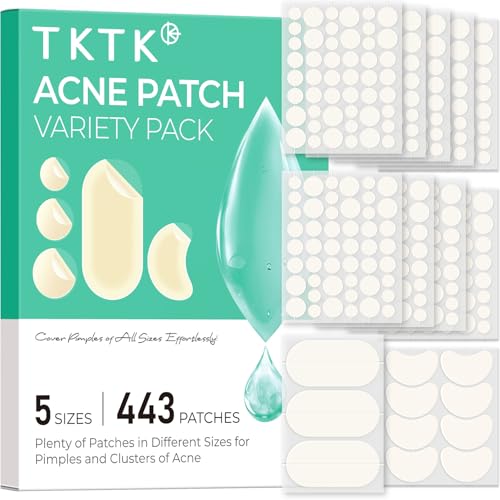
Hydrocolloid patches for acne, also known as pimple patches, are small bandages made from a moisture-absorbing material. They work by creating a moist, protected environment that promotes faster healing. These acne spot dots draw out fluid and pus from a whitehead while shielding it from outside bacteria and—most importantly—preventing you from picking. This simple but effective tool is a game-changer for healing pimples fast and reducing the risk of acne scars.
Products & Tools Used
- Hydrocolloid patches (various sizes)
- Gentle cleanser
- Toner or micellar water (optional, for clean skin surface)
Application Steps
- Cleanse: Cleanse the affected area gently and ensure it is completely dry before application. Do not apply any other skincare products to the area where the patch will go.
- Peel: Carefully peel a hydrocolloid patch from its backing, choosing a size that fully covers the pimple.
- Apply: Gently apply the patch directly over the pimple, pressing down lightly to ensure good adhesion.
- Wear: Leave the patch on for 6-8 hours, or until it turns opaque white, indicating it has absorbed impurities.
- Remove: Gently peel off the patch. Cleanse the area and apply moisturizer as usual.
Pro-Tip: Hydrocolloid patches are most effective on whiteheads and active breakouts that have come to a head. They work by absorbing exudate and protecting the area, preventing secondary infection and helping with healing acne scars from picking. Avoid using on deep cystic acne.
9. Smooth Skin with Azelaic Acid Formulations

Target acne and redness for a noticeably smoother texture!
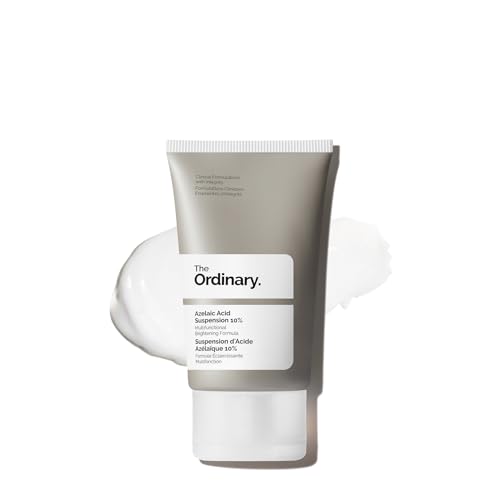
Azelaic acid for acne is a dicarboxylic acid that is naturally found in grains like barley, wheat, and rye. It’s a fantastic multi-purpose ingredient that offers antibacterial, anti-inflammatory, and gentle exfoliating benefits. It’s particularly effective for redness reduction and improving post-inflammatory hyperpigmentation (the dark spots left behind by acne). Its gentle nature makes it a great choice for those with sensitive or rosacea-prone skin.
Products & Tools Used
- Azelaic acid serum or cream (10-20% concentration)
- Gentle cleanser
- Hydrating moisturizer
- Broad-spectrum SPF
Application Steps
- Cleanse: Cleanse your face with a gentle, hydrating cleanser and pat dry.
- Apply: Dispense a pea-sized amount of azelaic acid product onto your fingertips.
- Spread: Spread a thin layer over your entire face, focusing on acne-prone areas or areas with redness and post-inflammatory hyperpigmentation.
- Wait: Allow the product to absorb for a minute.
- Moisturize & Protect: Follow with a hydrating moisturizer and broad-spectrum SPF (in the morning). Use once or twice daily.
Pro-Tip: Azelaic acid is particularly beneficial for those with both acne and redness or rosacea. It’s a fantastic multi-tasker that gently exfoliates without stripping the skin barrier, making it a superior choice compared to the harsh caustic potential of baking soda.
Key Takeaways
Your journey to clearer skin should be about healing and supporting your skin, not punishing it. By understanding the science and choosing the right ingredients, you can effectively manage acne without causing further harm. Here are the most important points to remember:
- STOP using a baking soda mask for acne. Its dangerously alkaline pH severely disrupts your skin barrier function, leading to irritation, dryness, and worsened breakouts.
- Embrace dermatologist-approved ingredients. Salicylic acid and benzoyl peroxide are evidence-based solutions that effectively target clogged pores and acne bacteria.
- Support your skin barrier. Integrate niacinamide and azelaic acid to reduce redness, regulate sebum production, and improve skin texture without harshness.
- Be patient with powerful treatments. When using OTC retinoids like adapalene, start slowly and always pair with a good moisturizer and daily broad-spectrum SPF to manage sensitivity.
- Protect and heal individual pimples. Hydrocolloid patches are an excellent tool to heal pimples fast, prevent picking, and reduce the risk of acne scars.
- Always patch test new products. This is a critical step to prevent negative reactions and ensure your skin can tolerate a new ingredient.
- Consult a professional. If you have persistent or severe acne breakouts, a dermatologist can provide personalized expert advice and a comprehensive acne treatment plan.
FAQs About baking soda mask for acne
Is baking soda good for acne?
No, baking soda is not recommended for acne treatment by dermatologists. Its high alkaline pH (around 9) severely disrupts the skin’s natural acidic mantle (pH 4.5-5.5), which is crucial for skin barrier function. This disruption can lead to increased irritation, dryness, worsened breakouts, and can make your skin more vulnerable to bacteria.
Can I leave baking soda on my face overnight?
Leaving baking soda on your face overnight is strongly discouraged and can cause significant skin damage. Prolonged exposure to its alkaline pH will further strip your skin barrier, leading to severe redness, dryness, chemical burns, and potential alkaline-induced dermatitis. It can exacerbate acne breakouts and create long-term skin sensitivity issues.
Why is baking soda bad for your skin?
Baking soda is bad for your skin primarily because its high alkalinity disrupts the skin’s acid mantle, which is essential for skin barrier health. This pH imbalance compromises the skin barrier function, leading to increased transepidermal water loss and making the skin susceptible to irritation, inflammation, microbiome disruption, and further acne breakouts.
Does baking soda get rid of acne scars?
No, baking soda does not effectively get rid of acne scars and can actually worsen post-inflammatory hyperpigmentation (PIH) by causing irritation. While its mildly abrasive texture might seem to offer exfoliating properties, the damage it causes to the skin barrier far outweighs any perceived benefit. For acne scar treatment, dermatologist-approved options like retinoids, salicylic acid, or professional treatments are recommended.
Can baking soda cause chemical burns on face?
Yes, baking soda can absolutely cause chemical burns on the face, especially with prolonged or frequent use. Its high alkaline pH is harsh enough to disrupt and damage the delicate skin barrier, leading to redness, stinging, peeling, and in severe cases, actual chemical burns. This risk is particularly high for sensitive skin types.
Is baking soda or apple cider vinegar better for acne?
Neither baking soda nor apple cider vinegar (ACV) are ideal for direct application to acne, but ACV is marginally less damaging if heavily diluted. While ACV is acidic, its low pH (around 2-3) can also irritate and strip the skin if not properly diluted. Dermatologist-approved acne treatments like salicylic acid or benzoyl peroxide are safer and more effective choices.
How do you dilute baking soda for skin?
Given the risks, dermatologists generally advise against using baking soda on the skin, even when diluted. The fundamental issue is its alkaline pH that damages the skin barrier function regardless of dilution. Safer exfoliating and cleansing alternatives are available that do not pose a risk of pH imbalance or irritation.
Does baking soda kill acne bacteria?
While baking soda has some antibacterial properties, its use on skin to kill acne bacteria is not recommended. The benefits are far outweighed by the risk of skin barrier damage, irritation, and pH imbalance. Dermatologist-approved ingredients like benzoyl peroxide are scientifically proven to effectively kill Propionibacterium acnes without compromising skin barrier health.
What are the risks of DIY baking soda masks?
The primary risks of a DIY baking soda mask for acne include severe skin barrier damage, pH imbalance, irritation, redness, dryness, and potentially chemical burns. This can worsen acne breakouts, lead to increased skin sensitivity, microbiome disruption, and hinder the healing of acne scars.
What do dermatologists say about baking soda for acne?
Dermatologists overwhelmingly advise against using baking soda for acne due to its harsh alkaline pH and tendency to damage the skin barrier. They emphasize that its negative effects far outweigh any perceived benefits. Skincare professionals instead recommend evidence-based, dermatologist-approved ingredients for effective and safe acne treatment.
Final Thoughts
Navigating the world of acne treatment can be overwhelming, especially with the amount of conflicting information online. The most important takeaway is to step away from harsh, unproven DIY remedies like the baking soda mask for acne. Your skin’s health depends on maintaining its natural defenses, particularly the acid mantle and skin barrier.
By embracing the scientifically-backed, dermatologist-approved alternatives discussed in this guide, you are choosing a path of healing and support, not damage. A consistent, gentle, and effective daily skincare routine is the true secret to achieving a lasting clearer complexion. Be patient with your skin, listen to its needs, and don’t hesitate to seek expert advice from a professional for personalized care. Your journey to healthy skin is a marathon, not a sprint.
What’s been your experience with DIY acne remedies? Which of these safer alternatives will you try first?
Last update on 2026-08-02 at 22:21 / Affiliate links / Images from Amazon Product Advertising API
