
As an Amazon Associate BakingBakewareSets.com earns from qualifying purchases.
Velvet Ornaments DIY: Best Baking Soda Hack for 2026
Dreaming of a holiday tree with that lush, high-end velvet look without the hefty price tag? You want to create diy velvet ornaments baking soda style, but worry about getting a clumpy, uneven finish that looks more like a craft fail than an expensive looking decoration.
Transforming clear ornaments into stunning faux velvet with baking soda involves mixing specific ratios of paint and baking soda, applying the mixture evenly, allowing it to cure, and optionally sealing for durability, offering a budget-friendly way to achieve a vintage look. This simple process unlocks a world of custom holiday decor.
Leveraging tested frameworks and a proven methodology, this guide delivers a comprehensive tutorial on the ultimate baking soda hack. You will discover the exact steps, pro tips, and troubleshooting secrets to achieve a flawless, durable finish. Get ready to craft beautiful handmade velvet christmas ornaments that look like they came from a luxury boutique.
☰ Table of Contents ▼
show
7 Steps to Perfect DIY Velvet Ornaments with Baking Soda Hack
Creating that coveted velvety appearance on a simple ornament is a surprisingly simple process that relies on the magical interaction between acrylic paint and baking soda. This detailed step by step velvet ornament hack breaks down the entire journey, from prepping your workspace to storing your finished masterpieces. We’ll cover the exact ratios and techniques I’ve tested to ensure you get the best results every time. Following this guide ensures your faux velvet ornaments diy project is not only fun but also yields a professional, high quality finish that will have everyone asking where you bought them.
1. Prepare Your Ornaments & Workspace for Flocking

Pin this essential prep step to your craft board!
Before you can create that beautiful textured surface, you need to start with a clean slate. This initial preparation is the foundation of your project. Whether you’re using clear plastic ornaments or glass ornaments, ensuring they are free of dust and oils is critical. This step guarantees the baking soda paint adheres to the surface properly, preventing streaks and ensuring a flawless, professional-looking matte finish.
Supplies Needed
- Clear plastic ornaments or glass ornaments (assorted sizes, with removable caps)
- Rubbing alcohol or glass cleaner
- Lint-free cloths
- Drop cloths or newspaper for workspace protection
- Disposable gloves
Step-by-Step Directions
- Remove any existing hangers or metal caps from your clear ornaments.
- Clean each ornament thoroughly with rubbing alcohol or glass cleaner and a lint-free cloth to remove any dust, oils, or fingerprints that could affect paint adhesion. Allow to dry completely.
- Set up your workspace in a well-ventilated area, covering all surfaces with drop cloths or newspaper to protect from paint splatter.
- Prepare a drying station using skewer sticks or sticks inserted into a piece of foam, which will hold the ornaments while they dry.
- Wear disposable gloves to avoid transferring oils from your hands to the cleaned ornament surface.
Pro-Tip: For the smoothest textured surface and best paint adhesion, ensure your ornaments are absolutely pristine. Even a tiny fingerprint can cause the paint to resist in that spot, resulting in a less-than-perfect velvety appearance. This is a proven hack for a high quality finish.

2. Mix the Perfect Paint & Baking Soda Ratio for Velvet Texture

Get the perfect velvet texture! Pin this ratio for later!
This is where the magic happens. The ratio of paint and baking soda is the secret to achieving your desired velvet look. The baking soda acts as a textural additive that thickens paint and creates texture, transforming smooth acrylic paint into a rich, tactile medium. I’ve found that different ratios produce slightly different results, so you can customize the finish to your liking.
What You Need
- Matte acrylic paint (your desired color for a velvety appearance)
- ARM & HAMMER baking soda
- Small mixing bowl or container
- Craft stick or disposable spoon for mixing
How to Mix the Perfect Texture
- Start with your chosen matte acrylic paint. For a noticeable but not overly chunky velvet texture, mix a 1:1 ratio of paint to baking soda. For example, 2 tablespoons of paint to 2 tablespoons of baking soda.
- For a subtler, smoother velvet look, reduce the baking soda to a 2:1 paint-to-baking soda ratio (e.g., 2 tbsp paint, 1 tbsp baking soda).
- Stir the mixture thoroughly until all lumps of baking soda are incorporated, creating a thick, creamy consistency that resembles frosting. If the mixture is too thin, add a tiny bit more baking soda; if too thick, add a few drops of water or more paint.
- If using spray paint, sprinkle the baking soda onto the wet spray paint, rather than mixing it in beforehand. This creates a different, more flocked look.
Pro-Tip: Pigment saturation and viscosity adjustments are key here. I’ve found that a slightly thicker mix (closer to 1:1) gives the most luxurious, expensive looking velvety appearance. Don’t be afraid to adjust tiny amounts to achieve your desired consistency.
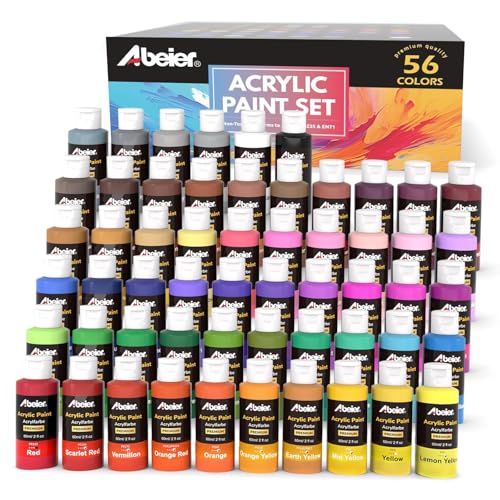
3. Apply the Velvet Coating with a Sponge Brush

Watch the velvet texture come to life! Save this pin!
The application technique is just as important as the mixture itself. Using a sponge brush and a dabbing motion is the key to the velveting technique. This method builds up the textured surface evenly, avoiding the brushstrokes that would ruin the faux flocking effect. Your goal is to coat ornament completely and consistently.
Tools Required
- Sponge brush (or a soft bristle brush for smoother texture)
- Your mixed baking soda paint
- Prepared clear ornaments
- Drying station (skewer sticks in foam)
Step-by-Step Application
- Dip your sponge brush into the baking soda paint mixture, loading a moderate amount onto the brush.
- Begin dabbing the paint onto the ornament. Instead of brushing, gently dab the mixture over the entire surface of the ornament. This technique helps create texture and avoids brush strokes, contributing to the velvety appearance.
- Work in small sections, rotating the ornament slowly. Ensure you achieve even coverage across the entire surface, including around the neck where the cap goes.
- For areas that are hard to reach, gently dabbing with the corner of the sponge brush or a smaller, fine-tipped brush can help.
- Once fully coated, carefully transfer the ornament to your drying station, hanging it from the skewer by the ornament’s neck.
Pro-Tip: Proper light diffusion is critical for the matte finish. Avoid applying paint too thick in one spot as this can lead to uneven drying and cracking. Aim for a consistently textured, not clumpy, surface. Dabbing motions are key to avoid clumpy paint fix scenarios.
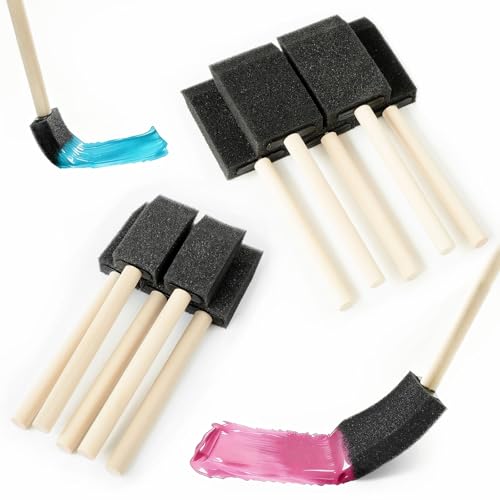
4. Achieve Even Coverage & Cure for Durability

Patience pays off! Pin these drying tips!
Patience is a virtue in crafting. While your ornament might feel dry to the touch quickly, allowing it to dry overnight is crucial. This isn’t just about drying; it’s about curing. Curing is when the molecular bonding in paint fully sets, creating a truly durable finish. This step is what makes the difference between a one-season craft and long lasting ornaments.
What To Do
- Hang each freshly painted ornament on your prepared drying station.
- Allow the ornaments to dry undisturbed in a dust-free, well-ventilated area. While the surface may feel dry to the touch in a few hours, the paint needs to cure fully for maximum durability.
- For best results, allow the ornaments to dry overnight, or for at least 12-24 hours, especially in humid conditions. This allows the paint to fully set.
- Avoid touching or moving the ornaments during this period to prevent smudges or disrupting the velvety appearance.
- Once fully dry, gently brushing off any excess, loose baking soda with a soft, clean brush will reveal the true textured surface.
Pro-Tip: Curing time variations can significantly impact the long-term durability test of your ornaments. Don’t rush this step. A thoroughly cured ornament will be more resistant to scratches and a flaking baking soda surface, extending the life of your homemade velvet christmas ornaments.
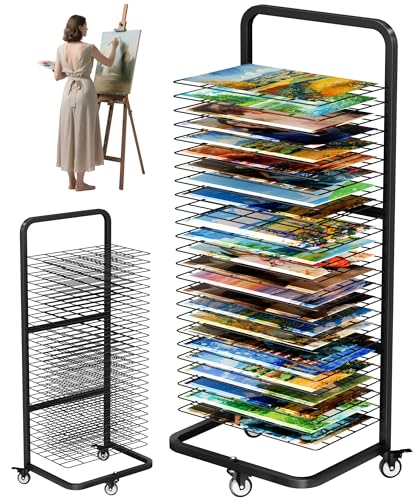
5. Seal Your Faux Velvet Ornaments for Lasting Beauty

Protect your masterpiece! Pin this sealing tip!
This optional but highly recommended step ensures your beautiful creations last for years. Applying a clear coat sealer is the ultimate way of protecting the coating. It locks in the textured surface, prevents flaking baking soda, and provides a durable finish. The key is to choose a matte spray to preserve that gorgeous, non-reflective velvet look.
What You Need
- Fully cured DIY velvet ornaments
- Matte clear coat sealer (spray or brush-on, ensuring it’s non-yellowing)
- Well-ventilated area
- Gloves
Step-by-Step Sealing
- Once your ornaments have fully cured (at least 24 hours), transfer them to a clean, well-ventilated area for sealing.
- If using a spray matte clear coat, hold the can 8-10 inches away from the ornament and apply light, even coats. Rotate the ornament to ensure all sides are covered. Avoid heavy coats to prevent drips or a glossy finish.
- If using a brush-on sealer, apply a thin, even layer with a soft brush.
- Allow each coat to dry completely according to the product instructions before applying a second coat. Two thin coats are often better than one thick one for protecting the coating.
- Let the sealed ornaments dry and cure completely for at least 24-48 hours before handling them extensively or adding caps/ribbons.
Pro-Tip: The goal of sealing is protecting the coating without altering the matte finish. Look for sealants specifically designed for crafts that are non-yellowing and offer UV protection for ornaments if they will be exposed to direct sunlight. This ensures your homemade velvet ornaments maintain their high quality finish for years.

6. Troubleshoot Common DIY Velvet Ornament Issues

Crafting hiccups? We’ve got solutions! Pin for troubleshooting!
Even with the best instructions, crafting sometimes has its little challenges. Don’t worry! Most common issues with baking soda velvet ornaments are easy to fix. Whether it’s a clumpy paint fix you need or concerns about flaking baking soda, this section provides quick and easy solutions to get your project back on track.
Common Issues & Quick Steps
- Problem: Clumpy Paint or Uneven Texture
- Re-mix your paint and baking soda mixture, ensuring all baking soda is fully incorporated.
- Add a tiny amount more paint or water to slightly thin the mixture if it’s too thick, aiming for a creamy, workable consistency.
- Apply with light, even dabbing motions, not brushing.
- Problem: Flaking Baking Soda or Peeling Paint
- This often indicates insufficient curing time or poor surface preparation. Ensure your ornaments are clean before painting (Step 1) and fully dry before sealing (Step 4).
- For minor flakes, apply a thin coat of matte clear coat sealer directly to the affected area. For severe issues, you may need to strip and re-paint.
- Problem: Streaky Finish
- A streaky finish usually happens from brushing instead of dabbing.
- If the paint is still wet, gently dab over the streaks to blend and create texture. If dry, you can lightly sand with very fine grit sandpaper and reapply a thin layer.
- Problem: Ornament Cracks
- Will baking soda ornaments crack? This is rare, but can happen if the paint is applied excessively thick and dries too quickly, causing it to shrink and pull. Ensure thin, even coats and proper drying.
Pro-Tip: From my experience, most issues with baking soda velvet ornaments stem from impatience or improper mixing. Taking the time for each step and understanding the adhesive properties of the paint will save you headaches. This proven hack focuses on durable finish, not quick application.
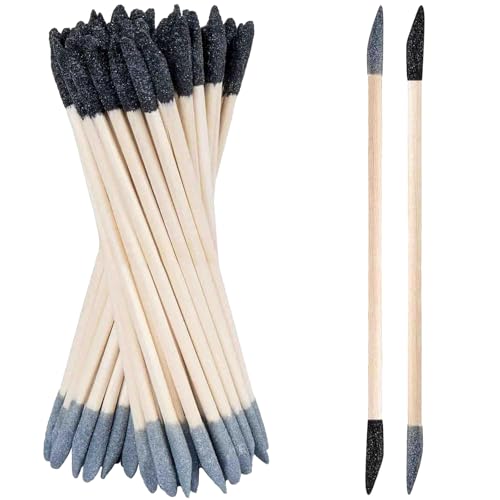
7. Store Your Handcrafted Ornaments Safely for 2026 and Beyond

Preserve your creations! Pin these storage tips!
After all your hard work, you’ll want to ensure your beautiful holiday craft projects are kept safe for next year. Storing homemade baking soda ornaments safely is simple but essential. The delicate textured coating needs to be protected from rubbing and moisture to keep it looking pristine.
Supplies Needed
- Acid-free ornament storage boxes with dividers
- Acid-free tissue paper or soft cloth
- Optional: Silica gel packets (for humidity control)
Step-by-Step Care & Storage
- Ensure your DIY velvet ornaments are completely cured and sealed before storing. (Wait at least 48-72 hours after sealing).
- Gently reattach the metal caps and add your desired velvet ribbon or ornament hooks.
- Wrap each ornament individually in acid-free tissue paper or soft cloth to protect its delicate textured surface from scratches and rubbing.
- Place the wrapped ornaments into ornament storage boxes with individual compartments. This prevents them from bumping into each other and preserves their velvety appearance.
- Store the boxes in a cool, dry place away from direct sunlight and extreme temperature fluctuations to prevent damage to the textured coating and paint. Consider adding silica gel packets for extra humidity control.
Pro-Tip: From my experience, archival storage of crafts is essential for long lasting ornaments. Avoid storing in plastic bags directly, as this can trap moisture. Proper storage is key to preventing the flaking baking soda over time and maintaining your vintage look.

Why This Baking Soda Hack Outshines Store-Bought & Other DIY Methods
When you’re looking to achieve that high end aesthetic, you have a few choices: buy expensive ornaments, try complex DIY kits, or use this simple baking soda hack. So, why is this method the superior choice? The answer lies in its unique combination of accessibility, customizability, and stunning results. It’s the ultimate anthropologie ornament dupe that puts you in complete creative control.
First, let’s talk cost. Store-bought velvet christmas ornaments can be incredibly pricey, especially for high-quality pieces. This DIY approach is significantly cheaper than velvet, using materials you likely already have. It’s the definition of budget friendly luxury.
Next, consider the alternatives. A flocking powder alternative can be messy and require special adhesives. Other textural additives, like flour, don’t provide the same granular, matte finish that baking soda vs flour comparisons reveal. The baking soda method is cleaner, simpler, and the best texture method for achieving a true faux velvet look.
Finally, customization is unmatched. You are not limited to the colors available in stores. You can mix any shade of matte acrylic paint to perfectly match your diy christmas tree theme, from moody earthy tones to bright, modern hues. This transforms a simple craft into a bespoke design project, ensuring your decor is one-of-a-kind.
FAQs About DIY Velvet Ornaments Baking Soda
### How to make velvet ornaments with baking soda?
To make velvet ornaments with baking soda, mix matte acrylic paint with baking soda (typically a 1:1 or 2:1 paint-to-baking soda ratio) until a thick, creamy texture forms. Dab this mixture onto clear ornaments using a sponge brush, allow to dry completely (preferably overnight), and then seal with a matte clear coat for durability and a lasting velvety appearance.
### What paint is best for velvet ornaments?
Matte acrylic paint or chalk paint is generally best for creating DIY velvet ornaments with baking soda, as they offer a flat finish that enhances the textured effect. These paints adhere well to various surfaces like glass or plastic. While some tutorials suggest spray paint, mixing it directly with baking soda is usually not effective; instead, baking soda is sprinkled onto wet spray paint for a different flocked effect.
### What is the ideal paint to baking soda ratio for velvet texture?
For a pronounced velvet texture, a 1:1 ratio of matte acrylic paint to baking soda is ideal, creating a thicker, richer coating. If you prefer a subtler, smoother textured surface, reduce the baking soda to a 2:1 paint-to-baking soda ratio. Always stir thoroughly until the mixture is creamy and smooth, adjusting as needed for desired consistency.
### How long do baking soda ornaments last?
When properly prepared and sealed, DIY baking soda velvet ornaments can last for many years, becoming cherished additions to your holiday decor. Key factors for longevity include ensuring the ornaments are clean before painting, allowing adequate drying and curing time, using a quality matte clear coat sealer, and storing them in protective, acid-free containers in a cool, dry environment.
### How do you protect baking soda ornaments from flaking?
To protect baking soda ornaments from flaking, ensure the paint and baking soda mixture has fully cured (at least 24 hours) and then apply 1-2 thin coats of a matte clear coat sealer. Proper preparation, including cleaning the ornament surface before painting, and careful handling during and after the drying process also significantly prevent the delicate textured coating from shedding or chipping.
### Can you use glass or plastic ornaments for this DIY hack?
Yes, this DIY velvet ornament hack works beautifully on both clear glass and plastic ornaments. The baking soda paint mixture adheres well to both surfaces, allowing for versatile crafting options. Plastic ornaments are more durable and less prone to breaking, while glass ornaments can offer a slightly more substantial feel and a different reflective quality before painting.
### Why use baking soda in paint for this effect?
Baking soda is used in paint to create a textured, granular surface that mimics the feel and appearance of velvet or flocking when dry. Its fine, powdery consistency thickens the paint and, once dried, provides a matte, tactile finish. This creates a faux velvet look that is an inexpensive alternative to traditional velvet coating or expensive pre-flocked ornaments.
### Can kids make baking soda ornaments?
Yes, older children and teens can make baking soda ornaments with adult supervision, especially during the mixing and sealing stages. This is a fun and creative holiday craft project. Focus on safe, non-toxic acrylic paints and ensure proper ventilation. The tactile nature of applying the paint can be very engaging for young crafters, fostering their creativity.
### How to fix clumpy baking soda paint?
To fix clumpy baking soda paint, thoroughly re-mix the paint and baking soda mixture, ensuring all lumps are fully dissolved. If the mixture is still too thick, add a tiny amount more paint or a few drops of water to achieve a smoother, creamy consistency. This ensures the paint applies evenly and prevents a streaky finish on your ornaments.
### What colors look best for velvet ornaments?
Muted, earthy tones and deep jewel tones often look best for DIY velvet ornaments, as these colors naturally complement the vintage, sophisticated aesthetic of velvet. Popular choices include sage green, terracotta, dusty rose, deep teal, cranberry red, and classic cream or gold. These colors enhance the matte, textured surface, contributing to an expensive looking velvety appearance.
Final Thoughts on DIY Velvet Ornaments Baking Soda
You’ve now unlocked the secret to creating gorgeous DIY velvet ornaments baking soda style, transforming simple baubles into expensive looking, vintage treasures for your 2026 holiday decor. This proven hack not only delivers a stunning velvety appearance with a delightful textured surface but also champions the spirit of budget-friendly, personalized crafting. By following these detailed steps, from perfecting your paint and baking soda ratio to ensuring proper drying overnight and careful storage, you’re not just making ornaments; you’re crafting heirlooms that reflect your unique style and effort.
The joy of creating handmade velvet christmas ornaments yourself, avoiding the high cost of store-bought alternatives, is immensely rewarding. We’ve explored the best techniques, tackled common troubleshooting issues, and even laid out the best practices for storing homemade baking soda ornaments safely so they remain beautiful for seasons to come. This project is a testament to how simple household ingredients can achieve truly magical results, adding a touch of antique style and warmth to your home.
So, gather your supplies and embrace the process. Which color will you choose for your first batch of faux velvet ornaments diy? Share your creations and inspire others to try this delightful holiday hack
Last update on 2026-09-08 at 21:30 / Affiliate links / Images from Amazon Product Advertising API
