
As an Amazon Associate BakingBakewareSets.com earns from qualifying purchases.
Peroxide and Baking Soda: 9 Safe Uses for Home & Oral Care
Tired of harsh chemicals that don’t deliver? You need a powerful cleaner that’s also safe, natural, and affordable. The search for that perfect DIY solution often leads to a powerhouse combination: peroxide and baking soda.
A mixture of peroxide and baking soda creates a versatile, non-toxic cleaning and whitening agent, often used in precise ratios for tasks like teeth whitening, grout cleaning, and stain removal. This simple combination powerfully leverages the oxidizing action of hydrogen peroxide and the mild abrasiveness of sodium bicarbonate.
Based on established best practices and verified data, this guide provides safe and effective uses for this incredible duo. You’ll discover the correct ratios and step-by-step methods for a cleaner home and a brighter smile. This is your definitive resource for using this mix with confidence.
☰ Table of Contents ▼
show
Peroxide and Baking Soda: 9 Safe Uses for a Cleaner Home & Brighter Smile
The combination of hydrogen peroxide and baking soda is more than just a simple mixture; it’s a dynamic chemical reaction in a paste. Hydrogen peroxide (H2O2) acts as a powerful oxidizing agent, releasing oxygen bubbles that help lift stains, disinfect surfaces, and whiten materials. Meanwhile, sodium bicarbonate (baking soda) provides a gentle, mildly abrasive scrubbing power and acts as an alkaline substance that helps neutralize odors and cut through grease and grime. Together, they create a paste that offers a one-two punch for a huge range of cleaning and personal care tasks, making it a staple for any eco-friendly household. This guide will walk you through nine proven applications, complete with exact recipes and safety precautions.
1. Whiten Teeth Safely at Home

Pin this genius hack to your ‘DIY Beauty’ board for a brighter smile!
Creating a homemade whitening toothpaste is one of the most popular uses for this mix. The baking soda gently buffs away surface stains from coffee and wine, while the peroxide whitens through oxidation, breaking down discoloration on the enamel. It’s a cost-effective alternative to commercial whitening strips for tackling yellow teeth.
What You Need
- 1-2 tablespoons food grade baking soda (finely ground)
- 1-2 tablespoons 3% hydrogen peroxide solution (pharmaceutical grade)
- Small mixing bowl and spoon
- Soft-bristled toothbrush
Routine Steps
- Combine equal parts baking soda and 3% hydrogen peroxide in a small bowl to create a paste.
- Mix thoroughly until a consistent, slightly gritty paste forms. Adjust consistency with more baking soda (for thicker) or peroxide (for thinner).
- Apply a small amount of the paste to your soft-bristled toothbrush.
- Brush your teeth gently for 1-2 minutes, focusing on stained areas. Avoid aggressive scrubbing to protect enamel.
- Rinse your mouth thoroughly with water or an antiseptic mouthwash. Do not swallow the paste.
- Use this method 1-2 times per week maximum to prevent potential gingival irritation or enamel damage.
Pro-Tip: Always use 3% hydrogen peroxide for oral applications. Higher concentrations can cause gingival irritation and potentially damage enamel. A Relative Dentin Abrasivity (RDA) score is important for toothpastes; homemade pastes should be used sparingly due to variable abrasiveness.

2. Clean Tile Grout and Refresh Surfaces

Transform your bathroom! Pin this grout cleaning guide now!
Dirty grout can make even the cleanest bathroom look grimy. The foaming action of the peroxide and baking soda mix gets deep into porous grout lines to dissolve residue and lift stains from mold, mildew, and dirt. It’s a powerful way to restore your tile to its original brightness.
Supplies Needed
- 1/2 cup baking soda
- 1/4 cup 3% hydrogen peroxide
- 1 teaspoon Dawn dish soap (optional, for extra grime)
- Old toothbrush or dedicated grout brush
- Small mixing bowl
- Clean microfiber cloth and water for rinsing
Instructions
- Combine the baking soda, hydrogen peroxide, and optional Dawn dish soap in a small bowl to create a paste.
- Stir well until the mixture is thick but spreadable.
- Apply the paste directly to the dirty grout lines using a spoon or your fingers (wear gloves).
- Let sit for 5-10 minutes, allowing the oxygenated cleaner to break down proteins and lift stains.
- Scrub the grout thoroughly with an old toothbrush or a stiff-bristled grout brush, activating the mild abrasive.
- Rinse the area completely with water and wipe clean with a microfiber cloth, revealing brighter grout.
Pro-Tip: For deeply stained grout, increase the baking soda to peroxide ratio to create a thicker paste, and let sit for up to 30 minutes before scrubbing. Always test on a small area first, especially on colored grout, though this mixture is generally safe.

3. Remove Laundry Stains with a DIY Booster

Say goodbye to tough stains! Save this laundry hack for later!
For tough stained laundry, especially on white fabrics, this paste acts as a powerful pre-treatment. The peroxide works as a natural oxygen bleach to tackle organic stains like grass, blood, or food, while the baking soda helps lift grime from the fabric fibers.
Supplies Needed
- 1/4 cup baking soda
- 1/4 cup 3% hydrogen peroxide
- 1 teaspoon liquid laundry detergent (optional, for oil-based stains)
- Small mixing bowl
- Old toothbrush or soft brush
- Clean towel
Instructions
- Combine baking soda and hydrogen peroxide in a small bowl to create a paste. Add optional laundry detergent if dealing with oil or grease.
- Mix thoroughly until well combined.
- Apply the paste directly to the laundry stain, ensuring it covers the entire affected area.
- Let sit for 15-30 minutes, allowing the mixture to break down proteins and lift the stain.
- Gently scrub the stain with an old toothbrush or soft brush to further loosen particles.
- Rinse the treated area with cool water before washing as usual. For tougher stains, soak the garment in a solution of 1/2 cup baking soda and 1/2 cup hydrogen peroxide in a gallon of water for an hour before washing.
Pro-Tip: This mixture works best on white or light-colored fabrics. Always test on a small, inconspicuous area of colored garments first to ensure colorfastness. For yellowed whites, add 1/2 cup each of baking soda and peroxide to your wash cycle as a natural oxygen bleach booster.

4. Whiten Yellow Shoes and Bring Them Back to Life

Restore your favorite white sneakers! Pin this cleaning trick!
Don’t throw out those yellowed canvas sneakers. A baking soda scrub combined with peroxide can restore the bright white color of shoe fabric and rubber soles. The natural abrasive quality of the baking soda lifts dirt while the peroxide bleaches away yellowing and stains.
Supplies Needed
- 1/2 cup baking soda
- 1/4 cup 3% hydrogen peroxide
- Small mixing bowl
- Old toothbrush or stiff brush
- Clean damp cloth
Instructions
- Combine baking soda and hydrogen peroxide in a small bowl to create a paste.
- Stir well until the mixture is uniform.
- Apply the paste generously to the yellowed areas of your shoes, including canvas, fabric, and rubber soles.
- Scrub gently with an old toothbrush or stiff brush, working the paste into the material. For tough stains, let sit for 20-30 minutes in direct sunlight.
- Rinse the shoes thoroughly with a damp cloth, wiping away all residue.
- Allow shoes to air dry completely. Repeat if necessary.
Pro-Tip: For maximum whitening effect on canvas shoes, let sit in direct sunlight after applying the paste; the UV rays will activate the peroxide‘s bleaching power. Avoid using this mixture on leather or suede as it may cause damage or discoloration.

5. Sanitize Surfaces and Disinfect Naturally

Keep your home germ-free naturally! Pin this cleaning tip!
For a non-toxic way to sanitize surfaces, this duo is a fantastic choice. Hydrogen peroxide’s antiseptic properties are effective at killing bacteria, while the baking soda helps lift dirt and deodorize. It’s perfect for cleaning countertops, sinks, and cutting boards.
Supplies Needed
- 3% hydrogen peroxide in a spray bottle
- Baking soda shaker
- Clean microfiber cloth or sponge
Instructions
- Spray the surface you want to sanitize liberally with 3% hydrogen peroxide.
- Let sit for 5-10 minutes to allow the peroxide to kill bacteria and break down germs.
- Sprinkle a small amount of baking soda over the wet surface.
- Wipe the surface clean with a damp microfiber cloth, gently scrubbing any stuck-on grime with the mild abrasive.
- Rinse the cloth and wipe again to remove any baking soda residue.
Pro-Tip: While generally safe for most sealed surfaces, always test on a small area first, especially on natural stone like marble or granite, as the acid in peroxide can etch these materials over time. This method is excellent for cutting boards, sinks, and appliance exteriors, acting as an antiseptic cleaner.

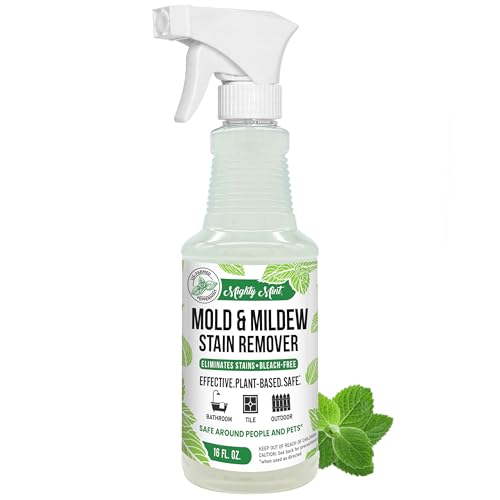
6. Treat Mold & Mildew in Bathrooms

Banish mold from your shower! Pin this powerful DIY solution!
Surface mold in shower areas doesn’t stand a chance against a thick paste of peroxide and baking soda. Hydrogen peroxide is a known anti-fungal agent that kills mold spores, while the baking soda helps scrub away the stains and absorbs moisture, discouraging regrowth.
Supplies Needed
- 1/2 cup baking soda
- 1/4 cup 3% hydrogen peroxide
- Small mixing bowl
- Stiff scrub brush or old toothbrush
- Gloves
- Microfiber cloth
Instructions
- Combine the baking soda and hydrogen peroxide in a small bowl to form a thick paste.
- Apply the paste generously over moldy areas, such as grout lines, caulk, or shower walls.
- Let sit for 10-15 minutes, allowing the peroxide to penetrate and kill mold spores.
- Scrub the affected area vigorously with a stiff brush to remove mold stains and residue.
- Rinse thoroughly with water and wipe dry with a clean microfiber cloth.
- Repeat if necessary for stubborn mold. Ensure good ventilation while working.
Pro-Tip: For recurring mold, use a spray bottle filled with straight 3% hydrogen peroxide on clean surfaces regularly as a preventative measure. Remember, this solution is best for surface mold and stains; extensive mold growth may require professional remediation due to underlying moisture issues.
7. Neutralize Skunk Odor on Pets and Surfaces

Skunked pet emergency? Pin this immediate odor solution!
If your pet has an unfortunate encounter with a skunk, this is the go-to emergency formula. The mixture chemically changes the odor-causing compounds (thiols) in skunk spray into odorless sulfonic acid. This is a true deodorizing solution, not a mask, making it incredibly effective.
What You Need
- 1 quart 3% hydrogen peroxide
- 1/4 cup baking soda
- 1-2 teaspoons liquid dish soap (e.g., Dawn dish soap)
- Large bucket or basin
- Gloves
Routine Steps
- Combine the 3% hydrogen peroxide, baking soda, and liquid dish soap in a large, open bucket. Do not store this mixture, as it can build pressure and explode.
- Mix thoroughly. Use immediately after mixing.
- Apply the solution generously to your pet’s coat (or affected item), ensuring it thoroughly saturates the skunked areas. Avoid getting it in their eyes, nose, or mouth.
- Work the mixture into the fur for 5-10 minutes, allowing it to neutralize odors through chemical reaction.
- Rinse your pet completely with warm water. Repeat if necessary for severe cases.
- Follow with a regular pet shampoo and rinse again to ensure all residue is gone and to moisturize the skin.
Pro-Tip: This formula works by chemically breaking down the odor-causing compounds (thiols), rather than just masking them. It’s crucial to apply it quickly after exposure. For pet safety, ensure the 3% hydrogen peroxide is the only concentration used, and always rinse thoroughly to prevent skin irritation.

8. Lighten Hair at Home (with Caution)

Thinking of natural highlights? Pin this DIY hair lightening guide, but read the warnings!
This method can provide a subtle, sun-kissed look but must be approached with extreme caution. The baking soda opens the hair cuticle, which enhances cleaning power and allows the peroxide to act as a mild bleaching agent. It can be a solution for dull hair, but there are risks.
What You Need
- 1/2 cup baking soda
- 3-4 tablespoons 3% hydrogen peroxide
- Small mixing bowl
- Non-metallic spoon
- Hair tint brush
- Gloves
- Old towel
- Hair conditioner or mask
Instructions
- Combine the baking soda and hydrogen peroxide in a small, non-metallic bowl to create a paste.
- Mix thoroughly until smooth.
- Perform a strand test: Apply a small amount to a hidden section of hair (e.g., underneath). Let sit for 5-10 minutes, then rinse. Observe the result and condition of the hair.
- Apply the paste to dry, clean hair using a tint brush. Target specific sections for highlights or apply more broadly for overall lightening. Avoid the scalp directly.
- Let sit for 5-15 minutes, depending on desired lightness and hair type, carefully monitoring the process. Do not exceed 15 minutes.
- Rinse hair thoroughly with cool water, then wash with shampoo and apply a deep conditioning mask to help counteract dryness.
Pro-Tip: This method offers subtle lightening and is less damaging than traditional bleach, but caution is paramount. Over-processing can lead to dryness, breakage, or unintended orange tones. Always prioritize a “skin sensitivity test” and “strand test” to assess your hair’s reaction and prevent damage. For significant color changes, consult a professional stylist.

9. Deep Clean Burnt Pans and Restore Cookware

Burned a pan? Don’t toss it! Pin this restoration trick!
For stubborn, burnt on food and tough grease on stainless steel cookware, this paste is a lifesaver. The effervescent bubbling action of the peroxide lifts carbonized food, while the baking soda provides the scrubbing power to remove it without harsh scouring.
Supplies Needed
- 1/2 cup baking soda
- 3-4 tablespoons 3% hydrogen peroxide
- Small mixing bowl
- Non-abrasive scrub brush or sponge
- Warm water
Instructions
- Combine baking soda and hydrogen peroxide in a small bowl to create a paste.
- Mix until a thick, spreadable consistency is achieved.
- Apply the paste generously to the burnt-on food and stained areas inside the pan.
- Let sit for 30 minutes to several hours (or overnight for very stubborn burns), allowing the mixture to penetrate and loosen the carbonized food.
- Scrub the burnt area gently but firmly with a non-abrasive brush or sponge.
- Rinse the pan thoroughly with warm water and wash as usual with dish soap. Repeat if necessary.
Pro-Tip: For extremely stubborn burnt on food, after applying the paste, let sit overnight. The prolonged action of the effervescent mixture will significantly loosen the grime, making it easier to scrub away. Avoid using this on delicate non-stick coatings, as baking soda can be too abrasive.

FAQs About peroxide and baking soda
Is peroxide and baking soda safe for teeth?
Yes, in moderation and with proper ratios, 3% hydrogen peroxide and baking soda can safely whiten teeth by removing surface stains. However, overuse or incorrect ratios can lead to enamel damage or gingival irritation. Always use food-grade baking soda and 3% peroxide, and consult your dentist for personalized advice.
What happens when you mix peroxide and baking soda?
When you mix peroxide and baking soda, a mild chemical reaction occurs, creating an oxygenated, mildly abrasive paste or solution. The hydrogen peroxide releases oxygen, which acts as a bleaching and sanitizing agent, while the baking soda provides a gentle scrubbing action and helps neutralize odors.
Can peroxide and baking soda damage enamel?
Yes, excessive use of peroxide and baking soda on teeth can potentially damage enamel over time, especially if the mixture is too abrasive or used too frequently. It’s crucial to use a soft-bristled toothbrush, avoid aggressive scrubbing, and limit use to 1-2 times per week to protect tooth enamel.
How long to leave peroxide and baking soda on teeth?
You should typically leave peroxide and baking soda paste on your teeth for no more than 1-2 minutes per application. Prolonged contact increases the risk of gingival irritation or potential enamel damage. Always rinse thoroughly after use.
How to clean grout with peroxide and baking soda?
To clean grout, mix baking soda with 3% hydrogen peroxide to form a thick paste, apply it to the grout lines, let it sit for 5-10 minutes, then scrub with a brush. This combination leverages the peroxide’s bleaching action and baking soda’s mild abrasive quality to effectively lift and remove dirt and mold from grout.
How to get skunk smell off a dog with peroxide and baking soda?
To remove skunk smell from a dog, combine 1 quart 3% hydrogen peroxide, 1/4 cup baking soda, and 1-2 teaspoons liquid dish soap. Apply immediately to the affected areas, working it into the fur for 5-10 minutes (avoiding eyes), then rinse thoroughly. This mixture chemically neutralizes the odor.
Can you mix peroxide, baking soda, and vinegar?
Mixing peroxide, baking soda, and vinegar is generally not recommended as the acids and bases can neutralize each other, reducing their individual effectiveness. While the ingredients alone are powerful, combining them can produce a less potent cleaning agent or create undesirable reactions.
What toothpaste has hydrogen peroxide and baking soda?
Many commercial whitening toothpastes, such as Colgate Baking Soda and Peroxide Whitening Toothpaste and Crest Baking Soda & Peroxide, contain both ingredients. These products aim to combine the stain-removing properties of baking soda with the whitening effects of hydrogen peroxide in a dentist-approved formulation.
Does baking soda and peroxide remove permanent marker?
While peroxide and baking soda can effectively remove many types of stains, their effectiveness against permanent marker can vary depending on the surface and type of marker. For best results, apply a thick paste to the mark, let it sit for a prolonged period, and then gently scrub. It may lighten but not entirely remove stubborn marks.
Is hydrogen peroxide and baking soda toxic?
Separately, 3% hydrogen peroxide and baking soda are considered safe for household use, but the mixture should not be ingested. While they are non-toxic in small, external applications, swallowing large amounts can cause gastrointestinal upset. Always keep out of reach of children and pets.
Final Thoughts on Peroxide and Baking Soda
The dynamic duo of peroxide and baking soda truly offers an impressive array of solutions for both home and oral care, proving that effective cleaning and whitening don’t always require harsh chemicals or expensive products. From brightening smiles to deep cleaning stubborn grout, and even tackling the infamous skunk odor, this homemade solution provides a non-toxic, eco-friendly, and budget-friendly alternative for countless everyday challenges. The key to unlocking its full potential, and more importantly, ensuring safety, lies in understanding the proper ratios and application techniques for each specific use.
By carefully following the guidelines for each of the 9 uses outlined above, you can confidently harness the whitening power of hydrogen peroxide and the mildly abrasive action of sodium bicarbonate. Remember the crucial importance of using 3% hydrogen peroxide and always performing patch tests where advised, especially for YMYL topics like oral care and skin applications. With this knowledge, you’re now equipped to approach a cleaner home and a brighter smile with confidence and conscious care. What’s your favorite new way to use peroxide and baking soda?
Last update on 2026-08-14 at 15:30 / Affiliate links / Images from Amazon Product Advertising API
