
As an Amazon Associate BakingBakewareSets.com earns from qualifying purchases.
Baking Soda Drain Cleaner: Easy DIY for Septic-Safe Drains
Struggling with a slow or smelly drain? The frustration of standing water in your sink or tub is a familiar annoyance, often leading you to reach for harsh chemical solutions. But there’s a safer, more natural way to handle common clogs.
To clean drains with baking soda and vinegar, first pour one cup of baking soda down the drain, followed by two cups of white vinegar, then let it sit for 30 minutes before flushing with boiling water. This simple, effective baking soda drain cleaner uses a natural chemical reaction to dislodge blockages without harming your pipes.
Drawing from established best practices and proven methodologies, this guide will walk you through everything you need to know. We’ll explore how Sodium Bicarbonate (baking soda) works as a powerful, yet gentle, cleaning agent. You’ll discover multiple easy DIY methods for a fresh, free-flowing, and septic-safe drain.
☰ Table of Contents ▼
show
How to Unclog Drains with Baking Soda Drain Cleaner: Easy DIY for Septic-Safe Solutions
When you’re faced with a clogged drain, the immediate goal is to find a quick and effective fix. While commercial cleaners offer a fast solution, they often come with significant drawbacks, including toxic fumes and the potential to damage your plumbing, especially if you have a septic system. The baking soda drain cleaner method presents a powerful alternative that leverages basic household chemistry. This approach is not only a chemical-free solution but also an incredibly effective way to tackle common issues like grease buildup, soap scum, and unpleasant odors, making it a cornerstone of eco-friendly home habits.
Your DIY Guide to Baking Soda Drain Cleaner: 7 Effective Methods
Ready to put this homemade drain opener to the test? This guide breaks down seven distinct, actionable methods for using a baking soda drain cleaner to solve a variety of common household plumbing issues. From basic clogs and smelly drains to tough grease and preventative maintenance, you’ll find a simple, septic-safe drain cleaner recipe for every situation. Each method provides clear, step-by-step instructions to ensure you get proven results every time.
1. Basic Baking Soda & Vinegar Drain Cleaner Method for Common Clogs

Pin this simple, effective drain cleaner recipe!
This is the classic baking soda and vinegar drain cleaner method, perfect for tackling light clogs in your kitchen sink drain or bathtub drain. It’s the ideal starting point for anyone new to natural drain cleaning.
Supplies Needed
- 1 cup Baking Soda (Sodium Bicarbonate, food-grade quality)
- 2 cups White Vinegar (Acetic Acid, 5% acidity distilled white vinegar for effective reaction)
- Kettle or pot for boiling water
- Drain stopper or towel
Quick Steps
- Measure and pour 1 cup of baking soda directly down the clogged drain, ensuring it gets past any standing water.
- Measure and pour 2 cups of white vinegar down the drain immediately after the baking soda.
- Immediately cover the drain with a stopper or a wet towel to contain the fizzing action and direct the chemical reaction downwards.
- Wait 30 minutes to allow the baking soda and vinegar reaction to work on the blockage.
- After waiting, boil a kettle or pot full of water.
- Flush the drain with the boiling water to rinse away the loosened clog and any remaining solution.
> Pro-Tip: For optimal results with this baking soda drain cleaner, ensure the drain is as clear of standing water as possible before adding the baking soda. This allows the ingredients to reach the clog more directly.

2. Tackling Smelly Drains with Baking Soda and Lemon Juice

Pin this natural trick for a fresh-smelling home!
If you’re dealing with a smelly drain rather than a clog, this method is your go-to natural remedy. The natural deodorizing properties of baking soda combined with the fresh scent of lemon juice effectively neutralize foul odor.
Supplies Needed
- 1/2 cup Baking Soda (food-grade quality)
- 1/2 cup Lemon Juice (freshly squeezed or bottled)
- Boiling water (optional, for final rinse)
Quick Steps
- Pour 1/2 cup of baking soda down the smelly drain, ensuring it coats the sides.
- Follow with 1/2 cup of lemon juice. The citric acid will react with the baking soda, creating a mild fizzing action to help scrub away odor-causing residue.
- Let the mixture sit for 30 minutes to an hour, allowing it to deodorize and break down any lingering smells.
- For extra freshness, flush the drain with boiling water (especially for kitchen sink drains).
> Pro-Tip: For extremely persistent odors, repeat this treatment weekly. The natural deodorizing properties of baking soda also work great for garbage disposal smell.

3. Clearing Hair Clogs in Bathtub and Shower Drains

Pin this life-saving trick for clear shower drains!
A hair clog is one of the most common causes of a slow draining sink in the bathroom. The effervescent cleaning action from the baking soda and vinegar reaction helps break down the soap scum that binds hair together, making it easier to flush.
Supplies Needed
- 1/2 cup Baking Soda
- 1 cup White Vinegar
- Boiling water
- Plunger or drain snake (optional, for stubborn clogs)
Quick Steps
- Remove any visible hair or debris from the drain opening by hand.
- Pour 1/2 cup of baking soda down the bathtub drain or bathroom shower drain. Try to get as much of it into the drain as possible.
- Follow with 1 cup of white vinegar. You’ll notice an immediate fizzing action.
- Allow the mixture to sit for at least 1 hour, or ideally, overnight, to let it soften hair and break down soap scum.
- After the waiting period, flush with boiling water to clear the clog.
- If the clog persists, use a plunger or drain snake to help dislodge any remaining hair.
> Pro-Tip: For tough hair clogs, use a drain hair removal tool before applying the baking soda drain cleaner. This helps the solution reach the core of the blockage more effectively.

4. Baking Soda & Salt Combo for Tougher Grease Buildup

Pin this super-powered solution for greasy drains!
When dealing with stubborn grease buildup in a kitchen sink drain, you need a little extra power. The addition of table salt provides a gentle abrasive action to help scrub the inside of your pipes and break down fats and oils.
Supplies Needed
- 1/2 cup Baking Soda
- 1/2 cup Table Salt (coarse salt preferred)
- 1 cup White Vinegar
- Boiling water
Quick Steps
- Mix 1/2 cup of baking soda and 1/2 cup of table salt thoroughly in a bowl.
- Pour the mixture down the clogged kitchen drain.
- Wait for 15-30 minutes, allowing the dry mixture to sit and start absorbing some moisture and oils.
- Follow with 1 cup of white vinegar. Let it sit for another 30 minutes, allowing the fizzing action to work on the clog.
- Finally, flush with boiling water to wash away the loosened grease buildup and the cleaning solution.
> Pro-Tip: For severe grease buildup, consider letting the baking soda and salt combo sit overnight before adding vinegar and flushing. The longer contact time can help to soften tougher clogs.

5. Proactive Drain Maintenance: Preventing Future Clogs with Baking Soda

Pin this smart tip to keep your drains flowing freely!
The best way to deal with clogs is preventing future clogs from forming in the first place. A simple hot water flushing routine with baking soda can be a game-changer for your overall plumbing maintenance and pipe health.
Supplies Needed
- 1/2 cup Baking Soda
- Boiling water or very hot tap water
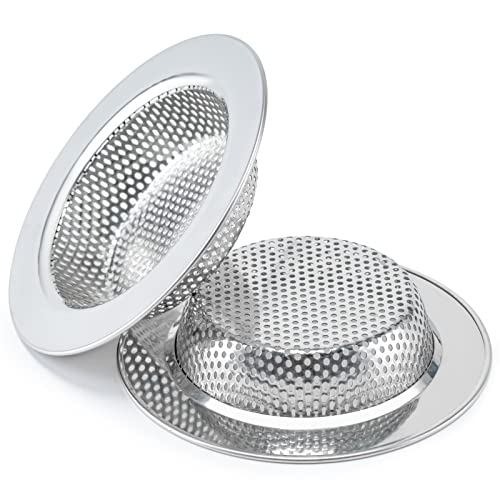
- Drain strainer/hair catcher (recommended)
Quick Steps
- Once a week or every two weeks, pour 1/2 cup of baking soda down each drain (kitchen sink, bathroom sink, shower).
- Let the baking soda sit in the drain for 15-30 minutes; it will deodorize and start to break down minor residues.
- Flush the drain thoroughly with boiling water or very hot tap water for several minutes.
- Regularly clean drain strainers and hair catchers to prevent debris from accumulating.
> Pro-Tip: Incorporate this routine as part of your eco-friendly home habits. It’s far better to prevent clogs with this non-toxic drain unblocker than to deal with a severe blockage.
6. The Science Behind Baking Soda Drain Cleaner: How it Works

Pin this fascinating insight into natural cleaning!
Ever wondered why this simple combination is so effective? The magic lies in a classic acid-base reaction. Understanding the science helps build confidence in this effective natural solution.
Principles at Play
- Sodium Bicarbonate (Baking Soda): An alkaline (basic) compound, chemically NaHCO₃.
- Acetic Acid (Vinegar): A weak acid, chemically CH₃COOH.
- Organic Clogs: Composed of fats, proteins, and minerals (e.g., grease buildup, hair clogs, soap scum).
Steps
- Acid-Base Reaction: When baking soda and vinegar mix, they undergo an acid-base reaction. The baking soda neutralizes the acid in vinegar.
- Carbonic Acid Formation: This reaction initially forms carbonic acid, which is highly unstable.
- Carbon Dioxide Release: The unstable carbonic acid quickly breaks down into water and large amounts of carbon dioxide gas. This rapid effervescence creates significant mechanical pressure in pipes.
- Dislodging Action: This pressure, combined with the mild abrasive quality of baking soda and the molecular breakdown of lipids (fats) by the subsequent boiling water, helps to dislodge and push blockages down the drain.
- Odor Neutralization: The alkaline nature of baking soda also effectively achieves pH neutralization of acidic odor molecules, thereby deodorizing the drain.
> Pro-Tip: The key to this effective drain cleaner is not chemical dissolving of the clog, but rather the physical force of the expanding carbon dioxide release combined with the softening of organic material by hot water. This is why it’s so safe for septic tanks and PVC pipes.
7. Baking Soda Drain Cleaner vs. Commercial Cleaners: Why Choose Natural

Pin this essential comparison before you choose your drain cleaner!
When you’re comparing a baking soda drain cleaner vs commercial drain cleaner, the differences in safety, cost, and environmental impact are stark. Understanding these factors makes choosing a natural alternative to drano an easy decision.
Key Factors
- Safety:
- Baking Soda Drain Cleaner: Non-corrosive properties, fume-free application, safe for PVC pipes and septic tanks, poses no burn risk.
- Commercial Cleaners: Often contain highly corrosive chemicals (e.g., lye, sulfuric acid), pose burn risks, produce toxic fumes, and can damage plumbing over time.
- Environmental Impact:
- Baking Soda Drain Cleaner: Eco-friendly ingredients, biodegradable formula, minimal environmental footprint.
- Commercial Cleaners: Release harsh chemicals into waterways, harmful to aquatic life, and contribute to pollution.
- Efficacy:
- Baking Soda Drain Cleaner: Effective natural solution for minor to moderate grease buildup, soap scum, hair clogs, and foul odor. May not work on severe, solid blockages.
- Commercial Cleaners: Can dissolve a wider range of clogs due to aggressive chemical reactions, but often not suitable for long-term use or certain pipe types.
- Cost:
- Baking Soda Drain Cleaner: Extremely inexpensive drain fix using common household pantry items.
- Commercial Cleaners: Significantly more expensive per application.
Why Choose Natural
- Health & Safety: Avoids caustic chemicals that are dangerous to skin, eyes, and lungs. Safer for homes with children and pets.
- Plumbing Protection: Gentle on all types of plumbing, preventing damage to PVC pipes, metal, and especially vital for septic system health.
- Environmental Responsibility: Reduces chemical runoff and supports a low-waste household and sustainable living.
- Cost-Effectiveness: Provides an effective natural solution at a fraction of the cost.
> Pro-Tip: While baking soda drain cleaner is an effective natural solution, if you have a completely blocked drain with standing water that doesn’t clear after a few attempts, it’s best to call a plumber. This prevents over-application and potential further issues.

Key Takeaways: Your Quick Guide to Baking Soda Drain Cleaner
- Baking soda and vinegar is a powerful, natural drain cleaner. This common household combination creates a fizzing action to loosen minor clogs, grease buildup, and soap scum.
- It is septic-safe and gentle on all plumbing types. Unlike harsh chemical cleaners, baking soda drain cleaner is non-corrosive properties and safe for PVC pipes and septic systems.
- The ideal ratio is 1 cup baking soda to 2 cups white vinegar. This ensures an effective acid-base reaction to clear blockages and deodorize drains.
- Beyond clogs, it effectively neutralizes foul odors. Use baking soda alone or with lemon juice for a fresh-smelling kitchen sink drain or garbage disposal.
- Regular maintenance prevents future blockages. A weekly flush with baking soda and hot water flushing routine keeps drains clear and healthy.
- It’s an eco-friendly and cost-effective alternative. Opting for this homemade drain opener reduces reliance on expensive and environmentally harmful chemical products.
- For tough clogs, combine with salt or consider professional help. While powerful, this method works best for moderate blockages; severe issues may require a plumber.
People Also Ask About Baking Soda Drain Cleaner
How to clean drains with baking soda and vinegar?
First, pour one cup of baking soda down the drain, followed by two cups of white vinegar. Immediately cover the drain to contain the fizzing action, letting it sit for 30 minutes. Finally, flush with boiling water to clear the loosened clog. This homemade drain opener utilizes an acid-base reaction to create pressure and dislodge organic matter.
Is baking soda safe for drains and plumbing?
Yes, baking soda is generally safe for drains and all types of plumbing, including PVC pipes and metal fixtures. Its non-corrosive properties make it a gentle eco-friendly drain cleaner. Unlike harsh chemical cleaners, it won’t damage pipes or create dangerous fumes, making it ideal for regular drain care.
Does baking soda and vinegar actually work to clear clogs?
Yes, the combination of baking soda and vinegar is effective for minor to moderate clogs caused by organic matter. The baking soda and vinegar reaction creates carbon dioxide release, generating mechanical pressure in pipes that can dislodge grease buildup, soap scum, and some hair clogs. It also helps to deodorize smelly drains.
What is the best ratio for baking soda drain cleaner?
The best ratio for baking soda drain cleaner is typically one part baking soda to two parts vinegar. For example, use one cup of baking soda followed by two cups of white vinegar. This ratio ensures a sufficient acid-base reaction to generate enough fizzing action to tackle common drain blockages.
Can I use baking powder instead of baking soda for drains?
No, baking powder is not an effective substitute for baking soda in drain cleaning. While baking powder contains baking soda, it also has acid already mixed in, meaning most of its reactive power is used up when it gets wet. Baking soda alone, when combined with an external acid like vinegar, produces the necessary effervescence.
Is baking soda safe for septic tanks?
Yes, baking soda drain cleaner is entirely safe for septic tanks. Unlike caustic chemical cleaners that can kill beneficial bacteria crucial for septic system function, sodium bicarbonate and acetic acid are natural, biodegradable compounds that pose no threat to the delicate balance of your septic system. It’s an eco-friendly solution for septic-safe drains.
How long should I leave baking soda in the drain?
For most clogs, leave the baking soda and vinegar mixture in the drain for at least 30 minutes to one hour. For more stubborn blockages or grease buildup, allowing it to sit overnight (6-8 hours) can provide more time for the molecular breakdown of lipids and for the mechanical pressure in pipes to work.
What to do if baking soda doesn’t work for a clogged drain?
If baking soda doesn’t work after a couple of attempts, it indicates a more severe blockage that may require mechanical intervention. Consider using a plunger or a drain snake. For persistent or completely blocked drains, it’s best to call a professional plumber to avoid damaging your plumbing system.
Can you mix baking soda and bleach for drain cleaning?
Absolutely NOT. Never mix baking soda and bleach for drain cleaning or any other purpose. Mixing bleach with acidic ingredients like vinegar or even some organic matter can produce highly toxic chlorine gas, which is extremely dangerous and can be fatal. Stick to baking soda and vinegar drain cleaner for safety.
How often should I clean my drains with baking soda proactively?
For proactive drain maintenance, cleaning your drains with baking soda every 1-2 weeks is recommended. This hot water flushing routine helps prevent grease buildup, soap scum, and foul odor from accumulating, keeping your drain pipes clear and fresh. It’s a key part of plumbing maintenance.
Final Thoughts on Baking Soda Drain Cleaner
Tackling a clogged drain no longer requires harsh chemicals or expensive professional services. The humble baking soda drain cleaner, combined with everyday white vinegar, offers a powerful, eco-friendly, and incredibly septic-safe solution. From stubborn grease buildup and hair clogs to persistent foul odor, this homemade drain opener provides an effective natural solution that protects your plumbing, your family’s health, and the environment. By understanding the simple acid-base reaction at play and implementing the techniques outlined, you’re empowered to keep your drains flowing freely.
Regular plumbing maintenance with baking soda is key to preventing future clogs, turning a reactive chore into a proactive part of your sustainable living routine. Remember the crucial 1:2 ratio, the importance of hot water, and the absolute warning against mixing with bleach. With these expert cleaning tips, you now possess the knowledge to confidently maintain a healthy, chemical-free solution for your home’s drainage.
What are your favorite natural cleaning hacks for a healthy home? Share your tips in the comments below
Last update on 2026-09-15 at 21:31 / Affiliate links / Images from Amazon Product Advertising API
