
As an Amazon Associate BakingBakewareSets.com earns from qualifying purchases.
Baking Soda Christmas Ornaments: Simple Porcelain DIY
Dreaming of elegant, handmade holiday decor without the high price tag? You’re tired of the same old store-bought decorations and want to create something truly special, but the thought of complicated crafts feels overwhelming. What if you could make stunning, porcelain-like ornaments using simple kitchen staples?
Baking soda Christmas ornaments are a simple, elegant DIY craft made from a cooked dough of baking soda, cornstarch, and water, which air-dries or bakes into a hard, smooth, and brilliant white decoration. These homemade adornments are cost-effective, easy to craft, and can be customized with various decorating techniques for a sophisticated finish.
Drawing from established best practices and a tested, foolproof recipe, this guide will show you exactly how to achieve that coveted porcelain-like look. You’ll discover the simple steps to create durable, beautiful ornaments that will become cherished keepsakes for years to come. Get ready to transform your holiday decor with this fun and rewarding project.
☰ Table of Contents ▼
show
Crafting Elegant Porcelain-Look Baking Soda Christmas Ornaments
Creating your own baking soda christmas ornaments is a rewarding experience that results in stunning, lightweight decorations with a sophisticated, elegant white finish. Unlike traditional salt dough, this method produces a smoother, more refined ornament that closely resembles expensive porcelain. This guide breaks down the entire process into simple, manageable steps, ensuring even first-time crafters can achieve beautiful, professional-looking results. We’ll cover everything from mixing the perfect dough to troubleshooting common issues like cracking or yellowing.
7 Essential Steps to Craft Stunning Porcelain-Look Baking Soda Christmas Ornaments
To achieve that perfect, porcelain-like look, it’s essential to follow a proven method. This step by step guide walks you through the entire process of making homemade christmas ornaments from a simple baking soda dough recipe. Each stage is designed to be easy to follow and helps you avoid common pitfalls, ensuring your finished products are both beautiful and durable. Let’s dive into the seven essential steps for crafting your own easy to make white christmas ornaments.
1. Gather Your Ingredients & Tools for Baking Soda Dough

Pin this essential preparation list to your ‘DIY Christmas’ board!
Supplies Needed
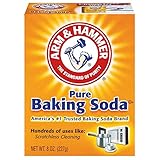
- 2 cups baking soda (sodium bicarbonate, ensure it’s fresh for best results)
- 1 cup cornstarch (maize starch, any brand works)
- 1 ½ cups cold water
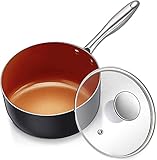
- Non-stick saucepan
- Whisk and spatula
- Rolling pin (preferably non-stick)
- Parchment paper or silicone mat
- Assorted Christmas cookie cutters (metal or plastic)
- Drinking straw or skewer (for making hanging holes)
- Baking sheet
What To Do
- Gather all ingredients and tools on a clean workspace to streamline the crafting process.
- Ensure your baking soda and cornstarch are fresh and free from clumps for a smooth dough consistency.
- Arrange your cookie cutters and parchment paper for easy access during the shaping stage.
Pro-Tip: Using cold water helps prevent lumps when combining the baking soda and cornstarch, ensuring a smoother, more elastic dough for your baking soda ornaments. This tip aids in
kneading for elasticity, a key advanced concept.
2. Master the Baking Soda Dough Recipe

Save this foolproof baking soda dough recipe for perfect ornaments every time!
Ingredients
- Prepared baking soda and cornstarch mixture (from previous step)
- 1 ½ cups cold water
Instructions
- Combine the baking soda, cornstarch, and cold water in your non-stick saucepan.
- Whisk vigorously until all lumps are dissolved and the mixture is smooth.
- Place the saucepan over medium-low heat.
- Stir constantly with a spatula or wooden spoon as the mixture heats up. It will start to thicken, resembling mashed potatoes.
- Continue to stir until the dough pulls away cleanly from the sides of the pan and forms a solid ball, usually about 5-8 minutes.
- Remove the dough from the heat and transfer it to a plate or a clean, dry surface.
- Cover it with a damp cloth to prevent the surface from drying out while it cools slightly.
Pro-Tip: The key to perfectly smooth baking soda dough is constant stirring during cooking. This prevents scorching and ensures even thickening, which contributes to the elegant white finish and prevents issues like
fixing sticky doughoravoid yellowinglater on.
3. Knead and Roll Out Your Perfect Dough

Discover the secret to smooth, crack-free baking soda ornaments with proper kneading!
What You Need
- Cooled baking soda dough
- Parchment paper or silicone mat
- Rolling pin
- A light dusting of cornstarch (optional, for very sticky dough)
Steps
- Allow the cooked baking soda dough to cool until it’s comfortable to handle (about 10-15 minutes). It should still be warm, not cold.
- Knead the dough for 5-7 minutes on a clean, dry surface, working it with your hands until it becomes smooth, pliable, and consistent, similar to play-doh. If it’s too sticky, lightly dust your hands with cornstarch.
- Divide the kneaded dough into two or three smaller balls for easier handling.
- Place one ball of dough between two sheets of parchment paper or directly on a silicone mat.
- Roll out the dough evenly to a thickness of approximately ¼ inch (about 6mm). This
dough thicknessis crucial to prevent cracking and achieve a durable homemade ornament.
Pro-Tip: The ideal dough thickness for baking soda ornaments is ¼ inch. Rolling it too thin makes them brittle, while too thick can cause uneven drying and prevent cracking. Consider an adjustable rolling pin for consistent results, a more advanced recommendation for
ratio optimization.

4. Cut and Punch Holes for Your Ornaments

Transform your baking soda dough into beautiful Christmas ornaments with these simple cutting tips!
What You Need
- Rolled-out baking soda dough
- Assorted Christmas cookie cutters
- Drinking straw or skewer
- Parchment paper-lined baking sheet
Steps
- Press cookie cutters firmly into the rolled-out baking soda dough.
- Gently lift the cut shapes and place them on the parchment paper-lined baking sheet.
- Gather any excess dough scraps, combine them, knead lightly, and roll out again to cut more shapes.
- Using a drinking straw or skewer, punch a small hole near the top of each ornament shape. Ensure the hole is large enough for twine or ribbon but not too close to the edge to prevent cracking during drying or hanging.
Pro-Tip: For the cleanest edges on your baking soda dough ornaments, dip your cookie cutters in cornstarch before each press. This prevents sticking and ensures sharp, defined shapes, contributing to the professional, porcelain-like look.

5. Bake and Air Dry for Durable Ornaments

Get the perfect, durable homemade ornaments with these crucial baking and drying tips!
What You Need
- Cut baking soda dough ornaments on baking sheet
- Preheated oven (or a warm, dry area for air-drying)
- Wire cooling rack
Steps
- Preheat oven to the lowest setting, typically 175°F (80°C).
- Place the baking sheet with ornaments in the preheated oven.
- Bake for 30 minutes, then carefully flip each ornament.
- Continue to bake for another 30-60 minutes, or until the ornaments are hard and dry to the touch. The total baking time will vary based on thickness and oven.
- Alternatively, you can air dry ornaments for 24-72 hours, flipping every 12 hours, but baking ensures better durability and prevents yellowing.
- Once baked, transfer to wire rack to cool completely. This step is crucial for hardening and preventing moisture buildup.
Pro-Tip: For truly white baking soda ornaments and to prevent cracking, bake at the lowest possible temperature and flip them periodically.
Preventing Maillard reaction (yellowing)is achieved through low, slow heat, an advanced concept foroven-drying chemistry.
6. Decorate Your Porcelain-Look Ornaments

Unleash your creativity! Pin these ideas for decorating your porcelain-look baking soda ornaments.
What You Need
- Fully cooled and dried baking soda ornaments
- Acrylic paint (various colors)
- Fine-tipped paintbrushes
- Glitter (optional)
- Essential oils (e.g., cinnamon, spruce, peppermint – optional, for
scented ornaments) - Mod Podge or clear sealant
Steps
- Paint your baking soda ornaments using acrylic paint. You can opt for simple solid colors, delicate patterns, or create intricate designs. The matte finish of the dough provides an excellent base.
- For a textured surface, mix paint with a tiny bit of extra baking soda before applying.
- To create galaxy baking soda ornaments, layer dark blues and purples, then dab white paint for stars and sprinkle fine glitter.
- To make scented ornaments, gently rub a few drops of your chosen essential oil onto the back of the dried (but unsealed) ornament.
- Let all paint and decorations dry completely before proceeding.
Pro-Tip: When adding essential oils to create scented ornaments, apply them before sealing the ornament and use concentrated
essential oilsfor lasting fragrance. For optimalpigment saturation in white clay, apply thin, even coats of acrylic paint.

7. Seal and Store Your Handmade Keepsakes

Learn how to seal and store baking soda ornaments to enjoy them for years to come!
What You Need
- Decorated and fully dry baking soda ornaments
- Clear spray sealant (matte or gloss finish) or brush-on Mod Podge
- Ribbon, twine, or string for hanging
- Airtight container for storage
- Acid-free tissue paper or bubble wrap
Steps
- Apply sealant to your fully dry, decorated baking soda ornaments. If using a spray sealant, do so in a well-ventilated area, applying 2-3 thin coats, allowing each to dry completely. For brush-on, apply an even coat and let dry. This step is crucial for
varnishing for longevityand to protect paint. - Once sealed and dry, thread ribbon, twine, or string through the punched holes to create hangers.
- To store baking soda ornaments for years, wrap each ornament individually in acid-free tissue paper or bubble wrap to protect them.
- Place the wrapped ornaments in an airtight container and store in a cool, dry place. This prevents mold on ornaments and helps remedy brittle ornaments by protecting them from humidity fluctuations.
Pro-Tip: For optimal
archival quality of ornaments, use an acid-free spray sealant. While Mod Podge works, a good quality clear spray sealant provides superior protection against humidity, which helps prevent brittleness and cracking over time, relating tohumidity effects on air-drying.

Troubleshooting Common Baking Soda Ornament Issues
Even with a perfect recipe, sometimes issues can arise. Understanding why problems like cracking or yellowing happen is the key to preventing them. This troubleshooting guide addresses the most common questions and frustrations, providing clear solutions to ensure your crafting experience is a success and your homemade christmas ornaments turn out beautifully.
What causes baking soda ornaments to crack and how to prevent it?
Cracking in baking soda ornaments is primarily caused by uneven drying or too-rapid drying, especially if the dough is too thick or baked at too high a temperature. To prevent this, ensure uniform dough thickness (¼ inch), bake at the lowest oven temperature (175°F/80°C) and flip ornaments halfway, or opt for slow air-drying over several days, turning frequently.
How to prevent baking soda ornaments from turning yellow?
Baking soda ornaments turn yellow when exposed to excessive heat, causing a chemical reaction known as the Maillard reaction. To avoid yellowing, always bake your ornaments at the lowest possible oven temperature (175°F/80°C) and keep baking times minimal, only until hardened. Air-drying is another excellent way to ensure your ornaments stay white.
My baking soda dough is too sticky, how do I fix it?
If your baking soda dough is too sticky after cooking, it likely contains too much water or wasn’t cooked long enough to fully activate the starches. To fix sticky dough, return it to the saucepan over very low heat and stir constantly for another 1-3 minutes until it pulls away cleanly from the sides. You can also knead in a tiny bit of extra cornstarch once cooled.
What makes baking soda ornaments brittle and prone to breaking?
Baking soda ornaments become brittle if the dough is rolled too thin, over-baked at high temperatures, or dried too quickly in a very dry environment. To remedy brittle ornaments, ensure your dough is at least ¼ inch thick, use low and slow baking/drying methods, and apply a good quality sealant after decorating to add a protective layer and strengthen fragile dough.
How can I flatten baking soda ornaments if they curl during drying?
Baking soda ornaments often curl during drying due to uneven moisture loss between the top and bottom surfaces. To flatten curled ornaments, gently place a flat, heavy object (like a cutting board or thick book) on top of them while they are still slightly pliable during the cooling process, or immediately after flipping during air-drying.
Why do my baking soda ornaments get white residue after drying?
White residue on dried baking soda ornaments is usually undissolved baking soda or mineral deposits from hard water. To prevent this, ensure all the baking soda is thoroughly dissolved when initially mixing the dough ingredients and use distilled water if your tap water is very hard. A light wipe with a damp cloth after drying can also help cleaning up residue.
Baking Soda Ornaments vs. Salt Dough: Which is Better?
When choosing a recipe for homemade christmas ornaments, many crafters wonder about baking soda vs salt dough. While both are popular DIY holiday decor options, they produce very different results. This comparison will help you decide which material is best for your project, highlighting why baking soda dough is often the preferred choice for achieving a sophisticated, porcelain-like look.
Key Differences: Baking Soda Dough vs. Salt Dough Ornaments
- Appearance:
- Baking Soda Dough: Boasts a beautiful, elegant white finish with a smooth texture that closely mimics porcelain. It stays white and takes detail exceptionally well, ideal for a minimalist or
scandinavian style white baking soda ornaments. - Salt Dough: Tends to have a more rustic, off-white, or yellowish hue. Its texture can be coarser due to the salt crystals, and it often appears more opaque than the pure white color of baking soda dough.
- Baking Soda Dough: Boasts a beautiful, elegant white finish with a smooth texture that closely mimics porcelain. It stays white and takes detail exceptionally well, ideal for a minimalist or
- Ingredients:
- Baking Soda Dough: Typically made with baking soda, cornstarch, and water, making it a non-toxic craft clay option.
- Salt Dough: Made with flour, salt, and water.
- Durability & Longevity:
- Baking Soda Dough: When properly baked and sealed, these durable homemade ornaments are quite robust and can last for many years, offering
archival quality. They are less prone to cracking if dried correctly. - Salt Dough: Can be very durable but is more susceptible to moisture damage if not properly sealed. It can also be more prone to cracking if not dried slowly and evenly.
- Baking Soda Dough: When properly baked and sealed, these durable homemade ornaments are quite robust and can last for many years, offering
- Ease of Use:
- Baking Soda Dough: The dough recipe involves a brief cooking step but results in a very pliable and easy-to-work-with dough.
- Salt Dough: Generally simpler to mix, but the dough can sometimes be more crumbly or prone to bubbling during baking.
- Best For:
- Baking Soda Dough: Perfect for creating sophisticated, porcelain-like look decorations, delicate designs, or scented ornaments where a pure white base is desired. Also great for
handprint ornaments with baking soda doughas they maintain their shape well. - Salt Dough: Excellent for rustic, traditional, or very large ornaments where fine detail isn’t the primary concern.
- Baking Soda Dough: Perfect for creating sophisticated, porcelain-like look decorations, delicate designs, or scented ornaments where a pure white base is desired. Also great for
Key Takeaways: Your Quick Guide to Baking Soda Christmas Ornaments
- Baking Soda Ornaments offer a stunning porcelain-like aesthetic at a fraction of the cost, perfect for
homemade christmas ornaments. ThisDIY baking soda ornamentsrecipe yields an elegant white finish unmatched by traditional salt dough. - The key to perfect
baking soda doughlies in proper cooking and kneading. Consistent stirring and thoroughkneading for elasticityensure a smooth, pliable dough that’s easy to work with and minimizescracking in ornaments. - Low, slow baking (or air-drying) is crucial for
durable homemade ornamentsthat stay white. Avoid high temperatures toprevent yellowingand ensure yourbaking soda clay ornamentsharden evenly without becoming brittle. - Customization is endless, from paint to scent. Use acrylic paint for intricate designs and
essential oilsforscented baking soda ornaments, turning simplewhite christmas ornamentsinto personalizedhandmade keepsakes. - Sealing your ornaments is essential for their
longevity. A clear sealant protects against moisture and wear, allowing you tostore baking soda ornamentsfor many holiday seasons to come. - Troubleshooting common issues like
crackingoryellowingis straightforward. By understanding the causes, you can easilyfix sticky doughorremedy brittle ornaments, ensuring successful crafting every time with theseexpert tips. - Baking soda dough is generally superior to salt dough for a refined finish. It offers a smoother texture and brighter white color, making it the preferred choice for
scandinavian style white baking soda ornamentsandelegant white finishdecor.
People Also Ask About Baking Soda Christmas Ornaments
How to make baking soda Christmas ornaments?
To make baking soda Christmas ornaments, combine 2 cups baking soda, 1 cup cornstarch, and 1 ½ cups water in a saucepan, stirring over medium-low heat until it forms a dough. Knead the cooled dough, roll it to ¼ inch thick, cut shapes with cookie cutters, and punch holes. Bake at 175°F (80°C) for 1-1.5 hours, flipping halfway, then cool and decorate.
What is the recipe for baking soda dough?
The basic recipe for baking soda dough requires 2 parts baking soda, 1 part cornstarch, and 1.5 parts water. Specifically, use 2 cups baking soda, 1 cup cornstarch, and 1 ½ cups cold water. Cook these ingredients over medium-low heat, stirring continuously, until a dough forms and pulls away from the sides of the pan.
How long do baking soda ornaments last?
When properly made, baked at a low temperature, sealed with a clear finish, and stored correctly, baking soda ornaments can last for many years. Their durable homemade ornaments quality makes them wonderful handmade keepsakes for generations. Key factors include slow drying, sealant application, and airtight container storage to prevent moisture damage.
How do you stop baking soda ornaments from cracking?
To prevent baking soda ornaments from cracking, ensure your dough is rolled evenly to about ¼ inch thick, and dry them slowly at a very low oven temperature (175°F/80°C) or by air-drying for 2-3 days, flipping regularly. Uneven or rapid drying is the primary cause of cracks.
Can you air dry baking soda dough?
Yes, you can air dry baking soda dough, and it’s a great option for minimizing the risk of yellowing, though it takes longer. Place your baking soda ornaments on a wire rack or parchment paper in a well-ventilated area, flipping them every 12-24 hours. Air-drying can take 2-3 days, depending on humidity and thickness.
Is baking soda dough better than salt dough?
For a pure white, porcelain-like look and a smoother finish, baking soda dough is generally considered better than salt dough for ornaments. Baking soda dough creates a more elegant aesthetic, while salt dough tends to be coarser and can have a yellowish tint. Both are non-toxic dough options for crafting.
How do you paint baking soda ornaments?
You can easily paint baking soda ornaments using acrylic paints after they are completely dry and cooled. The matte finish of the baking soda clay provides an excellent canvas for various colors and designs. For a textured surface, you can mix a small amount of extra baking soda into your paint before application.
How to make scented baking soda ornaments?
To make scented baking soda ornaments, add a few drops of your favorite essential oils (like cinnamon, pine, or peppermint) to the dough while kneading, or rub them onto the back of the dried ornament before sealing. This allows the fragrance to subtly diffuse, creating delightful scented ornaments for your Christmas tree themes.
Why did my baking soda ornaments turn yellow?
Baking soda ornaments often turn yellow if they are baked at too high a temperature, causing the Maillard reaction (browning) of the cornstarch. To ensure your baking soda christmas ornaments stay white, always use the lowest possible oven setting (around 175°F/80°C) or opt for air-drying.
What temperature to bake baking soda ornaments?
The ideal temperature to bake baking soda ornaments is the lowest possible setting on your oven, typically 175°F (80°C). Baking at this low heat for 1 to 1.5 hours, flipping halfway, prevents yellowing and allows the ornaments to dry thoroughly without cracking, resulting in durable homemade ornaments.
Final Thoughts on Baking Soda Christmas Ornaments
Crafting baking soda Christmas ornaments is more than just a simple DIY project; it’s an opportunity to create elegant, porcelain-like look decorations that add a touch of handmade charm to your holiday season. Through this tested recipe and detailed instructions, you’ve gained the expert tips needed to produce durable homemade ornaments that stay white and resist cracking. The process, while simple, involves key steps from properly cooking and kneading the dough to the crucial low-temperature baking that prevents yellowing. These handmade keepsakes are not only an inexpensive DIY but also a delightful activity for the whole family, resulting in beautiful white christmas ornaments that can be personalized and cherished for years.
The versatility of baking soda dough allows for endless creativity, whether you prefer a minimalist scandinavian style or intricate galaxy baking soda ornaments. Remember the importance of sealing your creations for varnishing for longevity and storing them correctly to prevent mold on ornaments. With these insights, you’re well-equipped to avoid common pitfalls and achieve guaranteed results. So gather your supplies, embrace the festive spirit, and enjoy the satisfaction of adorning your home with these unique, porcelain-like decorations. What creative touches will you add to your baking soda christmas ornaments this year? Don’t forget, these also make thoughtful additions to any homemade gift guide
Last update on 2026-08-20 at 13:05 / Affiliate links / Images from Amazon Product Advertising API
