
As an Amazon Associate BakingBakewareSets.com earns from qualifying purchases.
Baking Soda Ornaments: Easy White Porcelain DIY Recipe
Tired of holiday ornaments that look dull and dated? You’ve likely tried traditional salt dough, only to end up with a bumpy, off-white creation that feels more rustic than refined. The frustration of wanting that clean, modern aesthetic for your baking soda dough ornaments is real.
Making baking soda dough ornaments involves combining baking soda, cornstarch, and water, then gently heating the mixture until a dough forms. This simple process results in a smooth, bright white, porcelain-like material that is perfect for crafting elegant, modern holiday decorations and provides a superior alternative to traditional salt dough.
Based on this tested recipe and its precise measurements, you’re about to unlock the secret to a flawless smooth finish dough. This guide provides the complete step-by-step tutorial for creating your own white clay ornaments. Get ready to transform your holiday decor with beautiful, homemade keepsakes.
☰ Table of Contents ▼
show
Your Step-by-Step Guide to Crafting 7 Perfect Baking Soda Dough Ornaments
This comprehensive guide will walk you through every phase of creating beautiful baking soda dough ornaments, from mixing the ingredients to storing your finished masterpieces. Following these detailed instructions ensures you’ll achieve the promised bright white finish and stunning porcelain-like appearance. We’ll cover everything you need, including the tools, the process, and the pro-tips to guarantee success.
1. Mix & Simmer Your Dough to Create a Smooth Base

Pin this genius hack to your ‘DIY Christmas Decor’ board!
This is the foundational step where you create the two ingredient dough that makes these ornaments so special. The combination of baking soda and cornstarch dough is what produces that signature pure white color and smooth texture. Getting this stage right is crucial for a successful project.
Supplies Needed:
- 1 cup baking soda (for a pure white color)
- ½ cup cornstarch (a crucial binder for ceramic-style ornaments)
- ¾ cup cold water
- Non-stick saucepan (medium size for easy stirring)
- Whisk or spoon
Step-by-Step Directions:
- Whisk together the baking soda and cornstarch in the non-stick saucepan until well combined.
- Gradually add the cold water, stirring continuously to avoid lumps and ensure a smooth texture.
- Heat the baking soda mixture over medium-low heat, stirring constantly. The mixture will begin to thicken.
- Simmer gently, continuing to stir, until the dough pulls away from the sides of the pan and forms a soft ball. This usually takes 5-8 minutes.
- Remove from heat immediately once a ball forms. Do not overcook, as this can lead to a crumbly or dry dough.
Pro-Tip: Achieving the right consistency is key for a smooth finish dough. If it’s too sticky, add a pinch more cornstarch; if too dry, a tiny drop of water. The goal is a pliable dough that doesn’t stick to your hands.

2. Knead & Roll for a Smooth Finish and Ideal Thickness

Save this tip for flawless, porcelain-like ornaments!
Once your dough has cooled slightly, it’s time to knead and roll out the base for your ornaments. This step is essential for creating a uniform surface and achieving that coveted smooth finish dough. Paying attention to the thickness here will directly impact the durability of your final creations and help prevent cracking.
Supplies Needed:
- Cooled baking soda dough
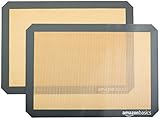
- Parchment paper or silicone baking mat (for a non-stick surface)
- Rolling pin (preferably non-stick or lightly floured with cornstarch)
Step-by-Step Directions:
- Transfer the cooled baking soda dough to a piece of parchment paper or a silicone baking mat.
- Knead the dough for 1-2 minutes until it’s very smooth and pliable. This helps remove any air bubbles for a smooth finish.
- Place a second piece of parchment paper over the dough.
- Roll out the dough evenly between the two sheets to about ¼ inch (0.6 cm) thickness. Ensure consistent thickness across the entire sheet to prevent cracking during drying.
- Remove the top sheet of parchment paper, leaving the dough on the bottom sheet.
Pro-Tip: For truly smooth texture and to avoid sticking, lightly dust your rolling pin and parchment paper with a tiny bit of cornstarch, not flour. This helps maintain the pure white color of your ceramic-style ornaments.
3. Cut & Shape Your Ornaments with Precision

Discover festive cookie cutter shapes for your next craft project!
Now for the fun part: giving your dough its shape! Using cookie cutters is the easiest way to create uniform and festive designs. This is where your homemade keepsakes begin to take form, ready for Christmas tree decorating. Don’t forget to make a hole for hanging!
Supplies Needed:
- Rolled baking soda dough on parchment paper
- Assorted cookie cutters (stars, snowflakes, circles, etc.)
- Straw or skewer (for making hanging holes)
- Small spatula or offset knife
Step-by-Step Directions:
- Press your chosen cookie cutters firmly into the rolled baking soda dough, ensuring a clean cut all the way through.
- Carefully lift the cookie cutters. Use a small spatula or offset knife to gently transfer the cut dough shapes to a separate piece of parchment paper if needed.
- For hanging, use a straw or skewer to create a hole near the top of each ornament. Make sure the hole is large enough for twine or ribbon later, but not too close to the edge to prevent cracking.
- Re-roll any dough scraps and repeat the cut and shape process until all dough is used.
Pro-Tip: If your cookie cutters start to stick, dip them lightly in cornstarch before pressing. This ensures clean lines and prevents tearing, crucial for that bright white finish on your homemade keepsakes.

4. Bake or Air-Dry Your Baking Soda Ornaments for Durability

Air dry vs oven bake: Which method is best for baking soda ornaments?
To transform your soft dough into hard, durable ornaments, you need to dry them completely. You have two options: a slow bake in a low heat oven or letting them air dry. Both methods work well, but the key is patience and a gentle approach to avoid browning and ensure they are drying evenly.
Supplies Needed:
- Cut baking soda dough ornaments on parchment paper
- Baking sheet
- Oven (for baking method) or flat surface (for air-drying)
- Cooling rack
Step-by-Step Directions:
- Choose your method:
- Oven Bake Method:
- Preheat oven to 175°F (80°C). This low heat oven temperature helps avoid browning.
- Place the parchment paper with cut ornaments onto a baking sheet.
- Bake for 1 to 2 hours, or until the ornaments are hard and dry. The exact time will depend on thickness.
- Flip the ornaments halfway through for drying evenly.
- Cool completely on a wire rack before decorating.
- Air-Dry Method:
- Arrange cut ornaments on parchment paper on a flat, even surface in a well-ventilated area.
- Allow to air dry for 24-72 hours, flipping every 12-24 hours for drying evenly.
- The ornaments are dry when they are hard to the touch and no longer cool.
- Oven Bake Method:
Pro-Tip: To prevent cracking and ensure your homemade ornaments that stay white, always use a low heat oven (175°F/80°C) and flip them partway through baking. For air-drying, avoid direct sunlight which can lead to yellowing ornaments.

5. Decorate Your White Porcelain Creations with Artistic Flourish

Get creative! Paint and decorate your own porcelain ornaments DIY!
With your ornaments fully dried, it’s time to add your personal touch. This white clay provides a perfect blank canvas. You can paint them, add glitter, or even turn them into a scented dough recipe by adding essential oils. This is how you create truly personalized ornaments for a minimalist Christmas or a thoughtful gift.
Supplies Needed:
- Cooled, dry baking soda dough ornaments
- Acrylic paints, paint pens, or permanent markers
- Fine-tip paintbrushes
- Non-toxic craft glitter (optional)
- Essential oils (e.g., cinnamon, pine, orange for a scented dough recipe)
- Baker’s twine or ribbon
Step-by-Step Directions:
- Paint your dry baking soda ornaments with acrylic paints or draw designs with paint pens. Allow each layer to dry completely before adding more.
- For a touch of sparkle, apply a thin layer of Mod Podge (see next step) and sprinkle with craft glitter.
- To add scent, dab a few drops of your favorite essential oils (like cinnamon or peppermint) onto the back of the dried ornament. This creates a subtle, long-lasting aroma.
- Thread baker’s twine or ribbon through the pre-made holes for hanging.
Pro-Tip: When painting your ceramic-style ornaments, use thin layers of acrylic paint to maintain the integrity of the design and avoid thick, clumpy textures. This ensures your personalized ornaments look professionally made.

6. Seal for Longevity & Protection of Your Baking Soda Dough Ornaments

Protect your homemade keepsakes with this essential sealing step!
This final crafting step is non-negotiable for longevity. Your ornaments need sealing to protect them from moisture and ensure they last for years. A clear varnish or sealer like Mod Podge or a polyurethane sealer is the best way to seal baking soda dough. This step is vital for preserving homemade dough ornaments for years.
Supplies Needed:
- Decorated and fully dry baking soda dough ornaments
- Mod Podge (matte or glossy) or clear polyurethane spray/varnish
- Soft-bristle paintbrush (if using brush-on sealer)
Step-by-Step Directions:
- Ensure your baking soda dough ornaments are completely dry and any paint or glitter is set.
- Choose your sealer:
- Mod Podge: Apply a thin, even layer with a soft-bristle paintbrush to one side of the ornament. Let dry for 15-20 minutes, then flip and repeat on the other side. Apply 2-3 coats for best protection.
- Polyurethane Spray/Varnish: In a well-ventilated area, spray a light, even coat onto one side of the ornaments. Allow to dry completely (check product instructions), then flip and repeat on the other side. Apply 2-3 coats.
- Allow the ornaments to cure fully according to the sealer’s instructions before hanging or storing.
Pro-Tip: Sealing is vital for the long term storage and durability of your homemade ornaments that stay white. A good polyurethane sealer prevents moisture damage and helps preserve white color, making your porcelain-like appearance last for years.

7. Store Your Baking Soda Dough Ornaments Safely for Years to Come

Learn the best way to store your homemade keepsakes and prevent damage!
Proper storage is the key to enjoying your beautiful ornaments for many holiday seasons. The goal is to protect them from moisture, which is the primary enemy. Using an airtight container is the best way to ensure long term storage and prevent issues like mold or degradation.
Supplies Needed:
- Fully cured baking soda dough ornaments
- Acid-free tissue paper or bubble wrap
- Airtight container with a lid (plastic bins are ideal)
- Desiccant packets (optional, for extra moisture absorption)
Step-by-Step Directions:
- Ensure all ornaments are completely dry and sealed before storage. Any residual moisture can lead to mold.
- Wrap each ornament individually in acid-free tissue paper or a small piece of bubble wrap to prevent scratching and chipping.
- Place the wrapped ornaments in an airtight container. Layer them gently, with tissue paper between layers, to avoid crushing delicate designs.
- For added protection against humidity, add a desiccant packet (like silica gel) to the container.
- Store the container in a cool, dry place away from direct sunlight or extreme temperature fluctuations. This helps preserving white color and prevents yellowing ornaments.
Pro-Tip: The key to long term storage is maintaining a dry environment. Using an airtight container and acid-free wrapping helps protect your homemade keepsakes from moisture, dust, and discoloration, ensuring they remain pure white color for many seasons.

Baking Soda Dough vs. Salt Dough: The Porcelain Difference in Homemade Ornaments
Many crafters wonder, “Baking soda vs salt dough: which is better?” While both are popular for homemade Christmas decor, they produce vastly different results. Your choice depends entirely on the aesthetic you want to achieve. The primary difference lies in the final color and texture.
Baking soda dough offers a significantly brighter white color and a smoother, porcelain-like finish compared to traditional salt dough, which often has a rougher texture and an off-white or beige hue. This makes baking soda dough the ideal white clay alternative for elegant, modern Christmas decor. The cornstarch in the recipe creates a fine grain texture that is difficult to achieve with salt and flour. Salt dough, on the other hand, has a more rustic, grainy appearance that can be charming in its own right but doesn’t provide that clean, ceramic-style look. For anyone seeking a porcelain-like appearance without the complexity of actual ceramics, baking soda dough is the clear winner.
Troubleshooting Your Baking Soda Ornaments: Prevent Cracking & Browning
Even with a great recipe, crafting can sometimes present challenges. Most issues with baking soda dough ornaments are easy to fix or prevent once you know the cause. This quick guide will help you solve the most common problems to ensure every ornament is perfect.
What most guides miss: Many issues with baking soda dough stem from an imbalance of either moisture or heat during the creation process. For instance, bubbling dough during baking is often a sign of trapped moisture turning to steam, which can be prevented by thorough kneading to remove air pockets and ensuring the dough is rolled to an even thickness. Similarly, fixing sticky dough isn’t just about adding more dry ingredients; it’s about letting the cooked dough cool enough for the starches to set properly before you start kneading. If it’s still sticky after cooling, then a light dusting of cornstarch is the answer. Understanding these nuances is the key to mastering this craft.
Problem: My Ornaments are Cracking
* Cause: This is the most common issue. It’s usually caused by uneven thickness, drying too quickly, or not kneading the dough enough.
* Solution: To prevent cracking, ensure you roll the dough to a consistent ¼-inch thickness. Knead it for a full 1-2 minutes to remove air pockets. Most importantly, dry them slowly. Use a low heat oven (175°F/80°C) and flip them halfway through, or let them air dry for 2-3 days, flipping every 12 hours.
Problem: My Ornaments Turned Brown or Yellow
* Cause: Yellowing ornaments or browning is almost always due to the oven temperature being too high.
* Solution: To stop baking soda ornaments from browning, strictly adhere to the 175°F (80°C) temperature. Any higher, and the sugars in the cornstarch can begin to caramelize. If you’re worried, the air-dry method completely eliminates this risk.
The Science Behind Your Perfect Baking Soda Ornaments
Have you ever wondered why this simple mixture of kitchen staples transforms into a hard, ceramic-like material? The magic lies in basic chemistry. Understanding the science helps you troubleshoot and perfect your technique.
Expert Insight: The hardening process is a two-part reaction. First, when you heat the mixture, the cornstarch undergoes gelatinization. The starch granules swell and burst, releasing long chains of molecules (amylose and amylopectin) that tangle together and form a thick, sturdy matrix. This is what gives the dough its structure. Second, the low-temperature dehydration in the oven or during air-drying slowly removes the water molecules without disturbing this matrix. The sodium bicarbonate (baking soda) plays a key role in the texture and color. It acts as a mild alkaline agent that controls the gelatinization process, resulting in a finer, smoother texture and contributing to the bright white finish that salt and flour alone cannot achieve. This is the secret to its porcelain-like appearance and superior structural integrity compared to other homemade doughs.
Key Takeaways
Here is a quick overview of the most critical points for creating perfect baking soda dough ornaments.
- Achieve a pristine, porcelain-like finish: Baking soda dough ornaments inherently offer a bright white finish and smooth texture, surpassing traditional salt dough for elegant decor.
- Master the two-ingredient recipe: The basic baking soda and cornstarch dough requires precise ratios and careful heating for the ideal pliable consistency and pure white color.
- Prevent common crafting pitfalls: Implement tips to prevent cracking by ensuring even thickness and proper drying, and avoid browning with a low heat oven temperature.
- Decorate and scent for personalized charm: Paint with acrylics and add essential oils to customize your homemade keepsakes, creating a multi-sensory holiday experience.
- Seal for lasting durability: A crucial step to seal your baking soda ornaments with Mod Podge or polyurethane spray protects them from moisture and ensures long term storage and vibrancy.
- Store wisely for years of enjoyment: Keep your finished baking soda dough ornaments in airtight containers with acid-free tissue paper in a cool, dry place to prevent damage and maintain their original beauty.
FAQs About Baking Soda Dough Ornaments
How to make baking soda dough ornaments?
You can make baking soda dough ornaments by mixing 1 cup of baking soda, ½ cup of cornstarch, and ¾ cup of water, then simmering until a dough forms. Knead, roll, cut shapes with cookie cutters, create a hanging hole, then bake at 175°F (80°C) for 1-2 hours or air-dry for 24-72 hours. Decorate and seal for durability.
How long do baking soda ornaments last?
When properly dried and sealed, baking soda dough ornaments can last for many years, often becoming cherished homemade keepsakes. The key is to protect them from moisture and extreme temperature fluctuations during storage. A good sealant provides an essential barrier.
Can you paint baking soda dough ornaments?
Yes, you can absolutely paint baking soda dough ornaments once they are fully dry and hardened. Acrylic paints, paint pens, or permanent markers work best. For best results and to preserve the pure white color, apply thin, even coats of paint.
Why did my baking soda dough ornaments crack?
Baking soda dough ornaments often crack due to uneven thickness when rolling, insufficient kneading (leaving air bubbles), or drying too quickly at high temperatures. Ensure the dough is rolled to a consistent ¼ inch thickness and dried slowly in a low heat oven (175°F/80°C) or by air-drying and flipping regularly.
Baking soda vs salt dough: which is better?
Baking soda dough is generally considered better for elegant, modern ornaments due to its superior bright white color and smooth, porcelain-like finish. Salt dough tends to be rougher in texture and has an off-white or beige hue, making baking soda dough ideal for achieving a refined ceramic-style ornaments aesthetic.
How to seal baking soda dough ornaments?
To seal baking soda dough ornaments, apply 2-3 thin, even coats of Mod Podge (matte or glossy) or a clear polyurethane spray/varnish. Allow each coat to dry completely before applying the next. Sealing is critical for preventing moisture damage and preserving white color for long term storage.
How to stop baking soda ornaments from browning?
To stop baking soda ornaments from browning, always bake them at a very low oven temperature, specifically 175°F (80°C), and avoid overcooking. If air-drying, keep them out of direct sunlight. The low heat ensures gradual dehydration without triggering caramelization.
Can you add food coloring to baking soda dough?
Yes, you can add a few drops of liquid or gel food coloring to the baking soda dough mixture while it’s still cold, before heating. Incorporate the color thoroughly before cooking. Be aware that colors may appear slightly muted after drying compared to their wet state.
How thick should I roll the dough for baking soda dough ornaments?
Roll the baking soda dough to an even ¼ inch (0.6 cm) thickness for optimal durability and to prevent cracking. Dough that is too thin will be brittle, while dough that is too thick may not dry evenly, increasing the risk of internal cracking.
Do baking soda ornaments mold?
While less prone to mold than unsealed dough, baking soda ornaments can mold if not thoroughly dried and sealed, or if stored in a humid environment. Ensuring complete low-temperature dehydration and using an airtight container for long term storage will greatly prevent mold.
Final Thoughts
You now have the complete blueprint for creating stunning homemade baking soda dough creations. This easy white porcelain DIY recipe empowers you to craft beautiful, durable white clay ornaments that will elevate your holiday decor and become part of your cherished holiday traditions. By understanding the simple science and following these tested steps, you can confidently produce professional-quality homemade keepsakes right in your own kitchen.
What festive shapes will you create first for your baking soda dough ornaments?
Last update on 2026-07-31 at 16:28 / Affiliate links / Images from Amazon Product Advertising API
