
As an Amazon Associate BakingBakewareSets.com earns from qualifying purchases.
Baking Soda & Vinegar: 7 Smart Ways to Clean & Learn
Have you ever wondered if the classic duo of baking soda and vinegar is more than just a fizzy science fair trick? You’re likely searching for effective, natural cleaning solutions but might be confused by conflicting advice on how to use them. You want powerful results without harsh chemicals, but need to know the right way to do it.
While often combined, baking soda and vinegar are best used sequentially for most cleaning tasks to leverage their distinct chemical properties before neutralization. Their direct mix is primarily effective for releasing carbon dioxide gas, which is great for science experiments and dislodging debris rather than chemical cleaning power.
Drawing from established best practices and a clear scientific explanation, this guide demystifies this powerful pair. You will discover seven smart, proven methods for cleaning your home and creating fun learning opportunities. Get ready to unlock the true potential of these simple household staples.
☰ Table of Contents ▼
show
7 Smart Ways to Clean & Learn with Baking Soda & Vinegar
The true power of the baking soda and vinegar combination lies in understanding how and when to use them. For most cleaning tasks, their strengths are maximized when applied sequentially. Baking soda (an alkaline base) acts as a gentle natural abrasive and a powerful deodorizer. Vinegar (an acid) excels at dissolving mineral deposits and cutting through grease. When mixed directly, they neutralize each other. However, that very neutralization reaction, which produces fizzing bubbles of carbon dioxide gas, is perfect for dislodging clogs or creating a show-stopping science experiment for kids. The following seven methods will show you exactly how to harness their distinct properties for amazing results.
1. Unclog Slow Drains with a Powerful Fizz

Pin this genius hack to your ‘Home Cleaning’ board for quick relief!
When you have a slow drain, the powerful fizzing action from a sequential baking soda and vinegar application can work wonders. The goal here is to create the chemical reaction inside the pipe, where the rapid release of carbon dioxide gas can physically push and loosen the clogged drain blockage. This homemade drain cleaner is a fantastic first line of defense before resorting to harsh chemicals, and it’s much safer for your pipes.
Supplies Needed
- 1/2 cup baking soda (pure sodium bicarbonate)
- 1 cup white distilled vinegar (5% acetic acid solution)
- Hot water (from tap)
- Kettle or pot for heating water
- Drain stopper or rag
Step-by-Step Directions
- Pour 1/2 cup of baking soda directly down the clogged drain. Ensure as much as possible goes down the opening.
- Follow immediately with 1 cup of white distilled vinegar. You should hear and see an effervescent fizzing action as the two react.
- Cover the drain with a stopper or rag to contain the fizzing bubbles and direct the chemical reaction downwards into the clog.
- Wait 30 minutes to an hour (or longer for stubborn clogs) to allow the fizz + loosen action to work.
- Flush the drain thoroughly with several cups of very hot (not boiling) water to rinse away loosened debris and the resulting salt + water solution.
Pro-Tip: For heavy clogs, consider repeating the process or using a drain snake after the baking soda and vinegar treatment to manually clear stubborn blockages. Avoid using this method if you’ve recently used commercial chemical drain cleaners, as dangerous fumes can result.
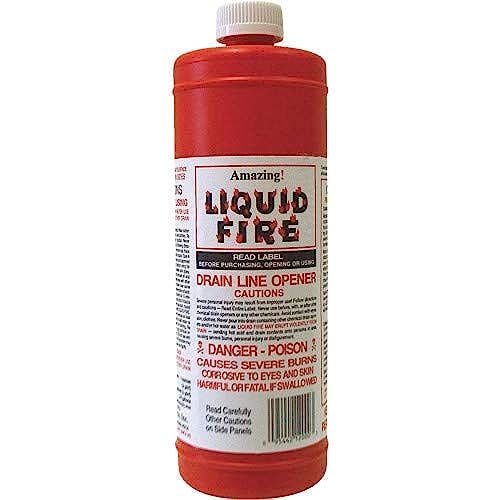
2. Deep Clean a Greasy Oven Naturally

Save this eco-friendly oven cleaning secret to your ‘Green Home’ board!
Tackling a dirty oven with burnt-on grease doesn’t require harsh, fume-filled commercial cleaners. This is a perfect example of sequential use. First, a thick baking soda paste acts as a natural abrasive, working overnight to soften and lift the grime. Then, a vinegar + spray application helps to dissolve the remaining paste and cuts through any lingering grease for a sparkling finish.
Supplies Needed
- 1/2 cup baking soda (food grade or cleaning grade)
- 3 tablespoons water (adjust for desired paste consistency)
- Spray bottle filled with white distilled vinegar
- Rubber gloves
- Non-scratch scrub brush or sponge
- Microfiber cloths
- Small bowl for mixing
Step-by-Step Directions
- Remove oven racks and any large debris from the oven interior.
- Mix the baking soda and water in the small bowl to form a thick baking soda paste.
- Apply the paste liberally over all interior surfaces of the oven, paying extra attention to areas with burnt-on grease. Avoid heating elements.
- Allow the paste to sit for at least 12 hours, or overnight, to let the natural abrasive qualities work on the grime.
- Scrub any remaining large spots with a non-scratch brush or sponge.
- Spray the dried baking soda with white distilled vinegar. The fizzing bubbles will help loosen the remaining paste and grime.
- Wipe clean with damp microfiber cloths, rinsing frequently, until all baking soda residue is gone.
Pro-Tip: For extra tough spots, a light sprinkle of coarse salt mixed with the baking soda paste can boost its scrubbing power. Always wear gloves, as prolonged contact can be drying to skin.
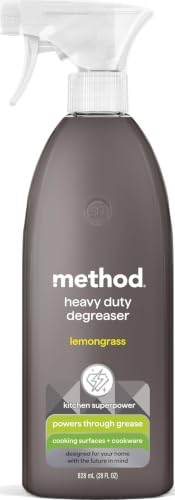
3. Deodorize & Sanitize Your Washing Machine

Refresh your laundry routine! Pin this machine cleaning guide now!
If you’re dealing with stinky laundry or a musty smell from your machine, it’s time for a deep clean. This two-cycle method uses baking soda‘s incredible deodorizing properties to neutralize odors and scrub the drum, followed by a separate vinegar cycle to break down soap scum and sanitize. Using this natural way to clean washing machine drum monthly keeps your appliance fresh and your clothes cleaner.
Supplies Needed
- 1/2 cup baking soda
- 2 cups white distilled vinegar (5% acetic acid)
- Microfiber cloth or sponge
- Spray bottle (optional, for wiping seals)
Step-by-Step Directions
- Ensure the washing machine is empty.
- Add 1/2 cup of baking soda directly into the detergent dispenser (for front-loaders) or the drum (for top-loaders).
- Run a hot water wash cycle (or the machine’s self-clean cycle) without any clothes. The baking soda will help neutralize odors and loosen residue.
- Once the cycle is complete, add 2 cups of white distilled vinegar directly into the detergent dispenser or drum.
- Run another hot water wash cycle (or self-clean cycle). The vinegar will break down any remaining mineral deposits, soap scum, and sanitize the drum.
- For front-loaders, spray the door seal with vinegar and wipe away any mold or mildew with a microfiber cloth.
Pro-Tip: Leaving the washing machine door ajar between washes helps air circulate and prevents mold and mildew growth, reducing the need for frequent deep cleaning. This extends the structural integrity of components.
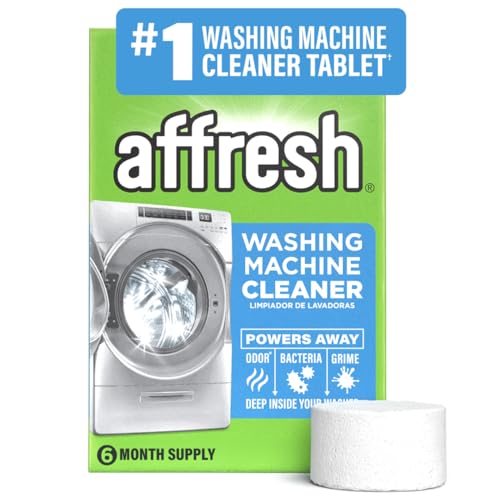
4. Create an Explosive Baking Soda & Vinegar Volcano

Spark curiosity! Pin this fun science experiment to your ‘Kids Activities’ board!
This is the one time you want to mix baking soda and vinegar directly! The classic volcano project is the perfect science experiment for kids to witness an acid + base reaction firsthand. The combination instantly produces a rush of carbon dioxide gas, which creates the foamy, effervescent fizzing that mimics a real volcanic eruption. It’s a safe, exciting, and memorable lesson in elementary chemistry.
Materials Needed
- Empty plastic bottle (e.g., water bottle, soda bottle)
- Modeling clay or playdough (to build the volcano cone)
- Tray or baking pan (to catch the “lava”)
- 2 tablespoons baking soda (sodium bicarbonate)
- 1/4 cup white distilled vinegar (5% acetic acid)
- A few drops liquid dish soap (optional, for more foam)
- Red or orange food coloring (optional, for “lava” color)
Step-by-Step Directions
- Place the empty plastic bottle in the center of the tray or baking pan.
- Build a volcano cone around the bottle using modeling clay or playdough, ensuring the bottle opening is clear at the top to act as the “crater.”
- Pour 2 tablespoons of baking soda into the bottle’s opening.
- If desired, add a few drops of liquid dish soap and red/orange food coloring to the bottle.
- Pour 1/4 cup of white distilled vinegar into the bottle.
- Watch as the acid + base reaction produces carbon dioxide gas, creating an effervescent fizzing “eruption”!
Pro-Tip: Vary the amount of baking soda and vinegar to observe different reaction intensities. Discuss exothermic vs endothermic reactions with older children to deepen the learning experience.
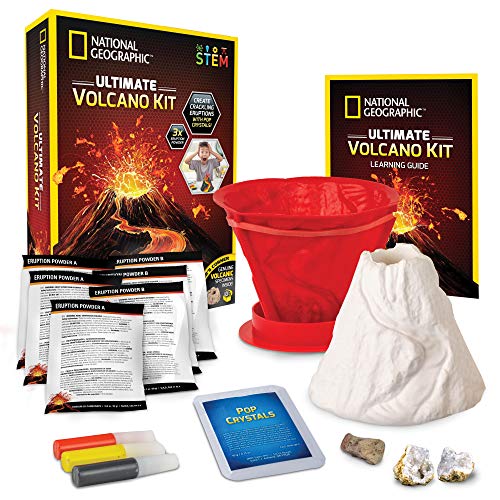
5. Brighten Grout & Remove Mildew Stains

Transform your bathroom! Pin this grout cleaning hack today!
Dingy grout lines plagued by mold and mildew can make an entire room look dirty. By cleaning tile grout with baking soda and vinegar paste and a subsequent spray, you can restore its brightness. The baking soda paste acts as a natural abrasive to scrub away surface stains, while the vinegar spray creates a fizzing action to lift the grime out of the porous grout and sanitize the area.
Supplies Needed
- 1/2 cup baking soda
- 1/4 cup warm water (adjust for paste)
- Spray bottle filled with white distilled vinegar
- Grout brush or old toothbrush
- Microfiber cloths
Step-by-Step Directions
- In a small bowl, mix the baking soda with warm water to form a thick baking soda paste.
- Apply the paste directly onto the dirty grout lines.
- Allow the paste to sit for 10-15 minutes, letting the natural abrasive qualities start working on the mold and mildew.
- Scrub the grout lines with a grout brush or old toothbrush.
- Spray the scrubbed areas generously with white distilled vinegar. A fizzing action will occur as the vinegar + baking soda react.
- Allow the fizzing to sit for a few minutes, then rinse thoroughly with clean water and wipe dry with a microfiber cloth.
Pro-Tip: While generally safe, avoid using vinegar on unsealed natural stone tiles (like marble or travertine), as its acidity can etch the surface. Always patch-test in an inconspicuous area first.

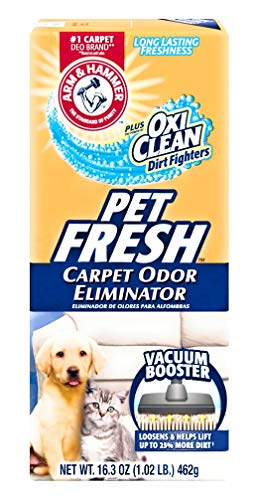
6. Remove Stubborn Carpet Stains & Pet Odors

Keep carpets fresh! Pin this pet odor solution to your ‘Pet Care’ board!
Accidents happen, but lingering pet odors and carpet stains don’t have to be permanent. This method uses baking soda‘s exceptional ability to neutralize + odor and absorb moisture. After letting the baking soda work, a light spray of vinegar helps to stain + lift any remaining discoloration from the fibers. It’s one of the best eco-friendly alternatives for keeping your carpets fresh.
Supplies Needed
- Generous amount of baking soda
- Spray bottle filled with white distilled vinegar
- Clean microfiber cloths or towels
- Stiff brush (optional, for working in baking soda)
- Vacuum cleaner
Step-by-Step Directions
- Blot fresh stains immediately with a clean, dry cloth. For dried stains, lightly dampen the area with water.
- Sprinkle a generous amount of baking soda directly over the stain and surrounding area to cover it completely.
- Allow the baking soda to sit for at least 30 minutes, or several hours for deep odors, to absorb the odor and moisture.
- Spray the baking soda liberally with white distilled vinegar. The fizzing action will help lift the stain from the carpet fibers.
- Blot the area with a clean, damp microfiber cloth until the stain is gone and the baking soda residue is removed.
- Once dry, vacuum up any remaining baking soda powder.
Pro-Tip: Always test the baking soda and vinegar mixture on an inconspicuous spot of your carpet first to ensure no discoloration occurs. For old, set-in stains, a repeat application may be necessary, or consider a commercial eco-friendly alternatives cleaner.
7. Polish Tarnished Silver Gently

Restore your heirlooms! Pin this silver cleaning tip!
Before you reach for a chemical polish, learn how to clean silver with baking soda and vinegar. A paste made from baking soda and water creates a very mild abrasive that gently buffs away tarnish without scratching the delicate surface. A final rinse with a bit of vinegar helps to dissolve any remaining tarnish and paste, revealing a brilliant shine.
Supplies Needed
- 1/4 cup baking soda
- 2 tablespoons warm water (adjust to form a paste)
- White distilled vinegar (for rinsing)
- Soft microfiber cloths or cotton balls
- Small bowl for mixing
Step-by-Step Directions
- In a small bowl, mix the baking soda with warm water to create a thick baking soda paste.
- Apply the paste onto the tarnished silver object using a soft microfiber cloth or cotton ball. Gently rub the paste onto the tarnished areas.
- Allow the paste to sit for 5-10 minutes, letting the mild abrasive properties work.
- Rinse the silver object thoroughly under running water, then spray lightly with white distilled vinegar to help break down any remaining tarnish.
- Dry and polish the silver with a clean, soft microfiber cloth until it shines.
Pro-Tip: For intricate pieces or heavily tarnished items, a foil-lined bowl with hot water, baking soda, and a dash of salt can create an electrolytic reaction to remove tarnish more effectively than paste alone. Always ensure good ventilation.

Key Takeaways
- Sequential Use for Cleaning: For most cleaning tasks (like ovens or carpets), baking soda and vinegar are most effective when applied sequentially, not mixed beforehand, to leverage their distinct chemical properties as a base and an acid.
- Science Behind the Fizz: The iconic baking soda and vinegar reaction primarily produces carbon dioxide gas, which is excellent for creating pressure, dislodging debris (e.g., in drains), or science experiment for kids.
- Safety First: Always consider material safety when using baking soda and vinegar on surfaces like unsealed stone. Never combine with bleach due to dangerous fumes.
- Eco-Friendly Powerhouse: These two common household staples offer a non-toxic cleaner and deodorizing properties, providing an eco-friendly alternative to many commercial chemical products.
- Specific Applications Shine: While versatile, their power is maximized in specific applications like unclog a drain, clean an oven, or as a volcano project, targeting particular problems effectively.
- Beyond the Bubbles: The fizzing bubbles are often visual, but their primary cleaning action comes from baking soda’s natural abrasive quality and vinegar’s acidic dissolution of minerals and grime.
- Always Rinse Thoroughly: After cleaning with baking soda and vinegar, thorough rinsing is crucial to remove any residue and prevent white film, ensuring a truly clean finish.
People Also Ask About Baking Soda & Vinegar
Is it really safe to mix baking soda and vinegar for cleaning?
While generally safe in terms of toxicity, directly mixing **baking soda and vinegar for cleaning can actually neutralize their individual cleaning powers, creating mostly salt water.** The vigorous fizzing bubbles are primarily carbon dioxide gas being released, which is great for dislodging debris in drains or for science experiments for kids, but not for deep chemical cleaning. For best results, use them sequentially.
What is the ideal ratio of baking soda and vinegar for effective cleaning?
There isn’t an “ideal ratio” for mixing because the goal isn’t to create a chemical cleaner from the mixture itself. Instead, apply baking soda as a paste or powder first to harness its natural abrasive and deodorizing properties. Then, apply vinegar separately to dissolve mineral deposits, cut grease, or create a fizzing action with any remaining soda for mechanical cleaning.
Why does baking soda and vinegar create a fizzing reaction?
The fizzing occurs because **baking soda (sodium bicarbonate, a base) and vinegar (acetic acid) undergo an acid-base chemical reaction that rapidly produces carbon dioxide gas (CO2), water, and sodium acetate.** This quick release of CO2 gas creates the characteristic bubbles and effervescent foam. This is the same reaction used in a volcano project or homemade rockets.
Can baking soda and vinegar actually unclog a severely blocked drain?
For severely blocked drains, **baking soda and vinegar are usually insufficient; they are best for slow drains or minor clogs.** The fizzing action can help loosen light debris and odors, but it doesn’t dissolve hair or heavy grease buildup like commercial drain cleaners might. Always prioritize pipes safety and consider professional help for serious blockages.
Will baking soda and vinegar damage PVC pipes or garbage disposals?
No, **baking soda and vinegar are generally safe for PVC pipes and garbage disposals, unlike harsh chemical drain cleaners.** Their non-toxic cleaner nature means they won’t corrode pipes. However, always use with plenty of hot water to ensure everything flushes through, preventing any residue from accumulating.
Is baking soda and vinegar better than Drano for clearing drains?
No, **baking soda and vinegar are not “better” than Drano or similar heavy-duty chemical drain cleaners, as they serve different purposes and have different potencies.** Baking soda and vinegar offer a gentle, eco-friendly alternative for minor clogs and odors. Drano uses strong chemicals for more severe blockages, but comes with significant safety precautions and environmental concerns.
How long should I leave baking soda and vinegar in a drain?
After pouring **baking soda followed by vinegar into a drain, allow the mixture to sit for at least 30 minutes to an hour for optimal fizzing action and debris loosening.** For more stubborn clogged drain issues, you can leave it overnight. Always flush thoroughly with hot water afterwards to rinse away loosened grime and the resulting salt + water solution.
Can you use baking soda and vinegar to clean a toilet?
Yes, you can use **baking soda and vinegar to clean a toilet, leveraging their distinct actions.** Sprinkle baking soda into the bowl to act as a natural abrasive and deodorizer. Let it sit, then spray with vinegar to create fizzing bubbles that help lift stains and sanitize, followed by scrubbing with a brush. It’s a great non-toxic cleaner for weekly maintenance.
What gas is produced when you mix baking soda and vinegar?
When you mix **baking soda and vinegar, the gas produced is carbon dioxide gas (CO2).** This is a direct result of the acid + base chemical reaction that occurs, specifically the decomposition of unstable carbonic acid intermediate. The rapid release of this gas is responsible for the visible effervescence and pressure generated, often used in science experiments.
Why do some sources say not to mix baking soda and vinegar for cleaning?
Many sources advise against mixing **baking soda and vinegar because their individual cleaning agent strengths are neutralized when combined directly.** Baking soda is alkaline and abrasive, while vinegar is acidic. When mixed, they form mostly water and sodium acetate, losing the potent alkaline or acidic cleaning properties that make them effective alone. They perform better sequentially for most cleaning applications.
Final Thoughts on Baking Soda & Vinegar
From unclogging a drain to igniting a playful volcano project, baking soda and vinegar prove to be an indispensable duo for any smart home. As we’ve explored, understanding the underlying chemical reaction and recognizing when to use them sequentially versus mixed directly is key to unlocking their full potential. These two humble ingredients offer a non-toxic cleaner alternative, tackling tough challenges like burnt-on grease and pet odors with remarkable efficacy, all while promoting a safer, more sustainable household.
Embracing these 7 smart ways to clean & learn not only empowers you with practical skills but also deepens your appreciation for the simple science that governs our world. Their deodorizing properties and fizzing action make them go-to solutions that are both effective and enjoyable to use. So, next time a clogged drain or a curious mind presents itself, remember the versatile power of baking soda and vinegar.
Which of these baking soda and vinegar uses are you most excited to try first in your home or with your learners?
Last update on 2026-09-09 at 21:30 / Affiliate links / Images from Amazon Product Advertising API
