As an Amazon Associate BakingBakewareSets.com earns from qualifying purchases.
7 Best Baking Soda Shampoo Tips for Gorgeous Hair in 2026
Use baking soda shampoo to transform your hair naturally. Discover the 7 essential tips for a healthy scalp and learn the best DIY recipes for 2026 today.
Struggling with greasy roots and lifeless hair, no matter how much you wash it? You’re not alone in feeling frustrated by an endless cycle of products that promise much but deliver little more than buildup. The search for a simple, natural solution has many people turning to baking soda shampoo.
Baking soda shampoo is a popular DIY hair cleanser made by mixing baking soda and water to wash hair instead of using traditional shampoo. It works by using its alkaline properties to lift grease and product residue, providing a deep, clarifying clean. However, its high pH can be damaging if not used correctly and followed by a pH-balancing rinse.
Drawing from established best practices and the principles of hair science, this guide will show you exactly how to use this method safely. You’ll discover the essential tips and non-negotiable steps to achieve gorgeous, clarified hair without the risks. Get ready to unlock the true potential of this simple pantry staple.
☰ Table of Contents ▼
show
Why Is Everyone Talking About Baking Soda Shampoo?
The buzz around baking soda for hair wash stems from a growing desire for simpler, more natural hair care routines, often tied to the “no poo” movement. Many people are tired of long ingredient lists and the feeling that their hair is weighed down by silicones, waxes, and heavy conditioners. Baking soda for hair offers a radical reset—a powerful, single-ingredient cleanser that promises to cut through all the gunk and restore hair to a squeaky-clean, lightweight state. It acts as a natural degreaser, making it especially appealing for those battling oily hair. However, this power comes with a critical caveat that is central to using it correctly: pH balance. Hair and scalp thrive in a slightly acidic state, protected by an acid mantle. Baking soda is highly alkaline, which is why it cleans so effectively but also why it can be harsh. Understanding this scientific trade-off is the first step toward using a DIY baking soda shampoo responsibly.
7 Best Baking Soda Shampoo Tips for Gorgeous Hair
Transitioning to a baking soda hair routine is more than just mixing powder and water; it’s a complete system that requires attention to detail to protect your hair’s health. The following seven tips are not just suggestions—they are a comprehensive framework designed to help you reap the clarifying benefits while actively preventing the potential for damage. From mastering the foundational recipe to knowing the non-negotiable follow-up steps and crucial safety warnings, this is your complete guide to using baking soda shampoo the right way for beautiful results in 2026.
1. Master the Basic Clarifying Recipe & Ratio

Pin this foundational recipe to your ‘Natural Beauty’ board to start your journey!
Getting the ratio right is the most important part of creating a safe and homemade baking soda shampoo. Too much baking soda creates a harsh, abrasive mixture that can damage your hair, while too little won’t be effective at cleansing. This simple recipe provides the perfect starting point for most hair types.
What You Need
- 1 Tablespoon food-grade baking soda (sodium bicarbonate)
- 3 Tablespoons warm, purified or distilled water (using water filter for hair can improve results)
- A small squeeze bottle or spray bottle for easy application
Steps
- Dissolve baking soda completely in the warm water inside your application bottle. Shake well until there are no visible grains. The solution should feel slippery, not gritty.
- Apply baking soda paste to wet hair, starting at the roots.
- Massage scalp with baking soda solution gently for 1-2 minutes. Focus on the scalp, where most oil and buildup occurs.
- Rinse hair thoroughly with lukewarm water until your hair feels squeaky clean. This step is crucial to remove all baking soda residue.
Pro-Tip: The high alkaline pH of baking soda (around 9) is what allows it to be such a powerful cleanser, but it’s also what makes it risky. It forces the hair’s protective cuticle layer to swell and open. Never leave the mixture in your hair for more than 2-3 minutes to minimize potential alkaline pH effects on keratin.

2. Customize the Recipe for Oily or Dry Hair

Save this tip to level up your DIY shampoo game!
Once you’ve mastered the basic recipe, you can enhance its benefits by adding essential oils for hair. This allows you to tailor the wash to your specific needs, whether you’re dealing with a baking soda for greasy scalp situation or a dry, itchy one.
What You Need
- Your basic baking soda shampoo mixture (from Tip #1)
- For Oily Hair: 2-3 drops of Tea Tree, Peppermint, or Rosemary essential oil
- For Dry Hair/Scalp: 2-3 drops of Lavender or Ylang-Ylang essential oil
Application Steps
- Prepare your basic baking soda and water solution in a bowl or bottle.
- Add the 2-3 drops of your chosen essential oil to the mixture.
- Mix thoroughly to ensure the oil is evenly distributed.
- Apply the customized solution to your hair and scalp as described in Tip #1. The essential oils will provide targeted benefits during the wash.
- Rinse completely and proceed immediately to Tip #3.
Pro-Tip: This customization is more than just a nice scent. Tea Tree oil has properties that can help manage the scalp’s microbiome, which is often a factor in persistent dandruff and oiliness. For a dry, itchy scalp, Lavender oil can offer soothing benefits. This is a simple way to introduce evidence-based hair treatments into your routine.

3. Always Follow With a pH-Balancing ACV Rinse

This is the most important tip! Pin it so you never forget.
This is the most critical, non-negotiable step in the entire process. The baking soda combines with ACV not as a single mixture, but as a two-step system. The alkaline wash is followed by an acidic rinse to restore equilibrium and prevent damage.
Supplies Needed
- 1-2 Tablespoons raw, unfiltered apple cider vinegar (ACV) with “the Mother”
- 1 cup of cool water
- A spray bottle or cup for application
Directions
- After you have thoroughly rinsed the baking soda shampoo from your hair, it’s time to condition hair after baking soda.
- Mix the ACV and cool water in your applicator bottle.
- Pour or spray the diluted ACV rinse through all of your hair, from roots to ends.
- Let it sit for a minute, then give your hair a final, quick rinse with cool water to help seal the cuticle further. The vinegar smell will disappear as your hair dries.
Pro-Tip: Skipping this step is the #1 cause of the “no poo experiment” going wrong, leading to dry, brittle hair. The acidic ACV rinse is critical for acid mantle restoration. It counteracts the alkaline shock from the baking soda, smoothing the raised hair cuticles, reducing frizz, and restoring shine. This is fundamental hair chemistry.


4. Use as a Deep Clean to Remove Product Buildup

Pin this hack for when your hair needs a major reset!
One of the most powerful applications of a baking soda wash is as an occasional treatment to remove product buildup hair. Its strong cleansing action can strip away stubborn residue from styling products, silicones, and even mineral deposits from hard water that regular shampoos might leave behind.
Supplies Needed
- 2 Tablespoons baking soda
- 1/2 cup warm water
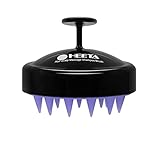
- A scalp massager brush (optional, for gentle exfoliation)
Step-by-Step Directions
- Create a slightly more concentrated paste than your regular wash. Mix the ingredients until fully dissolved.
- Apply the solution meticulously to your wet scalp, section by section.
- Use your fingertips or a gentle scalp clarifying scalp brush to massage the scalp for 60 seconds, focusing on areas where you use the most product.
- Work the remaining solution through the lengths of your hair, but do not scrub the fragile ends.
- Let it sit for no more than 3 minutes, then rinse with extreme thoroughness. Follow immediately with a nourishing ACV rinse (Tip #3). Limit this deep clean to once a month.
Pro-Tip: This method works so well because of the chelating properties of baking soda. It can bind to mineral ions found in hard water and product residue, effectively pulling them away from the hair shaft. This is why your hair feels so incredibly clean and light after a clarifying wash.
5. Listen to Your Hair: Finding the Right Frequency

Your hair knows best! Pin this reminder to find your perfect routine.
There is no universal answer to how often should I use baking soda shampoo. The key to a successful hair care routine is personalization. How your hair responds will depend on its type, condition, and your environment. Paying close attention to your hair’s signals is crucial for long-term health.
What You Need (to Observe)
- An understanding of your hair’s baseline condition (oily, dry, balanced).
- Awareness of key warning signs.
Routine Steps (for Finding Your Cadence)
- Start Conservatively: Begin by using the baking soda wash just once a week. See how your hair and scalp react over a 2-3 week period.
- Look for Positive Signs: If your hair feels clean, soft (after the ACV rinse), and has more volume, you’ve found a good starting point.
- Watch for Negative Signs: If you notice increased frizz, a straw-like texture, excessive dryness, or more tangles, you are using it too often. Immediately reduce frequency or stop.
- Adjust Accordingly: Many people find success with a baking soda wash every 7-14 days, using co-washes or water-only rinses in between. There is no one-size-fits-all answer.
Pro-Tip: Your hair porosity is the biggest factor here. High-porosity hair (common in color-treated or damaged hair) has a very open cuticle, making it extremely vulnerable to the high pH of baking soda. Low-porosity hair has a tightly sealed cuticle and can often handle clarifying treatments better, but may be more prone to buildup.

6. Create a DIY Dry Shampoo for a Quick Refresh

Save this 2-minute trick for busy mornings!
Baking soda’s utility extends beyond a wet wash. As a fine powder, its oil-absorbing baking soda properties make it an excellent and inexpensive ingredient for a baking soda dry shampoo. This is one of the best dry shampoo alternatives for soaking up excess oil at the roots and extending time between washes.
Supplies Needed
- 2 Tablespoons baking soda
- 2 Tablespoons arrowroot powder or cornstarch
- For Dark Hair: 1-2 Tablespoons unsweetened cocoa powder
- A salt shaker or a jar and a fluffy makeup brush
Application Steps
- Mix the powders thoroughly in a jar. If you have dark hair, add cocoa powder until the mixture approximates your root color.
- Part your hair where it is most oily.
- Apply the powder sparingly to the root area using the shaker or by dipping the makeup brush into the jar and tapping off the excess. A little goes a long way.
- Let it sit for 2-3 minutes to allow the oil-absorbing baking soda to work.
- Brush out the powder thoroughly with your fingers or a boar bristle brush. Your hair will look and feel instantly refreshed.
Pro-Tip: While this is a fantastic shampoo substitute in a pinch, remember that it only absorbs oil; it doesn’t actually clean your scalp. Use this method to extend time between washes, but don’t let it lead to follicular occlusion (clogged hair follicles) from excessive buildup over many days.

7. Know When to AVOID Baking Soda Shampoo

Pin this crucial safety guide. Knowing when to stop is as important as knowing how to start.
Just as important as knowing how to use this method is knowing when not to. The question “can baking soda shampoo damage hair” has a clear answer: yes, it absolutely can. This powerful cleanser is not suitable for everyone, and using it on the wrong hair type can lead to disastrous results.
What You Need (An Honest Assessment)
- A clear understanding of your hair’s current condition and history.
Who Should Avoid This Method
- If You Have Color-Treated Hair: The high pH and abrasive nature of baking soda will strip color and speed up fading. Baking soda removes hair color indiscriminately.
- If You Have Very Dry or Brittle Hair: Your hair is already fragile and likely has a raised cuticle. An alkaline wash will only exacerbate the dryness and lead to breakage.
- If You Have a Sensitive or Medically-Treated Scalp: Conditions like psoriasis, eczema, or dermatitis require carefully formulated, pH-balanced products. Introducing a highly alkaline substance can cause severe irritation.
- If Your Hair is High Porosity: As explained in Tip #5, high porosity hair is extremely vulnerable to damage from baking soda.
Pro-Tip: According to trichologist advice, repeated exposure to high-pH substances can lead to a condition called “hygral fatigue,” where the hair swells and contracts excessively, permanently weakening the hair shaft’s integrity. If you fall into any of the above categories, opt for a professionally formulated, pH-balanced sulfate-free shampoo instead.

Key Takeaways
- pH is Everything: Baking soda shampoo is highly alkaline. To prevent hair damage, you must always follow it with a pH-balancing acidic rinse, like a diluted apple cider vinegar rinse. This is not an optional step.
- Ratio & Dilution are Critical: Never apply baking soda directly to your hair. Always dissolve it completely in water, starting with a 1:3 ratio (1 part baking soda to 3 parts water) to create a gentle cleanser.
- Listen to Your Hair: Frequency is personal. Start with once a week and watch for signs of dryness or frizz. How often you should use baking soda shampoo depends entirely on your hair’s type and porosity.
- It’s a Clarifier, Not a Daily Shampoo: This method excels as an occasional deep clean to remove product buildup and excess oil. It is generally too harsh for daily use for most people.
- Know When to Say No: If you have dry, damaged, or color-treated hair, this method is not for you. The risk of causing further hair breakage outweighs the potential benefits. Opt for a gentle, pH-balanced shampoo instead.
People Also Ask About Baking Soda Shampoo
Is baking soda shampoo actually good for your hair?
It can be beneficial for some, but damaging for others. For individuals with very oily, resilient, low-porosity hair, it can be an effective clarifying agent to remove product buildup. However, for most hair types, especially dry, curly, or color-treated hair, its high alkaline pH can cause dryness, frizz, and breakage over time. Safe usage requires a mandatory acidic rinse.
How often should I wash my hair with baking soda?
Start with once a week and adjust based on your hair’s reaction. Many people find a sustainable routine is once every 7-14 days. If your hair feels dry, brittle, or frizzy, you are using it too often. It is not recommended for daily use as its high pH can be too harsh for the scalp’s acid mantle.
What is the correct baking soda to water ratio for hair?
A safe starting ratio is 1 part baking soda to 3 parts water. For example, use one tablespoon of baking soda dissolved in three tablespoons of warm water. The goal is a slippery liquid, not a gritty paste. Using too high a concentration of baking soda significantly increases the risk of cuticle layer damage.
Can baking soda shampoo make your hair grow?
There is no scientific evidence that baking soda directly stimulates hair growth. However, by effectively cleansing the scalp and removing follicle-clogging buildup, it can create a healthier environment for hair to grow. Any perceived increase in growth is likely due to reduced breakage (if used correctly) and a cleaner scalp, not a direct effect of the baking soda itself.
What happens if you use baking soda shampoo too often?
Using it too often can lead to significant hair damage. The high alkaline pH repeatedly forces the hair cuticle open, leading to moisture loss, extreme dryness, a straw-like texture, increased tangles, and eventually, hair breakage. It can also disrupt the scalp’s natural pH, leading to irritation and dryness.
Can baking soda remove hair dye?
Yes, baking soda is effective at stripping hair color. Its alkaline nature opens the hair cuticle, allowing dye molecules to be washed away. While this is sometimes used as a natural ways to remove temporary hair dye, it should be avoided on hair you wish to keep colored, as it will cause rapid fading.
Why do you have to use apple cider vinegar after baking soda?
You must use an apple cider vinegar (ACV) rinse to restore your hair’s natural pH. Baking soda is highly alkaline, which opens up the hair cuticle. The acidic ACV rinse neutralizes the alkalinity, smoothing the cuticle back down. This critical step locks in moisture, reduces frizz, adds shine, and prevents long-term damage.
Is baking soda shampoo safe for curly hair?
It is generally not recommended for curly hair. Curly hair is often naturally drier and more porous than straight hair, making it highly susceptible to the drying and damaging effects of a high-pH wash. It can disrupt the curl pattern, increase frizz, and lead to significant breakage.
Baking soda vs clarifying shampoo: which is better?
A professionally formulated clarifying shampoo is safer and more effective for most people. While baking soda clarifies hair, it does so bluntly with a high pH. A good clarifying shampoo is pH-balanced and uses specific chelating agents and gentle surfactants to remove buildup without causing the same level of potential damage to the hair shaft integrity.
Can I just mix baking soda in with my regular shampoo?
This is not recommended and can have unpredictable results. Mixing a high-alkaline substance like baking soda with a formulated shampoo can alter the shampoo’s pH, potentially deactivating its conditioning agents and preservatives. This can create a harsh, ineffective mixture that could irritate your scalp and dry out your hair.
Final Thoughts on Your Natural Hair Journey
Embracing a natural hair care regimen like the baking soda shampoo method is about empowerment. You are now equipped not just with recipes, but with the scientific understanding of why each step matters—from the alkaline cleanse to the crucial acidic rinse. This knowledge allows you to move beyond simply following a trend and instead make an informed, expert decision for your own hair health. Whether you decide it’s the perfect monthly clarifier or that a formulated shampoo is a safer bet, you’re in control. Which tip will you incorporate into your routine first?
Last update on 2026-09-30 / Affiliate links / Images from Amazon Product Advertising API
