As an Amazon Associate BakingBakewareSets.com earns from qualifying purchases.
Baking Soda and Vinegar Experiment Kids Love in 2026
Looking for a screen-free activity that’s more exciting than messy? Finding ways to make learning fun can be a real challenge, but the classic baking soda and vinegar experiment kids adore is the perfect solution. It’s a simple, low-cost way to spark genuine curiosity.
The baking soda and vinegar experiment is a perfect kids’ activity because it creates a visually exciting fizzy reaction using safe, inexpensive household items. It’s a simple, hands-on introduction to basic chemistry concepts like acid-base reactions and the creation of carbon dioxide gas, making science tangible and fun. This activity transforms your kitchen into a thrilling science lab.
Drawing from established best practices in early childhood education, this guide gives you everything you need for success. This isn’t just one experiment; it’s a gateway to seven different creative projects. You’ll discover how to build erupting volcanoes, inflate balloons with science, and even create fizzing rainbow art, turning a simple reaction into hours of educational fun.
☰ Table of Contents ▼
show
What Makes the Baking soda and Vinegar Experiment a Must-Do for Kids?
The enduring popularity of the baking soda and vinegar experiment kids love isn’t just about the fizz; it’s about its power as an educational tool. This proven science experiment serves as a fantastic introduction to the scientific method: kids form a hypothesis (what will happen?), conduct the experiment, and observe the results. It’s a perfect solution for those “I’m bored” moments, transforming a simple afternoon into a session of hands-on learning. The chemical reaction between the baking soda and vinegar is a visual and exciting demonstration of cause and effect, producing fizzing bubbles and carbon dioxide gas in a completely safe way. It makes abstract science concepts tangible and proves that you don’t need a fancy lab to spark a lifelong love for science—just a few simple household ingredients.
7 Fun Baking Soda and Vinegar Experiment Ideas Kids Will Love
Ready to move beyond the basic fizzy cup? The real magic of this science experiment with baking soda and vinegar lies in its versatility. We’ve gathered 7 creative and fun variations that take the core reaction and turn it into a full-fledged STEM activity for kids. Each of these projects uses the same core ingredients—baking soda and vinegar—but applies them in unique ways, from building a classic Volcano Experiment to launching a colorful Rainbow Science project. These aren’t just quick ideas; they are fully fleshed-out activities designed to maximize fun, extend learning, and keep your little scientists engaged for hours. Get ready to create, explore, and get fizzy!
1. Create a Classic Fizzing Eruption

Pin this easy science experiment to your “Kids Activities” board!
This is the foundational basic baking soda vinegar experiment and the perfect place to start. It’s an easy science project that delivers a wonderfully fun bubbly reaction with just two simple household ingredients.
Supplies Needed
- Baking soda
- White vinegar
- A clear jar, glass, or plastic cup
- A tray or baking sheet to contain the mess
- Optional: A few drops of dish soap for extra foam
Step-by-Step Directions
- Place the jar in the center of your tray or baking sheet.
- Add baking soda to the jar. Start with 2-3 tablespoons for a good reaction.
- Pour vinegar slowly into the jar. Watch as the chemical reaction starts immediately!
- Observe the reaction as carbon dioxide bubbles form and create a fizzy eruption.
Pro-Tip: For the foamiest, most satisfying eruption, add 2-3 drops of dish soap to the baking soda before pouring the vinegar. The soap traps the gas bubbles, creating a longer-lasting, more impressive foam!

2. Build a DIY Volcano Explosion

Your little scientist will love this! Save this volcano idea for a rainy day.
Learning how to make a baking soda volcano for kids is a rite of passage! This classic volcano experiment combines a simple craft with dramatic foam explosions, making it a perfect project for a rainy day or even a science fair project.
Supplies Needed
- A small plastic bottle (e.g., a 12-16 oz soda or water bottle)
- Modeling clay or play-dough (brown, gray, or green work well)
- Baking soda
- White vinegar
- Red or orange food coloring
- A large tray or bin
Step-by-Step Directions
- Place the plastic bottle in the center of your tray.
- Build a volcano shape around the bottle using the modeling clay, leaving the top opening clear.
- Add 2-3 tablespoons of baking soda into the bottle.
- In a separate cup, mix about 1/2 cup of vinegar with a few drops of red food coloring.
- Quickly pour the colored vinegar into the volcano and watch the “lava” erupt!
Pro-Tip: In my experience, adding a tablespoon of washable red paint along with the food coloring creates a thicker, more opaque “lava” that looks much more realistic as it flows down the sides of the volcano.

3. Inflate a Balloon with Science

Save this magic trick! A perfect way to visualize the invisible gas.
This balloon experiment is a “wow” moment that visually answers the question, “what gas is produced when baking soda and vinegar react?” It demonstrates that the reaction creates an invisible substance, carbon dioxide gas, that takes up space and can be used to inflate a balloon.
Supplies Needed
- A clean, empty plastic bottle (a narrow-neck one works best)
- A balloon
- Baking soda
- White vinegar
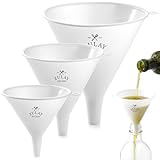
- A small funnel
Step-by-Step Directions
- Pour about 1/3 cup of vinegar into the plastic bottle.
- Place the funnel into the opening of the balloon. Add baking soda (about 2 tablespoons) into the balloon through the funnel. Remove the funnel.
- Carefully stretch the opening of the balloon over the mouth of the bottle, being careful not to spill the baking soda in yet.
- When ready, lift the balloon up so that all the baking soda falls down into the vinegar.
- Watch as the reaction produces gas and inflates the balloon!
Pro-Tip: If you don’t have a funnel, a simple trick is to have one person hold the balloon open while another uses a teaspoon to carefully pour in the baking soda. It prevents spills and makes it a fun two-person job!
4. Create a Fizzing Rainbow in a Jar

Pin this colorful science activity for hours of fizzy fun!
This fizzing colors experiment combines art with science for a beautiful and engaging activity. By making colorful fizzy reactions, kids can explore color mixing while enjoying the sensory fun of the fizz. It’s a fantastic example of hands-on learning.
Supplies Needed
- A baking sheet or large, shallow dish
- Baking soda
- White vinegar
- Food coloring (at least red, yellow, and blue)
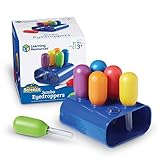
- Droppers, pipettes, or a teaspoon
- Several small cups or bowls
Step-by-Step Directions
- Spread a generous layer of baking soda over the bottom of the baking sheet.
- Pour a small amount of vinegar into each of your small cups.
- Add a few drops of a different food color to each cup of vinegar and stir. You now have your “rainbow” colors.
- Using a dropper, let your child drip colored vinegar onto the baking soda.
- Watch the fizzing colors experiment come to life! Encourage them to see what happens when different colors mix.
Pro-Tip: An old ice cube tray is perfect for holding the different colors of vinegar. It keeps them separate, stable, and easy to access for little hands using droppers, which helps contain the mess.

A magical surprise! Pin this hidden color experiment for your little detective.
This is one of the most creative experiment ideas and is especially engaging for children who love surprises. The magic of the vinegar reaction revealing a hidden color creates a huge “wow” moment and is a fantastic way to teach cause and effect with simple steps.
Supplies Needed
- A muffin tin
- Washable paint or food coloring in various colors
- Baking soda
- White vinegar
- A squirt bottle, dropper, or small pitcher for the vinegar
Step-by-Step Directions
- Place a small drop of a different color of paint or food coloring into the bottom of each cup in the muffin tin.
- Carefully cover each drop of color with a layer of baking soda, completely hiding it.
- Give your child the vinegar and invite them to pour or squirt it into each muffin cup.
- Watch their delight as the fizzing reaction magically reveals the hidden colors!
Pro-Tip: For older kids, you can turn this into a memory game. Let them see where you put the colors, then cover them with baking soda and ask them to predict which color will appear in each cup before they add the vinegar.

6. Try a Frozen Vinegar Dinosaur Rescue

Dino rescue mission! Pin this amazing sensory science idea.
This is one of the most creative ways to use baking soda and vinegar, turning a simple experiment into a thrilling rescue mission. It’s a wonderful hands-on activity that incorporates temperature and texture, highlighting the sensory play benefits of fizzing ice.
Supplies Needed
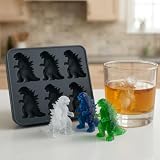
- An ice cube tray (dinosaur or other fun shapes are great!)
- Small plastic toys (like mini dinosaurs)
- Vinegar
- Water
- A large bin or tray
- Baking soda
- Squirt bottles or droppers
Step-by-Step Directions
- Place one small toy in each section of the ice cube tray.
- Fill the tray with a 50/50 mixture of vinegar and water. Adding water helps it freeze solid. Freeze overnight.
- Once frozen, pop the vinegar-ice shapes into a large bin.
- Give your child a bowl of baking soda to sprinkle over the ice and a squirt bottle of warm water or more vinegar.
- Let them observe the reaction as they fizz and melt the ice to “rescue” their toys!
Pro-Tip: This is a great way to introduce the concept of an endothermic reaction. Explain that the fizzing reaction actually gets cold and absorbs heat from its surroundings, which helps melt the ice even faster than just warm water would!
7. Dive into an Ultimate Fizzing Sensory Bin

The ultimate rainy day activity! Pin this sensory bin idea now.
For open-ended, child-led play, nothing beats this ultimate science bin activity. Learning how to set up a baking soda and vinegar sensory play station provides an engaging hands-on STEM activity that can last for hours, promoting free exploration and child-led discovery.
Supplies Needed
- A large, shallow plastic bin or tub
- A large box of baking soda (you’ll use a lot!)
- A large bottle of white vinegar
- Various “tools”: droppers, squirt bottles, scoops, spoons, funnels, small beakers
- Optional: Food coloring and small bowls to make colored vinegar
Step-by-Step Directions
- Pour the entire box of baking soda into the sensory bin and spread it out evenly. This is their “canvas.”
- Set up a “lab station” next to the bin with a bottle of vinegar and all the tools. If using colors, prepare several bowls of colored vinegar.
- Let your child lead the way! There are no rules here. Encourage them to scoop, pour, drip, and mix to their heart’s content.
- They will explore science by discovering which tools create big fizzes and which create small ones.
Pro-Tip: When the fizzing starts to die down, you don’t have to end the fun. Simply scoop out some of the wettest parts and “re-charge” the bin with another cup of fresh baking soda to extend the hands-on discovery for another round of play.

Key Takeaways: Your Quick Guide to a Perfect Science Day
This classic experiment is beloved for a reason: it’s simple, exciting, and packed with learning opportunities. To ensure your science day is a roaring success, keep these five key points in mind. They are the difference between a quick fizzle and a memorable, engaging activity.
- Safety First, Always: Always conduct the baking soda and vinegar experiment on a tray or in a bin to contain the fizz. While the ingredients are non-toxic, supervision is key to prevent ingestion or eye contact.
- It’s All About the Ratio: The “wow” factor comes from the reaction. A good starting point is about 1 part baking soda to 2 parts vinegar, but let kids explore and see what happens when they change the amounts.
- Add Dish Soap for More Foam: The single best trick for a more impressive, long-lasting eruption is to add a few drops of dish soap to your baking soda. It traps the carbon dioxide bubbles, creating an amazing foamy display.
- Colors & Themes Boost Engagement: Don’t just mix and fizz. Using food coloring (fizzing colors experiment) or creating a theme like a volcano experiment or dinosaur rescue turns a simple reaction into a memorable hands-on activity.
- Explain the Simple Science: Take a moment to explain that an acid (vinegar) and a base (baking soda) are mixing to create a new substance: a harmless gas called carbon dioxide. This simple explanation turns fun into a genuine learning moment.
FAQs About baking soda and vinegar experiment kids
This section answers the most common questions parents and educators have about this popular science activity.
What happens when you mix baking soda and vinegar?
A chemical reaction occurs that produces carbon dioxide gas. Baking soda is a base (sodium bicarbonate), and vinegar is an acid (acetic acid). When they mix, they react to neutralize each other, and one of the byproducts is a burst of carbon dioxide gas. This gas rapidly expands and creates the exciting fizzing and bubbling effect that kids love to watch.
Is the baking soda and vinegar experiment safe for children?
Yes, this experiment is considered one of the safest kitchen science activities for kids. Both baking soda and vinegar are common, non-toxic household items. The primary safety precaution is to ensure children don’t ingest large quantities or get the mixture in their eyes. Always supervise the activity and consider using safety goggles for extra protection and to make it feel more “official.”
How can I explain the science to a child?
Keep it simple by saying, “When we mix these two special ingredients, they create a brand-new substance: an invisible gas!” You can compare the fizzing to the bubbles in a soda. For the balloon experiment, you can explain that the gas is strong enough to fill up the balloon all by itself, making the invisible visible.
What gas is produced during the baking soda and vinegar reaction?
The gas produced is carbon dioxide (CO2). This is the same gas that we exhale when we breathe and the same gas that makes soda fizzy. This experiment is a fantastic and safe way to demonstrate how a chemical reaction can create a gas from a solid (baking soda) and a liquid (vinegar).
How much baking soda and vinegar do I need?
A good starting ratio is 1 part baking soda to 2 parts vinegar. For example, you can start with 2 tablespoons of baking soda and 4 tablespoons (1/4 cup) of vinegar. You don’t need to be exact! Part of the fun is letting kids experiment with different amounts to see if they can create a bigger or smaller reaction.
What if I add soap to the baking soda and vinegar?
Adding a few drops of dish soap will make the reaction much foamier and longer-lasting. The soap works by trapping the carbon dioxide gas bubbles that are created, preventing them from popping right away. This results in a thick, stable foam that can erupt from a container, which is perfect for the volcano experiment.
Can you use baking powder instead of baking soda?
Yes, you can, but the reaction will be different and likely less vigorous. Baking powder already contains both a base (baking soda) and an acid. It’s designed to react with liquid, so it will fizz, but it won’t be as dramatic as using pure baking soda reacting with the strong acid of vinegar. It’s a fun comparison experiment for older kids!
How do you make the fizzy reaction more colorful?
Simply add a few drops of liquid food coloring or washable paint to the vinegar before you mix it with the baking soda. Do not add it to the baking soda powder, as it won’t mix in well. Preparing several small cups of different colored vinegar allows kids to create beautiful, fizzing color-mixing art.
What’s the best way to clean up after the experiment?
Cleanup is easy because the mixture is a natural cleaner! Simply wipe up any spills with a cloth or paper towels. The leftover liquid can be safely poured down the drain—in fact, the reaction can even help clean and deodorize your sink drain. Just rinse the sink with water afterward.
What age is appropriate for the baking soda and vinegar experiment?
This experiment is great for a wide range of ages, from preschoolers to elementary students. Toddlers and preschoolers (ages 2-5) will love the sensory experience of watching the fizz. Elementary-aged kids (ages 6-10) can begin to understand the simple science behind it and can conduct the experiment with more independence.
Final Thoughts on Your Fizzy Science Adventure
The baking soda and vinegar experiment kids love is so much more than a simple way to pass an afternoon. It’s a powerful tool for sparking curiosity, building foundational science skills, and creating joyful memories. By using themes, colors, and different setups, you transform a basic chemical reaction into a world of creative play. You’ve seen how this one simple reaction can become a volcano, inflate a balloon, or become a colorful sensory bin.
Remember that the goal is to explore and have fun. There’s no right or wrong way to do it. Embrace the mess, encourage the questions, and celebrate every fizzy eruption. You’re not just conducting a science activity; you’re nurturing a future scientist, artist, or innovator.
Which of these fizzy experiments will you try first?
Last update on 2026-09-02 at 02:58 / Affiliate links / Images from Amazon Product Advertising API
