
As an Amazon Associate BakingBakewareSets.com earns from qualifying purchases.
Crispy Gochujang Garlic Fried Chicken: 5 Secrets for 2026
Tired of homemade fried chicken that ends up a soggy, disappointing mess? You’re chasing that better-than-takeout experience: a shatteringly crisp crust that holds up to a sticky, spicy-sweet glaze. You know the one—the Crispy Gochujang Garlic Fried Chicken that’s a cornerstone of Korean soul food.
The secret to the best Crispy Gochujang Garlic Fried Chicken is a two-part process: first, use a potato starch and cornstarch blend for a light, brittle crust, and second, double-fry the chicken for a shatteringly crisp texture. The glaze, made from Gochujang, garlic, soy sauce, and a sweetener like honey, should be simmered until thick and used to lightly coat the chicken just before serving to maintain maximum crunch.
Drawing from comprehensive analysis of current data and proven methodologies, this guide breaks down the process into five actionable secrets. We will explore the authentic technique of double-frying and the science behind the perfect flavor balance. Get ready to learn the ‘why’ behind the ‘how’ for flawless results every time.
☰ Table of Contents ▼
show
How to Make Truly Crispy Gochujang Garlic Fried Chicken at Home?
The dream of recreating authentic Korean Fried Chicken at home often crashes against a single, frustrating reality: sogginess. You follow the steps, but that incredible crunch you crave vanishes the moment the sauce touches the chicken. It’s a common culinary problem, turning what should be a triumph into a sticky disappointment. But what if you could learn the exact techniques that professional chefs use to guarantee an ultra-crunchy result that lasts? It’s not about a magic ingredient, but about mastering a few key principles that transform your chicken from good to unforgettable.
This guide will demystify the process, revealing the five core secrets to achieving a perfect Yangnyeom Chicken. We will delve into the science of the coating, the crucial double-fry method, and the art of balancing a sweet and spicy glaze. By understanding these secrets, you’ll be able to produce a Crispy Gochujang Garlic Fried Chicken that is consistently delicious, with a juicy interior and a crust that stays audibly crisp, even after being glazed. Are you ready to learn the secrets the pros use?
The 5 Secrets to Shatteringly Crispy Gochujang Garlic Fried Chicken
Achieving that signature shatteringly crisp texture isn’t an accident; it’s the result of a specific, chef-tested, and repeatable process. Forget everything you thought you knew about traditional fried chicken. The Korean method is a masterclass in food science, designed to create a light, brittle crust that can withstand a sticky garlic sauce. This section breaks down the five core pillars of that process. Each “secret” is a critical step that addresses a common failure point, from the composition of the dredge to the precise timing of the final toss. By following this step-by-step guide, you’ll unlock the secrets to a flawless, non-soggy gochujang fried chicken every time.
1. Secret #1: Master the Ultimate Crispy Coating (No Flour Allowed)

Pin this secret for the crispiest chicken of your life!
The biggest mistake in homemade Korean Fried Chicken is using an all-purpose flour batter. Flour develops gluten and absorbs oil, resulting in a heavy, sometimes greasy crust that quickly turns soft. The authentic secret lies in a completely different approach: a dry dredge made from starches. A blend of Potato Starch and Cornstarch is the key. Potato starch provides a light, brittle, glass-like crispness, while cornstarch contributes to a sturdy, durable crunch and helps with browning. This combination creates a crispy fried crust that is structurally different from a flour-based one—it’s designed to shatter.
What You Need
- 1.5 lbs chicken thigh meat, cut into 1.5-inch pieces
- 1/2 cup Potato Starch (for a light, shatter-like crisp)
- 1/2 cup Cornstarch (for a sturdy, golden-brown crunch)
- 1 tsp salt
- 1/2 tsp black pepper
Steps
- Pat Dry: Use paper towels to pat the chicken pieces completely dry. This is critical for the coating to adhere properly and for achieving extra crispy skin.
- Whisk: In a large bowl, whisk together the potato starch, cornstarch, salt, and pepper until fully combined.
- Dredge: Working in batches, add the dry chicken pieces to the starch mixture. Toss and press the mixture onto the chicken until every piece is generously and evenly coated.
- Rest: Place the coated chicken on a wire rack and let it rest for 5-10 minutes. This allows the coating to hydrate and form a solid layer, which prevents it from falling off in the fryer.
Pro-Tip: The secret to a truly shatteringly crisp crust lies in the high amylopectin content of potato starch. Unlike flour, it doesn’t develop gluten, resulting in a lighter, less greasy texture that stays crunchy even after being glazed. This is a non-negotiable authentic technique.

2. Secret #2: Embrace the Double-Fry Technique for Extreme Crunch

Save this frying method to get that perfect Korean Fried Chicken crunch!
If you want an ultra-crunchy crust that lasts, a single fry won’t cut it. The double-fried method is the cornerstone of this recipe and the answer to the question, “How do you double fry chicken?“. The process is scientific. The first fry, at a lower temperature, gently cooks the chicken through and begins to render fat and push moisture out from the meat and coating. The crucial rest period that follows allows this moisture to evaporate from the surface. The second fry, at a much higher temperature, is a quick, violent blast of heat that rapidly dehydrates the now-drier outer coating, creating an incredibly hard, golden brown, and audibly crispy shell.
What You Need
- 4-6 cups neutral frying oil (peanut oil or canola oil is best for its high oil smoke point)
- A deep fryer, Dutch oven, or large wok
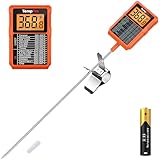
- An instant-read kitchen thermometer
- A wire rack set over a baking sheet
Steps
- Preheat for First Fry: Heat your oil to 325°F (163°C). Precise oil temperature is crucial.
- First Fry: Carefully add the coated chicken to the hot oil, ensuring not to overcrowd the pan. Fry for 5-7 minutes, until the crust is pale blonde and the chicken is cooked through (internal temperature of 165°F).
- Drain and Rest: Remove the chicken from the oil and place it on the wire rack. Let it rest for at least 10 minutes. This step allows moisture to escape, setting you up for the second fry.
- Preheat for Second Fry: Increase the oil temperature to 375°F (190°C).
- Second Fry (The Crunch-ifier): Return the rested chicken to the hotter oil and fry for another 2-3 minutes, until it’s deeply golden brown and audibly crispy.
- Drain Again: Immediately remove from the oil and drain on the wire rack.
Pro-Tip: The double fry + extra crispy outcome is a result of science. The first fry cooks the chicken and pushes moisture to the surface; the rest period allows that moisture to evaporate. The second, hotter fry rapidly dehydrates the outer coating, creating a hard, shatteringly crisp shell.
3. Secret #3: Create the Perfect Sticky, Spicy-Sweet Garlic Glaze

Pin this Gochujang Garlic Sauce recipe—it’s the perfect balance of sweet + spicy!
The soul of this dish is the Gochujang garlic sauce. A great glaze balances heat and sweet perfectly, creating an addictive spicy-sweet and umami-rich flavor profile. The star ingredient is Gochujang (Korean hot pepper paste), a fermented chili paste that provides a complex, savory heat. This is balanced with the sweetness of honey or rice syrup, the salty depth of soy sauce, the brightness of rice vinegar, and a powerful aromatic punch from fresh garlic cloves and ginger. The key is to simmer the sauce just long enough for it to thicken to a coating viscosity without burning the sugars or garlic.
Ingredients
- 1/4 cup Gochujang (Korean hot pepper paste)
- 3 Tbsp honey (or Korean rice syrup for a more authentic sheen)
- 2 Tbsp soy sauce
- 1 Tbsp rice vinegar
- 4-5 large garlic cloves, finely minced
- 1 tsp fresh ginger, minced
- 1 tsp toasted sesame oil
Instructions
- Mince: Finely mince the garlic and ginger. This ensures they dissolve into the sauce rather than staying in chunky pieces.
- Whisk: In a small saucepan, whisk together the Gochujang, honey, soy sauce, and rice vinegar.
- Simmer: Place the saucepan over medium-low heat. Add the minced garlic and ginger. Bring the mixture to a gentle simmer.
- Reduce: Let the sauce simmer for 3-5 minutes, stirring occasionally, until it has thickened slightly and can coat the back of a spoon. Be careful not to cook it for too long or the sugar will burn.
- Finish: Remove from the heat and stir in the toasted sesame oil.
Pro-Tip: For the most authentic flavor and glossy finish, use Korean rice syrup (ssal-yeot) instead of honey. It’s less sweet than honey and creates a beautiful, non-sticky sheen. This is a key detail for achieving a better-than-takeout result.

4. Secret #4: Start with Perfectly Prepped Chicken

Don’t skip this prep step! Pin this tip for the most juicy interior.
The quality of your finished dish begins with the raw ingredients. The choice of chicken and its preparation are foundational to success. When considering Thighs vs Breasts, thighs are the clear winner for this recipe. Their higher fat content ensures the meat remains juicy, tender, and flavorful even after the intense double-fry process. A simple, short marinade with salt and ginger seasons the meat from within. But the most critical step of all is to pat dry the chicken until it’s almost tacky to the touch. Moisture is the enemy of a crispy crust; a dry surface allows the starch coating to adhere directly to the meat, creating a unified, inseparable layer of crunch.
What You Need
- 1.5 lbs boneless, skinless chicken thighs
- 1 tsp salt
- 1/2 tsp grated ginger
- Optional: 1/4 cup buttermilk (for extra tenderizing)
- Heavy-duty paper towels
Steps
- Choose the Right Cut: Start with chicken thigh meat. It has a higher fat content, which keeps it juicy and tender during the high-heat frying process and prevents the rubbery chicken problem sometimes seen with breast meat.
- Cut Uniformly: Cut the thighs into uniform 1.5-inch pieces. This ensures they all cook at the same rate.
- Marinate Simply: In a bowl, toss the chicken pieces with salt and grated ginger. If using, add the buttermilk and toss to coat. Let it marinate for at least 15 minutes but no more than 30.
- Dry Thoroughly (CRITICAL STEP): Remove the chicken from the marinade. Using paper towels, pat dry each piece until the surface is as dry as possible. Do not skip this! A dry surface is essential for the starch coating to stick and for achieving an ultra-crunchy crust.
Pro-Tip: While some recipes call for a wet batter, this authentic technique relies on a dry dredge. The minimal moisture from the chicken itself is just enough to hydrate the starch. Excess surface moisture will create a gummy layer between the meat and the crust.
20% OffBestseller No. 4

5. Secret #5: The Final Toss – Sauce with Speed and Precision

The final step is key! Pin this tip to avoid soggy skin.
You’ve worked hard to create a perfectly crisp crust; the final step is all about preserving it. This is where most homemade recipes fail. The secret is speed and technique. To avoid soggy skin, you must toss the chicken in the glaze at the last possible second before serving. The goal is to apply a thin, even coat of the warm Gochujang garlic glaze to the hot chicken pieces, not to drown them. Using a very large bowl gives you room to toss the chicken quickly and efficiently, ensuring every piece gets a light kiss of sauce without becoming saturated. Work fast, garnish, and serve immediately for the ultimate crunchy experience.
What You Need
- The double-fried chicken, still hot
- The warm Gochujang garlic glaze
- A very large mixing bowl
- Toasted sesame seeds and chopped scallions, for garnish
Steps
- Work Quickly: This entire process should take less than 30 seconds. Have your serving platter and garnishes ready.
- Combine: Place the hot, crispy chicken in the large mixing bowl. Pour the warm glaze over the top. Do not let the chicken sit in a puddle of sauce.
- Toss: Using tongs or by flicking your wrists, toss the chicken rapidly to lightly and evenly coat each piece in the glaze. The goal is a thin, shiny layer, not a heavy, dripping one.
- Garnish and Serve: Immediately transfer the glazed chicken to a serving platter. Garnish generously with toasted sesame seeds and chopped scallions. Serve right away.
Pro-Tip: To avoid soggy skin, never pour the sauce over the chicken on the serving plate. The tossing action in a large bowl ensures a light, even coating. Also, ensure both the chicken and the sauce are warm (not hot or cold) when you toss them; this helps the glaze adhere without steaming the crust.

Key Takeaways: Your Quick Guide to Crispy Gochujang Garlic Fried Chicken
Mastering Crispy Gochujang Garlic Fried Chicken comes down to executing a few crucial techniques correctly. These are the main takeaways that will guarantee your success and deliver that coveted better-than-takeout quality at home.
- Ditch the Flour for Starch: The ultimate secret to a shatteringly crisp crust is a 50/50 blend of potato starch and cornstarch. This gluten-free coating creates a light, brittle texture that flour can’t replicate.
-
The Double-Fry is Non-Negotiable: For a crust that stays crispy, you must double fry. A first fry at 325°F cooks the chicken, and a second, quick fry at 375°F dehydrates the exterior for an ultra-crunchy finish.
-
Balance Your Glaze: A perfect Gochujang garlic sauce balances heat and sweet. Combine Gochujang, a sweetener like honey or rice syrup, soy sauce, and fresh garlic, then simmer briefly until it just coats a spoon.
-
Dry Chicken is Crispy Chicken: Before coating, ensure your chicken thigh meat is patted completely dry. Moisture is the number one enemy of a crispy crust.
-
Toss Fast, Serve Faster: To avoid soggy skin, toss the hot chicken in the warm glaze quickly in a large bowl. The goal is a light coating, not a heavy soak. Serve immediately.
People Also Ask About Crispy Gochujang Garlic Fried Chicken
How to make Korean fried chicken extra crispy?
The secret is a combination of a starch-based coating and the double-fry method. Use a mix of potato starch and cornstarch instead of flour for a lighter crust. Fry the chicken once at a lower temperature (325°F) to cook it, then a second time at a higher temperature (375°F) to achieve a shatteringly crisp, dehydrated exterior.
Why use potato starch for frying?
Potato starch creates a lighter, crispier, and more brittle crust than cornstarch or flour. It has a high amylopectin content and no gluten, which means it absorbs less oil and the crust shatters when you bite into it. It’s the key ingredient for that signature authentic technique and texture.
Can I use chicken breast for gochujang chicken?
Yes, you can, but chicken thighs are highly recommended for a juicier result. Chicken breast is much leaner and can become dry or rubbery with the high heat of double-frying. If you use breast, cut the pieces slightly larger and be very careful not to overcook them during the first fry.
How do you keep chicken crispy after saucing?
The keys are speed and a light touch. Make sure both your chicken and sauce are warm, not piping hot. Place the hot chicken in a very large bowl, pour the sauce over, and toss quickly for just a few seconds to apply a thin glaze. Serve immediately, as the crust will begin to soften over time.
Is gochujang very spicy?
The spice level varies by brand, but most have a moderate, savory heat. Gochujang is a fermented chili paste, so its flavor is complex—it’s spicy, slightly sweet, and packed with umami. You can reduce the spice level in your sauce by using less gochujang and increasing the amount of honey or brown sugar.
What is the difference between Gochujang and Gochugaru?
Gochujang is a thick, fermented paste, while Gochugaru is a ground chili powder. Gochujang is made from chili powder, glutinous rice, fermented soybeans, and salt, giving it a complex, savory flavor perfect for sauces. Gochugaru is simply dried Korean red chili peppers ground into flakes or powder, used for seasoning and making kimchi.
Can you air fry gochujang chicken?
Yes, an air fryer is a great lower-fat option, though the texture will be different. For an air fryer Korean fried chicken alternative, coat the chicken as directed. Spray the basket and chicken with oil. Air fry at 380°F for 15-20 minutes, flipping halfway. Increase heat to 400°F for the final 3-5 minutes to crisp it up before tossing in the sauce.
What to serve with Korean fried chicken?
Simple side dishes (Banchan) that balance the richness are best. Classic pairings include pickled radish (chikin-mu), which is a must-have palate cleanser. Steamed white rice, a simple cucumber salad, or kimchi are also excellent choices that complement the sweet and spicy chicken.
Potato starch vs Cornstarch: Which is better for fried chicken?
A blend of both is ideal. Potato starch creates a lighter, more delicate, shatter-like crispness. Cornstarch provides a sturdier, crunchier, golden-brown crust. Using them together gives you the best of both worlds—the signature light texture of Korean Fried Chicken with the durability to hold up to the glaze.
How to store and reheat leftover Korean fried chicken?
Store it in an airtight container in the fridge for up to 3 days. To reheat and revive the crispiness, use an air fryer or oven. Place the chicken in a single layer and reheat at 375°F for 5-8 minutes until hot and the crust has firmed up. Avoid the microwave, which will make it soggy.
Final Thoughts on Your Homemade Korean Soul Food
You are now equipped with the knowledge and techniques to create truly exceptional Crispy Gochujang Garlic Fried Chicken. Remember, achieving that better-than-takeout quality isn’t about luck; it’s about understanding the science behind the crunch. From the starch-based coating and the non-negotiable double fry to the final, rapid toss in the Gochujang garlic sauce, you have the blueprint for success. Embrace these methods, and you’ll trade soggy, disappointing chicken for a shatteringly crisp, perfectly glazed masterpiece every single time. Now that you have the secrets, which one will you focus on mastering first?
Last update on 2026-08-13 at 17:23 / Affiliate links / Images from Amazon Product Advertising API
