
As an Amazon Associate BakingBakewareSets.com earns from qualifying purchases.
Dakgangjeong: Ultimate Crispy Sweet & Spicy Korean Fried Chicken Bites Recipe
Have you ever craved that shatteringly crispy, audibly crunchy fried chicken from your favorite Korean spot, only to be disappointed by soggy results at home? It’s a common frustration, but achieving that perfect texture and addictive sweet and spicy flavor of authentic Dakgangjeong is easier than you think.
Dakgangjeong (닭강정) is a type of Korean fried chicken known for its incredibly crispy, double-fried exterior coated in a sticky, sweet, and often spicy sauce. Unlike other varieties, its unique glaze, made with rice syrup or honey, creates a candy-like shell that keeps the chicken crunchy even when served cold. This method is the key to a truly addictive experience.
Drawing from comprehensive analysis of the traditional method and proven culinary techniques, this guide unlocks the secrets to failproof results. You will discover the science behind the perfect crunch, the essential ingredients for an authentic glaze, and a step-by-step process to make sweet crispy chicken that rivals the best Korean street food. Prepare to master the art of homemade Dakgangjeong.
☰ Table of Contents ▼
show
What Is Dakgangjeong and Why Is It So Addictively Crispy?
That incredible, audibly crispy crunch followed by a wave of sweet and spicy flavor is what makes Dakgangjeong a global obsession. This popular form of Korean fried chicken stands apart from its cousins due to a very specific preparation method rooted in Korean street food markets like Sokcho Central Market. The name itself offers a clue: “Dak” (닭) means chicken, and “Gangjeong” (강정) is a type of traditional Korean confectionary that is fried and coated in a hardened, sweet syrup. Essentially, it’s “candy chicken,” and that’s the secret to its lasting crispiness. The magic lies in two key steps: a light, airy potato starch batter and a crucial double-frying method. This process creates a brittle, ultra-crunchy shell that gets locked in by a thick, sticky glaze made from ingredients like gochujang and rice syrup, which hardens as it cools.
Dakgangjeong vs. Yangnyeom Chicken: What’s the Real Difference?
While both are icons of the Korean fried chicken world, getting them confused is a common rookie mistake. The debate of dakgangjeong vs yangnyeom comes down to distinct differences in texture, sauce, and even how they’re typically eaten. Dakgangjeong is engineered for maximum, lasting crunch with a thick, candy-like sticky glaze coating. Yangnyeom chicken, on the other hand, is generally softer, coated in a thinner, wetter sweet and spicy sauce that’s meant to be enjoyed immediately before the coating softens. Understanding these differences is key to choosing the right recipe for your craving.
| Feature | Dakgangjeong (닭강정) | Yangnyeom Chicken (양념치킨) |
|---|---|---|
| Texture | Exceptionally crispy, hard, brittle shell | Softer, often slightly chewy coating |
| Sauce Consistency | Thick, syrupy, candy-like glaze that hardens | Thinner, wetter, saucier coating |
| Crispiness When Cold | Famously stays crispy even when cool | Tends to get soggy as it cools |
| Primary Sweetener | Rice syrup (oligodang) or honey | Often corn syrup, sugar, ketchup |
| Typical Cut | Traditionally boneless chicken pieces or wings | Often whole bone-in chicken pieces |
| Best Eaten | Hot or at room temperature | Immediately while hot and crispy |
7 Simple Steps to Make Authentic Dakgangjeong at Home
Making restaurant-quality Dakgangjeong at home comes down to following a precise, proven process. This easy dakgangjeong recipe breaks down the traditional method into seven clear, manageable stages. From preparing the chicken to mastering the double-frying method and simmering the perfect homemade dakgangjeong sauce, each step is designed to build upon the last. By focusing on these core techniques, you’ll avoid common pitfalls like soggy chicken and create a final product that is authentically crispy, sticky, and unbelievably delicious.
1. Prepare and Marinate the Boneless Chicken Pieces

Pin this essential first step to your ‘Korean Recipes’ board!
The foundation of great Dakgangjeong is flavorful, tender chicken. We start by marinating boneless chicken pieces to season them from the inside out. Using chicken thighs is highly recommended as their higher fat content ensures they stay moist and flavorful even after the intense double-frying process. The simple rice wine marinade with ginger and garlic not only adds flavor but also helps to tenderize the meat and remove any gamey notes, setting the stage for the perfect bite.
Ingredients
- 1.5 lbs boneless, skinless chicken thighs, cut into 1-inch bite-sized pieces
- 2 tsp fresh ginger, finely grated
- 3 cloves garlic, minced
- 1 tbsp soy sauce
- 1 tbsp Korean rice wine (cheongju) or dry sherry
- 1/2 tsp salt
- 1/2 tsp black pepper
Instructions
- Rinse the cut chicken pieces under cold water and pat them thoroughly dry with paper towels. This is a critical step for a crispy coating.
- In a large mixing bowl, combine the chicken pieces with the grated ginger, minced garlic, soy sauce, rice wine, salt, and pepper.
- Marinate the chicken by mixing everything together with your hands until each piece is evenly seasoned.
- Cover the bowl and let it marinate in the refrigerator for at least 30 minutes, or up to 2 hours for maximum flavor infusion.
Pro-Tip: Using chicken thighs instead of breasts is a chef’s tip for professional results. The higher fat content ensures the chicken stays incredibly tender inside even after the double-frying method.
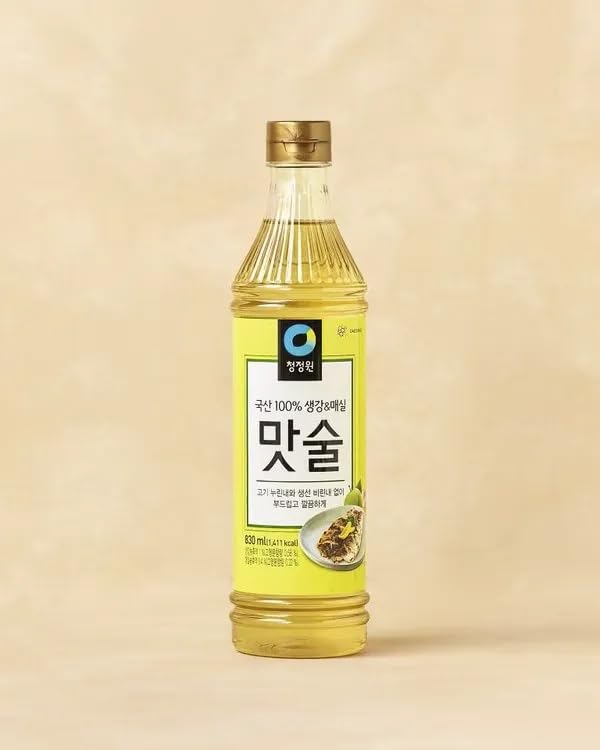
2. Create the Perfect Double-Fry Potato Starch Batter

Save this tip! The secret to the crunch is in the starch.
Forget heavy flour batters. The secret to the signature light, shattering crust of Dakgangjeong is a simple potato starch batter. When you ask why use potato starch for chicken, the answer lies in science. Potato starch has larger granules and no gluten, which means it absorbs less oil and fries up into a lighter, crispier, and more brittle coating than flour. This process of starch gelatinization is what creates that uniquely satisfying, extra crunchy texture. A thin, even coating is all you need.
Supplies Needed
- 1 cup potato starch (preferred) or corn starch
- A large bowl or a large resealable plastic bag
Instructions
- Place the potato starch in a large bowl or a large resealable plastic bag.
- Working in batches, add the marinated chicken pieces to the starch.
- Coat each piece thoroughly, ensuring every surface is covered in a thin, even layer. If using a bag, seal it and shake vigorously. If using a bowl, toss with your hands.
- Shake off any excess starch from each piece. You want a light coating, not a thick, heavy shell. This helps prevent clumpy starch.
- Place the coated chicken pieces on a wire rack in a single layer, not touching, and let them rest for 5-10 minutes. This helps the coating adhere properly.
Pro-Tip: For the crispiest results, use potato starch. It has larger starch granules that create a lighter, crunchier, and less greasy crust compared to flour. This is a core part of the traditional method.

3. Master the Double-Frying Method for an Extra Crunchy Finish

Don’t skip the second fry! This is the secret to making your chicken audibly crispy.
This step is the heart of the recipe and the ultimate soggy chicken fix. Learning how to double fry chicken is what separates good fried chicken from great Korean fried chicken. The first fry at a lower temperature cooks the chicken through and begins to dehydrate the starch coating. After a brief rest, the second fry at a higher temperature aggressively crisps and expands that dehydrated surface, creating a light yet incredibly sturdy crust that can stand up to the glaze. Precise oil temperature control is essential here.
Tools Required
- A heavy-bottomed pot, Dutch oven, or deep-fryer
- 4-6 cups of neutral frying oil (e.g., canola, vegetable, or peanut oil)
- A deep-fry thermometer for precise oil temperature control
- A wire rack set over a baking sheet
Instructions
- Heat the oil in your pot over medium-high heat until it reaches 340-350°F (170-175°C).
- First Fry: Carefully add half of the coated chicken pieces to the hot oil, ensuring not to overcrowd the pot. Deep-fry for 5-6 minutes, or until the chicken is lightly golden and cooked through.
- Drain the chicken from the oil using a spider strainer and place it on the wire rack. Repeat with the remaining chicken. Let the chicken rest for at least 10 minutes.
- Second Fry: Increase the oil temperature to 375-380°F (190-195°C).
- Working in batches again, double-fry the chicken for 1-2 minutes until it becomes deeply golden brown and visibly extra crunchy.
- Remove from the oil and drain on the wire rack. The chicken will be incredibly crispy. This final step is the ultimate soggy chicken fix.
Pro-Tip: The double-frying method is non-negotiable for that signature crunch. The first fry cooks the chicken and draws moisture out of the coating. The second, hotter fry blasts the surface, creating a brittle, airy crust that stays crispy even after being sauced.
4. Simmer the Authentic Sweet & Spicy Sticky Glaze

The perfect sweet and spicy sauce is the soul of Dakgangjeong. Pin this sauce recipe!
The homemade dakgangjeong sauce is what gives the dish its soul. This sweet and spicy sauce is a beautiful balance of savory soy sauce, spicy gochujang, and the crucial sweetness from rice syrup. Simmering these ingredients together with garlic and ginger thickens the sauce into a perfect sticky glaze. Using Korean rice syrup (oligodang) is particularly important, as its unique properties help it to harden into a thin, candy-like shell upon cooling, which is the final secret to its legendary crispiness.
Ingredients
- 1/4 cup soy sauce
- 1/4 cup rice syrup (oligodang) or honey
- 3 tbsp gochujang (Korean chili paste) – adjust to your spice preference
- 1 tbsp rice vinegar
- 1 tbsp brown sugar
- 2 cloves garlic, minced
- 1 tsp fresh ginger, grated
- 1 tbsp sesame oil
Instructions
- In a small saucepan or skillet, combine the soy sauce, rice syrup, gochujang, rice vinegar, and brown sugar.
- Whisk the ingredients together until smooth.
- Add the minced garlic and grated ginger to the pan.
- Bring the sauce to a gentle simmer over medium heat, stirring constantly to prevent burned garlic.
- Let it bubble for 2-3 minutes, or until the sauce has thickened enough to coat the back of a spoon. It will become a beautiful, glossy sticky glaze.
- Remove from the heat and stir in the sesame oil.
Pro-Tip: Using Korean rice syrup (oligodang) is the traditional method to get the authentic gangjeong (candy) finish. It creates a glaze that hardens slightly as it cools, locking in the crispiness. If you can’t find it, honey is the next best alternative to rice syrup.
![Gochujang – Premium Korean Red Chili Paste [ Medium | 1.1 Lb (500G) ] – 0 Fat/ 0 Cholesterol / (40 Calories/Serving) | Spicy & Sweet Savory Fermented Sauce | Great For Bibimbap, Marinades, Stews & Bbq - O’food](https://m.media-amazon.com/images/I/410i4jhhvxL._SL160_.jpg)
5. Toss the Fried Chicken to Get the Perfect Glaze Coating

The final toss! This is where the magic happens.
This is the final, crucial action where your fried + coated chicken meets the glaze. The key here is speed. To answer the all-important question of how to keep chicken crispy after saucing, you must work quickly. The goal is to toss the chicken just long enough to get an even coating without letting it sit in the warm sauce, which can create steam and soften that hard-earned crust. A large wok or bowl gives you plenty of room to move the chicken around efficiently.
Supplies Needed
- The simmering sauce
- The double-fried chicken
- A large wok or a very large mixing bowl
Instructions
- Ensure your sauce is still warm and your chicken is freshly fried. Timing is key to answering how to keep chicken crispy after saucing.
- Pour the warm sticky glaze into a large wok (off the heat) or a large mixing bowl.
- Add all of the double-fried chicken to the wok or bowl at once.
- Using two spatulas or by shaking the bowl, toss the chicken quickly and efficiently until every piece is evenly coated with the glossy sauce.
- Do not let the chicken sit in the sauce; the goal is to coat and serve.
Pro-Tip: Work fast! The longer the chicken sits in the warm sauce, the more steam is created, which is the enemy of crispiness. A quick, decisive toss ensures a perfect coating while maintaining that hard-won extra crunchy texture.

6. Garnish and Serve Your Homemade Korean Fried Chicken

Your masterpiece is ready! Pin this delicious final result.
The final flourishes add texture, flavor, and visual appeal. A generous garnish of crushed roasted peanuts + garnish and toasted sesame seeds + topping is traditional, adding a nutty flavor and an extra layer of crunch. To complete the authentic experience, serve it immediately with a side of cold, tangy pickled radish (mu). This classic pairing helps cleanse the palate between rich, savory bites. This answers the common question, what to serve with dakgangjeong, and sets you up for a perfect chimaek night with a cold beer or soju.
What You Need
- 2 tbsp crushed roasted peanuts
- 1 tbsp toasted sesame seeds
- Optional: Thinly sliced green onions
- Pickled radish (mu) for serving
Instructions
- Transfer the freshly glazed Dakgangjeong to a serving platter.
- Immediately garnish generously with the crushed peanuts and toasted sesame seeds. The crunch of the nuts adds another layer of texture.
- If desired, sprinkle with thinly sliced green onions for a fresh, sharp contrast.
- Serve immediately while hot and at its crispiest, with a side of cold, tangy pickled radish to cleanse the palate between bites. Enjoy as part of a chimaek night with a cold beer or soju.
Pro-Tip: Don’t skip the pickled radish! Its sharp, tangy flavor is the perfect counterpoint to the rich, sweet and spicy chicken, making the entire experience more balanced and even more addictive.

7. Adapt for an Air Fryer Dakgangjeong (A Lighter, Crispy Alternative)

Craving the crunch with less oil? Pin this game-changing Air Fryer hack!
For those asking, can you make dakgangjeong in an air fryer?, the answer is a resounding yes. This low calorie dakgangjeong air fryer version is a fantastic alternative for a weeknight meal with less mess and oil. While the texture won’t be an exact replica of the deep-fried original, this tested recipe modification produces a remarkably crispy and delicious result. The key is to arrange the chicken in a single layer and use a light spray of oil to help the crust brown and crisp up beautifully.
What You Need
- Marinated and starch-coated chicken (from Steps 1 & 2)
- An Air Fryer
- Oil spray (avocado or canola oil recommended)
Instructions
- Preheat your air fryer to 380°F (195°C) for 5 minutes.
- Lightly spray the air fryer basket with oil to prevent sticking.
- Arrange the starch-coated chicken pieces in a single layer in the basket. Do not overcrowd; cook in batches if necessary.
- Lightly spray the tops of the chicken pieces with oil. This is essential for browning and crisping.
- Air fry for 12-15 minutes, flipping the pieces halfway through, until the chicken is cooked through and the coating is golden brown and crispy.
- For an extra crunchy finish, increase the temperature to 400°F (200°C) and cook for another 2-3 minutes until deep golden brown.
- Transfer the crispy air-fried chicken to a large bowl, pour over the warm glaze (from Step 4), and toss to coat. Garnish and serve immediately.
Pro-Tip: While air frying won’t replicate the exact shatteringly crisp texture of double-frying, spraying the chicken with oil is the key to getting the best possible crust. The oil helps the starch gelatinization process and gives the chicken that satisfying crunch.
Key Takeaways: Your Quick Guide to Perfect Dakgangjeong
Here are the most critical points to remember for flawless, crunchy korean chicken every time.
- Embrace the Double-Fry: The double-frying method is the non-negotiable secret to achieving the signature extra crunchy texture that won’t get soggy. First fry low and slow, second fry hot and fast.
- Potato Starch is Key: For a light, brittle, and audibly crispy crust, always choose potato starch over all-purpose flour. It absorbs less oil and delivers superior crunch.
- Rice Syrup Creates the Shell: For an authentic sticky glaze that hardens into a candy-like shell, use Korean rice syrup (oligodang). It’s the key to how Dakgangjeong stays crispy even when cool.
- Control Your Oil Temperature: Use a thermometer. Precise oil temperature control is crucial for both frying stages to prevent greasy, undercooked chicken or a burnt exterior.
- Work Fast When Glazing: To keep chicken crispy after saucing, toss the hot chicken in the warm glaze quickly and serve immediately. Lingering creates steam, which is the enemy of crunch.
People Also Ask About Dakgangjeong
What is the difference between Dakgangjeong and Yangnyeom?
The primary difference is the texture and sauce; Dakgangjeong has a hard, crispy, candy-like shell, while Yangnyeom has a softer coating with a thinner, wetter sauce. Dakgangjeong’s glaze, made with rice syrup, ensures it stays crispy even when cold. Yangnyeom chicken is typically best eaten hot before the sauce makes the coating soft.
Why is Dakgangjeong so crispy?
The incredible crispiness comes from a combination of using potato starch for the batter and the double-frying method. The potato starch creates a light, brittle crust. The first fry cooks the chicken and removes moisture, and the second, hotter fry rapidly expands the coating, creating a super extra crunchy and airy texture.
Does Dakgangjeong stay crispy when cold?
Yes, authentic Dakgangjeong is famous for staying crispy even after it cools down. This is due to the sticky glaze made with rice syrup (oligodang) or honey, which hardens into a protective, candy-like shell around the chicken, shielding the crispy coating from moisture.
Can I use chicken breast for Dakgangjeong?
Yes, you can use chicken breast, but chicken thighs are highly recommended for the best results. Chicken thighs have more fat, which keeps them juicy and tender inside during the double-frying process. If using breast, be careful not to overcook it as it can become dry.
How do I reheat Dakgangjeong?
The best way to reheat Dakgangjeong and revive its crispiness is in an air fryer or oven. Place the chicken in a single layer and heat at 375°F (190°C) for 5-7 minutes. Avoid the microwave, as it will make the coating soft and chewy, which is the most common soggy chicken fix mistake.
Is Dakgangjeong spicy?
It can be, but the spice level is easily adjustable. The heat comes from gochujang (Korean chili paste). This recipe has a mild-to-medium kick, but you can add more gochujang for a spicier version or reduce it for a mostly sweet and savory flavor suitable for kids.
What is Oligodang?
Oligodang is a type of Korean syrup, often translated as rice syrup or corn syrup, that is a key authentic ingredient in Dakgangjeong. It’s less sweet than corn syrup and has a unique viscosity that helps create the signature hard, glossy glaze. It’s a staple in many korean pantry staples.
Can I make Dakgangjeong gluten-free?
Yes, this recipe is easily made gluten-free. The coating is naturally gluten-free as it uses potato starch or corn starch instead of wheat flour. The only ingredient to check is the soy sauce; simply use a gluten-free tamari or a certified gluten-free soy sauce.
What is the origin of Dakgangjeong?
Dakgangjeong is a popular Korean street food that is widely believed to have originated or been popularized in the street markets of Sokcho and Gangneung, South Korea. The “gangjeong” part of the name refers to a traditional type of Korean confectionary that is fried and coated in syrup, and the technique was applied to chicken.
How do you pronounce Dakgangjeong?
A simplified pronunciation is “dahk-gahng-jung.” “Dak” (닭) means chicken. “Gangjeong” (강정) refers to the sweet, crispy confectionery style. Putting it together, it sounds like “dock-gong-jung” with a soft ‘j’ sound at the end.
Final Thoughts on Your Homemade Crispy Korean Chicken
You are now equipped with the knowledge and proven technique to create truly spectacular, street food style Dakgangjeong in your own kitchen. By understanding the critical roles of potato starch, the double-frying method, and an authentic rice syrup glaze, you can confidently produce chicken that is impossibly crunchy, perfectly glazed, and full of flavor. This isn’t just a recipe; it’s a mastery of the core principles that make this dish an icon. What’s been your biggest challenge with making fried chicken at home? Share your experiences in the comments below
Last update on 2026-07-25 at 00:34 / Affiliate links / Images from Amazon Product Advertising API
