
As an Amazon Associate BakingBakewareSets.com earns from qualifying purchases.
Korean Chicken Kalbi: Easy, Authentic & Flavorful Grilled Recipe for Dinner
Craving that incredible sweet and savory flavor of Korean BBQ at home? It can be frustrating trying to replicate that perfect, juicy, and charred chicken from your favorite restaurant, only to end up with a dish that misses the mark. You’re searching for an authentic, yet easy, Korean Chicken Kalbi Recipe that guarantees delicious results every time.
The easiest authentic Korean Chicken Kalbi recipe uses boneless, skinless chicken thighs marinated in a savory-sweet sauce made with soy sauce, garlic, ginger, and a tenderizing fruit like Asian pear or kiwi. The chicken is then grilled over high heat until caramelized and smoky, creating a juicy and flavorful main course perfect for a quick dinner.
Drawing from established best practices and culinary traditions, this guide breaks down the process into simple, foolproof steps. We will explore the secrets behind the authentic Kalbi marinade sauce and the techniques for achieving that perfect grill char. You’ll discover how to create a restaurant-quality meal that will impress your family and friends.
☰ Table of Contents ▼
show
What Makes a Korean Chicken Kalbi Recipe Truly Authentic and Easy?
The magic of an exceptional Korean Chicken Kalbi Recipe lies in its perfect balance of simplicity and deep, authentic flavor. Unlike its spicy, stir-fried cousin, Dak Galbi, which uses a gochujang-based sauce, this recipe focuses on the classic “Kalbi” style—a sweet and savory soy sauce marinade traditionally used for beef ribs but adapted beautifully for chicken. This distinction is key; we are aiming for a grilled dish that features a rich umami flavor, a smoky char, and incredibly tender, juicy meat. True authenticity comes from using key ingredients like Asian pear for tenderizing and achieving the right ratio of sweet and salty. The “easy” part comes from using accessible ingredients and a straightforward grilling method, making this a perfect easy dinner recipe for any night of the week. This guide is your tested recipe for mastering that delicious balance.
7 Essential Steps for the Perfect Korean Chicken Kalbi Dinner
Creating a show-stopping Korean grilled chicken dinner is all about following a few key steps that build layers of flavor. This isn’t just about mixing ingredients; it’s a process designed to maximize taste and texture at every stage. We’ll walk through everything from choosing the ideal cut of chicken to the final garnish. This step-by-step guide breaks down the process for creating spectacular Korean BBQ Chicken, focusing on the core components: the juicy Chicken Thighs, the essential Kalbi Marinade Sauce, and the high-heat Grill technique. By following these 7 steps, you will learn how to marinate for maximum flavor, achieve a perfect smoky char, and serve your dish with traditional accompaniments like Kimchi for a complete and unforgettable meal.
1. Choose the Perfect Cut: Why Chicken Thighs Are Essential

Pin this tip for juicy, flavorful chicken every time!
The foundation of any great chicken thigh recipe is, unsurprisingly, the chicken itself. For this dish, boneless, skinless chicken thighs are the undisputed champion. Their higher fat content compared to lean chicken breast ensures the meat stays incredibly juicy and flavorful, even when cooked over the high heat required for grilling. This natural fat bastes the chicken from within, preventing it from drying out and resulting in a wonderfully tender bite every time. While you can use a chicken breast substitute, you’ll need to take extra care to tenderize tough meat and avoid overcooking.
What You Need
- 2 lbs boneless, skinless chicken thighs, patted dry
- Optional: A high-quality meat tenderizer tool if you must use chicken breast
Steps
- Prepare the chicken thighs by trimming any excess fat.
- If the thighs are very thick, lightly pound them to an even thickness of about ½-inch. This ensures even cooking.
- If using chicken breast, slice it into thin cutlets and use a Jaccard-style tenderizer to prevent dry chicken.
Pro-Tip: For the most tender results, score the surface of the chicken thighs in a shallow diamond pattern. This allows the Kalbi marinade sauce to penetrate deeper and helps tenderize tough meat.

2. Craft the Authentic Kalbi Marinade for a Flavor Explosion

Save this authentic marinade recipe—it’s liquid gold!
This Kalbi marinade sauce is the heart and soul of the dish, delivering that signature balance of savory, sweet, and aromatic flavors. Knowing how to make authentic Kalbi marinade is what separates a good dish from a great one. The key is a harmonious blend of low-sodium soy sauce, aromatics like garlic and ginger, and a secret weapon from the traditional Korean kitchen: grated fruit. An Asian pear or kiwi for tenderizing not only adds a subtle sweetness but also contains natural enzymes that create incredibly tender meat.
Ingredients
- ½ cup low-sodium soy sauce
- ¼ cup water
- ¼ cup packed brown sugar sweetness
- 2 tablespoons mirin (sweet rice wine)
- 1 tablespoon toasted sesame oil flavor
- 4 minced garlic cloves
- 1 tablespoon freshly grated fresh ginger root
- ¼ cup grated Asian pear or kiwi for tenderizing
- 1 teaspoon Korean red pepper flakes (Gochugaru), or to taste
- ¼ teaspoon black pepper
Instructions
- Combine all ingredients in a medium-sized bowl.
- Whisk vigorously until the brown sugar is fully dissolved and the sesame oil is emulsified into the sauce. The mixture should be fragrant and slightly thickened.
- Taste and adjust sweetness or spice if needed. If you want to reduce spice level, start with just ½ teaspoon of Gochugaru.
Pro-Tip: The secret to a restaurant-quality marinade lies in the enzymatic properties of kiwi or pear. These fruits contain enzymes that break down protein fibers, resulting in incredibly tender chicken. Don’t skip this ingredient!

3. Marinate for Maximum Flavor: How Long is a Must?

Don’t rush the magic! Pin this marination timeline.
Patience is a virtue, especially when it comes to Korean BBQ. To answer the common question of how long to marinate Korean chicken, the key is to give the sauce enough time to work its magic. A proper marination period allows the flavors to penetrate deep into the meat, creating a profound flavor depth that you simply can’t achieve with a quick dip. For the best results, plan to marinate overnight. This also makes it one of the best make ahead tips for a busy weeknight.
What You Need
- The prepared chicken thighs
- The prepared Kalbi marinade sauce
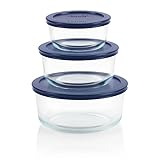
- A large glass dish or a zip-top bag
Steps
- Place the chicken thighs in the dish or bag. Pour the marinade over the chicken, ensuring every piece is fully coated.
- Massage the marinade into the chicken for about 30 seconds.
- Cover the dish with plastic wrap or seal the bag, removing as much air as possible.
- Refrigerate to marinate. For best results, marinate overnight.
Pro-Tip: Marinate for at least 4 hours, but for optimal flavor depth, 8-12 hours (or overnight) is perfect. Do not exceed 24 hours, as the enzymes in the pear/kiwi can make the chicken texture mushy. This is one of the best make ahead tips for this dish.
4. Prepare Your Vegetables for the Perfect Stir-fry or Side

Add these veggies for a complete one-pan meal!
While the chicken is the star, the accompanying vegetables play a crucial supporting role. If you’re wondering what vegetables go in Korean chicken stir fry, the classic combination includes green cabbage, sweet potato, and onion. These stir-fry vegetables can be cooked separately as a side dish for your grilled chicken or, for a hybrid approach, sautéed in a pan with some of the reserved marinade to create a complete one-pan meal. Authentic additions like perilla leaves can also add a unique, herbaceous note.
Supplies Needed
- 1 large sweet onion
- 1 medium sweet potato
- ½ head of green cabbage
- Optional: Tteokbokki rice cakes (if making a hybrid stir-fry)
Directions
- Chop the onion into 1-inch chunks.
- Dice the sweet potato into ½-inch cubes. For faster cooking, you can par-boil them for 5 minutes first.
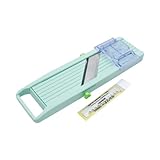
- Shred the cabbage into thick strips.
- If grilling, you can thread the onion chunks onto skewers. The cabbage and sweet potato are best sautéed separately in a pan with a little of the leftover marinade.
Pro-Tip: For a truly authentic street-food style experience, add some chewy Tteokbokki rice cakes to your vegetable stir-fry. Sauté them with the veggies and a splash of the kalbi marinade until they are soft and glazed.
5. Master the Grill: Achieving the Perfect Smoky Char

Pin this guide for perfect grill marks every time!
This is where the magic happens. Whether you’re using an outdoor grill or a stovetop vs grill method with a cast iron skillet, the goal is the same: to caramelize the sugars in the marinade and create a beautifully charred, smoky exterior while keeping the inside juicy. The key is managing the heat. A common issue is the sauce burning before the chicken is cooked, so it’s important to know how to avoid burning sauce. The scientific process at play here is the Maillard reaction, which creates hundreds of new flavor compounds when the amino acids and sugars in the food are subjected to heat.
Tools Required
- Outdoor grill or a large cast iron skillet / grill pan
- Grilling tongs
- A basting brush
- Instant-read meat thermometer
Step-by-Step Directions
- Preheat your grill or skillet over medium-high heat. Lightly oil the grates or pan.
- Remove chicken from the marinade, allowing excess to drip off. Discard the used marinade that the raw chicken was in.
- Sear the chicken for 4-6 minutes per side. Don’t move it, allowing it to develop a beautiful char and caramelize.
- Reduce heat to medium and continue cooking, turning occasionally, until the chicken is cooked through. The internal temperature should reach 165°F (74°C).
- If you reserved some marinade before it touched raw chicken, you can baste the chicken during the last few minutes of cooking.
Pro-Tip: To avoid burning sauce, make sure you let the excess marinade drip off before placing the chicken on the heat. The high sugar content can burn quickly. Managing your heat is key to getting a perfect char, not a burnt crust.

6. Garnish and Serve: How to Plate Like a Korean Restaurant

Ready to serve! Pin this for Korean dinner inspiration.
Presentation elevates a simple meal into a dining experience. Knowing how to serve Dak Galbi (or in this case, Chicken Kalbi) is all about adding fresh, contrasting textures and flavors. A simple garnish with scallions (green onions) and toasted sesame seeds adds a pop of color and nutty aroma. For a truly authentic meal, serve the chicken with a variety of small side dishes (Banchan) like Kimchi. One of the most popular ways to enjoy this dish is to make wraps; the chicken serves with lettuce wraps perfectly, allowing each person to build their own bite.
What You Need
- Toasted sesame seeds
- Thinly sliced green onions
- Steamed short-grain rice
- Butter lettuce or perilla leaves for wraps
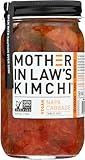
- A side of Kimchi or other Korean side dishes (banchan)
Presentation Steps
- Let the cooked chicken rest for 5 minutes before slicing it into bite-sized strips.
- Garnish generously with toasted sesame seeds and fresh green onions.
- Serve hot alongside a bowl of steamed rice.
- For a classic Korean BBQ experience, provide lettuce leaves for guests to make their own wraps with the chicken, rice, and a dab of ssamjang (spicy dipping sauce).
Pro-Tip: Create a simple banchan spread to accompany your meal. Even just a bowl of store-bought kimchi and some quick-pickled cucumbers will elevate your easy dinner recipe into a memorable feast.
7. Store and Reheat: Keep Leftovers Tasting Great

Meal prep solved! Pin these tips for delicious leftovers.
Proper storage ensures your delicious leftovers don’t go to waste. Knowing how to store leftover Dak Galbi or Kalbi chicken correctly is simple. This recipe is also perfect for meal prepping. One of the best healthy Korean chicken meal prep ideas is to freeze the marinated raw chicken. Answering the question, “can I freeze Kalbi marinated chicken?” is a resounding yes! It allows you to have a nearly-ready, flavor-packed meal waiting for you in the freezer.
Supplies Needed
- Airtight storage containers
- Freezer-safe bags
Storage & Reheating Steps
- Refrigerate: Store leftover cooked chicken in an airtight container for up to 3-4 days. Reheat gently in a lightly oiled skillet over medium-low heat or in the microwave.
- Freeze Cooked: Place cooled, cooked chicken in a freezer-safe bag and freeze for up to 3 months. Thaw overnight in the refrigerator before reheating.
- Freeze Uncooked: This is a fantastic healthy Korean chicken meal prep idea. Place the raw chicken and marinade in a freezer-safe bag, press out the air, and freeze for up to 3 months. Thaw overnight in the refrigerator and cook as directed.
Pro-Tip: When reheating, add a splash of water or chicken broth to the pan and cover it. This creates steam and helps the chicken stay juicy instead of drying out.

Key Takeaways: Your Quick Guide to Korean Chicken Kalbi
Mastering this dish comes down to a few core principles. By focusing on these tested tips, you can ensure your Korean Chicken Kalbi Recipe is a success every single time. This scannable summary provides the most critical takeaways for busy home cooks.
- Chicken Thighs are Non-Negotiable: For the juiciest, most flavorful Korean BBQ Chicken, always choose boneless, skinless chicken thighs. Their higher fat content prevents them from drying out during high-heat grilling.
- The Marinade is Everything: The secret to authentic flavor is the Kalbi marinade sauce. The balance of soy sauce, garlic, ginger, and a sweet component is critical.
- Fruit is the Secret Tenderizer: Don’t skip the grated Asian pear or kiwi. The natural enzymes are the most effective way to get incredibly tender chicken, a hallmark of a great Korean Chicken Kalbi Recipe.
- Time is a Key Ingredient: Marinating for at least 4 hours is good, but marinating overnight creates a much deeper, more complex flavor depth.
- Master Your Heat: To get that signature smoky char without burning the sugary marinade, use medium-high heat and let the chicken sear without moving it too much. This helps the Maillard reaction work its magic.
People Also Ask About Korean Chicken Kalbi
Here are some answers to the most common questions about making Korean Chicken Kalbi, helping you troubleshoot and perfect your dish.
What is the difference between Kalbi and Dak Galbi?
The main difference is the sauce and cooking method: Chicken Kalbi is typically grilled and uses a sweet, savory soy-sauce-based marinade, while Dak Galbi is stir-fried and features a spicy gochujang (Korean chili paste) sauce. “Kalbi” refers to the rib-style marinade, often used for beef, adapted here for chicken. “Dak Galbi” is a distinct, spicy dish originating from Chuncheon, Korea, often cooked with vegetables and rice cakes in a large skillet.
Can I use chicken breast for this Kalbi recipe?
Yes, you can use chicken breast, but it will be less juicy and more prone to drying out. If you use breast, it’s crucial to slice it thinly, not overcook it, and use the marinade’s fruit tenderizer (pear or kiwi) to help break it down. Pounding the breast to an even thickness also helps it cook more quickly and evenly, which helps to prevent dry chicken.
What is a good substitute for Gochujang?
This recipe uses a soy-based Kalbi marinade and does not require Gochujang; that is for spicy Dak Galbi. However, if you wanted to add a spicy kick and don’t have Gochugaru (chili flakes), you could add a teaspoon of sriracha or another chili-garlic sauce to the marinade. For a true Dak Galbi recipe, there is no perfect substitute for the unique fermented flavor of Gochujang.
Why use kiwi or Asian pear in a Korean marinade?
Kiwi and Asian pear contain natural enzymes (Actinidin in kiwi, Calpain in pear) that act as a powerful meat tenderizer. These enzymes gently break down the protein fibers in the chicken, resulting in an exceptionally tender and moist texture after grilling. This is a traditional Korean kitchen technique for tenderizing tougher cuts of meat, especially for Kalbi and Bulgogi.
How do I get a smoky flavor without a grill?
To get a smoky flavor on the stovetop, use a cast-iron grill pan and a tiny amount of liquid smoke. A well-seasoned cast iron skillet heated to medium-high will create a great sear and some char. For an extra smoky boost, add just one or two drops of liquid smoke to your marinade. Be careful, as a little goes a long way.
Is Korean Chicken Kalbi spicy?
This version of Korean Chicken Kalbi is primarily sweet and savory, not overwhelmingly spicy. The spice level comes from the optional Gochugaru (Korean red pepper flakes). You can easily adjust the amount to your preference or omit it entirely for a completely mild, kid-friendly dish. The focus of this Kalbi marinade sauce is the rich flavor of soy sauce, garlic, and ginger.
Can I bake this chicken instead of grilling it?
Yes, you can bake Korean Kalbi chicken for an easy, hands-off method. Place the marinated chicken in a single layer on a foil-lined baking sheet. Bake at 400°F (200°C) for 20-25 minutes, or until the internal temperature reaches 165°F. To get some caramelization, you can switch to the broiler for the last 2-3 minutes of cooking.
What are the best side dishes for Korean chicken?
The best side dishes include steamed short-grain rice, Kimchi, and an assortment of Korean side dishes called banchan. Common banchan include seasoned spinach (sigeumchi namul), spicy cucumber salad (oi muchim), and pickled radish (danmuji). Serving the chicken with fresh lettuce leaves to make wraps is also a classic and delicious option.
Can I make Kalbi marinade ahead of time?
Absolutely, the Kalbi marinade can be made up to a week in advance. Simply whisk all the ingredients together and store it in an airtight container or jar in the refrigerator. This is a great meal prep shortcut. The flavors will actually meld and deepen over a day or two, making your chicken even more delicious.
Is this recipe gluten-free?
To make this Korean Chicken Kalbi recipe gluten-free, you must use a gluten-free soy sauce or tamari. Standard soy sauce contains wheat. All other ingredients in the marinade—ginger, garlic, pear, sugar, sesame oil, and mirin (check the label to be sure)—are typically gluten-free. Always double-check your specific product labels.
Final Thoughts on Your New Favorite Dinner Recipe
You now have all the tools and knowledge to create a truly authentic and delicious Korean Chicken Kalbi right in your own kitchen. By choosing the right cut of meat, crafting the perfect soy sauce marinade with its secret fruit tenderizer, and mastering the grill, you can easily replicate that restaurant-quality flavor. This easy dinner recipe is more than just a meal; it’s an experience that brings the exciting tastes of Korean BBQ Chicken to your dinner table. We’re confident this will become a new favorite in your cooking rotation. What’s your favorite part about Korean BBQ? Let us know in the comments
Last update on 2026-08-09 at 16:29 / Affiliate links / Images from Amazon Product Advertising API
