As an Amazon Associate BakingBakewareSets.com earns from qualifying purchases.
Korean Fried Chicken: Ultra-Crispy Double-Fry with Addictive Gochujang Glaze
Tired of soggy, disappointing homemade fried chicken that never lives up to your favorite restaurant? You’ve followed recipes, but the crust lacks that signature, almost-glass-like crunch. This is the common frustration for anyone chasing the perfection of authentic Korean Fried Chicken.
The incredible crispiness of Korean Fried Chicken comes from a two-part secret: a thin batter made with potato starch and a special double-frying technique. The first fry cooks the chicken and removes moisture, while the second, hotter fry creates a light, brittle, and shatteringly crisp crust. This method ensures the chicken stays crunchy even after being tossed in a delicious glaze.
Drawing from comprehensive analysis and proven culinary methodologies, this guide breaks down the authentic process. You will discover the exact steps and ingredients needed to create that ultra-crunchy texture and addictive sweet and spicy chicken flavor at home. Get ready to master the art of Chikin.
☰ Table of Contents ▼
show
Why is Korean Fried Chicken So Incredibly Crispy? The Secret Revealed
The magic behind the shatteringly crisp texture of Korean Fried Chicken isn’t magic at all—it’s culinary science. Unlike the thick, craggy crust of American Southern fried chicken which uses a heavy flour-based dredge, the Korean method prioritizes a light, delicate, and supremely crunchy coating that adheres perfectly to the chicken. This thin-crust is the direct result of two core principles: the right ingredients and the double-fried technique. The batter relies heavily on potato starch, which fries up lighter and crispier than flour alone. But the true secret is the two-step frying process. The initial fry at a lower temperature is designed to cook the chicken through and, most importantly, render fat and evaporate moisture from the skin and batter. After a brief rest, the chicken is plunged back into hotter oil for a second, shorter fry. This final blast of heat rapidly dehydrates the crust’s exterior, creating an incredibly light, airy, and ultra-crunchy shell that can stand up to a thick, sticky glaze without immediately turning soggy.
How to Make Authentic Korean Fried Chicken at Home (7 Key Steps)
Making authentic Korean Fried Chicken at home is a rewarding process that hinges on following a precise sequence of steps. This isn’t just about frying chicken; it’s about building layers of flavor and texture, from the initial seasoning to the final glossy coat of gochujang glaze. We’ve broken down the traditional method into seven key stages that will guide you from raw chicken to a plate of perfectly crisp, juicy, and flavor-packed wings and drumettes. Each step is designed to be clear and actionable, with pro-tips that explain the “why” behind the “what,” empowering you to replicate restaurant-quality results in your own kitchen. Following this guide will help you master the crucial double fry technique and create a meal that truly satisfies.
1. Prepare and Season the Chicken for Maximum Flavor

Pin this essential prep step to your “Weeknight Dinners” board!
What You Need
- 2 lbs chicken wings and/or drumettes, separated
- 1 tbsp finely minced ginger
- 1 tsp kosher salt
- 1/2 tsp black pepper
- Paper towels for drying
Steps
- Pat Dry: Thoroughly pat the chicken pieces completely dry with paper towels. This is a critical step for a crispy crust.
- Season: In a large bowl, toss the dry chicken pieces with the minced ginger, salt, and pepper until evenly coated.
- Rest: Let the chicken rest at room temperature for 30 minutes (or in the fridge for up to 2 hours) to allow the seasoning to penetrate the meat.
Pro-Tip: Don’t skip the resting step. This not only flavors the chicken but also draws out initial moisture from the skin, setting the stage for the Maillard reaction during frying for a deeper flavor and golden-brown color.

2. Create the Perfect Thin-Crust Batter

The secret to the crunch is in the batter! Save this for later.
Supplies Needed
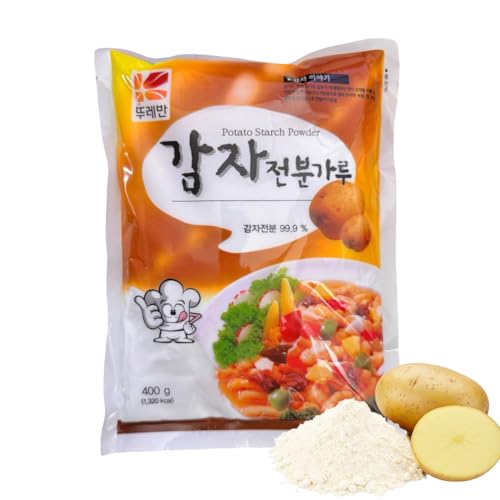
- 3/4 cup potato starch
- 1/4 cup all-purpose flour
- 1 tsp baking powder
- 1/2 tsp kosher salt
- 1 cup cold water
Instructions
- Whisk Dry Ingredients: In a medium bowl, whisk together the potato starch, flour, baking powder, and salt.
- Add Water: Slowly pour in the cold water while whisking continuously until you have a smooth, thin batter, about the consistency of crepe batter. Do not overmix.
Pro-Tip: Using potato starch is key. Its long-chain amylopectin molecules create a lighter, more brittle, and less greasy crust than cornstarch. This is a core tenet of the traditional method.
3. Perform the First Fry to Cook the Chicken Through

This is the most important step for crispy chicken! Pin it now.
Tools Required
- A heavy-bottomed pot or Dutch oven
- 3-4 quarts of a neutral, high smoke point oil (peanut oil is traditional)
- A digital instant-read or deep-fry thermometer
- A wire rack set over a baking sheet
Steps
- Heat Oil: Heat the oil in your pot to 325°F (165°C). Use a thermometer for accuracy.
- Coat Chicken: Working one piece at a time, dredge the seasoned chicken through the batter, letting any excess drip off.
- Fry in Batches: Carefully place the coated chicken into the hot oil, ensuring not to overcrowd the pot. Fry for 6-8 minutes, or until the chicken is cooked through and the crust is a very light blonde color.
- Drain and Rest: Remove the chicken from the oil and let it drain on the wire rack for at least 10 minutes. This resting period is crucial for the double-fry method.
Pro-Tip: The 10-minute rest allows for starch retrogradation, where the gelatinized starch molecules in the crust realign and push out more moisture. This “dries out” the crust, preparing it to become shatteringly crisp in the second fry.

4. Craft the Addictive Sweet & Spicy Gochujang Glaze

This glaze is everything! Save this recipe for the perfect sweet and spicy chicken.
Ingredients
- 1/4 cup gochujang (Korean chili paste)
- 1/4 cup honey or Korean rice syrup
- 2 tbsp soy sauce
- 2 cloves garlic, minced
- 1 tbsp rice vinegar
- 1 tbsp brown sugar
Instructions
- Combine: In a small saucepan, combine the gochujang, honey, soy sauce, minced garlic, rice vinegar, and brown sugar.
- Simmer: Bring the mixture to a gentle simmer over medium-low heat.
- Reduce: Let it simmer for 3-5 minutes, stirring occasionally, until the sauce has thickened slightly and looks glossy. Remove from heat and set aside.
Pro-Tip: For an extra glossy sheen and to prevent crystallization, using Korean rice syrup (mulyeot) is an authentic recipe secret. It provides a clean sweetness and creates that perfect, sticky coating.
![Gochujang – Premium Korean Red Chili Paste [ Medium | 1.1 Lb (500G) ] – 0 Fat/ 0 Cholesterol / (40 Calories/Serving) | Spicy & Sweet Savory Fermented Sauce | Great For Bibimbap, Marinades, Stews & Bbq - O’food](https://m.media-amazon.com/images/I/410i4jhhvxL._SL160_.jpg)
5. Execute the Second Fry for a Shatteringly Crisp Crust

The final fry for that ultra-crunchy finish! Don’t skip this step.
Tools Required
- Your pot of oil from the first fry
- Thermometer
- Spider strainer or slotted spoon
Steps
- Increase Heat: Increase the oil temperature to 375°F (190°C). This higher temperature is key for the final crisping.
- Re-Fry: Carefully add the rested chicken back into the hot oil in batches.
- Fry Briefly: Fry for only 1-2 minutes, or until the crust is deeply golden brown and sounds hollow and crisp when tapped.
- Final Drain: Remove the chicken and let it drain on the wire rack for just a minute to shed any excess oil.
Pro-Tip: This second, high-heat fry rapidly evaporates any remaining surface moisture, creating a dehydrated, brittle, and shatteringly crisp crust that acts as a barrier, preventing the glaze from making it soggy immediately.
6. Glaze the Chicken and Add Finishing Touches

The final step to deliciousness! Pin this image for your next food project.
Supplies Needed
- The prepared gochujang glaze
- A very large mixing bowl
- 1 tbsp toasted sesame seeds
- 2 tbsp finely chopped spring onions (green parts only)
Steps
- Warm Glaze: If the glaze has cooled and thickened too much, gently warm it for 30 seconds.
- Combine: Place the hot, crispy chicken in the large mixing bowl. Pour the warm glaze over the chicken.
- Toss to Coat: Using a spatula or by tossing the bowl, quickly toss the chicken until every piece is evenly coated in the sticky glaze. Do this quickly to maintain heat and crispness.
- Garnish and Serve: Immediately transfer the glazed chicken to a serving platter. Garnish generously with toasted sesame seeds and chopped spring onions. Serve hot.
Pro-Tip: To ensure you maintain maximum crunch, only glaze the amount of chicken you plan to eat immediately. Store leftover plain fried chicken and sauce separately.

7. Prepare the Traditional Pickled Radish (Chicken-mu)

The perfect palate cleanser! No Chimaek experience is complete without this.
Ingredients
- 1 lb daikon radish, peeled and cut into 1/2-inch cubes
- 1 cup water
- 1/2 cup white vinegar
- 1/3 cup sugar
- 1 tsp salt
Instructions
- Prepare Brine: In a small saucepan, combine the water, vinegar, sugar, and salt. Bring to a boil, stirring until the sugar and salt dissolve completely. Let it cool slightly.
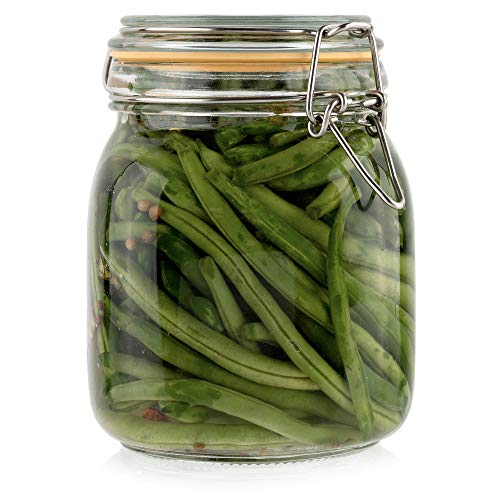
- Combine: Place the cubed daikon radish into a clean glass jar.
- Pickle: Pour the warm brine over the radish until it’s fully submerged.
- Chill: Seal the jar and refrigerate for at least 4 hours, but it’s best after 24 hours. It will keep for several weeks.
Pro-Tip: This quick pickle, known as “chicken-mu” (치킨무), is non-negotiable in Korea. Its sweet and tangy crunch cuts through the richness of the fried chicken, refreshing your palate between bites.
Key Takeaways: Your Quick Guide to Perfect Korean Fried Chicken
To help you on your journey to mastering Korean Fried Chicken, here are the most critical points to remember. Nailing these core concepts is the key to achieving that perfect balance of a shatteringly crisp exterior and a juicy, flavorful interior.
- The Double-Fry is Non-Negotiable: The secret to a shatteringly crisp crust is the double-fry method. A first fry at 325°F cooks the chicken, and a second, quick fry at 375°F creates the signature crunch.
- Potato Starch is the Key Ingredient: For a truly authentic, light, and thin-crust batter, potato starch is superior to cornstarch or just flour. It results in a less greasy, more brittle texture.
- Control Your Oil Temperature: Use a thermometer to maintain precise oil temperatures. Too low, and the chicken gets greasy; too high, and the crust burns before the inside is cooked. This is a critical process action keyword.
- Glaze Quickly and Serve Immediately: To prevent a soggy crust, toss the hot chicken in the warm gochujang glaze just before serving. Never let it sit in the sauce.
- Don’t Forget the Pickled Radish (Mu): This tangy, crunchy side dish is essential for the authentic Chimaek experience. It cleanses the palate and cuts through the richness of the fried chicken.
People Also Ask About Korean Fried Chicken
Why is Korean fried chicken double fried?
Korean fried chicken is double fried to achieve its signature ultra-crispy, non-greasy texture. The first fry at a lower temperature (around 325°F) fully cooks the chicken and renders fat while removing moisture from the skin. After a resting period, the second, hotter fry (at 375°F) rapidly dehydrates the exterior, creating a light, brittle, and shatteringly crisp crust that stays crunchy longer.
What starch is best for Korean fried chicken?
Potato starch is considered the best for authentic Korean fried chicken. Compared to cornstarch or flour, potato starch creates a lighter, more delicate, and significantly crispier crust with a pleasant craggy texture. While you can use cornstarch as a substitute, testing shows that potato starch yields a superior, less dense, and less greasy result closer to the traditional method.
How do you keep Korean fried chicken crispy?
To keep Korean fried chicken crispy, glaze it only right before serving. The key is to minimize the time the crispy coating is in contact with the wet sauce. For leftovers, store the plain fried chicken and the sauce in separate airtight containers in the refrigerator. Reheat the chicken in an air fryer or oven to re-crisp it before tossing it with the sauce.
Can you make Korean fried chicken in an air fryer?
Yes, you can make a healthier air fryer version, though the texture will be different. For an air fryer vs deep fry approach, spray the battered chicken with oil and air fry at 380°F for 15-20 minutes, flipping halfway. Then, increase the temperature to 400°F for another 5 minutes to crisp it up. The result will be less shatteringly crisp than the deep-fried version but still delicious and crunchy.
What is the difference between Korean and American fried chicken?
The main difference lies in the crust and seasoning. Korean vs Southern fried chicken shows that Korean chicken has a very thin, crackly, and non-greasy crust from a light starch-based batter and being double-fried. American Southern fried chicken typically has a thicker, craggy, more substantial crust from a seasoned flour or buttermilk batter and is usually fried only once.
How do you reheat Korean fried chicken?
The best way to reheat Korean fried chicken is in an air fryer or oven. Place the chicken in a single layer and heat at 375°F for 5-8 minutes in an air fryer or 10-15 minutes in a conventional oven. This method helps to re-crisp the crust and heat the chicken through without making it soggy. Avoid using a microwave, as it will ruin the crispy texture.
What is Gochujang?
Gochujang is a fundamental ingredient in Korean cuisine; it’s a fermented Korean chili paste. It has a unique flavor profile that is simultaneously spicy, sweet, and deeply savory (umami). Made from red chili powder, glutinous rice, fermented soybeans, and salt, it provides the signature flavor and color for many spicy Korean chicken sauces.
What is Dakgangjeong?
Dakgangjeong is another popular type of sweet and spicy Korean fried chicken, very similar to yangnyeom chicken. The main difference is that Dakgangjeong is typically made with boneless chicken pieces and is known for being extra sticky and slightly crunchier, as the sauce is reduced to a thicker, candy-like coating. It’s often topped with chopped peanuts.
Can I use cornstarch instead of potato starch?
Yes, you can use cornstarch if you cannot find potato starch, but the texture will be slightly different. When comparing potato starch vs cornstarch, potato starch creates a lighter, more delicate crisp. Cornstarch will produce a crunchy crust, but it may be slightly denser and not as “shatteringly” brittle. For best results, a 1:1 substitution will work.
What do you serve with Korean Fried Chicken?
Korean Fried Chicken is most traditionally served with chicken-mu (cubed pickled daikon radish) and beer (a pairing known as Chimaek). The tangy pickled radish acts as a perfect palate cleanser. Other common side dishes (banchan) include steamed rice, kimchi, and simple green salads with a ginger dressing to balance the rich, flavorful chicken.
Final Thoughts on Mastering Korean Fried Chicken
Creating truly exceptional Korean Fried Chicken at home is an achievable goal when you understand the science and technique behind its iconic texture and flavor. By embracing the double-fry method, utilizing potato starch for a light and airy batter, and balancing the sweet, spicy, and savory notes of a proper gochujang glaze, you unlock the secrets to a dish that far surpasses simple fried chicken. This isn’t just a recipe; it’s a project that rewards precision with a shatteringly crisp, juicy, and incredibly addictive result. We’re confident that by following these chef-tested steps, you can create an authentic Chikin experience that will impress you and anyone you share it with.
What has been your biggest challenge with making fried chicken at home? Let us know in the comments below
Last update on 2026-08-30 at 07:12 / Affiliate links / Images from Amazon Product Advertising API
