
As an Amazon Associate BakingBakewareSets.com earns from qualifying purchases.
Tender Skillet Garlic Butter Chicken: Quick & Easy Dinner
Struggling to find a weeknight dinner that’s both incredibly fast and impressive? You need a reliable meal that comes together in minutes but tastes like you spent hours on it, solving the constant battle against cooking fatigue. This is where a perfect Garlic Butter Chicken recipe becomes your new secret weapon.
This tender skillet Garlic Butter Chicken recipe delivers juicy, flavorful chicken breasts coated in a rich, savory garlic butter sauce, all cooked in one pan in under 30 minutes. It’s the ultimate quick and easy dinner solution, using simple pantry staples to create a restaurant-quality meal for any busy evening.
Based on a tested recipe and proven culinary methods, this guide goes beyond a simple ingredient list. You’ll discover the essential pro-tips for achieving melt-in-your-mouth chicken every single time. Get ready to master the techniques that prevent dry chicken and create a flawless pan sauce.
☰ Table of Contents ▼
show
How Do You Make The Best Garlic Butter Chicken for a Quick Weeknight Dinner?
Making the best garlic butter chicken recipe for a hectic weeknight is about mastering a few key techniques, not just following a list of ingredients. The goal is to create a restaurant-quality meal that is both a quick and easy dinner and a family favorite. The secret lies in creating a beautiful golden brown sear on the chicken for flavor, then building a rich, aromatic pan sauce in the same skillet. By understanding how to control your heat and use simple ingredients like minced garlic, unsalted butter, and a splash of lemon juice, you transform a simple pan seared garlic butter chicken into an unforgettable dish. This guide will walk you through the essential steps that guarantee juicy, tender results and a sauce that’s perfect for spooning over everything.
7 Pro-Tips for Tender, Juicy Skillet Garlic Butter Chicken Every Time
Anyone can follow a basic recipe, but to truly master Garlic Butter Chicken, you need to know the “why” behind each step. These seven pro-tips are designed to solve the most common problems, like dry chicken or burnt garlic, that stand between you and a perfect result. From achieving a flawless sear to creating a rich, velvety garlic butter sauce, these proven methods will elevate your cooking. We’ll cover everything from the core recipe execution to easy variations and what to serve with it, turning this simple dish into a reliable part of your weeknight dinner recipe rotation.
1. Master the Core Recipe: Sear and Simmer Your Way to Perfection

Pin this easy 20-minute dinner to your ‘Weeknight Recipes’ board!
This foundational recipe is the heart of the dish, focusing on searing the chicken to lock in juices and then creating the sauce in the same pan to capture all the flavor.
Ingredients
- 4 medium (approx. 1.5 lbs) boneless skinless chicken breasts, pounded to even thickness
- 2 tablespoons olive oil
- 6 tablespoons unsalted butter, divided
- 1 whole head of garlic, with 6-8 cloves finely minced
- 1/2 cup low-sodium chicken broth
- 1 tablespoon fresh lemon juice
- 2 tablespoons fresh parsley, chopped
- Salt and black pepper to taste
Instructions
- Season the chicken breasts generously on both sides with salt and pepper.
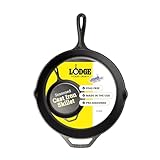
- Preheat a large cast iron skillet over medium-high heat. Add the olive oil and 2 tablespoons of butter.
- Once the butter is melted and sizzling, carefully sear the chicken for 4-6 minutes per side, until golden brown and cooked through (internal temperature reaches 165°F). Do not overcrowd the pan; cook in batches if necessary. Transfer the cooked chicken to a plate.
- Reduce heat to medium-low. Add the remaining 4 tablespoons of butter to the skillet. Once melted, sauté the minced garlic for about 30-60 seconds until aromatic. Do not let it brown or burn.
- Deglaze the pan by pouring in the chicken broth and lemon juice, scraping up any browned bits (fond) from the bottom of the skillet.
- Simmer the sauce for 2-3 minutes, allowing it to reduce slightly. Return the chicken to the pan, spooning the garlic butter sauce over the top.
- Garnish with fresh parsley and serve immediately.
Pro-Tip: The golden brown crust you get from searing isn’t just for looks; it’s a chemical process called the Maillard reaction which creates hundreds of new flavor compounds. Don’t skip this step, as it builds the foundational flavor profile of the entire dish.
2. Prevent Dry Chicken: Guarantee Juicy Results with Temperature Control

Save this essential chef’s tip to never eat dry chicken again!
The number one complaint with chicken breast is that it becomes dry and rubbery. This single tool and technique will solve that problem forever.
What You Need
- 1 reliable instant-read meat thermometer
Steps to Ensure Juiciness
- About 1 minute before you think the chicken is done cooking on the second side, insert the tip of the meat thermometer into the thickest part of the chicken breast, avoiding bone.
- The chicken is perfectly cooked and safe to eat when the internal temperature reaches 165°F (74°C).
- Immediately remove the chicken from the heat source once it hits this temperature. The chicken will continue to cook slightly after being removed from the pan.
Pro-Tip: This “after-cooking” is called carryover cooking. By pulling the chicken from the pan at exactly 165°F, you prevent the temperature from climbing to 175°F or higher, which is what causes proteins to seize up and squeeze out moisture, resulting in dry chicken.

3. Create a Flavorful Sauce: How to Avoid Burnt Garlic

Pin this tip for the perfect garlic butter sauce!
A bitter taste from burnt garlic can ruin the entire dish. The secret to a sweet, savory sauce is all in the heat management.
What You Need
- Fresh garlic cloves
- Unsalted butter
- A properly heated pan
Steps for Perfect Garlic Sauce
- After searing the chicken and removing it from the pan, turn the heat down to medium-low. This is the most critical step.
- Add the butter and let it melt completely before adding the garlic.
- Sauté the minced garlic for only 30-60 seconds, stirring constantly. You should pull it from the heat or deglaze the pan with your liquid (like chicken broth) the moment it becomes fragrant and before it starts to brown.
Pro-Tip: Garlic has very little water and a high sugar content, which is why it goes from fragrant to burnt and bitter in seconds. Cooking it over lower heat and for a shorter time than other aromatics (like onions) is the key to a sweet, savory flavor profile.

4. Experiment with Easy Recipe Variations

Love this recipe? Pin these easy variations for next time!
Once you’ve mastered the base recipe, it’s easy to adapt it to different tastes and dietary needs. Here are a few simple ideas.
What You Need
- For Creamy Parmesan: 1/4 cup heavy cream, 1/4 cup grated Parmesan cheese
- For Spicy Honey: 1 tsp red pepper flakes, 1 tbsp honey
- For Keto-Friendly Lemon Herb: 1 extra tbsp lemon juice, 1 tsp dried oregano (ensure broth is no-sugar)
How to Adapt the Sauce
- For a Creamy Parmesan Sauce: After deglazing the pan with broth, stir in the heavy cream and parmesan cheese. Simmer until the sauce is slightly thickened and creamy.
- For a Spicy Honey Garlic Sauce: Whisk the red pepper flakes and honey into the garlic butter sauce during the final minute of simmering.
- For a Keto-Friendly Lemon Herb Sauce: This recipe is already low carb. To enhance it, simply add the extra lemon juice and oregano along with the chicken broth. Serve with zucchini noodles instead of pasta or potatoes.
Pro-Tip: When adding cheese or cream, keep the heat low to prevent the sauce from splitting or becoming grainy. A gentle simmer is all you need to achieve a smooth, creamy emulsification.

5. Choose the Perfect Side Dish to Complete the Meal

Pin these perfect pairing ideas for your garlic butter chicken dinner!
Knowing what to serve with garlic butter chicken is key to creating a balanced, satisfying meal. The rich sauce begs for something to soak it up or a fresh element to cut through it.
What You Need
- For Starchy Sides: Baby potatoes, egg noodles, orzo, jasmine rice.
- For Vegetable Sides: Asparagus, broccoli, green beans.
- For a Fresh Side: Mixed greens, cherry tomatoes, cucumber, simple vinaigrette.
How to Prepare the Sides
- For a Starchy Base: Boil pasta or rice according to package directions. For potatoes, roast them with olive oil, salt, and pepper at 400°F until tender. These are perfect for soaking up every last drop of the garlic butter sauce.
- For a Simple Vegetable: Toss asparagus or broccoli with olive oil and salt. Roast alongside the potatoes or steam them for 5-7 minutes until tender-crisp.
- For a Balancing Salad: A simple green salad with a bright, acidic vinaigrette complements the richness of the butter sauce perfectly.
Pro-Tip: If you choose to serve with pasta, reserve 1/4 cup of the starchy pasta water. Whisking this into your garlic butter sauce is a classic Italian technique that helps the sauce cling to the noodles for a perfect creamy parmesan pasta-like consistency.

6. Properly Store and Reheat Leftovers for a Great Next-Day Meal

Don’t let leftovers go to waste! Pin these storage and reheating tips.
This dish is meal prep friendly and tastes fantastic the next day, but only if you reheat it correctly to avoid rubbery chicken.
What You Need
- Airtight storage containers
- Refrigerator or freezer
Steps for Storage and Reheating
- Store: Allow the chicken to cool completely, then place it in an airtight container with the sauce. Store in the refrigerator for up to 3-4 days.
- Reheat on Stovetop (Best Method): Place the chicken and sauce in a skillet over low heat. Add a splash of water or chicken broth. Cover and heat gently for 5-7 minutes, or until warmed through. This method prevents the chicken from becoming rubbery.
- Freeze: You can freeze the cooked chicken for up to 3 months. However, be aware that butter-based sauces can sometimes separate upon thawing. Thaw in the refrigerator overnight before reheating.
Pro-Tip: To make this recipe even more meal prep friendly, you can slice the leftover chicken and serve it cold over a salad for a quick and delicious lunch the next day. The flavors meld overnight and are just as good.

7. Make it a Complete One-Pan Meal with Vegetables

One pan, less cleanup! Pin this tip for making a complete meal.
For the ultimate time-saver, turn this into a true one pan dinner by adding vegetables directly to the skillet.
What You Need
- 2 cups of quick-cooking vegetables (e.g., broccoli florets, sliced bell peppers, asparagus pieces, green beans)
Steps for a One-Pan Meal
- Sear the chicken as directed in the core recipe and set it aside.
- Before you add the garlic, add your chosen vegetables to the hot skillet. Sauté for 3-4 minutes until they are tender-crisp.
- Proceed with adding the garlic, deglazing the pan, and simmering the sauce. Return both the chicken and the cooked vegetables to the pan to coat everything in the sauce before serving.
Pro-Tip: For heartier vegetables like carrots or potatoes, it’s best to chop them small and add them to the pan for 5-7 minutes before adding faster-cooking vegetables like broccoli to ensure even cooking.

Key Takeaways: Your Quick Guide to Perfect Garlic Butter Chicken
To guarantee success, focus on these five critical points. They represent the core techniques that separate a decent meal from a truly fantastic one, ensuring your Garlic Butter Chicken is juicy, flavorful, and perfect every time.
- Sear on Medium-High Heat for Flavor – Don’t be afraid of a hot pan. Searing the boneless skinless chicken until golden brown creates the Maillard reaction, which is the foundation of the dish’s deep, savory flavor.
- Use a Meat Thermometer to Guarantee Juiciness – The single best way to prevent dry chicken is to cook it to a precise internal temperature of 165°F. This is a non-negotiable step for juicy results.
- Control Your Heat for the Sauce – Turn the heat down to medium-low before adding your minced garlic. Cook it for only 30-60 seconds to make it aromatic without it becoming bitter from burning.
- Deglaze the Pan to Build Flavor – After cooking the chicken, use chicken broth or white wine to scrape up the browned bits (fond) from the bottom of the skillet. This is a chef’s secret for an intensely flavorful pan sauce.
- Butter is for Flavor, Oil is for Searing – Start by searing the chicken in a mix of olive oil (which has a higher smoke point) and a little butter. Add the majority of the butter at the end to create the sauce, ensuring a rich flavor without burning.
People Also Ask About Garlic Butter Chicken
Here are answers to some of the most common questions about making perfect Garlic Butter Chicken.
What to serve with garlic butter chicken?
The best sides for garlic butter chicken are those that can soak up its delicious sauce or provide a fresh contrast. Starchy options like mashed potatoes, pasta, or rice are excellent choices. For vegetables, roasted asparagus, steamed broccoli, or green beans work wonderfully. A simple green salad with a vinaigrette can also cut through the richness of the butter.
Is garlic butter chicken keto-friendly?
Yes, this garlic butter chicken recipe is naturally very low in carbohydrates and is considered keto-friendly. To keep the entire meal keto, ensure you use a no-sugar-added chicken broth and serve it with low-carb sides like zucchini noodles, cauliflower rice, or a leafy green salad instead of potatoes or pasta.
How do you keep chicken breast juicy and not dry?
The key to juicy chicken is to not overcook it; use an instant-read meat thermometer. Cook the chicken breast until its internal temperature reaches 165°F (74°C) at the thickest part. Remove it from the heat immediately. Pounding the chicken to an even thickness also helps it cook more evenly, preventing the thinner parts from drying out while the thicker part cooks through.
Can I use chicken thighs instead of breasts?
Absolutely, chicken thighs are an excellent substitute and are often more forgiving than breasts. Boneless, skinless chicken thighs are naturally juicier due to their higher fat content. They may require a slightly longer cooking time, so always rely on a meat thermometer to confirm they have reached an internal temperature of at least 165°F.
How do I make the garlic butter sauce from scratch?
To make the sauce, simply use the same pan you cooked the chicken in. After removing the chicken, lower the heat and melt 4-6 tablespoons of butter. Sauté 6-8 minced garlic cloves for 30-60 seconds until fragrant. Pour in 1/2 cup of chicken broth to deglaze the pan, scraping up any browned bits. Simmer for 2-3 minutes to reduce, then stir in fresh parsley and a squeeze of lemon juice.
What’s the difference between butter chicken and garlic butter chicken?
They are two very different dishes. Authentic Indian Butter Chicken has a creamy, tomato-based sauce with a complex blend of spices like garam masala, turmeric, and cumin. Garlic Butter Chicken is a much simpler Western dish where the primary flavors of the sauce are simply butter, garlic, and often lemon and parsley.
Can you freeze garlic butter chicken?
Yes, you can freeze the cooked chicken for up to 3 months. Allow the dish to cool completely before storing it in a freezer-safe, airtight container. Be aware that cream or butter-based sauces can sometimes separate a little when thawed. For best results, thaw overnight in the refrigerator and reheat gently in a skillet on the stove.
How do I prevent the garlic from burning?
The trick is to manage your heat and timing. After searing the chicken, turn the skillet heat down to medium-low before adding the butter and garlic. Sauté the garlic for just 30-60 seconds, or until you can smell its aroma. Immediately add your liquid (like chicken broth) to stop the cooking process and prevent the garlic from turning brown and bitter.
Can I make this in an air fryer?
Yes, you can adapt this recipe for an air fryer, though the sauce method will change. Season the chicken and air fry at 380°F for 15-20 minutes, flipping halfway, until it reaches 165°F. While the chicken cooks, prepare the garlic butter sauce in a small saucepan on the stove. Once the chicken is done, toss it in the prepared sauce to coat.
What kind of wine works best for the sauce?
A dry white wine is the best choice for deglazing the pan. A crisp Sauvignon Blanc or Pinot Grigio works perfectly. Use it in place of or in addition to the chicken broth. The wine’s acidity adds a wonderful depth of flavor and helps lift all the flavorful browned bits from the bottom of the pan.
Final Thoughts on Your New Favorite Weeknight Dinner
You now have more than just a recipe; you have a proven technique for making perfect Garlic Butter Chicken. By focusing on proper searing, temperature control, and heat management for the sauce, you’re equipped to get a tender, juicy, and incredibly flavorful meal on the table any night of the week. This isn’t just an easy chicken recipe—it’s a reliable method for creating a family favorite that tastes like it came from a restaurant.
What’s your favorite side to serve with a rich chicken dish? Share your ideas in the comments below
Last update on 2026-09-06 at 21:30 / Affiliate links / Images from Amazon Product Advertising API
