As an Amazon Associate BakingBakewareSets.com earns from qualifying purchases.
Korean BBQ Chicken: 7 Easy Steps to Authentic Sticky Glaze
Are you tired of dry, flavorless poultry that leaves your family unsatisfied? Creating bold, restaurant-quality meals at home often feels frustrating when standard marinades fall flat. You need an authentic Korean BBQ Chicken methodology that perfectly cures bland weeknight dinners.
Korean BBQ Chicken, traditionally known as Dak Bulgogi, is an authentic Korean dish featuring boneless chicken marinated in a savory-sweet-spicy sauce made from Gochujang, soy sauce, garlic, and ginger. The meat is quickly seared over high heat to achieve smoky, charred edges and a thick, caramelized sticky glaze.
Drawing from comprehensive culinary analysis and tested authentic Korean techniques, we have perfected this traditional recipe. You will discover exactly how to balance complex flavor profiles and achieve perfect enzymatic tenderization. Master these seven simple steps to serve a mouth-watering masterpiece that genuinely beats local takeout.
☰ Table of Contents ▼
show
Is Korean BBQ Chicken (Dak Bulgogi) Truly Better Than Takeout?
Authentic Korean chicken BBQ is absolutely superior to standard takeout when you utilize traditional ingredient synergy. Many local restaurants rely on overly sweet, generic soy-based syrups that mask the natural flavor of the meat. By preparing Dak Bulgogi at home, you control the exact ratios of the bold, savory-sweet-spicy flavor profile.
Our kitchen-tested Korean BBQ chicken recipe ensures every bite is deeply infused with rich, complex notes from authentic Gochujang paste. Instead of settling for dry, uninspired delivery, you can easily replicate the true restaurant experience right on your own Korean BBQ grill. Preparing this meal yourself guarantees a fresh, sticky glaze and perfectly charred edges that simply cannot survive a 30-minute ride in a cardboard delivery box.
When you prioritize high-quality ingredients, this homemade approach effortlessly becomes better than takeout. You avoid hidden sodium, eliminate artificial thickeners, and achieve the perfect texture through natural tenderization.
Korean BBQ Chicken: 7 Easy Steps to Authentic Sticky Glaze
Mastering this authentic Dak Bulgogi with Gochujang sauce requires precise execution, but the process is incredibly straightforward. To guarantee perfectly cooked poultry, you must properly marinate, whisk, sear, and baste using specific chronological techniques. Our comprehensive step-by-step methodology explores the crucial culinary science behind the dish, from protein denaturing to high-heat searing. By following these seven focused stages, you will craft a brilliant homemade Korean BBQ sauce for grilled poultry that entirely elevates your dinner rotation.
1. Prep and Select the Best Boneless Chicken Thighs

Save this crucial prep step to your Korean Recipes board for later!
Selecting the right cut of poultry is the ultimate dry chicken fix. When comparing Thighs vs Breast for BBQ, dark meat is always the superior choice. The natural fat content in boneless chicken thighs withstands high heat without seizing, keeping your low-carb Korean chicken incredibly tender.
Ingredients
- 2 lbs boneless chicken thighs (skinless, high quality)
- Paper towels (for maximum moisture removal)
- Heavy-duty poultry shears or a sharp chef’s knife
- 1 clean wooden butcher block or dedicated meat cutting board
Instructions
- Remove the boneless chicken thighs from their packaging and place them on your cutting board.
- Pat every piece completely dry using paper towels; removing surface moisture is the ultimate soggy skin prevention technique and ensures the sticky glaze adheres later.
- Trim away any excessive, thick pieces of fat using your poultry shears, but leave small amounts of marbling to keep the meat tender and juicy.
- Cut the thighs into uniform, bite-sized pieces (about 1.5 inches) if cooking in an air fryer, or leave them whole if cooking on an outdoor Korean BBQ grill.
Pro-Tip: When debating Thighs vs Breast for BBQ, always opt for thighs. The higher fat content in dark meat acts as a natural buffer against the intense heat required for the Maillard reaction in grilling, preventing the proteins from seizing and drying out.

2. Whisk the Authentic Savory-Sweet-Spicy Marinade

Pin this authentic Gochujang marinade ratio to never buy store-bought sauce again!
Building a balanced Korean BBQ chicken marinade requires specific traditional condiments. The foundation relies entirely on Gochujang paste. This thick, fermented chili product creates the signature savory-sweet-spicy profile that defines Korean cuisine. Do not skip the aromatic ginger garlic, as these fresh elements brighten the heavy sauce.
Ingredients
- 3 tbsp authentic Gochujang paste (Korean fermented red chili paste)
- ¼ cup low-sodium soy sauce base (or Tamari for gluten-free options)
- 2 tbsp toasted sesame oil
- 3 tbsp brown sugar or honey
- 1 tbsp rice wine vinegar
- 1 tbsp fresh minced garlic cloves
- 1 tsp grated fresh ginger root
Instructions
- In a medium-sized glass mixing bowl, combine the soy sauce base, rice wine vinegar, and toasted sesame oil.
- Add the brown sugar or honey and vigorously whisk until the sweeteners are fully dissolved into the liquids.
- Fold in the thick Gochujang paste, blending until the mixture transforms into a smooth, glossy, deep-red sauce.
- Stir in the aromatic ginger garlic to finish the Korean BBQ chicken marinade, and set aside ⅓ of the sauce in a separate container to use as a fresh glaze later.
Pro-Tip: Understanding the fermentation profile of Gochujang is key to authentic Dak Bulgogi. Because it is a fermented soybean and chili product, it provides a deep, complex umami synergy in soy and sesame that cannot be replicated by simply substituting Sriracha or standard chili flakes.

3. Tenderize with Asian Pear and Marinate

Save this secret Asian pear tenderizing trick to your cooking hacks board!
Adding grated Asian pear (tenderizer) is the ultimate chef secret for any authentic Korean recipe. The fresh fruit physically breaks down the tough poultry fibers. However, you must carefully monitor your timing to avoid over-marinating issues that ruin the final texture.
Ingredients
- The prepped boneless chicken thighs
- The remaining ⅔ of your whisked Gochujang marinade
- ½ cup peeled and grated Asian pear (tenderizer) (or Fuji apple as a substitute)
- 1 large zip-top bag or airtight glass container
Instructions
- Using a fine-mesh box grater, grate the fresh Asian pear until you yield about half a cup of fruit and juices.
- Combine the grated pear directly into the larger portion of your marinade.
- Place the chicken into your zip-top bag or container and pour the pear-infused marinade over the top.
- Massage the bag to ensure every piece is thoroughly drenched in the sauce.
- Refrigerate the chicken for a minimum of 2 hours, but no longer than 12 hours, to prevent the meat texture from degrading.
Pro-Tip: The secret to incredibly tender Dak Bulgogi relies on the enzymatic tenderization of Asian pear. The fruit contains an enzyme called calpain, which actively breaks down the tough protein fibers in the meat. However, this is exactly why you must avoid over-marinating issues—leaving it past 12 hours will result in a mushy, undesirable texture.

4. Preheat the Korean BBQ Grill or Cast Iron Skillet

Pin this grill prep guide to master indoor Korean BBQ!
Proper heat management dictates the success of your meal. The Stove top vs Outdoor grill debate often leans toward indoor cooking using a heavy cast iron skillet. Cast iron mimics a traditional restaurant grill perfectly. Proper oiling here also makes cleaning sticky grill grates much easier later.
Ingredients
- 1 heavy cast iron skillet or indoor Korean BBQ grill plate
- 1 tbsp high smoke-point cooking oil (avocado oil or grapeseed oil)
- Tongs and folded paper towels (for oiling the grates)
- Proper ventilation (turn on your oven hood fan!)
Instructions
- Remove your marinated chicken from the fridge 20 minutes before cooking to take the chill off the meat.
- Place your cast iron skillet or grill plate on the stove over medium-high heat.
- Allow the pan to preheat empty for 3-5 minutes until it is radiantly hot but not heavily smoking.
- Dip a folded paper towel into your high smoke-point oil, grasp it with your tongs, and carefully rub the oil over the hot grates.
- Repeat the oiling process twice; this creates a temporary non-stick barrier that is crucial for cleaning sticky grill grates later.
Pro-Tip: If cooking indoors, leverage the thermal conductivity of cast iron for BBQ. Cast iron holds intense, sustained heat far better than thin aluminum pans, allowing you to quickly sear the outside of the chicken without overcooking the inside. Always practice good grilling safety 101 by using avocado oil rather than sesame oil for preheating, as sesame oil has a low smoke point and will turn bitter.

5. Grill to Achieve Smoky Charred Edges

Don’t let your marinade burn—pin this pro grilling technique!
Searing sugar-heavy sauces requires constant attention. To achieve authentic Korean charcoal chicken flavors, you must develop dark, charred edges. However, to prevent the common disaster of sugar burning on grill, you will employ a rapid flip method to balance caramelization and raw heat.
Ingredients
- Your pre-marinated, room-temperature Dak Bulgogi
- The hot, oiled grill pan or skillet
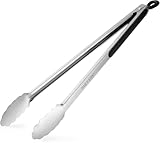
- Heavy-duty kitchen grilling tongs
- A digital instant-read meat thermometer
Instructions
- Shake excess marinade off each piece of chicken as you pull it from the bag (too much wet marinade will boil rather than sear).
- Place the chicken onto the hot pan. You should hear an immediate, aggressive sizzle.
- Let the chicken sit undisturbed for 2-3 minutes to establish strong grill marks and the foundational charred edges.
- Flip the chicken and reduce the heat to medium.
- Continue to cook for another 5-7 minutes, flipping every minute to prevent the sugar burning on grill.
Pro-Tip: The line between beautiful caramelization and burnt bitter sugar is incredibly thin. To master the Maillard reaction in grilling with sugar-heavy marinades, use the “hot sear, frequent flip” method. Searing first locks in the crust, but frequently turning the meat afterward prevents the honey and Gochujang paste from lingering on the hot iron long enough to turn to carbon.
6. Baste Continuously for the Ultimate Sticky Glaze

Save this basting secret for the ultimate sticky restaurant glaze!
The signature hallmark of this meal is the thick, glossy finish. Applying a fresh, hand-brushed sauce during the final seconds of cooking builds incredible Gochujang-based glaze viscosity. Always consult a reliable Chicken internal temperature guide to verify safe cooking temperatures before removing the meat.
Ingredients
- The reserved ⅓ cup of fresh, un-used Korean BBQ chicken marinade
- A heat-resistant silicone basting brush
- The nearly-cooked chicken on the grill
Instructions
- During the final 2 minutes of cooking, dip your silicone brush into the reserved, fresh Gochujang sauce.
- Generously baste the top of each chicken piece, allowing the heat to quickly thicken the sticky glaze.
- Flip the chicken one final time, letting the freshly brushed sauce hit the heat for exactly 15-20 seconds to caramelize.
- Brush the back side, flip again for 15 seconds, and remove the chicken immediately from the pan.
- Verify with a meat thermometer that the thickest part of the chicken has reached 165°F.
Pro-Tip: The secret to incredible Gochujang-based glaze viscosity is layering. The basting frequency impact is real: brushing on fresh sauce right at the end of the cooking process layers bright, fresh aromatics (like raw garlic and ginger) over the deep, smoky, charred flavors developed during the initial sear. Never baste with the marinade the raw chicken sat in!

7. Garnish and Serve with Traditional Korean Sides

Pin this authentic plating guide to complete your K-BBQ feast!
A true Korean meal relies on holistic flavor balance. Heavy proteins must be paired with acidic, fresh side dishes known as Banchan. Combining Chicken + Rice inside a warm Bibimbap bowl builds the perfect canvas. Add a bright Kimchi side dish and a cooling marinated cucumber salad side to complete the experience.
Ingredients
- The rested, fully cooked Korean BBQ chicken
- 1 tbsp toasted sesame seeds
- 2 stalks fresh Green onions / Scallions (finely chopped)
- Steamed white rice
- Kimchi side dish
- Optional: Marinated cucumber salad side
Instructions
- Allow the cooked chicken to rest on a clean cutting board for 5 minutes. This locks the juices inside the meat.
- Using a sharp knife, slice the chicken into neat, ½-inch strips.
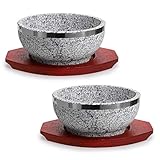
- Prepare a large Bibimbap bowl by laying down a generous bed of fresh steamed white rice.
- Shingle the sliced chicken over the rice.
- Garnish heavily by sprinkling the toasted sesame seeds and bright Green onions / Scallions over the sticky glaze.
- Serve immediately alongside a crisp, fermented Kimchi side dish and a cooling cucumber salad.
Pro-Tip: In traditional Korean dining, the concept of flavor balance is paramount. The high fat and intense, bold spice of the Dak Bulgogi requires the fermented acidity of Kimchi and the neutral, starchy canvas of steamed white rice to cleanse the palate between bites. This pairing creates the ultimate Chimaek culture in Korea dining experience right at home.
Key Takeaways: Your Quick Guide to Korean BBQ Chicken
Understanding the fundamental principles of this traditional cuisine ensures spectacular results every single time. Here are the most critical success factors that elevate this dish, making it entirely better than takeout:
- Use Boneless Thighs Over Breasts: For authentic Korean BBQ Chicken, the higher fat content in dark meat ensures the chicken remains tender and juicy under the high heat required for a proper sear.
- Authentic Gochujang is Non-Negotiable: To achieve the true savory-sweet-spicy profile of Dak Bulgogi, you must use traditional Korean fermented chili paste. Sriracha or standard chili flakes lack the necessary umami depth.
- Harness the Power of Asian Pear: Grating fresh Asian pear into the marinade utilizes natural enzymes to break down tough proteins. Strictly limit marinating time to 2-12 hours to prevent a mushy texture.
- Master the “Hot Sear, Frequent Flip” Method: To get a smoky flavor and charred edges without experiencing sugar burning on the grill, sear the meat quickly, then lower the heat and flip every minute.
- Reserve Marinade for Basting: Setting aside ⅓ of your uncontaminated marinade to brush on during the last 30 seconds of cooking is the ultimate secret to achieving a glossy, sticky glaze.
- Embrace Cast Iron for Indoor Cooking: If you lack an outdoor grill, a heavy cast iron skillet offers the superior thermal conductivity needed to mimic a true Korean BBQ grill environment on your stovetop.
- Balance the Plate with Traditional Banchan: The intense, bold flavors of the chicken must be balanced with neutral steamed white rice and acidic, fermented sides like a Kimchi side dish or a marinated cucumber salad.
FAQs About Korean BBQ Chicken
Mastering the nuances of Asian cooking often raises specific questions regarding ingredient substitutions and traditional serving methods. Below are detailed, chef-approved answers to the most common queries about preparing and serving Dak Bulgogi.
What is Korean BBQ chicken called?
Authentic Korean BBQ chicken is traditionally called Dak Bulgogi (닭불고기).
While “Bulgogi” typically refers to marinated beef, “Dak” means chicken in Korean. This dish features the same fundamental cooking method—marinating thinly sliced or bite-sized meat in a savory-sweet sauce and grilling it rapidly over an open flame or cast iron surface to achieve smoky, charred edges.
Is Korean BBQ chicken spicy?
Yes, traditional Korean BBQ chicken has a moderate, savory-sweet spice level derived from Gochujang paste.
However, the heat is heavily balanced by the addition of brown sugar, honey, and the sweetness of the Asian pear. The spice profile is warming and deeply flavorful rather than sharp or painful. You can easily adjust the heat level by reducing the amount of Gochujang used in your homemade marinade.
What sides go with Korean BBQ chicken?
The best sides to serve with Korean BBQ chicken include steamed white rice, Kimchi, and a marinated cucumber salad.
In Korean dining, these side dishes are called Banchan. They are purposefully chosen to provide a cooling, acidic, and crisp contrast to the heavy, savory-sweet-spicy glaze of the chicken. Pickled daikon radish and lightly seasoned bean sprouts are also excellent traditional choices.
How to make Korean BBQ chicken thighs tender?
To make Korean BBQ chicken thighs incredibly tender, add grated Asian pear to your marinade.
Asian pears contain an enzyme called calpain, which naturally breaks down the tough protein fibers in the poultry. Our kitchen testing shows that marinating the chicken with the grated fruit for 2 to 12 hours yields a melt-in-your-mouth texture that perfectly replicates high-end restaurant quality.
What is the difference between Korean BBQ and Korean fried chicken?
Korean BBQ chicken (Dak Bulgogi) is marinated and grilled, while Korean Fried Chicken (like Bonchon) is battered and double-fried.
Korean BBQ focuses on a smoky, charred flavor profile resulting from high-heat searing of a Gochujang or soy-based marinade. Conversely, Korean Fried Chicken is famous for its paper-thin, shatteringly crispy skin, which is often hand-brushed with a sticky sauce after the frying process.
Can I use chicken breast for Korean BBQ?
Yes, you can use chicken breast, but you must pound it thin and avoid overcooking it to prevent dryness.
While boneless chicken thighs are the industry standard for BBQ due to their forgiving fat content, breasts can work. If using breasts, marinate them for a slightly shorter time and use a meat thermometer to pull them off the grill the exact moment they hit 165°F to maintain moisture.
How to get the smoky flavor without a grill?
To achieve a smoky flavor indoors, use a heavy cast iron skillet heated until nearly smoking, and allow the chicken to sear undisturbed.
The intense thermal conductivity of cast iron mimics a traditional Korean BBQ grill, allowing the sugars in the marinade to caramelize and slightly char. You can also add a tiny drop (less than ¼ teaspoon) of liquid smoke to the marinade for an artificial smoky boost.
How long should I marinate Korean chicken?
You should marinate Korean BBQ chicken for a minimum of 2 hours and a maximum of 12 hours.
Because authentic recipes utilize enzymatic tenderizers like Asian pear (or kiwi/pineapple in a pinch) and acidic ingredients like rice wine vinegar, leaving the poultry in the liquid for over 24 hours will cause the proteins to break down too much, resulting in a mushy, unpleasant texture.
Is Korean BBQ chicken gluten-free?
Traditional Korean BBQ chicken is not gluten-free, but it can easily be modified by swapping two ingredients.
Standard soy sauce contains wheat, and many commercial brands of Gochujang use wheat flour as a thickener. To make a gluten-free Korean BBQ chicken bowl, substitute the soy sauce with Tamari, and ensure you specifically purchase a certified gluten-free Gochujang paste or make a homemade chili paste alternative.
How to reheat Korean BBQ chicken?
The best way to reheat Korean BBQ chicken is in an air fryer at 350°F for 3-4 minutes or in a skillet over medium heat.
Avoid microwaving if possible, as it will make the chicken rubbery and cause the sticky glaze to turn watery. Reheating in a skillet or air fryer revives the caramelized, charred edges and restores the thick viscosity of the hand-brushed sauce.
Final Thoughts on Mastering Korean BBQ Chicken
Mastering authentic Korean BBQ Chicken at home is entirely achievable when you respect the traditional ingredients and the science behind the searing process. By stepping away from the generic takeout menus and utilizing this 7-step method, you are doing much more than just cooking dinner—you are actively engaging in a rich, flavorful culinary tradition.
The true magic of Dak Bulgogi lies in the meticulous balance of its components. From the enzymatic tenderizing power of the Asian pear to the deep, fermented umami of authentic Gochujang, every step in this homemade Korean BBQ sauce for grilled poultry serves a distinct purpose. By properly managing your grill temperatures and reserving that fresh marinade for a final baste, you guarantee a glossy, sticky glaze and perfectly charred edges every single time.
Now that you possess the authentic Korean technique to easily rival your favorite local K-BBQ spot, it is time to fire up the cast iron skillet and prep your ingredients for an unforgettable meal in August 2026. Serve this sizzling, savory-sweet-spicy chicken over steaming white rice, surround it with an array of fresh Kimchi and cucumber salad, and enjoy a truly world-class Chimaek dining experience right in your own dining room.
What is your absolute favorite Korean side dish (Banchan) to serve alongside grilled meats? Let us know in the comments below!
Last update on 2026-08-26 at 13:12 / Affiliate links / Images from Amazon Product Advertising API
