
As an Amazon Associate BakingBakewareSets.com earns from qualifying purchases.
Authentic Jamaican Curry Chicken Recipe: Easy & Vibrant
Have you ever followed a recipe for curry chicken, only for it to taste flat, pale, and nothing like the vibrant, soul-warming dish you craved? You’re not alone. Many recipes miss the key secrets that define a truly Authentic Jamaican Curry Chicken Recipe.
An authentic Jamaican Curry Chicken recipe gets its signature flavor from a unique blend of Jamaican curry powder, which is heavy on turmeric and allspice, tender chicken simmered in a rich gravy, and the fruity heat of Scotch bonnet peppers. This slow-simmered dish is known for its vibrant yellow color and deep, savory flavor profile that distinguishes it from other types of curry.
Drawing from established best practices and traditional culinary techniques, this guide breaks down the authentic process into simple, achievable steps. We will unlock the secrets to that signature deep golden color and complex, layered flavor. You will discover exactly how to create a rich, tender, and deeply satisfying curry that tastes like it came straight from a kitchen in Jamaica.
☰ Table of Contents ▼
show
What Makes an Authentic Jamaican Curry Chicken Recipe So Good?
The incredible flavor of authentic Jamaican curry chicken isn’t an accident; it’s a result of a specific combination of ingredients and techniques that set it apart from any other curry in the world. While many recipes exist online, most fail to capture the true essence of the dish because they miss the foundational elements. The magic lies in the unique spice profile of Jamaican curry powder, which must include pimento (allspice) to provide its signature warmth. This is then layered with the fruity, fiery kiss of a Scotch bonnet pepper and often enriched with creamy coconut milk. Unlike Indian curries, which might use garam masala, the Jamaican version builds its flavor on a base of turmeric, coriander, fenugreek, and that all-important allspice. Understanding these distinctions is the first step toward mastering this iconic Caribbean dish and creating a truly flavorful curry sauce that is both rich and vibrant.
The 9 Key Steps for an Authentic Jamaican Curry Chicken Recipe
Creating a truly tender Jamaican curry chicken that bursts with flavor is not about a long list of complicated ingredients, but about following a clear, step-by-step process. This guide breaks down the entire cooking journey into nine manageable actions, from preparing the marinade to serving. Each step builds upon the last, demystifying the traditional techniques used to develop that deep, savory, and unforgettable flavorful curry sauce. By following this foolproof method, you will learn not just what to do, but why you’re doing it, ensuring your final dish is a stunning success.
1. Marinate the Chicken with a Core Seasoning Blend

Pin this essential first step to your ‘Caribbean Recipes’ board!
The foundation of any great curry chicken is a deep, flavorful marinade. This isn’t just about adding flavor; it’s about tenderizing the chicken and infusing it with the core Jamaican spices that will define the entire dish. This blend of all-purpose seasoning, authentic curry powder, garlic, thyme, and lightly crushed pimento berries creates the first layer of complexity. The longer you let the chicken marinate, the more these flavors will penetrate the meat, ensuring every bite is succulent and delicious.
What You Need
- 2-3 lbs chicken, cut into pieces (bone-in thighs and drumsticks recommended for flavor).
- 1 tbsp Jamaican All-Purpose Seasoning.
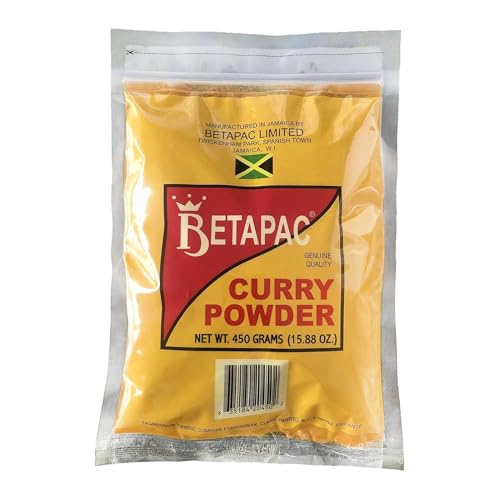
- 1 tbsp Jamaican Curry Powder (a brand like Betapac or Chief is authentic).
- 1 tsp salt and 1/2 tsp black pepper.
- 3 cloves garlic, minced.
- 1 tsp fresh ginger, grated.
- 3 sprigs fresh thyme.
- 5 whole pimento berries (allspice), lightly crushed.
- 1 medium onion, chopped.
- 3 scallions (green onions), chopped.
Steps
- Optional step: As is a traditional Jamaican practice, wash the chicken pieces with a mix of water and a splash of white vinegar or lime juice, then pat them thoroughly dry.
- In a large bowl, combine the dry chicken pieces with all the ingredients listed above.
- Use your hands to thoroughly rub the seasoning mix into every piece of chicken, ensuring it’s fully coated.
- Cover the bowl and refrigerate to marinate for at least 1 hour, or preferably overnight for the deepest flavor.
Pro-Tip: In my experience, using bone-in, dark meat like thighs and drumsticks results in a much juicier and more flavorful curry because the bones release collagen during the slow simmer, enriching the sauce.
2. “Burn the Curry” to Bloom the Flavors

Don’t skip this step! Pin it to remember the secret to authentic curry.
This is arguably the most crucial step for achieving an authentic curry flavor and deep curry chicken color. The term “burn the curry” is a traditional Jamaican phrase that doesn’t mean to actually scorch the spice. Instead, it refers to the process of toasting the Jamaican Curry Powder in hot oil to bloom its complex flavors. This simple action cooks out the raw, chalky taste of the spices, deepens their aromatic qualities, and creates the iconic, vibrant golden hue that a real Jamaican curry must have.
What You Need
- A large, heavy-bottomed pot or Dutch oven.
- 3 tbsp cooking oil (like vegetable or coconut oil).
- 1 tbsp Jamaican Curry Powder.
Steps
- Place your pot over medium heat and add the cooking oil.
- Once the oil is hot and shimmering, add the tablespoon of curry powder directly to the oil.
- Stir constantly with a wooden spoon for 60-90 seconds. The curry will become very fragrant and darken slightly. Be very careful not to let it actually burn; you are just toasting it.
- This step blooms the spice, removes any raw taste, and creates the iconic golden hue of the finished dish.
Lesson Learned: The first time I made curry, I skipped this and my dish was pale and tasted like raw spice. “Burning” the curry is a non-negotiable step; it’s the difference between curry-flavored chicken and true Jamaican Curry Chicken.

3. Sear the Chicken to Golden-Brown Perfection

Save this tip for juicy, flavorful chicken every time!
Searing the marinated chicken is about building another critical layer of flavor. When you brown the chicken in the hot, bloomed curry oil, you are creating caramelization on the surface of the meat. This process not only locks in the juices to ensure tender chicken but also develops a deep, savory crust that will enrich the final sauce. It’s important not to overcrowd the pot, as this will cause the chicken to steam rather than sear, robbing you of that essential flavor development.
What You Need
- The marinated chicken from Step 1.
- The pot with the hot, bloomed curry oil from Step 2.
- A pair of tongs.
Steps
- Before adding the chicken, quickly scrape off most of the chopped onion, scallion, and garlic from the pieces and set them aside. This prevents the aromatics from burning during the high-heat searing process.
- Carefully place the chicken pieces into the hot pot, ensuring not to overcrowd it. Work in batches if necessary.
- Sear the chicken for about 4-5 minutes per side, until a deep golden-brown crust forms.
- The chicken does not need to be cooked through at this stage. You are building flavor through caramelization.
- Once browned, remove the chicken from the pot and set it aside on a plate.
Pro-Tip: Don’t rush the browning process. Those browned bits (fond) stuck to the bottom of the pot are pure flavor. They will release into the sauce later, creating an incredibly rich gravy.

4. Sauté the Aromatics to Build the Flavor Base

The foundation of flavor! Pin this for your next stew recipe.
After searing the chicken, the pot holds a treasure trove of flavor in the residual oil and browned bits. Now is the time to build the aromatic base of your curry. By sautéing the onion, garlic, scallions, and chopped bell pepper in that same pot, you infuse the oil with their sweet and savory notes. This step, similar to creating a soffritto, forms the foundational flavor base for the stew, ensuring the final sauce is perfumed with a deep, complex character.
What You Need
- The reserved onions, scallions, and garlic from the marinade.
- 1 bell pepper (any color), chopped.
- The pot with residual oil from searing the chicken.
Steps
- Add the reserved onions, scallions, garlic, and the freshly chopped bell pepper to the hot pot.
- Sauté, stirring frequently, for about 3-5 minutes until the onions have softened and become translucent.
- Use your spoon to scrape up any of the browned bits from the bottom of the pot as the vegetables release their moisture.
- This mixture forms the aromatic foundation of your curry, infusing the entire dish with a deep, savory flavor.
Pro-Tip: If the pot seems too dry while sautéing, add a tablespoon of water or chicken broth to help deglaze the pan and prevent the aromatics from sticking.

5. Simmer with Potatoes, Carrots, and Coconut Milk

The secret to a rich and hearty sauce. Save this idea!
Now it’s time to bring all the elements together for the slow simmer. Returning the seared chicken to the pot along with potatoes, carrots, and the cooking liquid is where the magic truly happens. The potatoes are essential, as they not only make the dish hearty but also release starches that will naturally thicken curry with potatoes. Adding full-fat coconut milk creates a luxuriously creamy sauce, though many authentic recipes use only chicken stock or water for a lighter gravy. This long, gentle slow cook curry process melds all the flavors together into a cohesive, delicious whole.
What You Need
- The seared chicken and sautéed aromatics.
- 1 lb potatoes (like Yukon Gold or Russet), peeled and cut into 1-inch chunks.
- 2 medium carrots, peeled and sliced.
- 1 can (13.5 oz) full-fat coconut milk (optional, for a creamy sauce).
- 1 cup chicken broth or water.
- A few more sprigs of fresh thyme.
Steps
- Return the seared chicken pieces (and any accumulated juices from the plate) to the pot with the sautéed aromatics.
- Add the chopped potatoes and carrots.
- Pour in the coconut milk and/or chicken broth, and add the fresh thyme sprigs. The liquid should almost cover the ingredients.
- Stir everything together, bring the mixture to a boil, then immediately reduce the heat to low.
- Cover the pot and let it simmer gently.
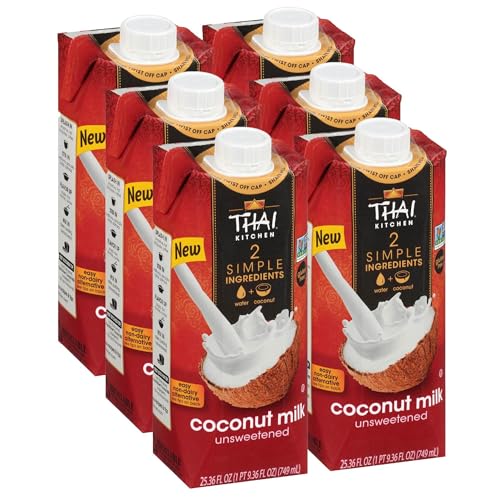
Pro-Tip: For the creamiest, richest sauce, use full-fat canned coconut milk. The light version or coconut milk from a carton will result in a much thinner gravy. If you prefer a more traditional, less creamy curry, you can omit the coconut milk and use only water or chicken broth.
6. Add the Scotch Bonnet Pepper for Authentic Heat & Aroma

Handle with care! Pin this essential tip for controlling spice.
No ingredient is more iconic to spicy Jamaican food than the Scotch bonnet pepper. However, its power must be respected. The secret to using it correctly is to add it whole to the simmering pot. This technique allows the curry to become infused with the pepper’s uniquely fruity aroma and flavor profile without releasing its overwhelming fire. This gives you complete control over the heat level, ensuring you get all of the authentic character of this fruity hot pepper without making the dish inedible for those sensitive to spice. A habanero substitute can be used if Scotch bonnets are unavailable.
What You Need
- 1 whole Scotch Bonnet pepper (or habanero as a substitute).
Steps
- After the curry has simmered for about 20-30 minutes, it’s time to add the pepper.
- For authentic flavor and mild heat: Gently place the entire, uncut Scotch bonnet pepper into the pot. Let it float on top as the curry continues to simmer. This will infuse the sauce with the pepper’s signature fruity aroma without releasing overwhelming heat.
- For medium heat: Pierce the pepper once with a small knife before adding it whole.
- For high heat: Finely chop a small piece of the pepper (removing the seeds and membrane to control the heat) and stir it into the sauce. Be very cautious, as this will make the dish significantly spicier.
Lesson Learned: NEVER burst the whole pepper in the pot unless you want a five-alarm fire in your mouth. Removing it before serving is key. The goal is to get the flavor of the Scotch bonnet, which is fruity and distinct, not just its raw heat.

7. Finish the Simmer and Thicken the Gravy

The perfect consistency. Save this finishing touch!
This is the final cooking stage where all the flavors come together and the gravy reaches its perfect consistency. You’ll know the curry is ready when the chicken is fall-off-the-bone tender chicken, the potatoes are easily pierced with a fork, and the sauce is thick enough to coat the back of a spoon. If your sauce is a bit thin, don’t worry. A simple trick is to reduce sauce by simmering it with the lid off for a few minutes, which allows excess water to evaporate and the gravy to concentrate.
What You Need
- The simmering pot of curry.
Steps
- Continue to simmer the curry on low, covered, for another 20-30 minutes after adding the Scotch bonnet pepper.
- The total simmer time should be around 45-60 minutes.
- The curry is ready when the chicken is fall-off-the-bone tender and the potatoes can be easily pierced with a fork.
- If the gravy is thinner than you’d like, remove the lid and let it simmer for another 5-10 minutes to allow some of the liquid to evaporate and reduce.
- Carefully remove and discard the whole Scotch bonnet pepper and the thyme sprigs before serving.
Pro-Tip: For an extra-thick gravy, take a few pieces of cooked potato out of the pot, mash them with a fork, and stir them back into the sauce. The starch from the mashed potatoes will thicken the gravy beautifully and naturally.

8. Garnish and Rest Before Serving

The fresh finish that makes all the difference!
The finishing touches are what elevate a good dish to a great one. Adding a garnish for curry, like fresh, sharp chopped scallions, at the very end provides a burst of bright flavor and color that cuts through the richness of the stew. Equally important is to let the stew rest off the heat for a few minutes before serving. This allows the flavors to settle and meld, and the sauce will continue to thicken slightly as it cools, resulting in a more cohesive and flavorful dish.
What You Need
- The finished pot of curry.
- 2-3 scallions (green onions), thinly sliced.
Steps
- Turn off the heat.
- Stir in the freshly sliced scallions. This adds a final layer of bright, oniony flavor and a pop of color.
- Place the lid back on the pot and let the curry rest for 5-10 minutes before serving.
- This resting period is crucial; it allows the flavors to meld together and the sauce to thicken slightly more as it cools.
Pro-Tip: Some traditional recipes also finish with a pat of butter stirred in at the end to add an extra layer of richness and a glossy sheen to the sauce.

9. Serve with Authentic Jamaican Side Dishes

The perfect pairing! Pin this for complete meal inspiration.
Knowing what to serve with curry chicken is key to creating a complete, authentic meal. The rich, savory gravy is perfect for soaking up, making steamed white rice or, most traditionally, Jamaican Rice and Peas the ideal companion. For a touch of sweetness to balance the spice, nothing beats a side of golden fried plantains. This combination of savory, spicy, and sweet is a hallmark of Jamaican cuisine. Alternatively, a soft, flaky roti is perfect for scooping up every last bit of the chicken and delicious sauce.
What You Need
- The finished, rested Jamaican Curry Chicken.
What To Do
- Steamed White Rice: The simplest and most common pairing, perfect for soaking up every last drop of the delicious curry gravy.
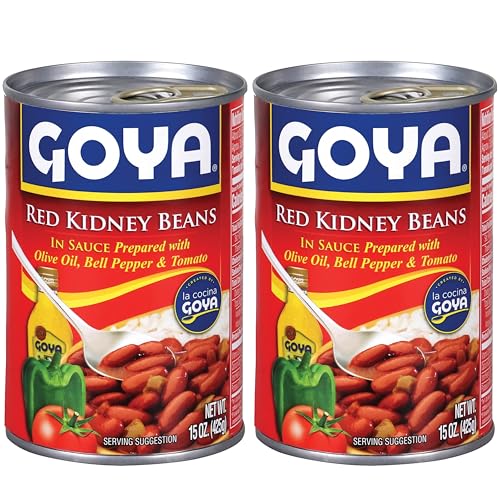
- Jamaican Rice and Peas: The ultimate authentic side dish. This is rice cooked with kidney beans, coconut milk, thyme, and scallions, creating a flavorful and fluffy companion to the curry.
- Fried Plantains: Sweet, caramelized fried plantains offer a wonderful sweet contrast to the savory, spicy curry.
- Roti: This soft, flaky flatbread is perfect for scooping up the chicken and sauce.
- Jamaican Steamed Cabbage: A simple side of cabbage steamed with carrots and bell peppers provides a fresh, crunchy counterpoint to the rich stew.
Pro-Tip: To make a quick “Rice and Peas,” simply add a can of rinsed kidney beans and a half cup of coconut milk to your rice cooker along with the water when making your white rice.
Key Takeaways: Your Quick Guide to Perfect Jamaican Curry Chicken
- Use Authentic Jamaican Curry Powder: This is the most critical step. Do not substitute with Indian or other curry powders. Look for brands that are high in turmeric and contain pimento (allspice) for that signature earthy, warm flavor.
- “Burn the Curry” Before Adding Chicken: Toasting the curry powder in hot oil for 60-90 seconds is a non-negotiable technique. It blooms the spices, removes any raw taste, and gives the dish its deep golden color.
- Marinate for Maximum Flavor: A long marinade (at least one hour, overnight is best) with a blend of all-purpose seasoning, garlic, thyme, and pimento allows the flavors to penetrate the chicken, making it tender and delicious from the inside out.
- Control Heat with a Whole Scotch Bonnet: Add the Scotch bonnet pepper whole to the simmering stew to infuse it with the pepper’s unique fruity aroma without overwhelming heat. Remove it before serving.
- Simmer Low and Slow: A gentle, slow simmer is key. It tenderizes the chicken, allows the potatoes to thicken the gravy naturally, and melds all the complex flavors into a rich, cohesive sauce.
People Also Ask About Authentic Jamaican Curry Chicken Recipe
What is the difference between Jamaican curry and Indian curry?
The primary difference lies in the curry powder blend and the type of heat. Jamaican curry powder is heavier on turmeric and must contain pimento (allspice), giving it an earthier, warmer flavor. Indian curry powders often use a wider range of spices like garam masala. Furthermore, Jamaican curry gets its signature fruity heat from fresh Scotch bonnet peppers, while many Indian curries use dried chili powders for a different kind of spice.
Do you have to “burn” the curry powder?
Yes, for an authentic taste and color, this step is essential. The technique, better described as “blooming,” involves toasting the curry powder in hot oil before adding other ingredients. This cooks out the raw spice flavor, deepens the taste, and is responsible for the signature vibrant yellow color of the finished dish. Skipping this will result in a paler, less flavorful curry.
Can I make Jamaican curry chicken without coconut milk?
Absolutely. Many traditional, household Jamaican curry chicken recipes do not use coconut milk. Using only water or chicken broth will result in a delicious but lighter, less creamy gravy, which some people prefer. Adding coconut milk creates a richer, creamier sauce. The choice depends entirely on your personal preference.
What is the best cut of chicken for curry?
Bone-in, dark meat like chicken thighs and drumsticks are highly recommended. Dark meat has more fat, which keeps it juicy and tender during the long simmering process. The bones also release collagen and flavor into the sauce, creating a richer gravy. While you can use boneless chicken, chicken breast is not ideal as it can become dry.
How do I make my curry chicken gravy thick?
The best natural way is to use starchy potatoes in the recipe. As they cook, the potatoes release starch which naturally thickens the sauce. If your gravy is still too thin at the end, you can mash a few pieces of the cooked potato and stir them back in, or simply simmer the curry uncovered for the last 5-10 minutes to allow the sauce to reduce.
Is Jamaican curry chicken very spicy?
It can be, but you have full control over the heat level. The spiciness comes from the Scotch bonnet pepper. If you add the pepper whole and remove it before serving, the dish will have a mild, aromatic warmth. To increase the spice, you can pierce the pepper or chop it up, but be aware that this will release significantly more heat. You can also omit it entirely for a non-spicy version.
Why isn’t my curry chicken yellow?
The vibrant yellow color comes from two key things: using a Jamaican curry powder with a high turmeric content and “burning” the curry. Turmeric is what gives curry its characteristic color. Toasting the powder in hot oil helps that color infuse the oil, which then coats every ingredient, resulting in a deep, golden-yellow hue throughout the dish.
What can I use if I can’t find Scotch bonnet peppers?
The closest substitute for a Scotch bonnet pepper is a habanero pepper. They share a similar heat level (100,000–350,000 Scoville Heat Units) and a comparable fruity flavor profile. If you want the fruity notes with less heat, you can also finely dice a small amount of red bell pepper and add a pinch of cayenne.
How long should I marinate the chicken?
For the best results, marinate the chicken overnight in the refrigerator. This gives the spices ample time to deeply penetrate the meat, resulting in a more flavorful and tender final product. If you are short on time, a minimum of one hour is recommended to still get a good flavor infusion.
What are pimento berries?
Pimento berries are the dried, unripe fruit of the Pimenta dioica tree, and they are more commonly known as allspice. They are a cornerstone ingredient in Jamaican cuisine, including jerk seasoning and curry powder. They have a complex flavor reminiscent of cinnamon, nutmeg, and cloves, which provides the signature warmth in Jamaican curry that sets it apart.
Final Thoughts on Your Jamaican Culinary Adventure
Mastering an authentic Jamaican curry isn’t about overly complex steps or rare, unattainable ingredients. It’s about respect for the process. The secret to this easy curry recipe lies in using the right Jamaican curry powder and embracing a few key techniques: marinating deeply, blooming the spices correctly, and simmering slowly. By following these steps, you are no longer just making a meal; you are recreating a celebrated piece of flavorful Caribbean food. You are now equipped with the knowledge to create a vibrant, tender, and deeply satisfying curry chicken with confidence. What’s your favorite side dish to serve with curry? Let us know in the comments below
Last update on 2026-08-01 at 08:07 / Affiliate links / Images from Amazon Product Advertising API
