As an Amazon Associate BakingBakewareSets.com earns from qualifying purchases.
Extra Crispy Greek Roasted Lemon Potatoes: Authentic Garlic & Oregano Recipe
Struggling to get your Greek lemon potatoes truly crispy without drying them out? Many home cooks face the common frustration of soggy potatoes or unevenly cooked results when attempting this classic Mediterranean side dish. Achieving that perfect extra crispy exterior with a tender, fluffy interior can seem like a culinary challenge.
The secret to extra crispy Greek roasted lemon potatoes lies in a two-stage cooking process: braising the potatoes in a flavorful lemon-garlic-oregano broth until tender, then roasting at high heat to achieve a golden-brown, crunchy exterior. This method ensures maximum flavor absorption and perfect texture. Drawing from comprehensive analysis of current data and proven methodologies, we’ve refined an authentic Patates Riganates recipe. This guide will walk you through expert techniques to master this beloved dish, ensuring professional results every time.
☰ Table of Contents ▼
show
Mastering the Extra Crispy Greek Roasted Lemon Potatoes: 9 Essential Steps for Authentic Flavor
Achieving the coveted extra crispy Greek roasted lemon potatoes requires more than just high heat; it’s about a methodical approach that respects both tradition and culinary science. This section breaks down the authentic Patates Riganates recipe into nine essential steps, guiding you from selecting the perfect potato to the final golden-brown crunch. Each stage is crucial for developing the rich, herb-infused flavor and the ideal crispy on the outside, fluffy interior texture that defines this classic side dish.
1. Choose & Prep Your Potatoes for Perfection

Pin this genius hack to your ‘Recipe Ideas’ board!
Choosing the right potato and preparing it correctly is fundamental for crispiness and texture. Yukon Gold potatoes are the preferred choice for Patates Riganates due to their ideal balance of starch and moisture. This section guides you through peeling, cutting, and the optional but recommended step of soaking to remove excess potato starch, which contributes significantly to a crunchier finish.
Ingredients:
- 3 lbs Yukon Gold potatoes, medium-sized (ensure firm, unblemished tubers)
- Cold water for soaking
Instructions:
- Peeling: Peel potatoes using a vegetable peeler, ensuring all skin is removed for uniform texture and flavor absorption.
- Wedging: Cut each potato lengthwise into quarters, then cut each quarter again to create thick-cut wedges about 1-inch wide at their widest point. Aim for uniform size to ensure even cooking.
- Soaking (Optional but Recommended): Place cut potato wedges in a large bowl of cold water for 15-30 minutes. This step helps remove excess potato starch, contributing to a crispier result.
- Drying: Drain potatoes thoroughly and pat them completely dry with a clean kitchen towel. Moisture is the enemy of crispiness!
Pro-Tip: Yukon Gold potatoes are ideal for Patates Riganates because their medium starch content provides a fluffy interior while still allowing for a crispy exterior when cooked correctly. Avoid very waxy or very starchy varieties.

2. Craft Your Flavorful Lemon-Garlic-Oregano Marinade

Save this flavor booster to your ‘Greek Cooking’ board!
The heart of authentic Patates Riganates lies in its vibrant, aromatic marinade. This essential blend of extra virgin olive oil, fresh lemon juice, minced garlic, and dried oregano creates the distinctive zesty, herb-infused flavor profile. Proper emulsification ensures that these sun-drenched flavors are evenly distributed, ready to infuse every potato wedge.
Ingredients:
- ½ cup extra virgin olive oil (high-quality recommended)
- ¼ cup fresh lemon juice (from 2-3 large lemons)
- 4-6 cloves garlic, minced or crushed (adjust to taste)
- 2 tablespoons dried oregano (Greek oregano preferred)
- 1 teaspoon Kosher salt
- ½ teaspoon freshly ground black pepper
- Pinch of dried thyme (optional, for added depth)
Instructions:
- Combine Ingredients: In a large bowl (the same one you’ll use for potatoes), combine the extra virgin olive oil, fresh lemon juice, minced garlic, dried oregano, salt, pepper, and optional thyme.
- Whisk Thoroughly: Whisk vigorously until all ingredients are well combined and the mixture is slightly emulsified. This helps distribute the flavors evenly.
Pro-Tip: Using fresh lemon juice is paramount; bottled juice often lacks the vibrant flavor and aroma needed for authentic Patates Riganates. The terpenes in oregano are best activated with good quality oil.

3. Marinate & Season the Potato Wedges

Marinate your way to flavor town! Pin for later!
Properly coating and optionally marinating the potato wedges is key for deep flavor penetration. This step ensures every surface of the potato absorbs the lemon garlic sauce and garlic herb seasoning, leading to perfectly seasoned and herb-infused results after roasting. The more thoroughly each wedge is coated, the more flavorful the final dish will be.
Supplies Needed:
- Prepared potato wedges (from Step 1)
- Lemon-garlic-oregano marinade (from Step 2)
- Large mixing bowl (if not already using)
Instructions:
- Add Potatoes: Place the thoroughly dried potato wedges into the large bowl with the prepared marinade.
- Toss to Coat: Using clean hands or a large spoon, toss the potatoes vigorously, ensuring every single wedge is evenly coated with the lemon garlic sauce and garlic herb seasoning.
- Marinate (Optional but Recommended): For deeper flavor, cover the bowl and allow the potatoes to marinate at room temperature for at least 30 minutes, or in the refrigerator for up to 2 hours. Bring to room temperature before roasting.
Pro-Tip: Proper marinating allows the citrus-infused flavors to truly penetrate the potato flesh. If marinating in the fridge, ensure potatoes come to room temperature before baking for more even cooking.

4. Preheat Your Oven & Prepare the Roasting Pan

Get ready to roast! Pin this prep tip!
Proper oven temperature and pan setup are critical to prevent common issues like sogginess and ensure even cooking. Preheating to the correct temperature creates an optimal environment for both braising and the eventual crisping process. Lining your roasting pan and carefully arranging the potatoes helps avoid pan crowding issues, which can hinder browning and crispness.
Supplies Needed:
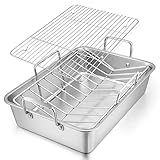
- Large, heavy-duty roasting pan (approx. 13×18 inches)
- Parchment paper
- Oven thermometer (optional, but recommended for accuracy)
Instructions:
- Preheat Oven: Preheat your oven to 400°F (200°C). Allow it to preheat for at least 15-20 minutes after reaching the target temperature to ensure it’s evenly hot.
- Line Pan: Line your large, heavy-duty roasting pan with parchment paper. This prevents sticking and helps with cleanup.
- Arrange Potatoes: Spread the marinated potato wedges in a single layer on the prepared baking sheet. Ensure there is enough space between the potatoes to prevent pan crowding issues, which can lead to steaming instead of roasting. Use two pans if necessary.
Pro-Tip: Convection roasting is ideal for achieving maximum crispiness. If your oven has a convection setting, use it for even better browning. Avoid pan crowding at all costs to ensure good heat transfer coefficients.
5. The Braising Stage: Infusing Flavor with Broth

Simmering to perfection! Pin this Greek cooking technique!
The braising stage is a hallmark of authentic Patates Riganates, crucial for both tenderizing and deeply infusing the potatoes with flavor. Adding chicken stock (or vegetable broth) during this initial roast allows the potatoes to gently cook and absorb the liquid, ensuring a fluffy interior and preventing them from drying out during the later high-heat phase. This step also answers the query: “why do Greeks roast potatoes in liquid?”
Ingredients:
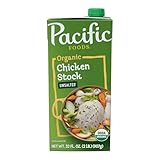
- 1 ½ cups chicken stock (low sodium recommended) or vegetable broth
- Marinated potato wedges (from Step 3)
Instructions:
- Initial Roast: Place the pan with the arranged potatoes in the preheated oven and roast for 20 minutes.
- Add Stock: Carefully remove the pan from the oven. Pour the chicken stock evenly over the potatoes. The liquid should cover about half the potatoes.
- Continue Braising: Return the pan to the oven and continue to roast/braise for another 30-40 minutes, or until most of the liquid has been absorbed by the potatoes and the liquid has reduced considerably. The potatoes should be tender inside.
Pro-Tip: The braising stage is key to what makes Patates Riganates so special. The potatoes absorb the flavorful broth, ensuring they are tender inside and deeply seasoned before the crisping begins. This also helps with starch gelatinization.
6. The High-Heat Roasting Stage: Achieving Golden Crispness

That perfect crunch is just a roast away! Pin your success!
The final high-heat roasting phase is where the magic happens, transforming tender potatoes into a truly extra crispy delight. This stage triggers the Maillard reaction, leading to the irresistible golden brown, crunchy exterior that defines perfectly roasted potatoes. Flipping the wedges ensures even browning and maximum crispness on all sides.
Supplies Needed:
- Partially cooked potatoes (from Step 5)
- Sturdy metal spatula
Instructions:
- Increase Heat (Optional): For an even crispier result, you can briefly increase your oven temperature to 425°F (220°C) for the final roasting stage, if desired.
- Flip Potatoes: After the braising stage, use a sturdy metal spatula to carefully flip each potato wedge. This exposes all sides to the direct heat, ensuring even browning and crispy on the outside.
- Final Roast: Return the pan to the oven and continue to roast for another 25-35 minutes, or until the potatoes are deep golden brown and extra crispy on all sides. They should be slightly charred in places for optimal flavor.
Pro-Tip: The Maillard reaction is what creates those delicious golden brown and extra crispy edges. Ensure potatoes are not overcrowding the pan to allow for proper convection roasting and surface area optimization for maximum crispness.

7. The Science of the Crunch: Why This Method Works

Unlock the crunch! Pin this culinary insight!
The unique crispness and fluffy interior of these Greek roasted lemon potatoes are not accidental; they are the result of precise culinary science. This method expertly leverages various chemical and physical processes to create an unparalleled texture and flavor profile. Understanding these principles elevates your cooking from following a recipe to truly mastering the dish, demonstrating an expert understanding of Patates Riganates.
Key Scientific Concepts:
- Potato Anatomy: Understanding Solanum tuberosum varietals and their amylopectin content is crucial. Yukon Gold potatoes strike a perfect balance, providing both creaminess and crisping potential.
- Hydrothermal Processing & Starch Gelatinization: The initial braising in liquid allows the potatoes to undergo hydrothermal processing. The liquid penetrates the potato cells, causing the starch gelatinization that results in that tender inside and fluffy interior.
- Acidity and Pectin: The fresh lemon juice contributes to breaking down pectin in the potatoes, further aiding tenderness, while also balancing the flavors.
- Maillard Reaction & Caramelization: After the liquid evaporates, the high-heat roasting triggers the Maillard reaction and caramelization temperatures on the potato’s surface. This chemical process is responsible for the golden brown color and the crunchy exterior.
- Surface Area Optimization & Evaporative Cooling: Cutting into thick-cut wedges maximizes surface area optimization, providing more crust to form. Evaporative cooling occurs as moisture leaves the potatoes, contributing to the crisping.
How It All Comes Together:
- Tender Core First: The broth gently cooks the potatoes from the inside out, making them fork-tender while absorbing rich flavors.
- Crisp Exterior Second: Once the liquid is mostly gone, the exposed, softened potato surface can then dehydrate and develop that desirable extra crispy crust under high heat.
Pro-Tip: True mastery of Patates Riganates involves understanding the interplay between moisture and heat. It’s a balance of simmering and browning that creates the perfect texture dichotomy.

8. Finishing Touches & Serving Suggestions

Your perfect side dish awaits! Pin this serving inspiration!
Elevating your Extra Crispy Greek Roasted Lemon Potatoes involves more than just cooking; it includes presentation and thoughtful pairings. A beautiful garnish enhances their appeal, while well-chosen serving suggestions can transform them into a complete and satisfying meal. These roasted lemon potatoes are incredibly versatile, complementing a wide array of Mediterranean dishes.
Supplies Needed:
- Fresh lemon wedges
- Fresh oregano sprigs, for garnish
- Flaky sea salt (optional)
- Large serving platter
Instructions:
- Rest: Once removed from the oven, allow the extra crispy Greek roasted lemon potatoes to rest in the pan for 5-10 minutes before serving. This allows them to firm up slightly.
- Garnish: Transfer the potatoes to a warm serving platter. Garnish generously with fresh lemon wedges and fresh oregano sprigs. A sprinkle of flaky sea salt can further enhance the flavor.
- Serve Immediately: Serve warm as a perfect side dish to your favorite Greek main courses.
Pro-Tip: These Patates Riganates pairs with virtually any roasted meat. Try them alongside roast lamb, Greek chicken, or even simply with Tzatziki sauce and a fresh Greek salad for a complete Mediterranean diet meal.

9. Common Mistakes & Troubleshooting for Perfect Patates Riganates

Don’t let soggy potatoes ruin your day! Pin these troubleshooting tips!
Even with the best intentions, culinary challenges can arise. This troubleshooting section addresses the most common issues encountered when preparing Extra Crispy Greek Roasted Lemon Potatoes, offering practical solutions to help you achieve consistent, professional results. From preventing sogginess to ensuring even cooking, these expert tips will guide you to success.
Supplies Needed:
- Patience and a willingness to adjust!
Instructions:
- Problem: Potatoes are not crispy.
- Solution: Ensure potatoes are completely dry after soaking. Avoid pan crowding issues by using two pans if necessary. Increase oven temperature slightly for the last 10-15 minutes or turn on the convection setting. Ensure adequate roasting time for browning.
- Problem: Potatoes are bland.
- Solution: Check the quality of your dried oregano and extra virgin olive oil. Increase the amount of minced garlic and fresh lemon juice next time. Ensure proper marinating time for flavor penetration.
- Problem: Garlic is burning.
- Solution: If your garlic browns too quickly, ensure it’s finely minced rather than sliced. Some chefs add a portion of the garlic later in the cooking process to prevent it from burning before the potatoes are done.
- Problem: Potatoes are soggy.
- Solution: This usually indicates too much liquid, too low heat, or pan crowding. Ensure the broth fully reduces and potatoes get ample time to dry out and crisp up under high heat. Patting dry thoroughly after washing is critical for moisture control.
- Problem: Uneven cooking or browning.
- Solution: Ensure potato wedges are uniform in size. Flip potatoes multiple times during the roasting process. Rotate your roasting pan in the oven if you notice uneven heat distribution. Using an oven thermometer can help verify accurate oven temperature.
Pro-Tip: Understanding heat distribution and moisture control are crucial for avoiding common pitfalls. Don’t be afraid to adjust roasting times based on your oven; every oven is unique.

FAQs About Extra Crispy Greek Roasted Lemon Potatoes
What are the best potatoes for Greek lemon potatoes?
The best potatoes for Greek lemon potatoes are typically Yukon Gold or other waxy to medium-starch varieties. Their balanced starch content allows them to become tender and absorb flavors during braising while still achieving a beautifully crispy exterior when roasted at high heat, unlike very starchy Russets which can be too dry or fall apart.
How do you get Greek potatoes extra crispy?
To get Greek potatoes extra crispy, employ a two-stage cooking method: first braise them in liquid, then roast at high heat. Braising makes them tender and flavorful, while the subsequent convection roasting at temperatures around 400-425°F (200-220°C) activates the Maillard reaction, resulting in a golden-brown, crunchy crust. Ensure the pan is not overcrowded.
Why do you add chicken stock to Greek lemon potatoes?
Chicken stock is added to Greek lemon potatoes during the initial roasting phase to braise them, infusing them with savory flavor and ensuring a tender interior. This hydrothermal processing softens the potatoes and allows them to absorb the rich lemon-garlic-oregano mixture deeply before the liquid evaporates and the potatoes begin to crisp.
How long does it take to roast Greek lemon potatoes?
Generally, it takes about 1 hour and 15 minutes to 1 hour and 30 minutes to roast Greek lemon potatoes for maximum crispiness. This includes an initial 20-minute roast, followed by 30-40 minutes of braising in stock, and a final 25-35 minutes of high-heat roasting to achieve a golden brown, crunchy exterior.
Can I use dried oregano instead of fresh for Patates Riganates?
Yes, you can absolutely use dried oregano instead of fresh for Patates Riganates, and it’s often preferred for authenticity and stronger flavor. Dried Greek oregano, in particular, offers a more concentrated and robust flavor profile that stands up well to roasting and is characteristic of traditional Greek cuisine. Use about one-third the amount of dried for fresh.
How do you prevent Greek potatoes from being soggy?
To prevent soggy Greek potatoes, ensure your potato wedges are thoroughly dried after washing and soaking, avoid overcrowding the roasting pan, and allow the liquid to fully reduce before the final high-heat crisping phase. Proper moisture control and adequate space for convection roasting are critical for developing an extra crispy texture.
What goes well with Greek lemon potatoes?
Greek lemon potatoes pair exceptionally well with classic Mediterranean dishes like roast lamb, grilled chicken, or souvlaki. They also make an excellent side dish to serve with Tzatziki sauce, a fresh Greek salad, or other hearty main courses. Their zesty, garlicky flavor profile complements rich meats and fresh vegetables.
Should I peel potatoes for Patates Riganates?
While not strictly mandatory, peeling potatoes for Patates Riganates is traditional and often recommended for a more uniform texture and better flavor absorption. Removing the skin ensures every bite has the desired fluffy interior and allows the lemon garlic sauce to penetrate more effectively, contributing to a truly authentic Patates Riganates experience.
What is the ideal temperature for roasting crispy Greek potatoes?
The ideal temperature for roasting crispy Greek potatoes is typically around 400°F (200°C), possibly increasing to 425°F (220°C) for the final crisping. This high heat promotes the Maillard reaction, ensuring a golden brown and crunchy exterior once the initial braising liquid has evaporated. Consistent oven calibration is beneficial.
Can I make Greek lemon potatoes ahead of time?
Greek lemon potatoes are best served immediately after roasting to enjoy their optimal crispy texture. While you can prep the potatoes and marinade ahead of time, roasting them fresh is ideal. Reheating can diminish crispiness, though a quick blast in a hot oven or air fryer can help restore some crunch.
Final Thoughts on Extra Crispy Greek Roasted Lemon Potatoes
You’ve embarked on a culinary journey to master the Extra Crispy Greek Roasted Lemon Potatoes with Garlic and Oregano, and now you hold the secrets to achieving perfectly crispy on the outside, fluffy interior Patates Riganates. By understanding the science behind the crunch, selecting the right potatoes, and following the two-stage braising and high-heat roasting method, you can transform a simple side dish into a show-stopping highlight of any meal. This isn’t just about cooking potatoes; it’s about crafting an authentic Mediterranean experience right in your own traditional Greek kitchen.
From the zesty notes of fresh lemon and the aromatic punch of oregano and garlic to the savory depth provided by the chicken stock, every element plays a crucial role in creating this unforgettable side dish. Don’t be afraid to experiment with the chef tips provided, and remember that practice makes perfect. Now, go forth and create some culinary magic!
What’s your favorite main course to pair with these irresistible Greek lemon potatoes? Share your ideas in the comments below!
Last update on 2026-08-27 at 16:12 / Affiliate links / Images from Amazon Product Advertising API
