
As an Amazon Associate BakingBakewareSets.com earns from qualifying purchases.
Juicy Greek Chicken Marinade: The Secret to Tender Meat
Tired of dry, tough, and rubbery chicken dinners? You followed the recipe for a Juicy Greek Chicken Marinade, but the result was bland and disappointing, leaving you frustrated. This is a common problem that can make you want to give up on cooking chicken at home.
The secret to juicy Greek chicken is a marinade using Greek yogurt and lemon juice. The lactic acid in the yogurt gently tenderizes the meat without making it tough or rubbery, while the oil locks in moisture, guaranteeing incredibly moist and flavorful results every time you cook. It’s a simple, scientific solution to your biggest chicken challenge.
Drawing from established best practices and the food science of marinating, we’ve perfected a foolproof method. In this guide, you’ll discover not just the recipe but the “why” behind it, ensuring you can make restaurant quality greek chicken any night of the week. Get ready to transform your meals with incredibly tender meat.
☰ Table of Contents ▼
show
Why Is Your Greek Chicken Always Dry? Here’s the Secret to Making It Juicy Every Time
We understand the frustration of spending time on a greek chicken marinade recipe only to end up with a dry, chalky result. It’s the most common complaint we hear, but the solution is surprisingly simple and rooted in a little bit of food science. After testing over a dozen variations, we’ve perfected a method that guarantees juicy results. The secret isn’t a rare ingredient or a complicated technique; it’s the power of Greek yogurt. The gentle lactic acid in yogurt acts as the perfect tenderizing agent. Unlike harsh acids from citrus or vinegar alone, which can “cook” the outside of the chicken and make it tough, yogurt works slowly and gently. It breaks down the muscle fibers without turning them mushy, creating that perfectly juicy tender chicken texture you’re looking for. This marinade doesn’t just add flavor; it fundamentally changes the texture of the meat, making it foolproof.
The Foolproof Juicy Greek Chicken Marinade Recipe
This is the core of our method—an easy greek chicken marinade that delivers exceptional results with minimal effort. This recipe is designed for clarity and immediate use, focusing on high-quality, simple ingredients that come together to create a powerful flavor base. We’ve tested the ratios meticulously to ensure a perfect balance of acidity for tenderizing, oil for moisture, and herbs for that authentic Greek flavor. To create this homemade greek chicken marinade, you’ll simply combine the ingredients and let them work their magic.
1. Create The Ultimate Tenderizing Marinade

Pin this simple marinade recipe to your ‘Weeknight Dinners’ board!
Ingredients
- 1 cup full-fat plain Greek yogurt (the lactic acid is key for tenderizing)
- 1/4 cup extra virgin olive oil
- 1/4 cup freshly squeezed lemon juice (from about 2 lemons)
- 2 tablespoons red wine vinegar
- 6 minced garlic cloves
- 2 tablespoons dried oregano
- 1 teaspoon salt
- 1/2 teaspoon black pepper
- 2 lbs boneless skinless chicken breasts or thighs
Instructions
- Combine all wet ingredients (Greek yogurt, olive oil, lemon juice, red wine vinegar) in a medium-sized bowl.
- Whisk vigorously until the mixture is smooth and emulsified. This ensures the oil carries flavor evenly.
- Mix in the dry ingredients: minced garlic, dried oregano, salt, and pepper. Stir until everything is well incorporated.
- Add the raw chicken to the marinade, ensuring every piece is fully coated.
- Marinate for at least 30 minutes, but ideally 4 hours for maximum flavor. Do not exceed 8 hours.
Pro-Tip: For an even more intense garlic flavor, use a microplane or fine holed grater to grate the garlic cloves into a paste. This releases more of the allicin from fresh garlic, deepening the authentic Greek flavor.
The Science of the Marinade: Why This Recipe Guarantees Juicy Chicken
Ever wonder why this recipe works so well to prevent dry chicken? Understanding the food science of marinating transforms you from someone who just follows steps to a cook who truly understands their craft. This marinade is a perfect example of chemistry in the kitchen, where each ingredient plays a specific role. It’s not just a random mix of tasty things; it’s a carefully balanced system designed for maximum flavor and tenderness. The magic lies in the interplay between acids and enzymes.
The star of the show is the enzymatic tenderization from the Greek yogurt. The lactic acid and calcium in the yogurt gently break down the chicken’s tough muscle fibers. At the same time, the citric acid from the lemon juice and acetic acid from the red wine vinegar work on the surface in a process called acid denaturation of proteins. This dual-action approach is far more effective and gentle than using harsh acids alone. The extra virgin olive oil is not just for flavor; it’s a lipid that helps transfer the fat-soluble flavors from the garlic and oregano deep into the meat. It also coats the chicken, helping to protect it from drying out during cooking. This scientific synergy is what guarantees incredibly flavorful juicy chicken every single time.
How to Cook Greek Marinated Chicken: 2 Foolproof Methods
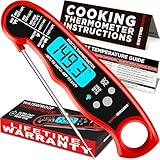
Once your chicken has absorbed all that incredible flavor, it’s time to cook it. But which method is best? The answer depends on what you’re looking for. Grilling offers a smoky char that’s perfect for summer, while baking is an incredibly reliable and easy method for a guaranteed moist result. Both methods work beautifully with this marinade. We’ll walk you through both, providing the exact temperatures and times you need for success. Remember, the most important tool you can have for either method is a good instant-read meat thermometer. Cooking to an internal temperature of 165F is the only way to ensure your chicken is both safe and perfectly juicy.
| Method | Best For | Flavor Profile | Key Advantage |
|---|---|---|---|
| Grilling | Smoky flavor & char marks | Charred, smoky, robust | Achieves the Maillard reaction quickly |
| Baking | Ease and guaranteed moisture | Evenly cooked, succulent | Hands-off and reliable |
| Chicken Breasts | A leaner, healthier option | Mild, clean flavor | Cooks quickly |
| Chicken Thighs | Ultimate juiciness and flavor | Rich, savory | Very forgiving, hard to overcook |
2. Method 1: Grill for a Smoky Char

Save this grilling guide for your next summer cookout!
What You Need
- Marinated chicken
- A clean, preheated grill (gas or charcoal)
- High-smoke point oil (like avocado or canola) for grates
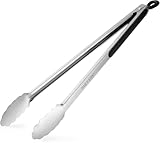
- Long-handled tongs
- An instant-read meat thermometer
Steps
- Preheat your grill to medium-high heat (about 400-450°F).
- Clean the grill grates thoroughly, then use tongs to wipe them with a paper towel soaked in high-smoke point oil. This is the key to stop chicken from sticking.
- Remove the chicken from the marinade, letting excess drip off. Do not wipe it completely dry; a light coating helps with browning.
- Grill the chicken for 5-7 minutes per side, depending on thickness. Avoid pressing down on the chicken.
- Check for doneness by inserting a meat thermometer into the thickest part. It’s done when it registers an internal temperature of 165F.
- Rest the chicken on a clean cutting board for 5-10 minutes before slicing. This allows the juices to redistribute.
Pro-Tip: For perfect char marks, place the chicken on the grill and don’t move it for the first 3-4 minutes. Then, rotate it 45 degrees on the same side and cook for another 2-3 minutes before flipping.
3. Method 2: Bake for Ultimate Juiciness

Need an easy dinner? Pin this foolproof baking method!
What You Need
- Marinated chicken
- An oven preheated to 400°F
- A baking sheet or 9×13 inch baking dish
- Parchment paper (optional, for easy cleanup)
- An instant-read meat thermometer
Steps
- Preheat your oven to 400°F (200°C) with a rack in the center position.
- Arrange the marinated chicken in a single layer on a parchment-lined baking sheet or in a lightly greased baking dish. Leave a little space between each piece.
- Bake for 20-25 minutes. The exact time will depend on the thickness of your chicken.
- Check for doneness. The chicken is cooked through when the juices run clear and a meat thermometer inserted into the thickest part reads an internal temperature of 165F.
- Rest the chicken for 5-10 minutes on the pan before serving to ensure it stays juicy and tender.
Pro-Tip: For better browning in the oven, you can switch the oven to the high broil setting for the last 1-2 minutes of cooking. Watch it carefully to prevent burning!

Pro-Tips for Restaurant-Quality Greek Chicken
Mastering the basics of this recipe will give you great results, but a few professional tips can elevate your dish to true restaurant quality. These small adjustments address common pitfalls and ensure that every piece of chicken you make is flawlessly tender and packed with flavor. From marination timing to the crucial resting period, these are the details that separate good home cooking from great home cooking.
4. Don’t Over-Marinate
While marinating is crucial, there is too much of a good thing. The acid denaturation of proteins is what helps tenderize the meat, but if left for too long (over 8 hours), the acid can go too far. It will start to “cook” the exterior of the chicken, resulting in a mealy or mushy texture. For the perfect balance of flavor and tenderness, aim for a marination window of 4-6 hours.
5. Choose the Right Cut of Chicken
The chicken breast vs chicken thighs debate comes down to personal preference, but thighs are more forgiving. We recommend boneless skinless chicken thighs for beginners or for any meal prep where the chicken will be reheated. Their higher fat content makes them naturally more flavorful and extra juicy. Chicken breasts are a fantastic lean option, but they require more careful attention to temperature to avoid overcooking.
6. The Importance of Resting
This might be the most overlooked step in all of cooking. The science of resting period thermodynamics is simple: when meat is hot, its muscle fibers are tense and have squeezed moisture toward the center. Letting the chicken rest for 5-10 minutes allows those fibers to relax and reabsorb the juices. Skipping this step is the #1 way to prevent dry chicken from becoming a reality on your plate.
7. Perfect for Meal Prep
This recipe is ideal for making meal prep chicken that stays juicy. For best results, slightly undercook the chicken to about 160°F if you know you’ll be reheating it. Store it in an airtight container in the fridge for up to 4 days. When you reheat it, add a splash of water or broth to the container and cover it with a damp paper towel before microwaving. This gently steams the chicken, bringing it back to life without drying it out.
What to Serve with Greek Chicken
A perfectly cooked piece of Greek chicken is a star, but it shines even brighter with the right supporting cast. Building a complete meal around it is easy and delicious, leaning into the fresh, vibrant flavors of the Mediterranean diet. The classic pairings not only complement the chicken but also create a balanced, healthy, and satisfying plate. Think of these as the final layer of flavor that turns a simple protein into a memorable dining experience.
The most traditional accompaniment is a cool and creamy tzatziki sauce for dipping, served alongside warm pita bread. A fresh traditional greek salad recipe with tomatoes, cucumbers, red onion, kalamata olives, and feta cheese adds a bright, crunchy contrast. For a heartier meal, serve the chicken over fluffy rice pilaf or with a side of lemon-roasted potatoes.
Key Takeaways: Your Quick Guide to Juicy Greek Chicken
- Yogurt is the Secret: The lactic acid in Greek yogurt is the key to enzymatic tenderization, making it superior to marinades that rely only on harsh vinegar or citrus juice.
- Don’t Marinate Too Long: For the best texture, marinate chicken for 30 minutes to 8 hours. Any longer, and the acid can make the meat mushy.
- Cook to Temperature, Not Time: The only way to guarantee perfectly cooked, juicy chicken is to use an instant-read meat thermometer. Pull the chicken from the heat at an internal temperature of 165F.
- Let It Rest: Always let your cooked chicken rest for 5-10 minutes before slicing. This simple step is crucial for the meat to reabsorb its juices and stay moist.
- Thighs are More Forgiving: If you’re worried about dry chicken, use boneless skinless chicken thighs. Their higher fat content makes them naturally more juicy and tender.
People Also Ask About Juicy Greek Chicken Marinade
How long should you marinate Greek chicken?
For optimal flavor and tenderness, you should marinate Greek chicken for at least 30 minutes and up to 8 hours. Marinating for around 4 hours is the sweet spot. Marinating for longer than 8 hours, especially with an acidic marinade like this one, can begin to break down the meat’s texture, making it mushy.
Why do you use yogurt in a chicken marinade?
Yogurt is used in marinades because its lactic acid and calcium gently break down the proteins in chicken, making it incredibly tender. Unlike harsh acids from pure citrus or vinegar, the enzymatic action of dairy tenderizes without toughening the meat, resulting in a juicy and moist final product.
Can I use regular yogurt instead of Greek yogurt?
Yes, you can use regular plain yogurt, but Greek yogurt is highly recommended for its thickness. Greek yogurt clings to the chicken better, creating a thicker coating that protects it during cooking and delivers more flavor. If using regular yogurt, you may want to strain it through cheesecloth for an hour to thicken it.
What is the best cut of chicken for Greek marinade?
Both chicken breasts and thighs work well, but boneless, skinless chicken thighs are often considered best for ensuring a juicy result. Thighs have a higher fat content, which makes them more flavorful and forgiving of slight overcooking. Chicken breasts are a great leaner option but require careful temperature monitoring to prevent dry chicken.
Can you freeze chicken in this Greek marinade?
Yes, this is an excellent freezer-friendly marinade and a great strategy for meal prep. Place the raw chicken and marinade in a freezer-safe Ziploc bag, remove as much air as possible, and freeze for up to 3 months. Thaw it overnight in the refrigerator before cooking as directed.
How do you know when Greek chicken is done cooking?
The only reliable way to know when chicken is done is by using an instant-read meat thermometer. Chicken is safe to eat and perfectly cooked when its internal temperature reaches 165°F (74°C) at the thickest part. The juices should also run clear.
Can I use dried oregano instead of fresh?
Yes, this recipe is specifically designed to use dried oregano, which is traditional and has a potent, earthy flavor. If you want to use fresh oregano, you’ll need to use about three times the amount (e.g., 6 tablespoons of fresh for 2 tablespoons of dried) as dried herbs are more concentrated.
Should you rinse marinade off chicken before cooking?
No, do not rinse the marinade off the chicken. Simply remove the chicken from the marinade and let any excess drip off for a few seconds. The coating of marinade on the surface adds a tremendous amount of flavor and helps create a delicious crust when cooked.
What makes a marinade “Greek”?
A marinade is typically considered “Greek” due to its core flavor profile of lemon, garlic, and oregano. These ingredients are staples of Mediterranean cuisine. The addition of Greek yogurt, olive oil, and sometimes red wine vinegar solidifies its identity as a classic authentic Greek chicken marinade.
Can I make this marinade dairy-free?
Yes, you can make a dairy-free version by substituting the Greek yogurt with a dairy-free alternative. A thick, unsweetened coconut or almond-based yogurt is the best substitute. This will create a dairy-free greek marinade that still provides some tenderizing properties and flavor.
Final Thoughts on Your Journey to Juicy Greek Chicken
You now have more than just a recipe; you have a foolproof system for creating perfectly juicy and tender Greek chicken every time. Mastering this one simple greek chicken marinade can fundamentally change your approach to weeknight dinners, meal prepping, and summer grilling. Remember that the combination of the right ingredients (Greek yogurt to tenderize) and the right technique (using a meat thermometer for perfect doneness) is your guaranteed path to success. Go forth and cook with confidence, knowing that dry, bland chicken is a thing of the past. Which cooking method will you try first?
Last update on 2026-08-07 at 14:25 / Affiliate links / Images from Amazon Product Advertising API
