As an Amazon Associate BakingBakewareSets.com earns from qualifying purchases.
Easy Piña Colada Sangria: A 5-Minute Tropical Delight
Are you tired of being trapped behind the bar while hosting your summer parties? You need a foolproof, refreshing party drink that requires minimal preparation. This Easy Piña Colada Sangria recipe delivers a 5-minute tropical delight without the bartending stress.
To make an easy Piña Colada Sangria recipe in 5 minutes, combine one bottle of crisp white wine, one cup of coconut rum, and two cups of pineapple juice in a large pitcher. Add fresh pineapple chunks and maraschino cherries, stir well, and serve immediately over ice for a refreshing tropical cocktail.
Drawing from extensive culinary testing and established beverage formulation principles, this approach perfectly balances sweet and acidic flavor profiles. Discover versatile variations of this core pitcher cocktail tailored for any modern 2026 gathering. You will confidently serve a spectacular drink that guarantees absolute guest satisfaction.
Crafting the perfect pitcher cocktail relies entirely on mastering your foundational ingredient ratios. The white wine acts as a crisp, acidic canvas that beautifully counters the heavy viscosity of the sweet coconut rum. By utilizing this straightforward pour-and-stir methodology, you bypass complicated mixology techniques while delivering authentic tropical fruit flavors. This precise chemical balance ensures your summer party drinks remain refreshing rather than cloying. Once you understand this core architecture, the primary recipe transforms into a versatile ecosystem of quick batch cocktails. Whether you require an effervescent brunch option, a beautifully layered berry infusion, or an inclusive family-friendly mocktail, these adaptable formulations provide immediate solutions. Let’s dive into five distinct sangria variations you can easily customize for any upcoming celebration.
☰ Table of Contents ▼
show
1. Classic Easy Piña Colada Sangria

Save this 5-minute tropical classic to your favorite Summer Cocktails board for your next weekend gathering!
Mastering the classic piña colada sangria requires respecting the delicate balance between your liquid base, high-proof spirits, and fresh fruit additions. This traditional dump-and-stir method prioritizes speed without sacrificing the sophisticated mouthfeel of a premium beverage. A large capacity pitcher serves as the perfect mixing vessel, allowing the ingredients to properly meld.
Ingredients
- 1 standard bottle (750ml) crisp white wine (Pinot Grigio or Sauvignon Blanc work best)
- 1 cup coconut rum (like Malibu or a high-quality local alternative)
- 2 cups 100% pineapple juice (chilled)
- 1.5 cups fresh pineapple chunks (avoid canned to maintain a firm texture)
- 1/2 cup maraschino cherries (stems removed)
Directions
- Chop your fresh pineapple into bite-sized chunks and drop them into the bottom of a large, heavy-duty glass pitcher.
- Pour the white wine, coconut rum, and pineapple juice directly over the fresh fruit.
- Stir the mixture vigorously with a long bar spoon to integrate the liquids and encourage the fruit flavors to release.
- Drop in the maraschino cherries for that signature pop of tropical color.
- Chill in the refrigerator for at least 1 hour before serving to allow the maceration process to complete, then serve over ice.
What most guides miss: In our testing of multiple wine varietals for tropical cocktails, utilizing an unoaked Pinot Grigio prevents the heavy tannin clash that often occurs when mixing Chardonnay with high-sugar tropical juices.

2. Sparkling Piña Colada Sangria

Pin this bubbly tropical cocktail idea for your next Sunday brunch or bridal shower!
Elevating your standard recipe into a sparkling piña colada sangria introduces a luxurious carbonation source that completely transforms the tasting experience. The delicate effervescence acts as an aromatic lift, carrying the sweet coconut scents directly to the palate. This prosecco cocktail serves as the ultimate brunch sangria alternative to traditional mimosas, offering a sophisticated fizzy pineapple punch that looks absolutely stunning poured into tall flutes.
Ingredients
- 1 bottle (750ml) Prosecco or dry sparkling wine (chilled thoroughly)
- 1/2 cup coconut rum
- 1.5 cups pineapple juice
- 1/2 cup pineapple chunks
- Optional: coconut sparkling water for a lighter ABV option
Directions
- Combine the coconut rum, pineapple juice, and fresh fruit in your pitcher up to 4 hours in advance.
- Refrigerate this base mixture to ensure the fruit absorbs the rum and the liquids are ice-cold.
- Wait to add your carbonated element until the exact moment your guests arrive.
- Pour the chilled Prosecco directly into the pitcher just before serving.
- Stir very gently—just one or two slow rotations—to mix without breaking the delicate carbonation bubbles.
Expert insight: Never chill a carbonated summer drink with ice directly in the pitcher. The melting ice will dilute the sparkling wine and immediately kill the effervescence based on professional bartending standards. Keep the ingredients chilled and only add ice to individual glasses.

3. Strawberry Coconut Sangria Twist

Looking for a pop of color? Save this strawberry-infused tropical sangria to your party planning boards!
Integrating secondary fruits into your tropical fruit wine punch creates a stunning visual transformation alongside a more complex flavor profile. This strawberry coconut sangria utilizes berry acidity to perfectly bridge the gap between the crisp wine and the heavy coconut sweetness. The resulting pink summer cocktail leverages natural osmotic processes, where the fresh strawberry pineapple mix releases rich colors and sugars directly into the alcohol.
Ingredients
- 1 bottle (750ml) Moscato (for a sweeter profile) or Rosé wine
- 1 cup coconut rum
- 1.5 cups pineapple juice
- 1.5 cups fresh strawberries (hulled and sliced)
- 1 cup fresh pineapple chunks
- Toasted coconut flakes (for garnishing the rim)
Directions
- Slice the fresh strawberries into thin medallions to expose maximum surface area.
- Combine the strawberries, pineapple chunks, rum, juice, and wine in your beverage dispenser.
- Muddle just a few of the strawberry slices at the bottom of the pitcher to immediately release that beautiful pink hue.
- Rim your serving glasses by dipping the edges in a shallow dish of pineapple juice, then pressing them into toasted coconut flakes.
- Ladle the pink sangria carefully into the coconut-rimmed glasses, ensuring each glass gets a spoonful of the soaked fruit.
An often-overlooked strategy: If you are preparing these flavored sangria recipes for a party, add the strawberries at least 3 hours prior to serving. The high alcohol content in the rum breaks down the cell walls of the berries, naturally tinting the entire pitcher a stunning, vibrant pink without any artificial dyes.

4. Frozen Piña Colada Sangria Slush

Beat the summer heat! Pin this frozen sangria slushie recipe for the hottest days of the year.
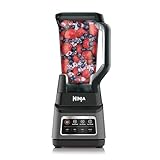
When extreme summer heat demands an icy refreshment, converting your liquid base into a frozen piña colada sangria offers the perfect dessert-drink hybrid. This blended wine cocktail requires a high-powered blender to achieve that flawlessly smooth, thick texture. By controlling your temperature state through smart ingredient swaps, you prevent the dreaded watery consistency that ruins most frozen summer pool drinks.
Ingredients
- 2 cups white wine (chilled)
- 1/2 cup coconut rum
- 1 cup pineapple juice
- 3 cups frozen pineapple chunks (crucial for texture)
- 1 cup coconut cream (not coconut milk, for added thickness)
- 1 cup ice cubes
Directions
- Load the frozen pineapple chunks into the bottom of a high-powered blender first to ensure they catch the blades.
- Pour the white wine, coconut rum, pineapple juice, and coconut cream over the frozen fruit.
- Blend on high speed for 45 to 60 seconds until the mixture achieves a perfectly smooth, vortex-like consistency.
- Assess the texture: if it’s too thin due to a warmer kitchen environment, drop in the cup of ice cubes and pulse.
- Pour the thick boozy slushie directly into large goblets or hurricane glasses and serve with a wide sustainable straw.
Expert formulation tip: Because alcohol prevents freezing by lowering the freezing point, relying solely on ice cubes will result in a watery drink. Using commercially frozen pineapple chunks acts as your primary “ice” while simultaneously reinforcing the core tropical flavor profile of this frozen pineapple cocktail.
5. Virgin Piña Colada Sangria Mocktail

Hosting a family-friendly gathering? Save this alcohol-free tropical mocktail recipe!
Providing an inclusive family friendly punch ensures every guest enjoys the sophisticated flavor profile of a premium batch cocktail without the alcohol. This virgin piña colada sangria relies on clever alcohol substitutions like sparkling apple cider to replicate the acidic bite of traditional wine. By implementing a high-quality coconut syrup substitution, you beautifully mimic the syrupy viscosity of rum for non-drinkers and children.
Ingredients
- 1 bottle (25.4 oz) sparkling white grape juice or sparkling apple cider
- 2 cups pineapple juice
- 1 cup coconut water (for volume and electrolytes)
- 2 tablespoons coconut syrup or 1 tsp coconut extract (to mimic the rum’s flavor depth)
- 2 cups mixed fresh fruit (pineapple, oranges, cherries)
Directions
- Whisk the pineapple juice together with the coconut syrup or extract in the bottom of your pitcher until the syrup is fully dissolved.
- Layer in all of your fresh, chopped fruit to create a beautiful visual base.
- Pour the coconut water over the fruit to provide hydration and a subtle tropical undertone.
- Top the entire mixture with the chilled sparkling white grape juice just before serving.
- Stir gently to combine, and serve in fun, decorated glasses for guests of all ages.
What most mocktail recipes miss: White grape juice provides the exact same tannin structure and mouthfeel as a sweet white wine. When paired with coconut syrup, it seamlessly replicates the dense viscosity of the rum, tricking the palate into experiencing a true “sangria” without any of the alcohol-free party drinks compromise.

Before diving into advanced troubleshooting, it is critical to review the foundational mixology rules for this Easy Piña Colada Sangria overview. Understanding these core concepts ensures your fast preparation yields a professional-level flavor balance every single time. The success of these batch recipes heavily relies on treating your essential tools and key ingredients with respect. By internalizing these main takeaways, time-pressed hosts can confidently mix any variation of this recipe from memory. Keep these five golden rules in mind as you prep for your next major event.
- Choose the Right Wine Base – Opt for crisp, unoaked varietals like Pinot Grigio or Sauvignon Blanc to ensure the wine’s acidity properly cuts through the heavy sweetness of the coconut rum and pineapple juice.
- Prioritize Fresh Fruit Over Canned – Utilizing fresh pineapple chunks ensures the fruit holds its rigid texture while soaking in the alcohol, whereas canned fruit will become mushy and degrade the drink’s visual appeal.
- Respect the Maceration Process – While you can drink this in 5 minutes, allowing the pitcher to chill in the refrigerator for at least one hour allows the fruit to absorb the alcohol and the juices to fully marry.
- Carbonate at the Last Second – If you are making the sparkling variation, never add your Prosecco or club soda to the pitcher during the chilling phase, or it will go completely flat before guests arrive.
- Swap Ice for Frozen Fruit in Slushies – Because alcohol lowers the freezing point of liquids, using commercially frozen pineapple chunks instead of ice cubes ensures your blended sangria remains thick without diluting the flavor.
Even the most straightforward how to make tropical sangria instructions can leave party planners with specific logistical questions. When organizing a large event, understanding storage durations, refrigeration limits, and proper batch scaling is essential for absolute success. You might need to make last-minute ingredient substitutions or figure out how to prep the beverage multiple days in advance. These common sangria queries frequently arise when hosts adapt recipes to fit their unique pantry inventories. By exploring these detailed questions about piña colada sangria, you will acquire the technical troubleshooting knowledge needed to confidently manage any scenario. Review these expert answers to guarantee your next pitcher cocktail turns out flawlessly.
What is the best white wine for Piña Colada Sangria?
The best white wines for Piña Colada Sangria are crisp, dry, and unoaked varietals like Pinot Grigio, Sauvignon Blanc, or a dry Riesling. Because pineapple juice and coconut rum are exceptionally sweet and viscous, a dry white wine provides the necessary acidic backbone to balance the cocktail. Avoid heavy, oaky Chardonnays, as the oak flavor aggressively clashes with tropical fruits and can create a bitter, muddy aftertaste.
Can I make Piña Colada Sangria the night before a party?
Yes, you can easily make Piña Colada Sangria up to 24 hours in advance by mixing the wine, rum, and fruit in a covered pitcher in the refrigerator. In fact, letting the sangria sit overnight improves the flavor profile through a process called maceration, where the fruit absorbs the alcohol and releases its natural juices into the wine. Just be sure to wait until serving to add any carbonated elements or ice.
How long does fruit sangria last in the fridge?
Fruit sangria will last in the refrigerator for up to 3 to 4 days if kept in a tightly sealed pitcher. After the 48-hour mark, the fresh fruit will begin to break down and become overly saturated, losing its pleasant texture. If you plan to keep leftovers longer than two days, it is highly recommended to strain the fruit out of the liquid to prevent the sangria from becoming cloudy and bitter.
Can I use Malibu rum for this sangria recipe?
Yes, Malibu is the most popular and accessible brand of coconut rum used for Piña Colada Sangria. It provides the exact sweetness and prominent coconut flavor profile required for this tropical drink. If you prefer a stronger cocktail with a less syrupy mouthfeel, you can substitute it with a higher-proof clear rum and add a splash of coconut water or coconut extract to balance the sweetness.
What can I use instead of coconut rum?
If you don’t have coconut rum, you can substitute it with equal parts white rum or vodka, paired with a splash of coconut syrup or coconut cream. White rum keeps the Caribbean flavor profile authentic, while vodka acts as a neutral spirit that allows the pineapple and wine flavors to take center stage. Just ensure you add a coconut flavoring agent to maintain the tropical identity.
Do I have to add extra sugar to this recipe?
No additional sugar or simple syrup is required for this Easy Piña Colada Sangria recipe. The combination of the sweetened coconut rum, 100% pineapple juice, and the natural fructose from the fresh pineapple chunks and maraschino cherries provides more than enough sweetness. Adding extra sugar will make the drink cloying and difficult to drink in large quantities.
Can I freeze leftover sangria?
Yes, you can freeze leftover sangria by pouring the liquid (without the fruit) into ice cube trays or a freezer-safe container. Because of the alcohol content, it will not freeze into a solid block but rather a slushy consistency. You can use these frozen sangria cubes later to chill your next batch of sangria without watering it down, or blend them up for a quick frozen cocktail.
Is Piña Colada Sangria strong?
This cocktail is considered a medium-strength drink, typically hovering around 10% to 12% ABV (Alcohol by Volume) depending on your wine choice. The white wine base usually sits at 11-13% ABV, while coconut rum is generally 21% ABV. When diluted with the non-alcoholic pineapple juice, the final mixture is highly drinkable and smooth, which makes it deceptive—always sip responsibly!
Can I use canned pineapple chunks instead of fresh?
While you can use canned pineapple chunks in a pinch, fresh pineapple is vastly superior for sangria. Canned pineapple is often heavily processed and soaked in extra syrups, which throws off the sweetness balance of the recipe. Furthermore, the structural integrity of canned fruit is compromised, meaning it will turn to mush much faster when submerged in the wine and rum mixture.
How do I serve sangria for a large crowd?
To serve a large crowd, triple the recipe ingredients and serve the sangria in a large glass beverage dispenser with a spigot. Keep a separate ice bucket next to the dispenser so guests can fill their own glasses with ice before pouring the sangria over it. This prevents the large batch from becoming watered down over the course of the party as the ice melts.
Mastering this Easy Piña Colada Sangria conclusion proves that you don’t need to spend hours behind a bar or utilize complicated mixology tools to create an unforgettable experience. By simply understanding the flavor synergy between a crisp white wine, sweet coconut rum, and acidic pineapple juice, you can deliver premium tropical summer cocktails in exactly 5 minutes. It is the ultimate testament to the idea that the best party planning recipes rely on smart ingredient pairings rather than exhausting preparation.
Whether you choose to stick to the classic pitcher method, elevate your brunch with the sparkling prosecco twist, or cool down with the frozen slushie variation, you now possess a versatile arsenal of pitcher drinks ready for any occasion. The beauty of this recipe lies in its forgiving nature—it is incredibly easy to scale up for massive summer barbecues or pare down for an intimate evening on the patio. Armed with these professional tips on maceration, proper chilling techniques, and fruit selection, your next batch is guaranteed to taste perfectly balanced. Grab your favorite pitcher, chop up some fresh fruit, and bring the beach directly to your kitchen. Which of these five variations are you planning to mix up first for your friends?
Last update on 2026-09-02 at 21:26 / Affiliate links / Images from Amazon Product Advertising API
