As an Amazon Associate BakingBakewareSets.com earns from qualifying purchases.
Old Fashioned Banana Bread: Grandma’s Easy & Moist Recipe
Have you ever craved warm nostalgia only to bake a dry, crumbly disappointment? You are not alone in struggling with dense loaves of Old Fashioned Banana Bread. Baking a perfect heirloom quick bread without gummy centers often feels incredibly frustrating.
Old fashioned banana bread is a classic quick bread made by creaming butter and sugar, then folding in mashed overripe bananas, eggs, flour, and baking soda. The secret to an incredibly moist delicious loaf is using heavily speckled bananas and avoiding overmixing the batter.
Updated for 2026, drawing from an original 1957 recipe and established baking science, we have perfected this vintage classic. You will discover professional baker tips and precise measurements that guarantee a proven moist texture. Get ready to bake a foolproof loaf that tastes exactly like your childhood memories.
To make an authentic vintage banana bread, you must carefully cream softened butter with sugar, whisk in room-temperature wet ingredients, and gently fold in sifted dry ingredients before baking. This sequential methodology is the secret to a perfectly tender crumb and incredible flavor. Many home bakers rush through the mixing process, resulting in a dense, heavy loaf that lacks proper aeration. By breaking down this classic banana bread methodology into actionable phases, you can easily avoid common baking failures. Following these precise culinary techniques ensures that the butter vs oil in banana bread debate is settled by a superior, fluffy texture. Prepare your ingredients carefully, and let’s explore the essential steps that transform simple pantry staples into a nostalgic, bakery-quality masterpiece.
☰ Table of Contents ▼
show
1. Mash Ripe Bananas For Maximum Moisture

How to mash bananas for bread: To achieve the best flavor and moisture, use a heavy-duty potato masher to crush extra ripe bananas into a wet, slightly chunky puree inside a wide ceramic bowl. Understanding exactly how ripe the fruit needs to be is critical for this heritage banana bread recipe. Black, heavily speckled bananas are the absolute secret to a naturally sweet banana bread. If you are wondering how to ripen bananas quickly, you can place them in a closed brown paper bag for a day or two.
When examining the enzymatic browning of bananas, we see that as the fruit blackens, rigid starches convert into complex liquid sugars. This scientific process is the key to creating a heavy and moist banana bread that remains tender for days. The transformation guarantees loads of banana flavor and significantly increases the natural moisture content in your batter.
Ingredients
- 3 large overripe bananas (heavily speckled or entirely black skin for maximum natural sweetness)
- 1 heavy-duty stainless steel potato masher (essential for achieving the perfect chunky puree)
Instructions
- Peel your extra ripe bananas and place them into a wide, shallow ceramic mixing bowl.
- Mash ripe bananas using the heavy-duty masher until they break down into a wet, slightly chunky puree (do not liquefy them completely).
- Measure exactly 1 and 1/2 cups of the mashed fruit to ensure the perfectly balanced flavor and proper liquid-to-dry ratio.
Expert insight: Understanding the enzymatic browning of bananas is key to a sure-fire winner. As bananas blacken, their starches convert to complex sugars, increasing both moisture content and natural sweetness. This is what creates that heavy and moist texture characteristic of an original 1957 recipe.

2. Cream Together Butter And Sugar Properly

Creaming butter and sugar properly is the foundational technique that incorporates vital air into your batter, preventing a heavy, gummy, or sunken loaf. This crucial step is exactly why unsalted butter is traditionally preferred over liquid fats. When examining why recipes fail, skipping this aeration phase is almost always the culprit. You must use room temperature ingredients to ensure the sugar crystals cut into the solid fat effectively.
The butter creaming method creates millions of microscopic air pockets that serve as the foundation for your crumb structure. During baking, the leavening agents expand these existing bubbles rather than creating new ones. This precise mechanical process is what ultimately leavens the bread and provides a beautifully light, fluffy interior.
Ingredients
- 1/2 cup unsalted butter (must be softened to exact room temperature)
- 3/4 cup light brown sugar (packed tightly for extra molasses moisture)
- 1/4 cup granulated sugar
- 1 classic tilt-head stand mixer with a paddle attachment
Instructions
- Place the softened unsalted butter and both sugars into the bowl of your stand mixer.
- Cream together butter and sugar on medium-high speed for exactly 3 to 4 minutes until the mixture turns pale yellow and visibly fluffy.
- Scrape down the sides of the bowl with a spatula halfway through to ensure no dense butter pockets remain at the bottom.
What most guides miss: The butter creaming method is the most vital step in any heritage banana bread recipe. Sugar crystals are jagged; as they grind into the softened fat, they trap tiny air bubbles. During baking, these bubbles expand, guaranteeing a fluffy banana bread with a perfect crumb structure rather than a gummy block.

3. Incorporate The Wet Ingredients Thoroughly

To seamlessly blend the binding agents without breaking your carefully creamed emulsion, you must gently whisk eggs and pure vanilla extract before adding them to the batter. This step is where many home bakers unknowingly ruin their emulsion. Introducing the concept of a sour cream vs buttermilk banana bread helps explain what makes old fashioned banana bread moist. Sour cream acts as a powerful tenderizer that heavily incorporates sour cream fat and acidity into the mix.
When you maintain strict temperature control across all ingredients, you preserve the emulsion’s stability. Adding cold eggs to room temperature butter will immediately shock the fat, altering the specific gravity of batter. This emulsion failure is the primary reason for a soggy bottom banana bread that fails to rise properly.
Ingredients
- 2 large eggs (strictly at room temperature)
- 1 and 1/2 teaspoons pure Madagascar bourbon vanilla extract
- 1/4 cup full-fat sour cream (the secret to incredibly moist delicious results)
- The pre-measured mashed ripe bananas
Instructions
- Whisk eggs and vanilla extract gently in a separate small bowl to break the yolks before introducing them to the main batter.
- Add the eggs to the creamed butter mixture one at a time, mixing on the lowest speed until just combined.
- Mix in the sour cream and the mashed ripe bananas until the wet batter is uniform (it is normal for the batter to look slightly curdled at this stage).
An often-overlooked strategy: If your eggs are cold, they will shock the butter, causing the emulsion to break. This alters the specific gravity of batter and is exactly why did my old fashioned banana bread sink. Always use room temperature ingredients to maintain a cohesive, stable emulsion.

4. Sift Dry Ingredients For A Flawless Texture

You must sift dry ingredients together to properly disperse the leavening agents and prevent any bitter, soapy pockets from ruining your loaf. Sifting aerates the all-purpose flour and ensures the baking soda, salt, and spices are perfectly homogenized. Knowing how to measure flour correctly is the very first step toward baking an easy old fashioned banana bread.
The interaction of these dry components is critical for achieving the correct ph balance with baking soda. Because the recipe uses baking soda as its primary lift, the alkaline powder must be evenly distributed to react simultaneously with the acidic sour cream and fruit. The addition of warm cinnamon and sweet bananas requires this flawless texture to truly shine.
Ingredients
- 2 cups all-purpose flour (spooned and leveled, never scooped)
- 1 teaspoon baking soda (ensure it is fresh and not expired)
- 1/2 teaspoon kosher salt
- 1 teaspoon ground cinnamon (best flavor of warm cinnamon and sweet bananas)
- 1 stainless steel hand-crank flour sifter
Instructions
- Place a piece of parchment paper on your counter and set your flour sifter on top.
- Carefully spoon the all-purpose flour into your measuring cup and level it off with a knife, then pour it into the sifter.
- Add the baking soda, salt, and cinnamon into the sifter.
- Sift dry ingredients together completely to ensure the leavening agents are perfectly dispersed without any bitter clumps.
Expert insight: Never skip sifting. Proper ph balance with baking soda relies on even distribution. If a clump of baking soda remains unmixed, it won’t react with the acidic sour cream and bananas, leaving a soapy-tasting green pocket in your baked classic confection.

5. Fold The Batter Gently To Prevent Toughness

When you combine wet and dry mixtures, you must fold the batter with a delicate hand to prevent an overmixed banana bread. This folding motion is the ultimate too dense banana bread fix. Once liquid hydrates the flour, stirring vigorously will rapidly activate structural proteins, leading to a tough and chewy loaf rather than a tender quick bread.
The mechanics of folding versus aggressive stirring dictate your final texture. By taking a silicone spatula and cutting through the center, you minimize gluten development and ensure proper hydration of flour. Whether you prefer walnuts vs pecans in banana bread, all inclusions must be folded in at the very end to protect the delicate crumb structure.
Ingredients
- The prepared wet banana batter
- The sifted dry ingredients
- 1/2 cup chopped walnuts or chocolate chips (optional, for authentic grandma’s banana bread texture)
- 1 flexible, seamless silicone baking spatula
Instructions
- Pour exactly half of the sifted dry ingredients into the bowl containing your wet batter.
- Combine wet and dry ingredients by taking your silicone spatula, cutting down the center of the bowl, and folding the batter over itself gently.
- Add the remaining dry ingredients and continue to fold just until the last streaks of white flour disappear.
- Fold in walnuts or chocolate chips using only 3 or 4 gentle turns of the spatula to prevent an overmixed banana bread.
What most guides miss: The moment liquid hits your all-purpose flour, gluten development begins. Stirring vigorously activates these structural proteins, turning a tender retro dessert into a rubbery brick. Always fold gently and stop the moment the flour is absorbed.

6. Bake The Loaf To Golden Perfection

How long to bake old fashioned banana bread? A standard 9×5 inch loaf pan requires 55 to 65 minutes at 350°F to bake the dense batter completely through without burning the top. You must properly manage your oven temperature to resolve the common banana bread not cooking in middle issue. Choosing the right pan material is just as important; when evaluating the best pan for banana bread vs glass, aluminized metal always wins for superior heat distribution.
Proper baking triggers the maillard reaction in baking, which develops that signature golden-brown crust and deep, complex flavor profile. Because this recipe yields one loaf of highly moist batter, relying entirely on a toothpick can sometimes be deceiving. Checking the internal temperature ensures you safely bypass raw, doughy centers while achieving optimal moisture retention.
Ingredients
- The prepared traditional moist banana bread batter
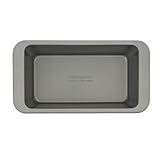
- 1 heavy-duty 9×5 inch metal loaf pan (aluminized steel preferred over glass for heat conduction)
- Parchment paper or non-stick baking spray
Instructions
- Preheat oven to 350°F (175°C) and ensure your baking rack is strictly in the center position.
- Line loaf pan with parchment paper, leaving an overhang on the long sides to act as a sling, and grease the baking pan lightly.
- Pour the thick batter into the pan and smooth the top gently with your spatula.
- Bake for 55 to 65 minutes. At the 45-minute mark, check the top; if it is browning too quickly, tent it loosely with aluminum foil.
- Bake until toothpick inserted directly into the tallest center crack comes out clean, or with just a few moist crumbs attached.
Expert insight: Metal pans offer superior thermal conductivity of loaf pans compared to glass, ensuring you bake banana bread evenly. To guarantee the center is not raw, use a digital thermometer—the bread is perfectly done when it reaches an internal temperature 200F, while the crust achieves complex flavor through the maillard reaction in baking.
7. Cool And Store Properly To Lock In Moisture

How to store old fashioned banana bread: To safely keep banana bread from drying out, cool it entirely on a wire rack before tightly wrapping it in aluminum foil and storing it in an airtight container. Managing the cooling process is essential because leaving the bread in the hot pan traps condensation, resulting in a soggy bottom. You must transfer the loaf precisely to allow proper air circulation.
The science of cooling involves the retrogradation of starch, where moisture continuously migrates from the warm center out toward the crust. Slicing into the loaf too early releases critical steam, destroying the internal structure. Proper storage protocols ensure it stays moist with extended shelf life and even freezes well for several months.
Ingredients
- The fully baked old fashioned banana loaf
- 1 heavy-duty stainless steel wire cooling rack
- Plastic wrap or aluminum foil for storage
Instructions
- Remove the pan from the oven and let the bread cool in pan for exactly 15 minutes to allow the delicate structure to set.
- Use the parchment paper overhang to gently lift the loaf out of the pan.
- Transfer the bread directly to a wire cooling rack and allow it to cool completely to room temperature (about 2 hours).
- Slice and serve only when fully cooled; tastes even better toasted the next day with butter.
- Wrap in foil or plastic wrap tightly and store in airtight container at room temperature for up to 4 days, or freeze banana bread for up to 3 months.
What most guides miss: Never slice classic homemade banana bread while it’s piping hot. The retrogradation of starch is actively occurring as it cools, setting the internal crumb and redistributing moisture. Slicing too early releases steam, resulting in a dry, gummy texture rather than a perfect old fashioned banana bread.

When baking an original banana bread, questions frequently arise about troubleshooting common failures and making ingredient substitutions. Many home bakers wonder why did my old fashioned banana bread sink or how they can replicate that specific bakery-style moisture at home. Understanding the intricate baking science behind these common queries empowers you to execute the recipe perfectly every time. Drawing from professional baker tips and decades of tested techniques, we have compiled the definitive answers to your most pressing questions. Whether you are dealing with a gummy crumb or wondering about the effects of alternative flours, mastering these concepts elevates your foundational baking knowledge. Let’s explore these essential troubleshooting answers to guarantee your next loaf is an absolute triumph.
What makes old fashioned banana bread moist?
The secret to incredibly moist delicious banana bread is a combination of heavily overripe bananas, the right fat ratio, and acidic dairy like sour cream or buttermilk.
Using dark, speckled bananas ensures maximum natural syrup and sugar content. Additionally, incorporating a quarter cup of full-fat sour cream tenderizes the gluten strands while providing excess moisture that doesn’t evaporate during baking. Finally, taking care not to overbake the loaf locks that moisture securely inside the crumb structure.
Why did my old fashioned banana bread sink in the middle?
Old fashioned banana bread typically sinks because of an unstable batter emulsion caused by cold ingredients, expired leavening agents, or underbaking the center.
According to baking science, if you add cold eggs to room-temperature creamed butter, the fat seizes and the emulsion breaks, causing a dense, sunken center. Additionally, if you don’t bake until toothpick comes out clean or the internal temperature reaches 200F, the raw center will completely collapse upon cooling.
Can I use oil instead of butter in old fashioned banana bread?
Yes, you can substitute oil for butter, which yields a softer, longer-lasting moistness, but you will sacrifice the classic rich, fluffy texture.
In the butter vs oil in banana bread debate, butter must be creamed to create air pockets for a fluffy heritage banana bread recipe. Oil cannot be creamed, resulting in a denser, wetter bread similar to a banana pound cake. For the best of both worlds, some professional bakers use a 50/50 blend.
How ripe should bananas be for banana bread?
Bananas should be extremely overripe, featuring heavily black-speckled or entirely black skin, and yield easily to gentle pressure.
Unripe or perfectly yellow bananas consist mostly of rigid starches that lack moisture and flavor. As they ripen, the enzymatic browning of bananas converts those starches into rich, liquid sugars. This natural syrup is mandatory for achieving an authentic sweet banana bread texture without relying entirely on processed sugars.
Why is my banana bread dry and crumbly?
A dry, crumbly loaf is almost always the result of overmeasuring flour, overbaking the bread, or overmixing the batter.
To fix crumbly banana bread, you must measure flour properly by spooning it into the cup and leveling it off; scooping packs too much flour. Overmixing the batter overworks the flour proteins, severely drying out the crumb. Finally, ensure your oven is calibrated correctly so you don’t bake all the moisture out of the loaf.
Can you freeze old fashioned banana bread?
Yes, classic homemade banana bread freezes exceptionally well and retains its moisture for up to 3 months when stored correctly.
To safely freeze banana bread, allow the loaf to cool entirely on a wire cooling rack to prevent condensation. Wrap the whole loaf or individual slices tightly in plastic wrap, followed by a layer of heavy-duty aluminum foil. Thaw slices at room temperature or warm them gently in the microwave to serve.
What does sour cream do in banana bread?
Sour cream acts as an acidic tenderizer that breaks down gluten proteins, resulting in a softer, finer, and more tender crumb.
When comparing sour cream vs buttermilk banana bread, sour cream introduces fat and moisture without thinning out the batter too much. Furthermore, the acidity in the sour cream reacts vigorously with the alkaline baking soda, creating carbon dioxide bubbles that provide crucial lift for a fluffy banana bread.
Can I use self-rising flour for old fashioned banana bread?
While possible, substituting self-rising flour is not recommended for an original 1957 recipe because it disrupts the precise leavening ratios needed for heavy banana batter.
Self-rising flour already contains baking powder and salt. Banana bread relies heavily on baking soda to neutralize acidic ingredients while providing a strong lift. If you must use it, omit the recipe’s added salt and baking soda, but expect a slightly different, lighter texture.
What is the difference between classic and modern banana bread?
Classic old fashioned banana bread relies on simple pantry staples, the butter creaming method, and natural banana sweetness, whereas modern recipes often use oils, alternative flours, or complex mix-ins.
An original banana bread from a vintage cookbook emphasizes technique—like sifting and folding—to achieve texture. Modern recipes often lean toward a healthy banana bread alternative by utilizing coconut oil, almond flour, or maple syrup, which alters the traditional dense-yet-fluffy crumb structure significantly.
How do I keep banana bread from sticking to the pan?
To prevent sticking, generously grease your loaf pan and line it with a parchment paper sling that extends over the long edges.
Even in non-stick pans, the high sugar content from the mashed ripe bananas can caramelize and fuse to the metal. By using parchment paper and allowing the bread to cool in pan for exactly 15 minutes before lifting it out via the paper overhang, you guarantee a flawless release every time.
Mastering Grandma’s old fashioned banana bread doesn’t require a culinary degree; it simply requires respecting the heritage recipe fundamentals that home bakers have trusted for decades. By focusing on tested culinary techniques and precise measurements, you elevate a basic quick bread into an extraordinary proven moist texture. This tested recipe eliminates the guesswork and common frustrations like gummy centers or dry, crumbly crusts, allowing you to bake with absolute confidence. The aroma of warm cinnamon and sweet bananas filling your kitchen is the ultimate reward for following these traditional steps. Understanding the simple baking science behind room temperature ingredients and proper leavening ensures you are fully equipped to bake the best banana bread you’ve ever tasted.
- Use Heavily Speckled Bananas for Ultimate Sweetness: Using extra ripe bananas is non-negotiable; as bananas blacken, starches convert to sugar, naturally ensuring a moist old fashioned banana bread without adding excess liquid.
- Master the Butter Creaming Method: Cream together butter and sugar for at least 3 minutes to trap air bubbles, which provides essential lift and prevents a dense banana bread.
- Temperature Control is Critical: Utilizing room temperature ingredients (especially eggs and butter) maintains batter emulsion and prevents a soggy bottom banana bread.
- Sift to Activate Leavening Agents Evenly: Always sift dry ingredients to ensure the baking soda is evenly distributed, creating the perfect ph balance with baking soda for maximum rise.
- Fold Gently to Avoid Rubberiness: When you combine wet and dry mixtures, fold gently to minimize gluten development; overmixing is the primary cause of tough, chewy bread.
- Rely on Internal Temperature for Doneness: To reliably bake banana bread evenly, use a digital thermometer rather than just a toothpick; the bread is perfectly baked at an internal temperature 200F.
Now that you have the precise measurements and the exact techniques to guarantee a perfectly moist old fashioned banana bread every single time, it’s time to preheat your oven. Grab those black-spotted bananas off your counter, dust off your stand mixer, and bring this original 1957 recipe back to life. Have you ever tried adding a dollop of cream cheese frosting or toasted pecans to your classic loaf? Let me know your favorite mix-ins in the comments below!
Last update on 2026-08-29 at 04:19 / Affiliate links / Images from Amazon Product Advertising API
