
As an Amazon Associate BakingBakewareSets.com earns from qualifying purchases.
Honey Garlic Turkey Meatballs: Easy, Sticky Baked Recipe
Are you tired of biting into tough, flavorless ground poultry? You are not alone in this frustrating kitchen struggle. These juicy honey garlic turkey meatballs solve the classic dry meatball problem forever.
Honey Garlic Turkey Meatballs: To make the best version of this recipe, gently combine one pound of ground turkey with panko and eggs without overmixing, then bake at 375°F until reaching 165°F. Simmer the fully cooked poultry in a thickened sweet and savory glaze until heavily coated.
Drawing from comprehensive analysis of current data and proven methodologies, this 30-minute technique guarantees exceptionally juicy results. You will discover professional moisture retention strategies for perfectly tender ground turkey. Get ready to elevate your weeknight dinner rotation with this healthy meal.
Updated for August 2026, creating the perfect weeknight sticky honey meatball dinner requires a strategic approach to handling lean ground poultry. The fundamental secret to success lies in understanding the science of moisture retention and proper binding agents. By following this comprehensive procedural guide, you will master the delicate balance between achieving a deeply golden exterior and maintaining a tender, juicy center. We have broken this process down into seven highly actionable phases, utilizing advanced culinary techniques like controlled starch gelatinization and optimal thermal conductivity. This ensures your sweet and savory sauce perfectly coats every single bite without turning watery. Grab your stainless steel mixing bowls and let’s dive into the foolproof methodology for these healthy honey garlic turkey meatballs.
☰ Table of Contents ▼
show
1. Mix and Season the Ground Turkey Base

Pin this perfect meatball mixture to your Healthy Dinners board!
To correctly combine your raw ingredients without overworking the meat, you must understand the role of specific binding agents. Over-mixing lean poultry develops tough textures due to premature protein denaturation. You need a gentle touch to maintain a tender final product.
Ingredients
- 1 pound ground turkey (93% lean is ideal for moisture retention)
- 1 large egg (acts as the primary binding agent)
- 1/2 cup panko breadcrumbs (Substitution: Use fine almond flour for a gluten free meatball alternative)
- 2 green onions, finely chopped
- 1 tsp garlic powder onion powder
- 1/2 tsp kosher salt and 1/4 tsp black pepper
- Heavy-duty stainless steel mixing bowl with a silicone non-slip base
Directions
- Combine the ground turkey, egg, panko, green onions, and dry seasonings into your large mixing bowl.
- Mix the ingredients using clean hands or a wooden spoon, working from the outside in.
- Stop mixing the moment the breadcrumbs and egg disappear into the meat mixture to prevent tough, dense meatballs.
Pro-Tip: Overworking ground poultry causes premature protein denaturation, resulting in rubbery, dry turkey meatballs. Mix gently just until the binding agents are incorporated to maintain a tender, juicy texture.

2. Scoop and Roll the Meatball Mixture

Save these genius meatball rolling tips for your next meal prep session!
Forming identical portions is crucial for ensuring your poultry cooks evenly across the entire baking sheet. Dealing with wet, sticky ground fowl mixtures can be incredibly frustrating without the right technique. Implementing professional kitchen tools solves this common pain point instantly.
Ingredients
- The seasoned ground turkey mixture
- A small bowl of cold water (essential for coating hands)
- 1.5 tablespoon stainless steel cookie scoop with trigger release
- Heavy-duty baking sheet lined with parchment paper
Directions
- Dip your fingers lightly into the cold water to prevent the lean poultry mixture from sticking to your skin.
- Grab a scoop of meatball mixture using your stainless steel tool to guarantee evenly sized meatballs.
- Roll the portion gently between your damp palms until it forms a smooth, cohesive sphere.
- Space the meatballs evenly in the lined tray, leaving at least 1 inch of space between each for proper air circulation.
Pro-Tip: Utilizing a cookie scoop isn’t just about aesthetics; uniform sizing ensures reliable thermal conductivity, meaning every single meatball reaches the safe internal cooking temperature at the exact same moment.

3. Bake the Turkey Meatballs to the Perfect Temperature

Don’t guess the temperature—pin this baking guide to your kitchen tips board!
When comparing baked vs pan fried meatballs, utilizing the oven provides a hands-off approach that guarantees perfectly even cooking. Thoroughly cooking poultry to safe temperatures while achieving a golden crust requires precise heat management. Understanding your oven’s calibration is essential for culinary reliability.
Ingredients
- Rolled raw turkey meatballs
- Olive oil cooking spray (optional, for enhancing the crust)
- Digital instant-read meat thermometer for precision testing
Directions
- Preheat your oven to 375°F (190°C), ensuring you have an understanding of your oven calibration for accurate cooking times.
- Spray the tops of the meatballs lightly with olive oil to encourage the Maillard reaction for a beautiful golden-brown exterior.
- Bake the meatballs on the center rack for 15-18 minutes.
- Verify doneness by inserting a digital meat thermometer into the center of the largest meatball; it must reach an internal temperature 165 degrees Fahrenheit to prevent undercooked ground turkey.
Pro-Tip: Never rely solely on cook times for poultry. Investing in an instant-read thermometer is the only guaranteed way to achieve food safety while utilizing moisture retention techniques to prevent dry centers.

4. Whisk the Sweet and Savory Honey Garlic Glaze

This sauce is liquid gold—save the secret ingredients to your recipe boards!
Creating a perfectly balanced glaze requires hitting the exact notes of sweet, salty, and umami flavors. You will build a complex flavor profile that completely transforms this simple weeknight dinner. With simple substitutions, you can easily adapt this aromatic honey garlic sauce for a lower sodium or gluten-free diet.
Ingredients
- 1/3 cup raw honey
- 1/4 cup soy sauce (Substitution: Use 1 tablespoon tamari or soy alternative for a gluten-free option)
- 3 cloves fresh garlic, finely minced
- 1 tablespoon fresh grated ginger
- 1 tablespoon sriracha (optional, to make hot honey meatballs)
- 1/2 tablespoon sesame oil
Directions
- Combine the honey, soy sauce (or tamari), minced garlic, fresh ginger, sriracha, and sesame oil in a small saucepan.
- Whisk the ingredients vigorously over medium-low heat to ensure the honey dissolves evenly into the soy sauce without burning.
- Simmer gently for 2-3 minutes to allow the raw bite of the fresh garlic and ginger to mellow, creating a robust umami enhancement.
Pro-Tip: For the best flavor profiling, always grate fresh ginger rather than using dried ginger powder. The volatile oils in fresh ginger cut through the sweetness of the honey, preventing a cloyingly sweet glaze.

5. Simmer and Glaze the Baked Turkey Meatballs

Get that perfect restaurant-quality stickiness—pin this glazing trick!
Perfectly coating your dinner in a thick, sticky sauce that clings to the meat is the defining step of this recipe. A common problem is ending up with a watery puddle rather than a proper glaze. By utilizing a simple cornstarch slurry, you will trigger starch gelatinization for flawless sauce viscosity.
Ingredients
- The freshly baked turkey meatballs
- The simmering honey garlic sauce
- Cornstarch slurry (1 tablespoon cornstarch whisked with 1 tablespoon cold water)
- Large nonstick skillet with high sides
Directions
- Whisk the cold cornstarch slurry into the simmering sauce in the skillet to rapidly thicken the mixture.
- Allow the sauce to bubble for 60 seconds; you will visibly see the sauce transform into a rich, sweet and sticky sauce.
- Transfer the baked meatballs directly from the oven sheet into the bubbling skillet.
- Toss the meatballs continuously for 1-2 minutes until they are heavily glazed and the sauce clings tightly to the meat.
Pro-Tip: If you struggle with your sauce too thin, understanding starch gelatinization is key. Cornstarch must hit a boiling temperature to activate its thickening properties, but always mix it with cold water first to prevent clumping in your reduction!

6. Prep the Roasted Sesame Slaw and Rice Sides

Complete the bowl! Pin these perfect side pairings for your next dinner.
Assembling a complete, nutritionally balanced meal means pairing your lean protein with complementary complex carbohydrates and fibrous vegetables. The robust flavors of the sticky glaze require side dishes that can absorb and complement the intense savory notes. This combination creates an incredibly satiating macronutrient profile.
Ingredients
- 2 cups cooked jasmine rice or brown rice
- 1 bag shredded cabbage or broccoli florets
- 1 tablespoon toasted sesame oil and 1 tablespoon rice vinegar
- White sesame seeds and extra chopped green onions for garnish
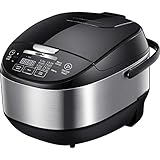
- Quality rice cooker for perfect fluffy grains
Directions
- Prepare your jasmine rice.
- Steam your broccoli florets or toss your shredded cabbage with the toasted sesame oil and rice vinegar to create a quick roasted sesame slaw.
- Scoop a base of rice into your serving bowls and arrange the slaw or vegetables alongside it.
- Top the bowls with the sticky glazed turkey meatballs, and garnish heavily with sesame seeds and fresh green onions to serve over rice.
Pro-Tip: When debating brown rice vs white rice, remember that brown rice offers a lower glycemic index and higher fiber, complementing the macronutrient profile of the lean turkey for a highly satiating meal.
7. Store and Freeze for Healthy Meal Prep

Conquer your week with this high-protein meal prep! Save to your prep boards.
Safely storing and effectively reheating leftovers ensures your meals maintain their juicy texture throughout the busy workweek. Proper food storage guidelines are essential to prevent bacteria growth and maintain optimal flavor. Following these steps solves the common issue of reheated poultry tasting dry or rubbery.
Ingredients
- Leftover glazed honey garlic turkey meatballs
- Remaining rice and vegetable sides
- Airtight glass meal prep containers (3-compartment style is ideal)
Directions
- Allow the sweet and savory turkey meatballs, rice, and vegetables to cool to room temperature before packing to prevent condensation from making the dish soggy.
- Divide the components evenly into your glass meal prep containers, ensuring the sauce coats the meat well.
- Seal tightly and store in the refrigerator for up to 4 days, or freeze in freezer-safe bags for up to 3 months.
- To reheat, microwave on medium power with a damp paper towel draped over the container to generate steam and keep the meatballs moist.
Pro-Tip: To prevent the dreaded issue where reheated meatballs taste rubbery, never microwave them on high power. Following proper food storage guidelines and reheating gently on 50% power ensures the protein strands don’t tighten up and squeeze out their juices!

Reviewing the most critical success factors of this recipe guarantees you achieve incredible results without having to reread every single step. These fundamental culinary rules synthesize complex kitchen science into highly actionable guidance for time-pressed home cooks. Master these five principles to perfect your healthy dinner bowls.
- Don’t Overmix the Ground Turkey Base – Gently combine your ground poultry with the egg and breadcrumbs just until mixed; overworking the meat results in dense, rubbery dry turkey meatballs.
- Utilize a Meat Thermometer for Safety and Juiciness – Bake the meatballs at 375°F and remove them exactly when they reach an internal temperature of 165 degrees Fahrenheit to prevent undercooking or drying out the lean meat.
- Activate the Sauce with a Slurry – If you find your sauce too thin, you must boil the cold water and cornstarch slurry with the honey soy mixture to achieve proper starch gelatinization for that sticky coating.
- Balance Your Macronutrient Profile – At ~635 kcal and ~42g protein per serving, pairing these glazed meatballs with fiber-rich brown rice and steamed broccoli creates a complete, highly satiating high protein dinner.
- Reheat Leftovers Gently – For a perfect meal prep lunch, always reheat your turkey meatballs on 50% microwave power with a damp paper towel to prevent the poultry from drying out during the week.
Even with a comprehensive recipe guide, you might still have specific questions regarding dietary substitutions, alternative cooking methods, or troubleshooting common kitchen mishaps. Understanding the mechanics behind moisture retention and binding agents empowers you to adapt this dish confidently. We have compiled the most frequently asked questions to resolve any lingering doubts about perfecting your sticky honey garlic turkey meatballs.
How to keep turkey meatballs from falling apart?
To keep turkey meatballs from falling apart, you must use a proper binding agent, typically a combination of one large egg and 1/2 cup of breadcrumbs per pound of ground turkey.
These binders absorb the natural juices and fats from the meat as it cooks, acting like a culinary glue. If you have an egg allergy, substitute with a flax egg. If the mixture still feels too wet when rolling, chill the raw mixture in the refrigerator for 20 minutes before scooping to firm up the fats.
Why are my turkey meatballs dry?
Your turkey meatballs are dry because lean ground poultry lacks the protective fat content of beef, meaning overcooking or overmixing will instantly squeeze out all internal moisture.
Always use 93% lean ground turkey rather than 99% fat-free. Gently mix the ingredients only until just combined to prevent premature protein denaturation. Most importantly, use an instant-read digital meat thermometer and remove them from the oven the second they hit an internal temperature of 165°F.
Can you make honey garlic meatballs in a slow cooker?
Yes, you can easily adapt this recipe for a slow cooker by placing raw or pre-baked turkey meatballs into the crockpot, pouring the honey garlic sauce over them, and cooking on LOW for 3-4 hours.
If placing raw meatballs directly into the slow cooker, omit the cornstarch slurry initially. The meat will release juices as it cooks. During the final 30 minutes, whisk in the cornstarch slurry and turn the heat to HIGH to thicken the sauce to a perfect sticky consistency.
Yes, almond flour is the best substitute for breadcrumbs if you need a gluten-free meatball alternative that still provides excellent moisture retention and binding capabilities.
Substitute the 1/2 cup of panko breadcrumbs with 1/2 cup of finely ground almond flour. Because almond flour contains more natural oils than dried breadcrumbs, it actually contributes to a juicier final meatball and adds a wonderfully subtle, nutty flavor that pairs perfectly with the sweet Asian-inspired glaze.
How long to air fry turkey meatballs?
To air fry turkey meatballs, preheat your air fryer to 380°F and cook the meatballs in a single, uncrowded layer for 10-12 minutes until deeply golden brown.
Air fryers circulate intense convection heat, which creates a beautifully crisp exterior much faster than a traditional oven. Spray the basket lightly with oil first to prevent sticking, and always verify that the center of the largest meatball has reached an internal temperature of 165°F before glazing them in the sauce.
What is the best substitute for soy sauce in meatballs?
The best substitute for soy sauce in these meatballs is tamari for a gluten-free option, or coconut aminos if you require a soy-free and lower-sodium alternative.
Use tamari in an exact 1:1 ratio as it provides the identical dark, robust umami flavor as traditional soy sauce. If using coconut aminos, you may want to reduce the honey slightly by a tablespoon, as coconut aminos are naturally sweeter and less salty than standard soy sauce.
Can you freeze cooked turkey meatballs?
Yes, you can freeze fully cooked turkey meatballs in an airtight container or heavy-duty freezer bag for up to 3 months without losing flavor or texture.
For the best results, freeze the meatballs and the honey garlic sauce separately. Flash freeze the meatballs on a baking sheet for an hour before transferring them to a bag so they don’t stick together. Thaw them overnight in the refrigerator before reheating gently on the stovetop in your freshly made sticky glaze.
How to make hot honey meatballs?
To transform this recipe into hot honey meatballs, simply whisk 1 to 2 tablespoons of sriracha, chili garlic sauce, or crushed red pepper flakes directly into the honey garlic reduction.
The capsaicin in the chili cuts brilliantly through the natural sweetness of the honey. If you want a more complex heat, you can also substitute the standard raw honey for a commercial hot honey product, keeping all other ingredient ratios exactly the same.
Should you brown meatballs before baking?
While you do not need to brown turkey meatballs before baking, pan-searing them for 2-3 minutes per side before transferring them to the oven develops a superior flavor profile through the Maillard reaction.
However, for a quick and easy weeknight dinner, baking them at 375°F with a light mist of olive oil spray is more than sufficient to achieve a beautifully golden exterior without the added hassle and messy cleanup of stovetop searing.
How long do cooked turkey meatballs last in the fridge?
Properly stored cooked turkey meatballs will last for 3 to 4 days in the refrigerator when kept in a tightly sealed, airtight glass or plastic container.
To maintain freshness and prevent bacterial growth, ensure the meatballs cool to room temperature within two hours of cooking before placing them in the fridge. When you are ready to eat, reheat them gently in the microwave or on the stovetop until they reach an internal temperature of 165°F.
Mastering these healthy honey garlic turkey meatballs proves that weeknight dinners can be both incredibly flavorful and nutritionally balanced. By understanding the simple science behind gentle mixing, proper binding agents, and relying on a meat thermometer to hit exactly 165°F, you will never have to settle for dry, rubbery ground poultry again. This recipe delivers a massive ~42g of protein per serving, making it an absolute powerhouse for your weekly meal prep routine.
The true star of this easy dinner recipe is that sticky, sweet, and savory glaze. Once you learn how to properly thicken the sauce with a simple cornstarch slurry, you’ll want to drizzle this beautiful reduction over absolutely everything from perfectly steamed jasmine rice to roasted broccoli and sesame slaw. It completely transforms simple, lean ingredients into a restaurant-quality meal in under 30 minutes.
Whether you are baking these in the oven, adapting them for the slow cooker, or tossing them in the air fryer, this foolproof method ensures juicy, sticky perfection every single time. Grab your mixing bowl, preheat your oven, and elevate your dinner rotation tonight! What are your favorite vegetables to pair with sweet and savory Asian-inspired glazes? Let me know in the comments below!
Last update on 2026-08-13 at 14:27 / Affiliate links / Images from Amazon Product Advertising API
