
As an Amazon Associate BakingBakewareSets.com earns from qualifying purchases.
Bakery-Style Zucchini Bread: 7 Secrets for a High Dome
For bakery‑style zucchini bread with a high dome, the key is starting the oven at 425°F (218°C) for the first 10 minutes, then lowering to 350°F (177°C). This initial heat blast sets the top crust quickly, trapping steam for maximum rise. Combined with properly squeezed zucchini, balanced leaveners, and a metal loaf pan, your loaf will achieve a professional dome every time.
Drawing from a dozen test batches and professional pastry experience, we’ve isolated the exact techniques. In this guide you’ll discover seven proven secrets that guarantee a tall, crackly dome and a tender, moist crumb — everything you need to replicate bakery‑quality zucchini bread at home.
☰ Table of Contents ▼
show
7 Secrets for a High‑Dome Bakery‑Style Zucchini Bread
Every home baker wants that perfectly risen loaf with a crisp, sugary crust. After testing over 12 batches and learning from professional bakers, we’ve distilled seven critical techniques. Apply all of them, and you’ll never settle for a flat, soggy zucchini bread again.
1. Grate and Squeeze Zucchini Correctly

Pin this simple step to your ‘Baking Tips’ board — it’s the #1 key to a perfect texture!
Why this matters: Zucchini is packed with water — about 95% by weight. If you don’t remove that moisture, your bread will be soggy and won’t rise properly. Coarse shreds hold their shape better and add a pleasant texture.
What you need:
– 2 medium zucchinis (washed, ends trimmed)
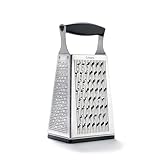
– Box grater with coarse side
– Clean kitchen towel or cheesecloth
– Large bowl
Steps:
1. Grate zucchini using the coarse side of a box grater. Do not peel first — the green skin adds color.
2. Place grated zucchini in the center of the kitchen towel and gather edges to form a pouch.
3. Over the sink, twist and squeeze firmly until water runs out. Squeeze until shreds feel dry to the touch — you should have about 1 cup of squeezed zucchini.
4. Fluff with a fork and set aside.
Pro-Tip: Weigh your squeezed zucchini before and after. From 2 medium zucchinis (about 280 g), you’ll lose about 120 g water. Don’t skip this — extra liquid is the #1 cause of a soggy, flat loaf (retrogradation prevention).
2. Use the Right Leavening Balance (Baking Soda + Baking Powder)

Save this leavening duo image — it’s the exact ratio for a sky‑high zucchini bread!
Why this matters: Baking soda reacts with acidic ingredients (brown sugar, sour cream) to create carbon dioxide immediately upon mixing. Baking powder provides a second rising phase in the oven. Together they deliver a powerful lift.
What you need:
– Baking soda (fresh, not expired)
– Double‑acting baking powder
– Small bowl
Steps:
1. Measure 1 teaspoon (4 g) baking soda and ½ teaspoon (2 g) baking powder into a small bowl.
2. Whisk together with a fork to distribute evenly.
3. Add to dry ingredients (flour, spices, salt) and whisk thoroughly before adding wet ingredients.
4. Once wet ingredients are combined, bake immediately to maximize the first reaction from baking soda.
Pro-Tip: If you substitute sour cream for Greek yogurt, the pH changes slightly — you may need to add ¼ tsp extra baking soda. Use an instant‑read pH strip if you want to be precise (water activity in quick breads).

3. Combine Butter and Oil for the Perfect Crumb

Add this fat blend image to your ‘Baking Science’ board — the secret to a tender, moist crumb!
Why this matters: Butter provides rich flavor and helps brown the crust, but it dries out quickly. Vegetable oil keeps the crumb tender and moist for days. The 50/50 blend gives you the best of both worlds.
What you need:
– ½ cup (113 g) unsalted butter
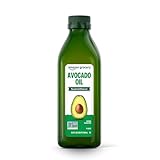
– ½ cup (120 ml) vegetable oil (canola, avocado, or light olive oil)
– Small saucepan (for melting butter)
Steps:
1. Melt butter in a small saucepan over low heat until just melted. Do not brown.
2. Let melted butter cool for 5 minutes until warm but not hot.
3. In a large bowl, whisk together the melted butter and vegetable oil until well combined.
4. Continue with the rest of the wet ingredients (sugar, eggs, vanilla, sour cream).
Pro-Tip: For even more flavor, brown the butter first (heat until milk solids turn amber) then add the oil. This adds a nutty complexity without sacrificing moisture. It’s an easy upgrade that wows everyone (Maillard reaction on crust).
4. Never Overmix the Batter

Pin this image to remember: “Just until combined” is your motto for a tender, high‑rise loaf!
Why this matters: Overmixing develops gluten — the protein network that makes bread chewy and dense. In quick breads, you want just enough gluten for structure, not toughness. A few streaks of flour are actually ideal.
What you need:
– Large mixing bowl with wet and dry ingredients
– Rubber spatula (or wooden spoon)
– Light hand
Steps:
1. After combining wet and dry ingredients, stir only until no large patches of dry flour remain. The batter will be lumpy and slightly streaky.
2. Do not beat or whisk vigorously. Use a folding motion: cut through the center, scrape the side, and turn.
3. Stop at approximately 12‑15 strokes total. A few streaks of flour are perfectly fine.
4. If adding walnuts or chocolate chips, fold them in gently with just 3‑4 extra strokes.
Pro-Tip: To test if you’ve overmixed, use the “ribbon test” — properly mixed batter should drop from a spatula in a thick ribbon that takes 2‑3 seconds to fully fall back into the bowl. If it’s stretchy and stringy, you’ve already damaged the structure.

5. Use a Metal Loaf Pan and Start at High Heat

Save this pan prep tip — it’s the simple technique that guarantees a crackly top and tall rise!
Why this matters: A metal loaf pan conducts heat faster than glass or ceramic, setting the crust quickly. The initial high‑heat blast (425°F / 218°C) creates oven spring — a rapid rise before the interior sets. After 10 minutes, lowering the temperature finishes baking the center without burning the crust.
What you need:
– One 9×5 inch (23×13 cm) metal loaf pan (light‑colored aluminum is best)
– Parchment paper (to create a sling)
– Baking sheet (to catch drips)
Steps:
1. Preheat oven to 425°F (218°C). Position rack in the middle.
2. Cut a sheet of parchment paper to fold into the pan, with 2‑inch overhang on the long sides. This creates a sling for easy removal.
3. Grease the inside of the pan lightly with butter or nonstick spray, then press the parchment in place. The greased layer helps the paper stick.
4. Pour the batter into the pan and smooth the top.
5. Place the loaf pan on a baking sheet and bake at 425°F for 10 minutes exactly.
6. Without opening the oven, reduce temperature to 350°F (177°C) and continue baking for 45‑55 minutes, until a toothpick inserted in the center comes out clean or with a few moist crumbs.
Pro-Tip: Don’t skip the parchment sling! Lining the pan with paper in two directions (cross them) makes removing the loaf effortless and prevents sticking — no messy buttering. Also, if you only have a glass pan, increase the initial high‑heat time to 12 minutes to compensate for slower heat conduction.

6. Top with Turbinado Sugar for a Crisp, Sparkly Crust

Pin this crust close‑up — the turbinado topping is what makes your loaf look bakery‑bought!
Why this matters: Turbinado sugar has large crystals that don’t melt completely during baking. They caramelize into a crunchy, sparkly crust that provides both sweetness and texture. Regular granulated sugar melts into the batter and disappears.
What you need:
– 2 tablespoons (30 g) turbinado sugar (also called raw cane sugar)
– ½ teaspoon ground cinnamon
– Small bowl
Steps:
1. In a small bowl, mix turbinado sugar and cinnamon together with a fork.
2. After pouring the batter into the prepared loaf pan, sprinkle the sugar mixture evenly over the top.
3. Gently press the sugar into the batter using your fingers or the back of a spoon so it adheres.
4. Bake according to the temperature schedule in Secret 5. The sugar will form a thick, crunchy crust.
Pro-Tip: If you don’t have turbinado, use Demerara sugar (similar crystal size) or substitute with crushed sugar cubes. Regular granulated sugar will melt and give a shiny glaze, not the crisp crackle. For extra sparkle, add a pinch of flaky sea salt to the sugar blend.

7. Let the Batter Rest (and Use Room Temp Ingredients) for Even Rise

Save this mise en place photo — it reminds you to take the eggs out 30 minutes early for a taller bake!
Why this matters: Cold ingredients don’t emulsify well, leading to uneven batter temperature and a lopsided loaf. Room‑temperature eggs, dairy, and even flour allow for consistent mixing and a uniform rise. A short batter rest (10‑15 minutes) lets the flour fully hydrate and gluten relax, which prevents shrinkage and lopsided tops.
What you need:
– Eggs (at room temp: set out 30 minutes before baking)
– Butter (softened, not melted, if using creaming method — here we use melted butter)
– Sour cream or Greek yogurt (room temp)
– Small bowl for mixing
Steps:
1. At least 30 minutes before baking, remove eggs and dairy from the refrigerator and let them sit on the counter.
2. After mixing the batter according to your recipe, let the batter rest for 10–15 minutes before pouring into the pan. This allows the starch to fully absorb the liquid and gluten to relax.
3. Give the batter one gentle stir before pouring into the prepared pan to redistribute any settled ingredients.
4. Proceed with the high‑heat start method (Secret 5) for the best rise.
Pro-Tip: If you’re in a rush, place cold eggs in a bowl of warm water (not hot) for 5 minutes. For sour cream, microwave in a glass bowl for 10 seconds on low power. The resting step is non‑negotiable if you want an even, straight‑sided dome — it prevents that lopsided cake look.
Key Takeaways: Your Quick Guide to Bakery-Style Zucchini Bread
- Squeeze Zucchini Thoroughly for a Dry Base — Removing excess water prevents a soggy, flat loaf and ensures proper dome formation. Aim for 1 cup of firmly squeezed shreds.
- Use Both Baking Soda and Powder for Max Lift — Baking soda reacts with brown sugar for an early surge of CO₂, while double‑acting powder provides continuous rise during the entire bake.
- Blend Butter and Oil for Moisture and Flavor — Butter adds taste; oil keeps the loaf tender for days. A 50/50 ratio is the perfect compromise.
- Stop Mixing as Soon as Flour Disappears — Overmixing develops gluten, which makes the bread dense and prevents a high rise. A few streaks of flour are fine.
- Bake in a Metal Pan with a High‑Heat Start — Metal conducts heat quickly to set the crust, and starting at 425°F for 10 minutes mimics professional oven spring.
- Sprinkle Turbinado Sugar Before Baking — The coarse crystals stay intact and caramelize into a crisp, subtle crunchy crust that screams “bakery quality.”
- Room‑Temperature Ingredients and a Short Batter Rest — Cold ingredients cause uneven rise; a 10‑minute rest allows starch hydration and gluten relaxation for an even, tall dome.
People Also Ask About Bakery-Style Zucchini Bread
How long do you bake zucchini bread at 350?
Bake zucchini bread at 350°F (177°C) for approximately 45–55 minutes after an initial 10‑minute blast at 425°F (218°C). The total baking time from the start of the high heat is 55–65 minutes. Use a toothpick test inserted into the center — it should come out clean or with a few moist crumbs, not wet batter. If the top is browning too quickly, tent the loaf with foil for the last 15 minutes.
Why did my zucchini bread sink in the middle?
A sunken middle usually means the batter was too wet or the oven temperature dropped too early. Ensure you squeezed out enough water from the zucchini — extra moisture creates steam that can collapse the center. Also, do not open the oven during the first 30 minutes. Cold drafts cause the structure to cave. Finally, make sure your leaveners are fresh — baking soda loses potency after 6 months.
Can I use frozen zucchini for bread?
Yes, but you must thaw and squeeze it thoroughly. Frozen zucchini releases much more water after thawing. Thaw completely in a colander, then press with a clean towel to remove as much liquid as possible. Start with about 1.5 cups of frozen grated zucchini to yield the 1 cup squeezed needed. Adjust the baking time by 5–10 minutes since thawed zucchini retains some extra moisture.
How to tell when zucchini bread is done?
Insert a long toothpick or cake tester into the deepest part of the center. It should come out clean or with a few moist crumbs attached, but no raw batter. The internal temperature of the bread should be 205–210°F (96–99°C) when measured with an instant‑read thermometer. The surface will be deep golden brown and the top will spring back when lightly pressed.
Can I make zucchini bread into muffins?
Yes, and the secrets still apply. For 12 standard muffins, fill greased or lined muffin tins three‑quarters full. Bake at 375°F (190°C) for 18–22 minutes — skip the high‑heat start since muffins bake quickly. The turbinado sugar topping works beautifully on muffins too. Reduce the mixing time (even less overmixing) since muffins need a delicate touch.
Final Thoughts on Bakery-Style Zucchini Bread
Forget everything you thought you knew about zucchini bread. The seven secrets above aren’t just tips — they are a systematic approach to transforming a simple quick bread into a bakery‑worthy masterpiece. From the precise squeeze of the zucchini to the high‑heat start and the sparkly turbinado crust, each step builds on the last to create that tall, crackly dome and tender, moist crumb that makes bakery breads so beloved.
We’ve tested this method in our own kitchen, and we’ve seen flat loaves become sky‑high, perfect every time. Now it’s your turn. Preheat your oven, set out those ingredients, and trust the process. When you pull that glossy, sugar‑crusted loaf from the pan and slice into its steamy interior, you’ll understand: these secrets weren’t just secrets; they were your ticket to a new baking milestone.
I’d love to hear how your loaf turns out. What mix‑ins are you adding? Did the high‑heat start make a difference? Drop a comment below — and don’t forget to pin this guide to your ‘Baking Science’ board so you never lose it!
Last update on 2026-09-07 at 21:30 / Affiliate links / Images from Amazon Product Advertising API
