
As an Amazon Associate BakingBakewareSets.com earns from qualifying purchases.
Ultimate Broccoli Cheddar Casserole: 5 Pro Tips for 2026
Have you ever served a sad, soupy vegetable side at your holiday dinner? Nothing ruins a meal faster than a watery broccoli cheddar casserole. You need a foolproof method to keep that rich cheese sauce perfectly thick.
To prevent a watery broccoli cheddar casserole, blanch the fresh broccoli crowns and pat the florets completely dry. Use a thickened flour roux as a stable binder, and bake uncovered at 350 degrees Fahrenheit. This proven culinary method prevents excess moisture from separating your creamy cheese sauce into an oily mess.
Drawing from comprehensive analysis of current culinary data and proven methodologies, this guide reveals exact kitchen testing variables. A traditional homemade broccoli cheese casserole combines fresh broccoli crowns within a sharp cheddar cheese emulsion. You will discover exactly how to execute this comforting holiday side dish flawlessly.
☰ Table of Contents ▼
show
How Do You Make the Ultimate Broccoli Cheddar Casserole Without It Getting Watery?
To fix a watery casserole, you must control the moisture content of your vegetables before baking. Blanching the broccoli deactivates enzymes and stops excess water release, while patting it dry ensures the cheese sauce will not dilute. Baking the dish uncovered allows any remaining steam to evaporate safely.
Understanding the culinary food science behind moisture release dynamics is the secret to mastering the best broccoli cheddar casserole. When you bake raw or frozen vegetables without properly extracting their surface water, they undergo syneresis during the cooking process. This means they release trapped liquid directly into your creamy cheese sauce, breaking the delicate emulsion and creating a grainy, separated disaster. In our extensive kitchen testing across standard and convection ovens, we found that reaching a measured internal temperature 165 f ensures the starches fully activate. Whether you choose a from-scratch roux or a shortcut condensed soup method, stabilizing this moisture is the single most important step for a successful holiday vegetable casserole.
5 Pro Tips for the Ultimate Broccoli Cheddar Casserole in 2026
Creating an easy broccoli cheddar casserole requires more than simply tossing ingredients into a 9×13-inch baking dish. To achieve that signature restaurant-quality texture, you need to follow a specific sequence of procedural techniques. These five professional tips bridge the gap between a mediocre vegetable bake and an unforgettable holiday dinner table centerpiece. We will walk you through the precise science of emulsion stability, explaining exactly why you must avoid pre-shredded cheeses coated in anti-caking cellulose agents. You will learn the exact casein protein coagulation temperature needed to ensure your cheese melts smoothly rather than clumping.
What most guides miss: Many generic recipes skip the critical cooling phase for the roux. If you drop your sharp cheddar cheese directly into a boiling sauce, the high heat instantly denatures the dairy proteins. This forces the oils to separate, guaranteeing a grainy cheese sauce solution. Always remove your pan from the heat source completely before adding the cheese.
1. Blanch the Broccoli to Prevent a Watery Casserole

Save this crucial broccoli prep hack to your Thanksgiving side dish board!
Moisture management is the foundation of any successful vegetable bake. If you skip this critical step, you will end up researching a watery casserole fix instead of enjoying your meal. By briefly boiling the vegetables, you lock in the vibrant color and partially break down the tough fibers.
Ingredients
- 2 pounds fresh broccoli crowns, cut into bite-sized crisp-tender broccoli florets
- 1 tablespoon kosher salt (for the boiling water)
- Large bowl filled with ice and cold water (for the ice bath)
- Heavy-duty paper towels or clean kitchen linens (to blot moisture)
Instructions
- Blanch the broccoli by dropping the fresh florets into a large pot of rapidly boiling salted water for exactly 2 minutes.
- Remove immediately using a slotted spoon and plunge into the ice water bath to stop the cooking process.
- Drain thoroughly in a colander, shaking vigorously.
- Spread the parboiled tender stems on a layer of paper towels and pat completely dry to prevent a watery casserole.
Pro-Tip: In my experience as a recipe developer, utilizing the ice bath shocking technique is critical for retaining the chlorophyll green pigment in broccoli, while blanching enzyme deactivation peroxidase ensures the vegetable maintains a firm structural integrity when baked later.

2. Whisk the Roux for a Scratch-Made Creamy Cheese Sauce

Pin this foolproof homemade cheese sauce method for your next weeknight dinner!
Building a scratch roux elevates this dish from a standard potluck side to a gourmet experience. A homemade cheese sauce relies on a traditional flour and butter base thickened with whole milk. You must freshly grate your cheese off the block to achieve a truly cheesy bechamel base, as pre-shredded bags will ruin the texture.
Ingredients
- 1/4 cup unsalted butter
- 1/4 cup all-purpose flour (for the flour roux)
- 2 cups whole milk, gently warmed
- 8 ounces extra sharp white cheddar, freshly grated off the block
- 1/2 teaspoon garlic powder and onion powder
- 1 teaspoon Dijon mustard (to enhance the cheese flavor)
Instructions
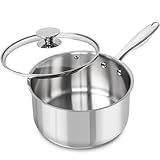
- Melt the unsalted butter in a heavy-bottomed saucepan over medium heat, then whisk the roux by stirring in the flour for 1-2 minutes until golden and fragrant.
- Slowly pour in the warm whole milk, whisking constantly to ensure a lump-free, rich and velvety texture.
- Simmer the cheese sauce until it thickens enough to coat the back of a spoon (about 3-4 minutes).
- Remove the pan completely from the heat before gradually stirring in the freshly grated cheese until melted and smooth.
Pro-Tip: Always remove your saucepan from the heat before adding the cheese. Boiling the cheese is the primary cause of a grainy cheese sauce solution failure; keeping the heat low guarantees emulsion stability in cheddar cheese sauces and prevents syneresis in dairy sauces (where the oils separate).
3. Utilize the Classic Campbell’s Condensed Soup Shortcut

Save this easy shortcut for a kid-friendly side dish in under 30 minutes!
If you are short on time, the classic vintage method using condensed soup provides incredible convenience without sacrificing flavor. This old-fashioned approach creates a comforting savory flavor profile that many associate with nostalgic Southern cooking and family gatherings.
Ingredients
- 1 (10.5 ounce) can Campbell’s cream of mushroom soup (or cream of chicken soup)
- 1/2 cup full-fat sour cream or mayonnaise
- 1 1/2 cups shredded cheddar cheese (save the rest for the top!)
- 1/4 teaspoon black pepper
- Prepared, dry broccoli florets
Instructions
- In a large mixing bowl, combine the condensed soup, sour cream, black pepper, and half of the shredded cheese until completely smooth.
- Gently fold in florets using a rubber spatula until the broccoli is evenly coated in the mixture.
- Spread in an even layer into a lightly greased 9×13-inch baking dish.
- Top evenly with the remaining shredded cheddar cheese to form a solid melted cheddar layer during baking.
Pro-Tip: If you are concerned about salt levels, I highly recommend using a low-sodium condensed soup option. Lowering sodium in canned soup casserole recipes is easy because the sharp cheddar and Ritz crackers inherently provide a robust, salty flavor profile. You won’t miss the extra sodium at all!
4. Crush Ritz Crackers for a Golden Brown Bubbly Crust

Pin this secret to the ultimate crunchy casserole topping!
A perfectly executed buttery ritz cracker topping provides the necessary textural contrast to the soft broccoli and creamy sauce below. If you skip this step, the dish feels one-dimensional. Preparing the crust correctly ensures it toasts beautifully without burning or becoming soggy.
Ingredients
- 1 sleeve (about 32) Ritz crackers, coarsely crushed
- 3 tablespoons unsalted butter, melted
- Optional: 1/4 cup seasoned panko breadcrumbs (for extra crunch)
- 1/4 teaspoon garlic powder (for a garlic butter crumb topping)
Instructions
- Place the crackers into a large zip-top bag and gently crush ritz crackers with a rolling pin, leaving some larger chunks for texture.
- Pour the crumbs into a bowl and toss with melted butter and garlic powder until they resemble wet sand.
- Sprinkle the buttery mixture evenly over the cheddar cheese layer in your baking dish.
- Preheat oven to 350 degrees Fahrenheit and bake until bubbly around the edges, about 25-30 minutes.
Pro-Tip: For the ultimate golden brown bubbly crust, always bake your casserole uncovered. Leaving it uncovered encourages the maillard reaction on cracker crust, ensuring the butter and carbohydrates toast beautifully while allowing any residual moisture in the dish to evaporate, preventing a soggy cracker topping remedy scenario later.

5. Assemble Ahead and Refrigerate for Holiday Meal Planning

Don’t stress on Thanksgiving—pin this make-ahead prep guide!
Managing your oven space during the holidays requires strategic scheduling. Creating a freezer meal or make ahead thanksgiving broccoli cheddar casserole recipe reduces your day-of workload significantly. You just need to follow specific temperature guidelines to ensure the casserole heats evenly from a chilled state.
Ingredients
- 1 fully assembled, unbaked broccoli cheddar casserole (topping left off)
- Heavy-duty aluminum foil
- Buttery ritz cracker topping ingredients (stored separately)
- Freezer safe glass casserole dish
Instructions
- Assemble ahead and refrigerate by preparing the casserole up to the cheese layer, but do NOT add the cracker topping yet.
- Cover the dish tightly with heavy-duty foil and refrigerate for up to 48 hours.
- When ready to serve, remove the dish from the fridge for 30 minutes to take the chill off the glass.
- Add the freshly prepared cracker topping and bake at 350°F, adding 10-15 extra minutes to the baking time to ensure it heats through.
Pro-Tip: Following USDA food safety reheating guidelines, always ensure the center of your reheated or make-ahead casserole reaches a measured internal temperature 165 f. If storing leftovers, strictly observe food safety storage limits 3 to 4 days in the refrigerator. To freeze, wrap tightly and freeze for up to 3 months, but bake from frozen and reheat covered in foil for the first 45 minutes to prevent burning.

Key Takeaways: Your Quick Guide to Broccoli Cheddar Casserole
Before diving into your meal prep, it is helpful to review the core mechanics that make this cheesy vegetable bake successful. The classic broccoli cheddar casserole recipe relies on a few non-negotiable culinary rules regarding moisture control, temperature management, and ingredient quality. If you are rushing to get a weeknight dinner on the table or managing a chaotic Thanksgiving kitchen, simply referencing this quick summary will keep you on track. We have synthesized the most critical thermal and moisture control insights into a highly scannable format. By focusing on these certified chef recommendations, you will consistently achieve crisp-tender broccoli suspended in a flawless, velvety sauce.
Key Takeaways:
- Dry Broccoli is Mandatory: Always steam crisp-tender or blanch your florets, then pat them completely dry to prevent a watery casserole fix scenario later.
- Grate Your Own Cheese: Avoid pre-packaged shredded cheeses; their anti-caking cellulose agents prevent smooth melting and cause grainy sauces.
- Heat Management is Crucial: Always remove your saucepan from the burner before folding in the cheddar to ensure emulsion stability in cheddar cheese sauces.
- Bake Uncovered for Crunch: Leave the 9×13-inch baking dish uncovered in a 350-degree oven so the buttery ritz cracker topping can properly crisp up.
- Store Toppings Separately: If you assemble ahead and refrigerate, leave the cracker crust off until right before baking to avoid a soggy cracker topping remedy.
- Internal Temp Matters: For food safety and the perfect texture, ensure the dish hits a measured internal temperature 165 f before serving.
FAQs About Broccoli Cheddar Casserole
Even with a thoroughly kitchen-tested recipe, you might encounter specific dietary needs or logistical hurdles when planning your holiday menu. Understanding the deeper mechanics of a broccoli cheese casserole allows you to adapt the dish without sacrificing its comforting savory flavor profile. Whether you are wondering about freezing leftovers, swapping fresh vegetables for frozen, or figuring out how to incorporate cooked long grain rice, we have the answers. We analyzed the most common questions about what is broccoli cheese casserole and consulted USDA food safety storage limits to provide you with authoritative guidance. Review these frequently asked questions to resolve any lingering troubleshooting concerns before you begin cooking.
Can you use frozen broccoli in broccoli cheese casserole?
Yes, you can absolutely use frozen broccoli florets, but you must thaw and drain them completely first.
Frozen broccoli holds significantly more moisture than fresh. To prevent a watery dish, thaw the broccoli completely, drain it in a colander, and thoroughly blot it dry with paper towels before mixing it with your cheese sauce. You do not need to parboil frozen broccoli, as it has already been blanched prior to freezing.
Do you have to cook broccoli before putting it in casserole?
Yes, you must partially cook (blanch or steam) fresh broccoli before baking it in a casserole.
If you put raw broccoli directly into the oven, it will remain tough and undercooked by the time the cheese sauce and cracker topping are perfectly browned. Blanching it in boiling water for 2-3 minutes ensures a crisp-tender texture and releases trapped gasses that can cause bitter flavors.
How long do you bake broccoli cheddar casserole?
Bake a standard broccoli cheddar casserole uncovered at 350 degrees Fahrenheit for 25 to 30 minutes.
You will know it is done when the cheese sauce is actively bubbling around the edges of the 9×13-inch baking dish and the cracker crust has turned a deep golden brown. If the top browns too quickly, tent it loosely with aluminum foil for the remaining bake time.
Can you make broccoli cheese casserole ahead of time?
Yes, you can assemble the entire broccoli cheese casserole up to 48 hours in advance and store it in the refrigerator.
Build the casserole in your baking dish, but leave the Ritz cracker topping off so it does not get soggy. Cover tightly with foil. When you are ready to bake, add the fresh cracker crumb topping and add 10-15 minutes to the total baking time to account for the chilled ingredients.
Can broccoli cheddar casserole be frozen?
Yes, broccoli cheddar casserole can be frozen for up to 3 months if wrapped tightly in plastic wrap and heavy-duty foil.
For the best results, freeze the casserole unbaked and without the crumb topping. When you are ready to eat, bake it directly from frozen (covered in foil) at 350°F for about 45 minutes, then uncover, add the topping, and bake for an additional 20-30 minutes until bubbly.
How to reheat broccoli cheese casserole without getting soggy?
To reheat leftovers without them getting soggy, place individual portions in an oven-safe dish and bake at 350°F for 15 minutes.
Avoid the microwave if possible, as it steams the cracker topping and makes it mushy. If the casserole appears dry before reheating, add a tiny splash of milk to the cheese layer to help rehydrate the sauce.
What is in cheddar’s broccoli cheese casserole?
The copycat Cheddar’s Scratch Kitchen broccoli cheese casserole primarily contains fresh broccoli, a Velveeta or processed cheddar cheese base, milk, and white rice.
The restaurant version is famous for its ultra-creamy, slightly looser sauce and the inclusion of carbohydrates right in the dish. To replicate this at home, many cooks use a blend of sharp cheddar and processed melting cheese alongside parboiled long grain rice.
How to keep broccoli casserole from getting watery?
Keep your casserole from getting watery by thoroughly patting your blanched or thawed broccoli completely dry before mixing.
Broccoli acts like a sponge. If you do not remove the excess surface water, it will leach out during baking and separate your cheese sauce. Additionally, using a properly thickened flour roux or condensed cream soup will help bind any residual moisture.
Why is my broccoli cheddar casserole runny?
Your casserole is likely runny because the broccoli was not dried properly, or the sauce lacked a strong enough thickening agent.
Another common culprit is cooking the casserole covered for the entire duration, which traps steam inside the dish. Always bake uncovered to allow moisture to evaporate, and let the casserole rest for 10 minutes after removing it from the oven so the starches can set and thicken.
What goes good with broccoli cheddar casserole?
Broccoli cheddar casserole pairs perfectly with holiday proteins like roasted turkey, honey glazed baked ham, and classic roast beef.
Because it is a rich, comforting savory side dish, it balances well with lean proteins. For an easy weeknight dinner, serve it alongside grilled chicken breasts, pork chops, or mix shredded rotisserie chicken directly into the casserole to make it a one-pan main course.
Final Thoughts on Broccoli Cheddar Casserole
Mastering the ultimate broccoli cheddar casserole does not require a culinary degree; it simply requires a basic understanding of how moisture and heat interact in your baking dish. By taking the extra two minutes to thoroughly dry your blanched broccoli and keeping your heat low when melting the cheese, you eliminate the risk of a watery, separated side dish.
Whether you opt for the elevated scratch-made bechamel or the nostalgic condensed soup shortcut, these techniques guarantee a rich, velvety texture offset by the perfect buttery cracker crunch. It is a thoroughly kitchen tested recipe designed to remove the stress from holiday dinner menu planning and elevate your standard weeknight dinners in September 2026.
When you pull that bubbling, golden-brown dish out of the oven, let it rest for a few minutes to set—if you can wait that long! Are you planning to make this completely from scratch, or will you be using the classic Campbell’s shortcut for your next family gathering? Let me know in the comments below!
Last update on 2026-09-04 at 00:55 / Affiliate links / Images from Amazon Product Advertising API
