
As an Amazon Associate BakingBakewareSets.com earns from qualifying purchases.
Chicken Wellington with Dijon Cream Sauce: Easy Gourmet Dinner for Home Cooks
Have you ever wanted to serve a show-stopping meal but felt completely overwhelmed by complicated techniques? Many home cooks avoid making a Chicken Wellington with Dijon Cream Sauce because gourmet cooking often feels incredibly stressful and intimidating.
Chicken Wellington with Dijon Cream Sauce: An elegant yet approachable dish made by searing seasoned chicken breasts, coating them in a savory mushroom duxelles, and wrapping them in buttery puff pastry. Once baked to a golden crisp, it is served with a rich, tangy mustard cream reduction. This foolproof technique ensures restaurant-quality results every single time.
Drawing from comprehensive culinary science and proven temperature management methodologies, this guide completely eliminates the guesswork. You will discover exactly how to control moisture and prevent a soggy pastry base. Master this easy gourmet dinner tonight and completely transform your holiday meal repertoire.
☰ Table of Contents ▼
show
How Do You Make Chicken Wellington with Dijon Cream Sauce Simple but Elegant?
You make Chicken Wellington with Dijon Cream Sauce simple but elegant by mastering fundamental moisture control and relying on precise temperature management. Breaking this classic dish down into logical, manageable milestones transforms an intimidating French culinary staple into a highly accessible easy gourmet dinner.
The secret to bridging the gap between an elaborate presentation and surprisingly simple preparation lies in understanding the science of your ingredients. By thoroughly cooking the water out of your mushroom duxelles and utilizing the Maillard reaction to sear the meat properly, you build deep, complex flavors without overwhelming complexity. Furthermore, creating a structural barrier ensures your flaky puff pastry bakes perfectly golden rather than turning into a soggy disappointment. Just imagine cutting through that audibly crisp, buttery crust to reveal perfectly tender, juicy chicken inside. Before we begin, ask yourself a quick question: do you prefer the salty richness of prosciutto or the vibrant earthy notes of fresh spinach as your moisture barrier?
7 Steps to Master Chicken Wellington with Dijon Cream Sauce
Achieving the perfect chicken breast in puff pastry requires following a foolproof, step-by-step methodology that guarantees flawless results. When you separate the preparation stages into searing, chilling, wrapping, and baking, you eliminate cognitive overload and maintain complete control over the final dish. Success heavily relies on proper equipment like a heavy cast iron skillet, a quality pastry brush, and an accurate meat thermometer.
Most importantly, respecting the chilling periods ensures your delicate pastry stays intact and beautiful during the intense baking process. By organizing your workspace and tackling these specific milestones one by one, any home cook can achieve absolute culinary perfection. Follow these crucial steps to build your masterpiece:
- Prepare the savory mushroom duxelles
- Pound and sear the chicken breasts
- Create a moisture barrier
- Wrap and seal the flaky puff pastry
- Bake to golden brown perfection
- Simmer the rich Dijon cream sauce
- Prepare the perfect asparagus side dish
1. Prepare the Savory Mushroom Duxelles

Pin this essential duxelles technique to your ‘Gourmet Recipes’ board!
To prepare the savory mushroom duxelles, you must finely chop the mushrooms and cook them until all natural moisture completely evaporates.
This crucial moisture extraction process is the absolute foundation of your dish. If you fail to cook the water out of your cremini mushrooms, that liquid will steam inside the oven and ruin the pastry shell. The butter works to caramelize the shallots, while steady heat extracts the damaging water from the fungi, leaving behind a highly concentrated, intensely flavorful dry paste.
Ingredients
- 16 oz cremini mushrooms (cleaned and quartered)
- 2 medium shallots (peeled)
- 2 cloves fresh garlic
- 2 tablespoons unsalted butter
- 1 tablespoon fresh thyme leaves
- Salt and freshly ground black pepper to taste
Directions
- Place the mushrooms, shallots, and garlic into a high-capacity food processor.
- Pulse the machine in short bursts until the mixture is finely and evenly chopped, taking care not to puree it into a liquid.
- Melt the butter in a large skillet over medium-high heat.
- Add the chopped mushroom mixture and fresh thyme to the skillet, stirring occasionally.
- Cook for 8-10 minutes until all the natural moisture evaporates and the duxelles becomes a thick, dark paste. Set aside to cool completely.
Pro-Tip: From my experience testing dozens of Wellington recipes, transferring your hot duxelles to a wide, flat plate and placing it in the fridge cuts the cooling time in half and guarantees no residual steam softens your pastry.

2. Pound and Sear the Chicken Breasts

Save this perfect searing method to guarantee juicy chicken every time!
Pounding the meat to an even thickness and quickly searing it in a hot cast iron skillet triggers the Maillard reaction, developing a flavorful crust while locking in essential juices.
Par-cooking the meat is a mandatory professional technique. A blistering hot skillet creates a protective crust on the juicy chicken breasts, sealing in moisture so it doesn’t bleed into your pastry. Furthermore, pounding the meat ensures a uniform thickness, a staple rule in professional kitchens that guarantees the entire piece reaches a safe internal temperature at the exact same moment.
Ingredients
- 4 boneless, skinless chicken breasts (about 6-8 oz each)
- 1 tablespoon olive oil
- 1 teaspoon coarse kosher salt
- 1/2 teaspoon cracked black pepper
- 1 tablespoon Dijon mustard (for brushing)
Directions
- Place the chicken breasts between two sheets of plastic wrap on a sturdy cutting board.
- Gently pound the thickest parts of the chicken with a meat mallet until each breast is an even 3/4-inch thickness.
- Season both sides generously with kosher salt and cracked black pepper.
- Heat the olive oil in a heavy-duty cast iron skillet over medium-high heat until lightly smoking.
- Sear the chicken for just 2 minutes per side to develop a golden crust (do not cook through).
- Transfer to a plate, immediately brush the tops with Dijon mustard, and allow them to rest and cool.
Pro-Tip: Do not wash your skillet after this step! The caramelized brown bits (fond) left in the pan are the foundational flavor base for your Dijon cream sauce.

3. Create a Moisture Barrier with Spinach and Prosciutto

Keep your pastry perfectly crisp—pin this genius moisture barrier trick!
Creating a protective wrap using prosciutto and spinach forms a hydrophobic barrier that shields the delicate pastry shell from the chicken’s natural cooking juices.
This specific architectural step separates amateur attempts from true restaurant-quality results. The fat in the prosciutto acts as a thermodynamic barrier, literally repelling moisture away from the dough. Implementing this chicken wellington with spinach technique ensures you never suffer the dreaded “soggy bottom” that ruins so many puff pastry dishes.
Ingredients
- 8 thin slices of high-quality prosciutto
- 1 cup fresh baby spinach leaves (stems removed and completely dry)
- 2 tablespoons all-purpose flour (for dusting)
Directions
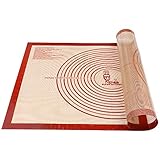
- Lightly dust your countertop or non-slip silicone pastry mat with a thin layer of flour.
- Lay out the prosciutto slices in a slightly overlapping rectangle, large enough to encase your chicken breast.
- Spread a thin, even layer of the cooled mushroom duxelles directly onto the center of the prosciutto.
- Arrange a single flat layer of dry baby spinach leaves directly on top of the duxelles.
- Place the cooled, mustard-brushed chicken breast face-down in the center of the spinach layer.
Pro-Tip: If you prefer a pork-free alternative, you can omit the prosciutto and use blanched, thoroughly dried large spinach leaves or Swiss chard to form your protective botanical wrap.
4. Wrap and Seal the Flaky Puff Pastry

Don’t let your Wellington burst! Pin this folding technique to your baking boards.
To successfully encase the chicken, fold the cold pastry tightly and use an egg wash to securely glue the seams together, hiding them at the bottom of the parcel.
Understanding butter lamination is critical here. Puff pastry gets its flaky texture from hundreds of micro-layers of cold butter. You must work quickly; if the dough gets too warm, the butter melts before it ever hits the oven, resulting in a dense, flat shell. The egg wash acts as a vital culinary glue, keeping the pastry-wrapped chicken perfectly sealed as it expands.
Ingredients
- 1 package (14-16 oz) all-butter puff pastry, thawed but kept very cold
- 1 large egg
- 1 tablespoon water
Directions
- Whisk the egg and water together in a small bowl to create a smooth egg wash.
- Roll out your cold puff pastry into a large square, then cut it into four equal quadrants (one for each chicken breast).
- Lift the edges of the prosciutto/spinach layer and wrap it tightly around the chicken, then place the bundle seam-side up in the center of a pastry square.
- Brush the edges of the pastry lightly with the egg wash.
- Fold the opposite corners of the pastry over the chicken, overlapping them slightly like an envelope, and press firmly to seal the seams.
- Flip the entire parcel over so the smooth side is facing up, and place it on a parchment-lined baking sheet.
Pro-Tip: If your kitchen is warm and the pastry feels soft or sticky, place the wrapped Wellingtons in the refrigerator for 15 minutes to firm up the butter layers before baking.

5. Bake to Golden Brown Perfection

Pin these oven-baking secrets for perfectly golden pastry every single time!
Bake the Wellingtons in a preheated hot oven until deeply golden brown, relying on a meat thermometer to ensure the chicken reaches a food-safe internal temperature of 165°F (74°C).
The intense heat of a preheated oven forces the water inside the dough’s butter to evaporate rapidly, creating the signature puffed layers. However, visual cues aren’t enough when dealing with poultry. Utilizing a digital thermometer guarantees food safety without burning the delicate exterior. Furthermore, enforcing a strict resting time allows the meat’s internal juices to redistribute.
Ingredients
- The prepared, assembled Chicken Wellingtons
- Remaining egg wash
- Coarse sea salt (for garnish)
Directions
- Preheat your oven to 400°F (200°C) while the Wellingtons chill.
- Using a sharp paring knife, gently score a decorative crosshatch or diagonal pattern into the top of each pastry, being careful not to cut all the way through to the meat.
- Brush the tops and sides of the chilled pastries generously with the remaining egg wash, and sprinkle lightly with coarse sea salt.
- Bake on the middle rack for 25 to 30 minutes, or until the pastry is puffed and deeply golden brown.
- Verify the chicken has reached an internal temperature of 165°F (74°C) using an instant-read meat thermometer inserted into the thickest part.
- Remove from the oven and let rest on a wire cooling rack for 5-10 minutes before slicing.
Pro-Tip: The resting period is non-negotiable! Cutting into a hot Wellington immediately will cause the trapped steam and juices to flood out, instantly turning your crispy pastry into mush.

6. Simmer the Rich Dijon Cream Sauce

This pan sauce takes just 5 minutes! Save this to elevate all your chicken dinners.
To create this luxurious sauce, deglaze your cast iron skillet with broth, then gently simmer heavy cream and Dijon mustard until a thick, balanced emulsion forms.
Creating a restaurant-quality pan reduction while the main course bakes showcases excellent time management. The sharp, tangy acidity of the mustard cuts right through the intense richness of the heavy cream, creating a perfectly balanced flavor profile. Scientifically, the mustard acts as a powerful natural emulsifier, binding the dairy fat to the savory chicken broth and preventing the sauce from breaking.
Ingredients
- 1/2 cup high-quality chicken broth or dry white wine
- 1 cup heavy cream (do not substitute with milk)
- 2 tablespoons coarse whole grain or smooth Dijon mustard
- 1 teaspoon Worcestershire sauce
- 1/2 teaspoon fresh thyme leaves
- Pan drippings from searing the chicken
Directions
- Return the cast iron skillet (with the leftover chicken fond) to medium heat.
- Pour in the chicken broth or white wine, vigorously scraping the bottom with a wooden spoon to release all the browned flavor bits (deglazing).
- Let the liquid bubble and reduce by half (about 2-3 minutes).
- Lower the heat to medium-low and slowly whisk in the heavy cream, Dijon mustard, Worcestershire sauce, and fresh thyme.
- Allow the sauce to simmer gently for 4-5 minutes, whisking frequently, until it thickens enough to lightly coat the back of a spoon.
- Remove from heat immediately, taste, and adjust seasoning with salt and pepper if necessary.
Pro-Tip: Never let a cream sauce come to a rolling, aggressive boil! High heat will cause the dairy fat to separate from the liquids, resulting in a greasy, broken sauce instead of a silky emulsion.
7. Prepare the Perfect Asparagus Side Dish

Round out your gourmet meal! Pin this quick & elegant asparagus side dish.
Roasting fresh asparagus provides a bright, acidic, and crunchy vegetable contrast that perfectly complements the rich, heavy nature of the pastry and cream sauce.
Proper menu planning requires expert flavor balancing. When serving a heavy, butter-laden main course, pairing it with an acidic and crisp side dish prevents palate fatigue. This hands-off vegetable side is incredibly efficient because it can roast simultaneously in the exact same oven while your Wellingtons finish baking to perfection.
Ingredients
- 1 bunch fresh asparagus, woody ends trimmed
- 1 tablespoon olive oil
- Zest and juice of half a lemon
- 2 tablespoons shaved parmesan cheese
- Salt and cracked black pepper
Directions
- Toss the trimmed asparagus spears with olive oil, salt, and pepper on a small baking sheet.
- Place in the 400°F oven during the final 12-15 minutes of your Wellington’s baking time.
- Roast until the stalks are tender-crisp and the tips are slightly caramelized.
- Remove from the oven and immediately toss with fresh lemon zest and a squeeze of lemon juice to brighten the flavor.
- Transfer to a serving platter and garnish with shaved parmesan before serving alongside your sliced Wellingtons and Dijon cream sauce.
Pro-Tip: The acidity of the fresh lemon juice on the asparagus acts as the perfect palate cleanser between bites of the incredibly rich puff pastry and heavy cream sauce.
Key Takeaways: Your Quick Guide to Chicken Wellington with Dijon Cream Sauce
This Chicken Wellington overview provides a highly scannable summary for time-pressed home cooks ready to execute this impressive meal. Understanding the core principles of moisture control, temperature dynamics, and sauce emulsion is what separates a culinary triumph from a messy kitchen disaster. By keeping your primary ingredients like the puff pastry and duxelles operating under strict temperature and moisture rules, you guarantee an exquisite result. Review these absolute non-negotiable rules for an easy chicken wellington recipe before you begin cooking to ensure your dinner party goes off without a single hitch.
Key Takeaways:
- Cook the Moisture Out: The savory mushroom duxelles must be cooked down until completely dry to prevent a soggy pastry base.
- Sear, Don’t Bake First: Searing the chicken breasts in a hot skillet creates a flavor crust and seals in juices, but the meat should remain raw in the center before wrapping.
- Build a Moisture Barrier: Layering prosciutto or completely dry spinach between the mushrooms and the pastry acts as a hydrophobic shield, keeping the dough flaky.
- Keep the Pastry Cold: Work quickly with the flaky puff pastry; if it gets too warm, the butter layers will melt before baking, ruining the puffed texture.
- Master the Emulsion: Simmer the creamy mustard sauce gently over medium-low heat; boiling heavy cream will cause the fat to separate and break the sauce.
- Rely on Thermometers: Visually judging the pastry isn’t enough; always use a meat thermometer to ensure the chicken reaches a safe 165°F (74°C).
- Rest Before Slicing: Allowing the Wellingtons to rest for 5-10 minutes out of the oven lets juices redistribute, preventing a messy, soggy plate.
People Also Ask About Chicken Wellington
When mastering a classic dish, it is natural to have lingering logistical questions regarding meal prep, proper storage, ingredient substitutions, and troubleshooting. These common inquiries about the questions about chicken wellington cover everything from preventing a soggy bottom to understanding how to handle store-bought versus homemade puff pastry. The answers below rely on professional kitchen prep standards and strict food safety guidelines, ensuring you have the exact knowledge required to tackle any culinary challenge. Review these frequent questions to refine your technique and perfect your presentation.
How do I keep the puff pastry from getting soggy on the bottom?
To prevent a soggy bottom, you must remove all excess moisture from your interior ingredients and use a barrier layer like prosciutto.
Ensure your mushroom duxelles is cooked until completely dry, pat your chicken breasts dry with paper towels before searing, and chill the assembled Wellingtons before baking. Cooking on a pre-heated heavy baking sheet also helps blast the bottom dough with immediate heat to crisp it quickly.
Can I make Chicken Wellington ahead of time?
Yes, you can assemble the Chicken Wellingtons up to 24 hours in advance and store them in the refrigerator before baking.
Wrap the fully assembled, unbaked pastries tightly in plastic wrap. Do not apply the egg wash until right before they go into the oven. Baking them directly from the fridge actually improves the flakiness of the pastry, though you may need to add 3-5 extra minutes to the baking time.
Do I have to cook the chicken completely before wrapping it?
No, you should only quickly sear the outside of the chicken; it will finish cooking entirely inside the pastry.
If you cook the chicken all the way through before wrapping it, the time it takes in the oven to brown the pastry will severely overcook and dry out the meat. A 2-minute sear per side is perfect.
Can I freeze uncooked Chicken Wellington?
Yes, uncooked assembled Wellingtons freeze exceptionally well for up to two months.
Wrap them individually in plastic wrap, then place them in a heavy-duty freezer bag. You can bake them straight from frozen (do not thaw, or the pastry will get mushy). Simply brush with egg wash and add 15-20 minutes to your standard baking time, verifying the internal temperature reaches 165°F.
What is the best mustard to use for the Dijon cream sauce?
A high-quality traditional French Dijon mustard or a coarse whole-grain Dijon provides the best flavor balance for the cream sauce.
Avoid standard yellow hotdog mustard or overly sweet honey mustards, as they lack the sharp, tangy acidity required to cut through the richness of the heavy cream and butter.
Is it better to use store-bought or homemade puff pastry?
For home cooks, high-quality, all-butter store-bought puff pastry is highly recommended over homemade.
Making puff pastry from scratch is a multi-day labor of love requiring precise temperature control. Premium frozen brands (ensure the label says “all butter” with no seed oils) offer restaurant-quality flakiness with a fraction of the effort, making this an easy gourmet dinner.
What should I serve with Chicken Wellington?
Crisp, acidic, or simply roasted vegetables like asparagus, green beans, or a bright arugula salad pair best with Chicken Wellington.
Because the dish is incredibly rich with butter, pastry, and cream sauce, you want to avoid heavy sides like macaroni and cheese or heavy creamed spinach. A simple garlic mashed potato works nicely to soak up extra sauce.
How do I reheat leftover Chicken Wellington?
Reheat leftovers in a 350°F (175°C) oven for 15-20 minutes until warmed through and re-crisped.
Never microwave leftover Wellington; the microwave steams the pastry from the inside out, turning it into a rubbery, soggy mess. For the sauce, reheat it gently in a small saucepan over low heat, adding a splash of chicken broth if it has thickened too much in the fridge.
Can I substitute the heavy cream in the sauce?
Heavy cream (or heavy whipping cream) is highly recommended because its high fat content prevents the sauce from curdling when boiled with acidic mustard.
Half-and-half or whole milk can be used in a pinch, but they run a high risk of separating or “breaking” over heat. If you use a lower-fat dairy, you must thicken the sauce with a flour roux first to stabilize it.
Why did my pastry crack and burst open in the oven?
Pastry bursts when steam cannot escape, or if the dough was stretched too thinly during the wrapping process.
Always score the top of your dough lightly with a knife—this acts as a vent for internal steam. Additionally, avoid pulling and stretching the dough tightly over the chicken; fold it gently so it has room to expand naturally in the heat.
Final Thoughts on Chicken Wellington with Dijon Cream Sauce
Creating a visually stunning Chicken Wellington with Dijon Cream Sauce doesn’t require a culinary degree—it simply requires an understanding of a few foundational techniques. By mastering the moisture control of your mushroom duxelles, utilizing the protective barrier of prosciutto, and trusting your meat thermometer, you can reliably produce an impressive chicken recipe that looks and tastes like it belongs in a Michelin-starred restaurant.
The true magic of this holiday meal or date-night centerpiece is in the contrast of textures and flavors. As of September 2026, this structured approach to the recipe remains the absolute standard for home cooks. The golden, shatteringly crisp puff pastry gives way to tender, juicy chicken, all tied together by a tangy, velvety mustard sauce that balances the richness perfectly. It is a dish that commands the dinner table and makes your guests feel incredibly special.
Don’t let the elegance of the final presentation intimidate you. Treat each of the 7 steps as a mini-recipe, take your time with the prep work, and watch as basic ingredients transform into absolute culinary magic in your oven.
Have you decided what moisture barrier you are going to use for your Wellington—classic prosciutto or vibrant spinach? Let me know in the comments below, and happy baking!
Last update on 2026-09-15 at 21:31 / Affiliate links / Images from Amazon Product Advertising API
