
As an Amazon Associate BakingBakewareSets.com earns from qualifying purchases.
Creamy Homemade Mac And Cheese: 7 Steps To Velvety Sauce
Have you ever ruined a holiday dinner with a clumpy pasta side dish? Nothing breaks a cook’s heart like dry, separated pasta bake. You deserve a foolproof Creamy Homemade Mac And Cheese that stays perfectly gooey.
To make creamy homemade mac and cheese, cook a butter and flour roux to a blond state. Next, whisk in whole milk and heavy cream for a smooth base. Finally, melt freshly grated block cheese completely off the heat. This prevents a grainy cheese sauce and guarantees a velvety texture.
Drawing from comprehensive culinary analysis and proven foundational methodologies, this guide reveals the exact science behind sauce emulsification. You will master the classic Mornay sauce base used by professional chefs. Prepare to discover the ultimate seven-step framework for guaranteed comfort food success.
☰ Table of Contents ▼
show
How To Make Creamy Homemade Mac And Cheese That Never Gets Grainy
The secret to a flawless macaroni and cheese lies entirely in the science of the emulsion. Understanding the culinary foundation of a classic cheese sauce separates a restaurant-quality dish from a broken, oily mess. At its core, this creamy homemade mac and cheese recipe relies on creating a stable Bechamel sauce, which is a simple thickened milk base. When you introduce high-quality shredded cheese into this base, it transforms into a rich Mornay sauce with a smooth cheese sauce finish.
Most home cooks fail because they do not understand protein denaturation in cheese. If you subject your dairy to intense, direct heat, the proteins seize up, squeezing out their butterfat and leaving you with a clumpy, broken sauce. By mastering the thermal stability of your sauce and carefully controlling your melting points, you can easily prevent a grainy cheese sauce. This chef-tested recipe provides the exact kitchen-tested ratios needed to create the best creamy baked mac you have ever tasted.
7 Steps To Velvety Sauce: Your Creamy Homemade Mac And Cheese Masterclass
Achieving an ultra-creamy homemade cheese sauce requires precise execution of a few simple, sequential steps. This masterclass breaks down the entire process from boiling the perfect noodle to serving a comforting classic. Whether you prefer a quick stovetop meal or a baked golden brown casserole, mastering these seven phases guarantees success and prevents a broken cheese sauce.
We will explore the exact techniques required to stabilize your dairy, balance your flavor profile, and keep the pasta from turning soggy. Each phase includes specific tool recommendations and exact ingredient ratios designed to lower your cognitive load while cooking. By prioritizing process action keywords like whisking, simmering, and emulsifying, you will learn the “why” behind every step. Prepare your ingredients, grab your heavy-duty kitchen tools, and let us build the ultimate homemade macaroni and cheese.
1. Shred Cheese From Block

Shredding your own cheese is the non-negotiable first step for a perfect melt. Pre-shredded bagged cheeses contain cellulose and other block cheese anti-caking agents that ruin a smooth cheese sauce. When comparing block cheese vs pre shredded cheese, the fresh block always wins because it lacks these starchy powders that cause a grainy texture.
Ingredients
- 8 oz Sharp White Cheddar block (provides the sharp flavor profile)
- 8 oz Gruyère Cheese block (creates a decadent texture and rich melt)
- 1 heavy-duty stainless steel box grater with a non-slip base
Instructions
- Remove the cheese blocks from the refrigerator 15 minutes before shredding to slightly soften.
- Shred cheese from block using the largest holes on your box grater.
- Gently toss the shredded cheddar and gruyère together in a large bowl.
- Set the freshly grated cheese aside at room temperature so it tempers, which prevents the cheese sauce from seizing later.
Pro-Tip: In my culinary school experience, bypassing pre-shredded bags eliminates the cellulose powder that is the number one culprit for a grainy, broken cheese sauce.

2. Boil Macaroni Al Dente

Cooking your pasta strictly al dente is crucial for maintaining structural integrity in a baked casserole. Overcooked pasta turns to mush when it absorbs the rich sauce, ruining the final texture of the dish. You must rely on starchy pasta water retention to help the velvety pasta sauce cling perfectly to every single noodle.
Ingredients
- 1 lb dried Elbow Macaroni (or cavatappi)
- 2 tablespoons kosher salt (for the boiling water)
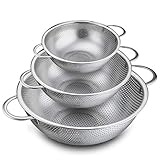
- 1 large stainless steel micro-perforated colander
Instructions
- Bring a large pot of heavily salted water to a rolling boil over high heat.
- Add the macaroni and boil macaroni al dente, cooking exactly 1 to 2 minutes less than the package instructions indicate.
- Reserve 1/2 cup of the starchy pasta water before draining.
- Drain the pasta well in a micro-perforated colander to stop pasta from getting soggy, but do not rinse it—leaving the starch helps the sauce adhere.
Pro-Tip: Proper pasta starch gelation requires salting the water until it tastes like the sea. Cooking the pasta strictly al dente is a tested and perfected technique because it will continue to cook and expand in the oven.
3. Whisk The Roux

A properly cooked butter and flour roux thickens the cheese sauce and provides the essential structural foundation. When comparing a butter roux vs cornstarch thickener, the traditional roux offers superior flavor and a more stable emulsion. You must cook this mixture to a blond state to eliminate the raw flour taste before adding any liquids.
Ingredients
- 1/2 cup Unsalted Butter (1 stick)
- 1/2 cup all-purpose flour
- 1 heavy-duty, heat-resistant silicone whisk to protect your cookware
Instructions
- Melt butter in a large heavy-bottomed Dutch oven or pot over medium heat.
- Sprinkle the flour evenly over the melted butter.
- Whisk the roux constantly for 1 to 2 minutes until it becomes smooth, bubbly, and smells slightly nutty.
- Ensure the roux cooked to blond state reaches a light golden color before proceeding to the next step to guarantee a foolproof creamy cheese sauce.
Pro-Tip: A kitchen tested ratio of equal parts fat and flour by volume creates the perfect bechamel sauce technique base. Whisking continuously prevents lumps and ensures the cheese sauce + roux combination thickens evenly.

4. Simmer Cheese Sauce Base

Transitioning your roux into a silky smooth sauce requires a gentle simmer and the right balance of dairy fat. Understanding the dairy fat percentage impact is vital; whole milk vs half and half or heavy cream drastically changes the thermal stability of sauce. A combination of milk and cream balances the richness perfectly without splitting.
Ingredients
- 3 cups Whole Milk, warmed
- 1 cup Heavy Cream (balances sauce richness)
- 1 teaspoon dry mustard powder
- 1/2 teaspoon garlic powder
- 1/4 teaspoon freshly grated Nutmeg
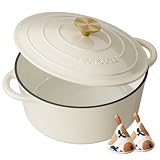
- 1 enameled cast iron Dutch oven (for even heat distribution)
Instructions
- Slowly pour the warmed whole milk and heavy cream into the bubbling roux, whisking vigorously to prevent lumps.
- Stir in the dry mustard, garlic powder, and nutmeg.
- Simmer cheese sauce base gently over medium-low heat, stirring frequently.
- Cook for 5-7 minutes until the mixture thickens enough to heavily coat the back of a spoon.
Pro-Tip: Using a combination of whole milk and heavy cream provides enough fat to stabilize the emulsion, ensuring you get an extra creamy homemade mac and cheese that withstands the baking process.
5. Emulsify Sauce

To prevent cheese from curdling, you must completely remove the hot milk base from the heat source before adding your cheese. This is the most critical technical step for a smooth sauce without flour roux issues. High, direct heat causes protein denaturation in cheese, forcing the fat to separate and leaving you with an oily, grainy mess.
Ingredients
- The prepared thickened milk base
- The reserved shredded Sharp White Cheddar and Gruyère Cheese
- 1 heavy-duty long-handled wooden spoon
Instructions
- Remove the Dutch oven completely from the heat source. Do not skip this step!
- Add the freshly grated cheese in three small handfuls, rather than all at once.
- Stir gently in a figure-eight motion with a wooden spoon to emulsify sauce until completely smooth.
- Continue adding the remaining cheese gradually, letting the residual heat gently melt the proteins to fix curdled cheese sauce risks before they start.
Pro-Tip: Master cheese melting point control by always removing the pot from the heat before adding cheese. This delicate Mornay sauce base requires residual heat, not direct heat, to achieve that perfect, glossy finish.

6. Fold In Pasta

Gently folding the macaroni into the rich sauce ensures every noodle is thoroughly coated without breaking apart. The starch from the reserved pasta water acts as a secondary binder, helping the cheesy and gooey mixture cling beautifully. If you want a homemade creamy mac and cheese with evaporated milk style texture on the stovetop, this is where you stop.
Ingredients
- The completed creamy cheese sauce
- The cooked, drained al dente Elbow Macaroni
- Reserved starchy pasta water (if needed to thin)
- 1 large heat-resistant silicone spatula
Instructions
- Pour the cooked elbow macaroni directly into the pot of hot cheese sauce.
- Use a large silicone spatula to gently fold in pasta, tossing from the bottom up to ensure the sauce coats the elbow pasta completely.
- If the sauce seems too thick, splash in a tablespoon or two of the reserved starchy pasta water to loosen the mixture.
- Stop here if you prefer a stovetop mac and cheese recipe! Serve immediately for the creamiest texture or learn how to keep mac and cheese warm for crowd by using a low-temperature slow cooker.
Pro-Tip: Adding a splash of starchy pasta water at this stage works with the emulsified fat ratio to ensure the sauce clings beautifully to the pasta instead of pooling at the bottom of the bowl.

7. Bake Until Bubbly

A brief trip to the oven toasts the panko topping without drying out the creamy casserole center. When deciding between panko vs regular breadcrumbs, panko creates a superior, crispy golden brown crust. To fix dry baked mac and cheese, the secret is simply not to overbake it, preserving the viscosity of cheese sauce inside.
Ingredients
- The prepared stovetop macaroni mixture
- 1 cup Panko Breadcrumbs (for the crispy breadcrumb topping)
- 2 tablespoons melted butter (to bind the topping)
- 1 large 9×13 inch ceramic Casserole Dish
Instructions
- Preheat your oven to 350°F (175°C) and lightly grease a 9×13 inch ceramic casserole dish.
- Pour the creamy pasta mixture into the dish, spreading it out in an even layer without pressing down too hard.
- In a small bowl, toss the panko breadcrumbs with the melted butter until evenly coated. Sprinkle the crumb mixture generously over the top of the pasta.
- Bake until bubbly around the edges and the top is golden brown, exactly 15-20 minutes. Do not overbake!
Pro-Tip: To achieve that perfect Maillard reaction topping without drying out the center, bake just long enough to toast the panko. A baked + panko breadcrumbs finish holds creaminess when baked only if you respect the strict 20-minute time limit.

Key Takeaways: Your Quick Guide to Creamy Homemade Mac And Cheese
Reviewing these essential culinary techniques guarantees a foolproof creamy cheese sauce even on your busiest cooking days. When you are balancing multiple holiday side dishes, this quick reference ensures your Creamy Homemade Mac And Cheese summary points are fresh in your mind. These macaroni and cheese recipe takeaways highlight the critical moments where a recipe can either break or become a masterpiece.
- Grate Your Own Cheese: Pre-shredded bagged cheeses contain cellulose and anti-caking agents that guarantee a grainy, broken cheese sauce; always shred from a fresh block.
- Control the Heat: Never boil your cheese sauce. Removing the thickened milk base from the heat before stirring in the cheese prevents the proteins from denaturing and splitting into a greasy mess.
- Master the Roux Base: Cooking equal parts butter and flour to a blond state removes the raw flour taste and creates the structural foundation (Bechamel) required to stabilize the dairy.
- Optimize Dairy Fat: Using a combination of whole milk and heavy cream provides the optimal emulsified fat ratio, balancing richness without becoming overwhelmingly heavy.
- Boil Pasta Al Dente: Undercooking your elbow macaroni by 1-2 minutes prevents the pasta from turning to mush when folded into the hot cheese sauce and baked.
- Bake Briefly for Texture: When making a baked mac and cheese casserole, bake only for 15-20 minutes at 350°F to toast the panko breadcrumbs without drying out the creamy center.
People Also Ask About Creamy Homemade Mac And Cheese
Even the most experienced home cooks encounter unexpected challenges when attempting to balance dairy fats, starches, and melting cheeses. These questions about Creamy Homemade Mac And Cheese address the most common pitfalls and ingredient substitutions. By reviewing these Creamy Homemade Mac And Cheese FAQs, you can troubleshoot any broken sauce, salvage dry casseroles, and confidently adapt the recipe to suit your family’s specific comfort food cravings.
Why is my homemade mac and cheese grainy?
Your homemade mac and cheese likely turned grainy because the cheese was exposed to direct, high heat, causing the proteins to tighten and squeeze out the fat, or because you used pre-shredded bagged cheese coated in anti-caking powders.
To prevent a grainy cheese sauce, always remove your thickened milk base from the stove completely before gently whisking in freshly grated block cheese. Allowing the residual heat to slowly melt the cheese ensures a silky smooth, emulsified texture every time.
How to keep mac and cheese creamy after baking?
To keep mac and cheese creamy after baking, ensure your cheese sauce is slightly thinner than you want the final product to be on the stovetop, and bake it for no more than 15 to 20 minutes.
The pasta acts like a sponge in the oven. If your sauce is already thick before baking, the pasta will absorb the remaining moisture, resulting in a dry casserole. Adding an extra splash of heavy cream or reserved starchy pasta water before it goes into the oven guarantees a creamy center.
Can you use evaporated milk in mac and cheese?
Yes, you can substitute evaporated milk for whole milk or heavy cream in mac and cheese; its concentrated protein structure makes it highly stable and excellent at emulsifying cheese without the need for a flour roux.
Evaporated milk yields an extra creamy homemade mac and cheese and is a staple in southern-style and crockpot recipes. Because water has been removed from it, it provides intense richness and a smooth cheese sauce that is very resistant to breaking or curdling.
What is the best cheese for mac and cheese?
The best cheese for mac and cheese is a combination of a sharp, flavorful melting cheese like Sharp White Cheddar, paired with a superior melting cheese that adds gooey texture, such as Gruyère or Gouda.
While sharp cheddar provides the classic, punchy comfort food flavor, it can separate if used alone. Blending it 50/50 with Gruyère balances the sauce richness and creates incredible cheese pulls. For an ultra-creamy, nostalgic texture, blending in a small amount of Cream Cheese or Velveeta is a popular pro culinary tip.
How to reheat mac and cheese without drying it out?
To reheat mac and cheese without drying it out, place a portion in a saucepan over medium-low heat, add a tablespoon of whole milk or heavy cream per cup of pasta, and stir gently until warmed through.
Microwaving often breaks the emulsion, causing the butter fat to separate. Gently warming it on the stovetop while reintroducing a small amount of dairy fat helps re-emulsify the sauce, bringing back that velvety texture you had on day one.
How to make mac and cheese without flour?
To make mac and cheese without flour, skip the butter-flour roux and instead use evaporated milk simmered with a small amount of cornstarch slurry, or utilize sodium citrate to directly emulsify the cheese and liquid.
If using a cornstarch thickener, whisk one tablespoon of cornstarch with a splash of cold milk before stirring it into your heated milk base. This creates a gluten-free, creamy pasta dish that remains thick and glossy without relying on traditional bechamel sauce techniques.
Should you cover mac and cheese when baking?
You should leave mac and cheese uncovered when baking if you want a crispy, golden brown breadcrumb crust, but you should cover it with foil if you are baking a southern-style custard mac and cheese that needs to set without browning too quickly.
For this standard roux-based creamy baked mac and cheese recipe, leaving it uncovered for the brief 15-minute bake allows the panko topping to undergo the Maillard reaction, providing the perfect crunchy contrast to the cheesy and gooey interior.
What spice elevates mac and cheese?
Dry mustard powder and a pinch of freshly grated nutmeg are the two essential spices that elevate macaroni and cheese from bland to restaurant-quality.
Dry mustard acts as an acidic flavor enhancer that amplifies the sharpness of the cheddar without making the dish taste like mustard. Nutmeg is a classic French addition to any white sauce (Bechamel or Mornay), adding a subtle, warming depth of flavor that balances the heavy dairy fats perfectly.
Do you put eggs in mac and cheese?
You do not put eggs in a classic stovetop or roux-based baked mac and cheese, but eggs are essential for a traditional Southern-style baked macaroni and cheese to create a firm, custard-like binding.
In a creamy roux-based recipe, the butter and flour stabilize the sauce. In southern-style recipes, tempering an egg mix into evaporated milk binds the casserole dish together, allowing it to be sliced into neat squares rather than spooned out.
What size pasta is best for mac and cheese?
Short, tubular pastas with ridges or curves, such as classic elbow macaroni, cavatappi, or small shells, are the best sizes for mac and cheese because their hollow centers and textured surfaces trap the cheese sauce.
Smooth, long noodles like spaghetti or fettuccine cannot hold heavy cheese sauces properly. Choosing a high-quality elbow pasta ensures that every bite is thoroughly coated, absorbing the rich melt perfectly for the ultimate comforting classic.
Final Thoughts on Creamy Homemade Mac And Cheese
Mastering a truly exceptional homemade macaroni and cheese is less about complex culinary skills and entirely about respecting the science of the ingredients. By taking the few extra minutes to shred your cheese from a fresh block, cooking your butter and flour roux to a perfect blond state, and crucially—removing your pot from the heat before emulsifying the sauce—you eliminate the most common pitfalls that plague home cooks. These final thoughts on Creamy Homemade Mac And Cheese serve as a reminder that patience and temperature control are your best kitchen tools.
Whether you choose to serve it straight from the stovetop in its most ultra-creamy state, or transition it to the oven for a crispy panko breadcrumb topping, this tested and perfected technique guarantees a velvety, restaurant-quality cheese sauce every single time. It is the ultimate comfort food side dish, ready to anchor your holiday dinners, potlucks, and weeknight family meals as the best creamy baked mac you have ever prepared.
Armed with these 7 foolproof steps, you never have to settle for grainy, dry, or separated pasta bakes again. This homemade mac and cheese conclusion proves that the perfect melt is entirely within your reach. Which variation are you going to try first in September 2026—the quick 15-minute stovetop version, or the golden-brown baked casserole? Let me know in the comments below!
Last update on 2026-09-07 at 21:30 / Affiliate links / Images from Amazon Product Advertising API
