
As an Amazon Associate BakingBakewareSets.com earns from qualifying purchases.
Baking Soda Won’t Lower Chlorine: Here’s What Works
It’s one of the most common questions in pool maintenance, a piece of advice passed between neighbors over the fence: if your chlorine is too high, just add some baking soda. But does this common household product actually solve the problem of over-chlorination? You’re likely dealing with cloudy water or the harsh smell of too much chlorine and need a straight, reliable answer before you add anything else to your pool.
No, baking soda (sodium bicarbonate) does not lower or neutralize the chlorine level in a swimming pool. Its primary, and very important, role is to raise the Total Alkalinity and, to a lesser extent, the pH of the water, which is crucial for overall water balance and sanitizer effectiveness.
This guide will definitively bust this widespread myth. We will explore what baking soda actually does for your pool’s chemistry, based on established data and pool care principles. More importantly, we’ll provide the proven, effective methods that actually work to lower high chlorine levels, ensuring your pool is safe, comfortable, and perfectly balanced.
Key Facts
- Primary Function: Baking soda’s main purpose in a pool is to raise Total Alkalinity (TA) and pH; it has no chemical ability to reduce or neutralize chlorine.
- Ideal Alkalinity: The ideal range for Total Alkalinity in a pool is between 100 and 150 parts per million (ppm), which acts as a buffer to prevent wild pH swings.
- Natural Chlorine Reduction: The most effective natural way to lower chlorine is by exposing the pool water to direct sunlight, as the sun’s UV rays break down and dissipate free chlorine.
- Correct Dosage: For its intended purpose, a common rule of thumb is that 1.5 pounds of baking soda will raise the Total Alkalinity of a 10,000-gallon pool by approximately 10 ppm.
- Chemical Misconceptions: Other common chemicals are also often misunderstood; for instance, muriatic acid is used to lower pH and alkalinity and has no effect on chlorine levels.
☰ Table of Contents ▼
show
The Straight Answer: Does Baking Soda Lower Pool Chlorine?
No, baking soda (sodium bicarbonate) does not lower or neutralize chlorine levels in a pool. Its primary purpose is to raise total alkalinity and pH.

This is the single most important fact to understand. The belief that baking soda acts as a chlorine reducer is a persistent myth in pool care. While it is a critical chemical for maintaining a healthy pool, its function is entirely different. Adding baking soda in an attempt to lower chlorine will not work and will instead alter your pool’s alkalinity and pH, potentially creating new balance issues.
The bottom line is this: Baking soda is a base (alkaline) used to counteract acidic conditions by raising Total Alkalinity and pH. Chlorine is a sanitizer, and reducing it requires a completely different chemical process or natural dissipation.
Surprised? You’re not alone. Let’s break down what baking soda actually does for your pool.
What Baking Soda Actually Does for Your Pool Chemistry
Baking soda’s main role is to increase Total Alkalinity (the water’s ability to resist pH changes) and gently raise the pH level, ensuring chlorine can work effectively. Chemically known as sodium bicarbonate, it is a safe and cost-effective way to manage two of the most fundamental aspects of your pool’s water balance.
Here’s a look at its two primary functions:
- Raises Total Alkalinity (TA): This is baking soda’s most important job. Total Alkalinity is a measure of the dissolved alkaline substances in the water that prevent the pH from swinging wildly up or down. The ideal range for TA is between 100-150 ppm. If your TA is low, your pH will be unstable and difficult to control, a condition known as “pH bounce.” Adding baking soda directly boosts the TA, creating a stable foundation for your water chemistry.
- Raises pH: Because baking soda has a naturally alkaline pH of around 8.3, it will also gently raise your pool’s pH level. The ideal pH for a swimming pool is between 7.2 and 7.8. This range is not only comfortable for swimmers (preventing red eyes and itchy skin) but is also the range where chlorine is most effective at sanitizing the water.
Think of Total Alkalinity as the pH’s ‘bodyguard’—it prevents wild swings that can throw your whole pool out of wtips. By keeping TA in the proper range with baking soda, you make every other chemical adjustment, including maintaining a stable pH, much easier.
Understanding Total Alkalinity (TA) vs. pH
It’s easy to confuse Total Alkalinity and pH, but they play distinct roles. pH is the measure of how acidic or basic your water is right now. Total Alkalinity, on the other hand, is the water’s capacity to resist changes in pH.
In simple terms, TA is the anchor that holds the pH in place. If your TA is low, a little bit of rain or the addition of other chemicals can cause your pH to spike or crash. If your TA is in the correct range (100-150 ppm), your pH will be much more stable and predictable. This is why experienced pool owners know to balance their water in a specific order.
Pro Tip: Always test and adjust your Total Alkalinity before you try to balance your pH. It makes the job much easier.
How to Actually Lower High Chlorine Levels in Your Pool
To lower high chlorine, you can use natural methods like sunlight, partially drain and refill the pool with fresh water, or use a chemical chlorine neutralizer like sodium thiosulfate. Since baking soda won’t do the job, you need to turn to one of these proven methods to bring your chlorine back down to a safe and comfortable level (typically 1-3 ppm).
Worried about over-chlorinating? Don’t be. Here are five proven methods, from simplest to most direct.
- Stop Chlorinating and Wait: The simplest method is often the best. Stop adding any form of chlorine (tablets, liquid, or shock) to the pool. Over a day or two, the chlorine level will naturally decrease through use and exposure to the environment.
- Use the Sun: Sunlight is chlorine’s number one enemy. The sun’s ultraviolet (UV) rays break down free chlorine molecules. If your pool is not stabilized with cyanuric acid (CYA), you can lose up to 90% of your chlorine on a bright, sunny day. To speed up the process, remove your solar cover and let the sun do the work.
- Dilute the Water: A straightforward way to lower the concentration of any chemical in your pool is to dilute it. Partially drain your pool—about one-third or one-half of the way—and then refill it with fresh, unchlorinated water from a hose. This will lower the chlorine level proportionally. Remember to re-test and re-balance all your chemicals (pH, alkalinity, calcium, etc.) after refilling.
- Aerate the Water: Increasing the circulation and aerating the water can help chlorine gas dissipate more quickly. Turn on your pool pump to its highest setting and activate any water features like waterfalls, fountains, or deck jets. The more turbulence you create on the water’s surface, the faster the chlorine will off-gas.
- Use a Chemical Chlorine Neutralizer: For a fast and direct solution, especially if you’ve severely over-shocked the pool, you can use a chemical chlorine neutralizer. The most common product is sodium thiosulfate. This chemical works almost instantly to reduce chlorine. Warning: Use this product with extreme care and follow the package directions precisely. It is very powerful, and adding too much can completely deplete your chlorine, leaving your pool unsanitized. Add a small amount, wait, and re-test before adding more.

Pool Chemical Quick-Reference Guide
Understanding what each chemical does is the key to confident and effective pool maintenance. Using the wrong product for the job, like adding baking soda to lower chlorine, can waste time and create more problems.
Bookmark this chart! It’s your cheat sheet for understanding the most common pool chemical jobs.
| Chemical Name | Primary Function | Common Use Case |
|---|---|---|
| Baking Soda (Sodium Bicarbonate) | Raises Total Alkalinity & pH | When TA is low (below 100 ppm) and pH needs a slight boost. |
| Chlorine (Various forms) | Sanitizes & Disinfects | Kills bacteria, algae, and harmful microorganisms. |
| Chlorine Neutralizer (e.g., Sodium Thiosulfate) | Lowers Free Chlorine | When you’ve added too much chlorine (over-shocked). |
| Muriatic Acid / Soda Ash | Lowers / Raises pH | For significant pH adjustments when TA is in range. |
| Sunlight (UV Rays) | Naturally Lowers Chlorine | For minor reductions in chlorine over time. |
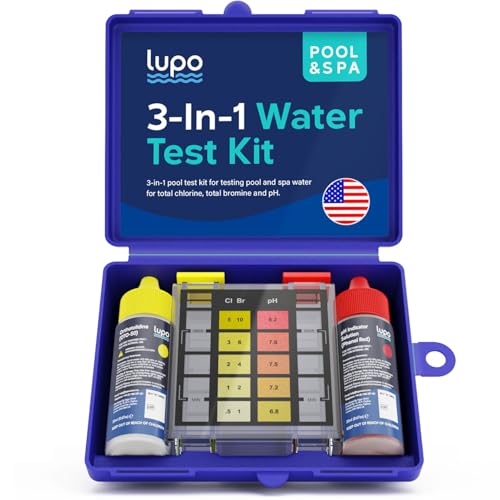
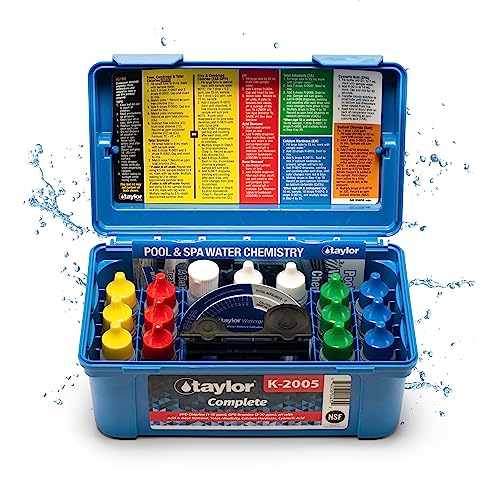
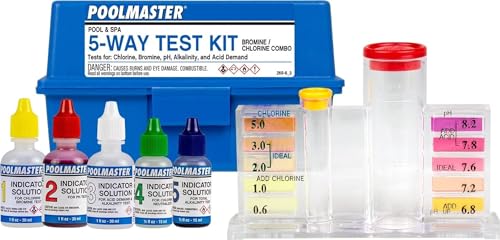
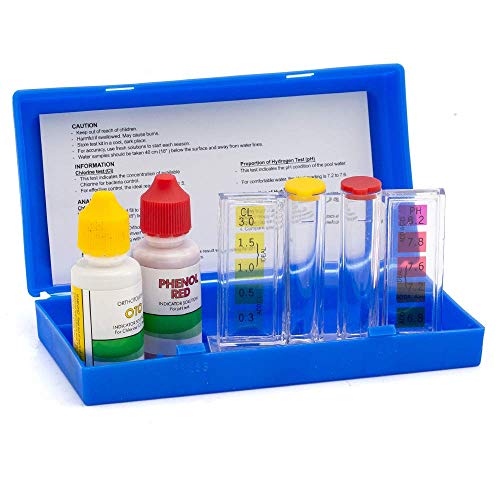
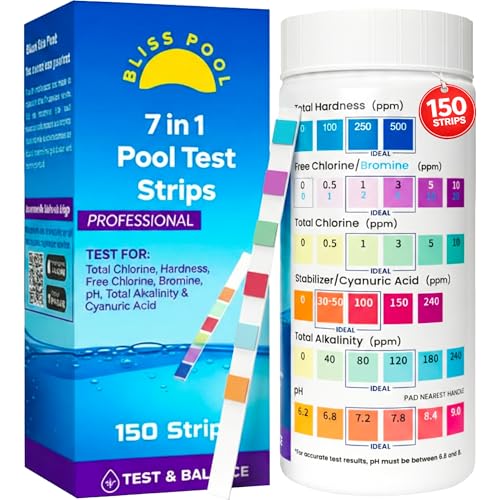
To ensure you’re always adding the right chemical in the right amount, having a reliable testing kit is non-negotiable. Investing in a quality pool water test kit will save you from guesswork and help you maintain a perfectly balanced pool with ease.

FAQs About Baking Soda and Pool Chlorine
How much baking soda does it take to lower chlorine in a pool?
None. Baking soda does not lower chlorine, regardless of the amount used. It is used to raise alkalinity; a common dose is 1.5 lbs per 10,000 gallons to raise alkalinity by 10 ppm. Using it for any other purpose will not be effective and will unbalance your water chemistry. Always use the right chemical for the right job.
How do you lower chlorine in a pool quickly and naturally?
The quickest natural way is to stop adding chlorine and let the sun’s UV rays break it down. Running the pool pump and creating water turbulence (aeration) also helps it dissipate faster. For the fastest natural reduction:
* Remove any solar cover to maximize sun exposure.
* Turn on all water features like waterfalls or fountains.
* Keep the pump running to circulate the water.
If my pH is low and chlorine is high, should I add baking soda?
Yes, you can add baking soda to raise the low pH and alkalinity, but this will not affect the high chlorine. You must use a separate method, like sunlight or a neutralizer, to lower the chlorine level. Treat these as two independent problems. First, use baking soda to raise your Total Alkalinity into the 100-150 ppm range, which will also help stabilize the pH. Then, address the high chlorine using one of the methods described earlier.
Does muriatic acid lower chlorine?
No, muriatic acid does not lower chlorine. It is an acid used to lower high pH and Total Alkalinity in a pool. Muriatic acid and chlorine perform completely different functions. Confusing the two can lead to dangerous chemical imbalances and unsafe swimming conditions. Always refer to a chemical guide if you are unsure of a product’s purpose.
Final Summary: The Right Tool for the Right Pool Problem
The key to crystal clear, safe, and comfortable pool water is understanding the role of each chemical. While the idea that you can use baking soda to lower chlorine is a common myth, you now know the truth. Baking soda is your go-to tool for raising Total Alkalinity and stabilizing pH, which is a cornerstone of good pool maintenance. When it comes to high chlorine, you need a different set of tools.
Here are the most critical takeaways:
- Baking Soda Manages Alkalinity: Its one and only job is to raise Total Alkalinity and pH. It has zero impact on lowering chlorine.
- High Chlorine Has Specific Solutions: To lower chlorine, you must stop adding it and let sunlight do the work, dilute the water, or, in extreme cases, use a dedicated chlorine neutralizer.
- Test Before You Treat: Never add chemicals without first testing your water with a reliable kit. Guesswork leads to more problems and wasted money.
Now you can manage your pool with confidence! Test your water regularly and always use the right chemical for the job. You’ll be rewarded with a perfect pool all season long.
Last update on 2026-09-03 at 13:05 / Affiliate links / Images from Amazon Product Advertising API
