
As an Amazon Associate BakingBakewareSets.com earns from qualifying purchases.
Ultimate Herbed Ricotta Stuffed Chicken Rolls: Elegant Dinner for Families
Are you tired of serving dry, uninspired poultry for family dinners? Mastering herbed ricotta stuffed chicken rolls at home doesn’t require culinary school. We know that preventing leaking cheese and avoiding dry meat can feel overwhelming for many home cooks.
Herbed ricotta stuffed chicken rolls are a savory, high-protein entree made by butterflying chicken breasts and tightly rolling them around a creamy mixture of ricotta cheese, parmesan, and fresh herbs. They are seared in a skillet for a golden crust and baked at 400°F until cooked through safely to 165°F.
Drawing from comprehensive analysis of tested recipe protocols and proven culinary techniques, this guide eliminates all guesswork. You will discover exactly how to balance flavors, handle raw poultry safely, and achieve stunning restaurant-quality results. Let’s transform your standard dinner routine into a truly gourmet experience today.
☰ Table of Contents ▼
show
7 Essential Steps for Perfect Herbed Ricotta Stuffed Chicken Rolls with White Wine Pan Sauce
Perfecting stuffed poultry: Mastering this impressive entree requires breaking down the process into actionable, manageable phases. Achieving that beautiful chicken rollatini paired with a rich white wine sauce involves specific mechanical techniques, precise temperature control, and smart ingredient prep. By focusing on critical milestones—from properly butterflying the meat to executing a flawless pan sear—you guarantee a juicy, leak-free result. The following seven steps detail the exact professional methodology needed to eliminate common cooking frustrations. Let’s dive into the foundational techniques that will elevate your weeknight dinner into a culinary masterpiece.
1. Prepare the Creamy Herbed Ricotta Cheese Filling

Pin this perfect filling mixture to your ‘Gourmet Dinners’ board so you never lose the ratio!
Mixing a beautifully balanced, flavorful filling requires careful moisture control. Many home cooks struggle with a watery interior, but draining your cheese effectively prevents a rubbery texture during cooking. By properly balancing the ricotta and spinach with acid from the lemon zest, you easily fix bland ricotta and create a vibrant flavor profile.
Ingredients
- 1 cup whole milk herbed ricotta cheese (drained of excess moisture)
- 1/2 cup grated parmesan and garlic and 1/4 cup shredded mozzarella cheese
- 1/2 cup fresh spinach, finely chopped and squeezed dry
- 2 tablespoons fresh parsley and 1 tablespoon fresh basil leaves, finely minced
- 2 garlic cloves, minced or pressed
- 1 teaspoon fresh lemon zest
- Heavy-duty ceramic mixing bowls for stable blending
Instructions
- Mix the well-drained ricotta, parmesan, and mozzarella in your mixing bowl until a thick, creamy filling forms.
- Fold in the finely chopped spinach, making sure the greens are completely dry so they don’t introduce excess water to the mixture.
- Whisk in the minced garlic, parsley, basil, and lemon zest.
- Season aggressively with salt and pepper, keeping in mind that this filling must flavor the interior of the juicy chicken.
- Rest the mixture in the refrigerator while you prepare the meat to help the flavors meld.
What most guides miss: Utilizing the mise en place method ensures your herbs are prepped efficiently. When cutting the basil, use a chiffonade herbs technique to prevent bruising the delicate leaves, maximizing their aromatic profile without turning them bitter.

2. Butterfly and Pound the Chicken Breasts

Save this essential butterflying technique to your ‘Cooking Skills’ board!
Preparing the poultry wrapper is arguably the most critical technical step. Understanding how to butterfly and properly pound the meat ensures you create a uniform, tender chicken breast that rolls easily without tearing. This mechanical action breaks down muscle fibers to tenderize tough meat and guarantees even cooking. Implementing strict cross-contamination prevention using plastic wrap also keeps your kitchen workspace sanitary.
Ingredients
- 4 large, boneless, skinless chicken breasts
- Heavy-duty plastic wrap or parchment paper
- A sharp chef’s knife or boning knife
- A heavy stainless steel dual-sided meat mallet
- Dedicated plastic cutting board for raw meat
Instructions
- Slice horizontally into the thickest part of the chicken breast, stopping about a half-inch before slicing all the way through, successfully executing the butterflying technique.
- Open the breast like a book and lay the chicken breast flat on your designated cutting board.
- Cover the meat completely with a sheet of heavy plastic wrap or parchment paper to prevent tearing and reduce kitchen splatter.
- Pound the chicken + pound starting from the center and working outward using the flat side of your meat mallet, aiming for an even 1/4-inch thickness.
- Season the newly exposed interior surface lightly with salt and pepper before moving to the stuffing phase.
Expert insight: Proper meat mallet usage requires a glancing, outward stroke rather than straight up-and-down smashing. This gently stretches the protein denaturation process without shredding the delicate poultry rolls, ensuring a perfectly moist chicken result.

3. Spread, Roll, and Secure the Chicken Rollatini

Pin this brilliant rolling trick to ensure your cheese never leaks again!
Securing the filling successfully solves the biggest anxiety home cooks face: how to stop cheese from oozing. By leaving a calculated border of bare meat, you allow the chicken proteins to fuse together naturally during cooking. This clean rolling technique locks the savory filling firmly inside the meat, ensuring you definitively prevent leaking.
Ingredients
- The prepared, flattened chicken breasts
- The chilled herbed ricotta cheese filling
- Long, sturdy bamboo cooking toothpicks or food-safe kitchen twine
- A flexible silicone spatula
Instructions
- Spread approximately 2-3 tablespoons of the filling into the center of each chicken breast using a spatula.
- Leave a strict 1/2-inch border around all edges entirely free of the cheese mixture to avoid messy overflow.
- Tuck the short ends of the chicken slightly inward, then tightly roll the meat lengthwise to completely enclose the cheese-filled poultry.
- Secure the seam tightly by threading 2 to 3 toothpicks through the overlapping edges, weaving them in and out like a needle to secure with toothpicks.
- Coat the outside of the secured chicken wrappers lightly with extra virgin olive oil and additional seasoning.
An often-overlooked strategy: The number one cause of oozing is overstuffing. Keep the filling modest and ensure your toothpicks pierce through both the top and bottom flaps of the meat. To ensure uniform roll size, chill the assembled rolls for 10 minutes before cooking to firm up the cheese and set the chicken’s shape.

4. Sear the Chicken Rolls to a Golden Brown Crust

Save this searing secret for the most mouthwatering golden crust!
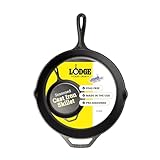
Achieving a restaurant-quality finish requires triggering the Maillard reaction through a high-heat sear. While some debate the merits of baked vs pan-fried poultry, combining both methods yields the ultimate crispy exterior without drying out the center. Placing the meat seam-side down in a hot cast iron skillet instantly heat-seals the overlapping edges.
Ingredients
- The secured, raw herbed ricotta chicken roulades
- 2 tablespoons extra virgin olive oil or avocado oil (high smoke point)
- 1 tablespoon unsalted butter
- A heavy-bottomed cast iron skillet or oven-safe stainless steel pan
- Stainless steel kitchen tongs
Instructions
- Preheat your skillet over medium-high heat until it is smoking slightly, then drizzle in the olive oil and melt the butter.
- Place the chicken rolls into the hot pan seam-side down first. This heat-seals the overlapping edges to definitively secure the filling.
- Sear the chicken + sear for 3 to 4 minutes on the first side without moving them, allowing a deep, golden brown chicken crust to form.
- Turn the rolls carefully using tongs, browning the remaining sides for another 3 minutes until the crispy crust is achieved all around.
- Remove the pan from the heat temporarily. Do not cook them all the way through; we are simply searing the exterior.
Expert insight: Do not overcrowd the pan. If the chicken pieces touch, they will steam rather than sear, ruining the Maillard reaction. The beautiful caramelized bits left in the pan, known as fond development, will become the flavor base for your upcoming sauce.
5. Deglaze and Build the White Wine Pan Sauce

Save this incredible pan sauce technique to elevate all your chicken dinners!
Transforming your pan drippings into a velvety white wine pan sauce elevates this meal from basic to extraordinary. The process of deglazing the pan lifts the deep, caramelized flavors left behind from searing. By understanding how to manage the viscosity of the sauce through a rapid simmer, you create a perfectly emulsified liquid that coats the meat beautifully.
Ingredients
- 1/2 cup dry white wine (like Pinot Grigio or Sauvignon Blanc)
- 1/2 cup low-sodium chicken broth
- 1 tablespoon dijon mustard
- 1 tablespoon cold butter
- 1 clove minced garlic
- Heat-resistant silicone whisk
Instructions
- Remove the seared chicken from the skillet and set aside on a plate. Return the skillet to medium heat.
- Sauté the extra minced garlic in the remaining chicken fat for 30 seconds until fragrant.
- Deglaze the hot pan by pouring in the white wine, immediately using your whisk to scrape up the caramelized brown bits (wine + deglaze) from the bottom.
- Simmer the liquid vigorously for 2 minutes until it reduces by half, burning off the harsh alcohol.
- Whisk in the chicken broth and Dijon mustard, bringing the entire pan + sauce to a gentle bubble before returning the chicken to the pan.
Pro-Tip: To create a perfectly emulsified sauce with a velvety texture, remove the pan from the heat right at the end and aggressively whisk in a tablespoon of cold butter. This rounds out the acidity of the wine and thickens the sauce beautifully.

6. Bake at 400°F for Safe Internal Temperature

Pin this temperature guide to ensure juicy, perfectly cooked chicken every time!
Finishing the dish in the oven guarantees the meat cooks completely through without scorching the exterior. The most reliable way to definitively avoid dry chicken is to prioritize an exact internal temperature check over a generic kitchen timer. By adhering to strict food safety guidelines and using an instant-read thermometer, you eliminate all cooking anxiety.
Ingredients
- The seared chicken in the pan sauce
- Oven mitts
- An accurate, digital instant read thermometer
- Optional: additional grated parmesan for topping
Instructions
- Preheat your oven ahead of time, ensuring it is fully heated to 400°F (oven + 400°F).
- Transfer the entire oven-safe skillet containing the chicken and the sauce directly into the hot oven.
- Bake the stuffed chicken breast uncovered for 15 to 20 minutes at 400 degrees.
- Check the meat using your thermometer at the 15-minute mark. Insert the probe into the thickest part of the chicken (avoiding the cheese center).
- Remove from the oven exactly when the temperature reads 160°F, as carryover heat will finish the job safely.
What most guides miss: Relying on a standard cooking time chart is helpful, but the only way to definitively ensure safe food temperature while avoiding a chalky, ruined dinner is a digital meat thermometer. Pulling the meat at 160°F prevents moisture loss, resulting in incredibly juicy chicken.

7. Rest, Slice, and Serve with Perfect Pairings

Save this beautiful plating inspiration for your next dinner party!
The final stage of professional preparation involves patience and proper presentation. Allowing the meat to rest harnesses the power of carryover cooking, ensuring natural juices redistribute evenly throughout the tender chicken roulades. Slicing the rested rolls reveals a stunning interior spiral, delivering an undeniably elegant presentation perfect for pairing with your favorite side dishes.
Ingredients
- The fully baked herbed chicken rolls
- A sharp, hollow-edge carving knife
- Fresh herbs for garnish
- Side dishes (garlic mashed potatoes, roasted asparagus)
Instructions
- Rest the chicken in the pan for 5 to 8 minutes after removing it from the oven.
- Extract all the toothpicks or kitchen twine carefully before serving.
- Slice the rolls horizontally into 1-inch thick pinwheels to show off the beautiful internal spiral.
- Drizzle the thickened white wine pan sauce generously over the top of the sliced meat.
- Serve immediately alongside your chosen sides for a complete, protein-packed gourmet meal.
Expert insight: Never skip the resting phase. Through carryover cooking, the meat’s internal temperature will rise to the safe 165 degrees fahrenheit, while the juices redistribute evenly. If you cut into the meat immediately, those juices will flood the cutting board, leaving your chicken dry.

Key Takeaways: Your Quick Guide to Herbed Ricotta Stuffed Chicken Rolls
Reviewing these essential principles ensures your stuffed chicken roll ups turn out perfectly every single time. By understanding the core mechanics of moisture control, tight rolling techniques, and accurate temperature management, you eliminate the common pitfalls that ruin poultry dishes. Here are the main takeaways to remember while cooking:
- Manage Filling Moisture for Better Texture: Always drain your herbed ricotta cheese and squeeze your fresh spinach completely dry. Excess water will steam the inside of the chicken and create a runny, unattractive filling.
- Pound the Meat Evenly: Use a meat mallet to gently pound the butterflied tender chicken breast to exactly 1/4-inch thickness. This ensures the meat cooks at the same rate and rolls easily without tearing.
- Prevent Leaking with the Seam-Side Sear: To stop cheese from oozing, leave a border without cheese, secure tightly with toothpicks, and sear the meat seam-side down first to heat-seal the poultry wrapper.
- Elevate the Dish with a Pan Sauce: Don’t wash that pan! Deglaze the caramelized brown bits left from searing with wine and broth to build a rich white wine pan sauce that elevates this from a weeknight dinner to a gourmet stuffed chicken dish.
- Rely on Temperature, Not Time: To definitively avoid dry chicken, use an instant-read thermometer. Pull the chicken from the oven at 160°F, allowing carryover cooking during the resting phase to bring it safely to 165 degrees fahrenheit.
People Also Ask About Herbed Ricotta Stuffed Chicken Rolls
Even with a precise recipe, you might encounter specific substitution needs or dietary questions. Here are the authoritative answers to the most common troubleshooting and preparation queries according to professional culinary standards.
How do you keep stuffed chicken from leaking?
To keep stuffed chicken from leaking, leave a 1/2-inch border of bare meat around the edges of the filling, secure the roll tightly with toothpicks, and sear the chicken seam-side down first in a hot skillet.
Searing the seam immediately coagulates the proteins, effectively “gluing” the meat shut. Furthermore, avoiding overstuffing the breast and ensuring your savory ricotta mixture isn’t overly wet will prevent the cheese from expanding and pushing out during the baking process.
Is stuffed chicken rollatini keto?
Yes, traditional stuffed chicken rollatini is highly keto-friendly and low-carb as long as you do not bread the chicken in flour or breadcrumbs.
The combination of lean juicy chicken, high-fat creamy ricotta, mozzarella, and spinach fits perfectly into a ketogenic macronutrient profile. To keep the carb count strictly low, ensure your white wine pan sauce does not use any flour thickeners, and opt for dry wines with minimal residual sugars.
Can you use frozen spinach for chicken rolls?
Yes, frozen spinach works perfectly for chicken rolls, provided it is thawed completely and aggressively squeezed dry before mixing it with the cheese.
Frozen spinach holds an immense amount of water. If you skip the draining process, that water will release during baking, resulting in a soggy, diluted filling. Wrap the thawed spinach in a clean kitchen towel and wring it out over the sink until no more moisture drops before blending it into your herb-cheese blend.
Can I make stuffed chicken rolls ahead of time?
You can successfully prep stuffed chicken rolls up to 24 hours in advance by butterflying, stuffing, and securing them before storing them raw in an airtight container in the refrigerator.
Preparing the stuffed chicken roll ups ahead of time actually helps them hold their shape better, as the chilling period firms up the cheese and sets the meat. However, wait to execute the pan-searing and baking steps until right before you plan to serve them for the best texture and safety.
How do you butterfly a chicken breast?
To butterfly a chicken breast, lay the meat flat on a cutting board, place your non-dominant hand flat on top, and use a sharp knife to slice horizontally through the middle, stopping 1/2 inch before cutting all the way through.
Once sliced, open the breast like a book. To achieve a perfectly flat, uniform surface for rolling, cover the butterflied meat with plastic wrap and gently pound it with a meat mallet to an even 1/4-inch thickness.
What to serve with herbed ricotta chicken?
Herbed ricotta stuffed chicken pairs exceptionally well with light, elegant side dishes like roasted asparagus, garlic mashed potatoes, steamed broccoli, or a fresh garden salad.
Because the chicken and its white wine pan sauce are rich and creamy, acidic and crisp accompaniments balance the meal perfectly. For those maintaining a low-carb diet, serving the dish over cauliflower rice or zucchini noodles is an excellent, healthy alternative.
Can I use cottage cheese instead of ricotta?
Yes, you can substitute cottage cheese for ricotta, but you must blend or process the cottage cheese first to remove the curds and achieve the necessary smooth texture.
When making a dairy free ricotta substitute or looking for low calorie alternatives, cottage cheese works well. However, because cottage cheese contains more moisture, it is critical to strain it through a cheesecloth first to prevent a watery filling inside your chicken wraps.
Why is my stuffed chicken dry?
Stuffed chicken becomes dry primarily due to overbaking past the safe internal temperature of 165°F, or failing to pound the meat to an even thickness, which causes the thinner edges to overcook.
To avoid dry chicken, use an instant-read meat thermometer. Pull the chicken from the oven exactly when it hits 160°F. The residual heat will continue cooking the meat as it rests, safely reaching 165°F while locking in the natural juices.
How to secure chicken rolls without toothpicks?
If you do not have toothpicks, you can secure chicken rolls tightly by tying them at 1-inch intervals with food-safe cotton kitchen twine.
Alternatively, if you have neither twine nor toothpicks, you can rely heavily on the searing technique. Roll the chicken tightly, place it immediately seam-side down into a hot, oiled skillet, and press down gently with a spatula. The high heat will fuse the protein together, naturally sealing the roll.
Can I air fry stuffed chicken rolls?
Yes, you can air fry stuffed chicken rolls by cooking them at 370°F for 15 to 18 minutes, ensuring the internal temperature reaches 165°F.
Air frying is an excellent way to achieve a crispy exterior without the need for pan-searing in heavy oil. Lightly spray the outside of the secured rolls with olive oil spray before placing them in the basket, ensuring they do not touch so the hot air can circulate for entirely even cooking.
Final Thoughts on Mastering Herbed Ricotta Stuffed Chicken Rolls
Creating Ultimate Herbed Ricotta Stuffed Chicken Rolls at home is the perfect way to bridge the gap between a cozy, comforting family meal and a high-end, elegant presentation suitable for dinner parties. By mastering a few simple, professional techniques—properly butterflying the meat, executing a tight roll, and creating a brilliant white wine pan sauce from the drippings—you effortlessly elevate standard poultry into a showstopping culinary experience.
The fear of dry meat or oozing cheese is easily conquered by relying on objective cooking metrics, like an instant-read thermometer, and respecting the searing process to lock your ingredients in place. The resulting tender chicken roulades, bursting with flavorful herbs and creamy, melty cheese, provide an incredible high-protein centerpiece that will have everyone at your table asking for the recipe.
Are you ready to impress your family this weekend with these beautiful, golden-brown chicken rollatinis? Let us know in the comments below what sides you plan to serve with yours, and don’t forget to share your beautifully plated creations on Pinterest!
Last update on 2026-09-16 at 21:33 / Affiliate links / Images from Amazon Product Advertising API
