
As an Amazon Associate BakingBakewareSets.com earns from qualifying purchases.
Homemade Meat Ravioli Recipe: 7 Authentic Steps to Master
Have you ever spent hours making stuffed pasta, only to watch it burst open in the boiling water? Crafting the perfect homemade meat ravioli recipe often leaves home cooks frustrated with watery filling and rubbery, tough pasta dough.
To make the best homemade meat ravioli recipe, knead elastic tipo 00 pasta dough and let it rest. Brown twice ground beef, pork, and veal, then pulse with parmesan and breadcrumbs until crumbly. Roll the dough thin, pipe the filling, seal tightly, and boil until al dente.
Drawing from generations of authentic Italian culinary traditions and chef-tested methodologies, this step-by-step masterclass eliminates all guesswork. You will discover exactly how to balance your meat mixture and hydrate your dough properly. Master these techniques to serve flawless, restaurant-quality stuffed pasta tonight.
Preparing a traditional Italian meat ravioli recipe requires more than just tossing ingredients together. The true secret to flawless execution lies in understanding the culinary mechanics behind each phase of the process. From properly hydrating your pasta dough to creating a perfectly bound meat filling, every physical action ensures your final dish remains structurally intact. When you follow this highly specific, step-by-step tutorial, you completely eliminate the common frustrations of uneven ravioli thickness or filling leaking out into the water.
We will build our filling using a precise three-meat blend, roll the handmade pasta to the exact millimeter, and seal the edges securely to block trapped air bubbles. By utilizing traditional tools and proven techniques, you can easily achieve a professional, authentic Italian recipe right in your own home kitchen. Whether you are cooking for a special occasion in August or mastering a new skill for 2026, let’s explore this chronological roadmap to guaranteed culinary success.
☰ Table of Contents ▼
show
1. Knead the Pasta Dough and Let It Rest

Pin this traditional dough-making method to your favorite Italian Recipes board!
To create a supple, pliable basic egg pasta dough that won’t tear or shrink back, you must use the correct ingredients and practice patience. We rely on authentic tipo 00 flour because its specific fine milling and high protein content create the perfect elasticity for stuffed pasta. While you can use a stand mixer, executing this authentic italian ravioli dough recipe by hand gives you intuitive control over the dough’s hydration.
Ingredients
- 3 cups authentic Tipo 00 flour (provides the perfect protein content for elasticity)
- 4 large farm-fresh eggs (room temperature)
- 1 tablespoon extra-virgin olive oil
- Pinch of fine sea salt
- Semolina flour (for dusting and preventing sticking)
Instructions
- Mound the Tipo 00 flour directly onto a clean, flat work surface and create a wide well in the center.
- Crack the room temperature eggs into the well, add the olive oil and salt, and gently beat the liquids with a fork.
- Gradually incorporate the inner walls of the flour into the egg mixture until a shaggy dough begins to form.
- Knead the dough vigorously by hand for 8-10 minutes until it becomes smooth, elastic, and slightly tacky but not sticky.
- Wrap the pasta dough tightly in plastic wrap and let it rest at room temperature for at least 30 to 45 minutes.
What most guides miss: Do not skip the resting period! Resting relaxes the gluten network and perfectly hydrates the starches to autolyse pasta dough. This entirely prevents rubbery pasta dough that violently shrinks back when you attempt to roll it out later.

2. Brown the Ground Beef, Pork, and Veal

Save this crucial flavor-building step for your next weekend cooking project!
Now that the dough is resting securely, we can turn our attention to the heart of the dish: the rich filling. To achieve an authentic classic flavor profile, we use a three-meat blend. The twice ground beef provides a robust foundation, the ground pork adds essential fat for moisture, and the veal tenderizes the entire mixture. Browning this combination aggressively is mandatory for safe meat handling and deep flavor development.
Ingredients
- ½ pound twice ground beef (80/20 blend for ideal flavor)
- ½ pound ground pork (adds essential fat and moisture)
- ¼ pound ground veal (provides a delicate, tender texture)
- 1 tablespoon extra-virgin olive oil
- 2 cloves garlic, finely minced
- ½ cup finely chopped sweet onion
Instructions
- Heat the extra-virgin olive oil in a large, heavy-bottomed skillet over medium-high heat until shimmering.
- Add the finely chopped onion and sauté for 3-4 minutes until translucent and fragrant.
- Add the minced garlic and cook for an additional 30 seconds, taking care not to let it burn.
- Crumble the twice ground beef, ground pork, and veal into the hot skillet in an even layer.
- Brown the ground meats thoroughly, breaking them up constantly with a wooden spoon for 8-10 minutes until no pink remains and the liquid has completely evaporated.
- Remove the skillet from the heat and drain any excess grease to prevent a greasy filling.
Expert insight: Achieving a proper Maillard reaction by allowing the meat to deeply caramelize is the absolute secret to a robust, restaurant-quality classic flavor profile. If the meat simply steams in its own juices, you will be left with a bland meat filling that releases excess water into your pasta.
32% OffBestseller No. 2

3. Process the Meat and Cheese Filling Until Crumbly

Pin this authentic filling technique to never suffer from chunky ravioli again!
With the ground beef browned and slightly cooled, you must transform it from a loose hash into a cohesive stuffing. A proper meat ravioli filling recipe from scratch requires a very specific texture: smooth yet crumbly, well-bound, and intensely flavorful. We utilize a food processor to blend the filling uniformly. By introducing breadcrumbs and eggs, we create essential binding agents that stop the filling from leaking out or crumbling apart when you bite into the cooked pasta dish.
Ingredients
- The cooled, browned meat mixture
- ½ cup fresh spinach, wilted and squeezed completely dry
- ⅓ cup freshly grated Parmesan cheese
- ¼ cup freshly grated Romano cheese
- ⅓ cup plain unseasoned breadcrumbs
- 1 large egg, lightly beaten
- 1 teaspoon Italian seasoning
- Salt and freshly ground black pepper to taste
Instructions
- Transfer the cooled, browned meat mixture into the bowl of a large capacity food processor.
- Add the dry wilted spinach, Parmesan cheese, Romano cheese, breadcrumbs, and Italian seasoning to the bowl.
- Process the filling by pulsing 10 to 15 times until the mixture resembles coarse, wet sand.
- Pour the lightly beaten egg into the processor and pulse 3-5 more times just until the mixture binds together.
- Squeeze a small amount of the filling in your hand; it should hold its shape perfectly without crumbling.
- Transfer the perfectly balanced filling to a bowl, cover, and chill in the refrigerator until ready to use.
Pro-Tip: Do not puree the meat into a paste! You are looking for a distinctly crumbly filling texture. The breadcrumbs and egg act as essential structural binding agents that absorb excess fat and moisture, completely preventing a watery ravioli filling.

4. Roll the Pasta Dough Thin

Save this pro rolling technique to achieve perfectly tender, see-through pasta every time!
After an adequate resting period, your dough is fully relaxed and ready to be stretched. Successfully flattening the dough to the correct thinness without it tearing or drying out too fast is critical. While a rolling pin is traditional, utilizing a pasta machine provides the exact uniform thickness necessary for perfectly symmetrical stuffed pasta. This stage involves pasta laminating—a vital technique that aligns the gluten strands for maximum strength.
Ingredients & Tools
- The rested Tipo 00 pasta dough
- Semolina flour (essential for dusting; standard flour will make the dough gummy)
- A manual or stand-mixer attachment pasta machine
- A sharp knife or bench scraper
- Damp kitchen towels
Instructions
- Unwrap the rested pasta dough and use a bench scraper to divide it into four equal quarters.
- Keep three quarters tightly covered under a damp kitchen towel to prevent the pasta drying out too fast.
- Flatten the working quarter with your hands into a rough rectangle and dust lightly with semolina flour.
- Set your pasta machine to its widest setting (usually ‘0’ or ‘1’) and pass the dough through.
- Fold the sheet into thirds (like a business letter), flatten slightly, and pass it through the widest setting two more times to laminate and smooth the dough.
- Progressively roll the pasta sheet through the machine, dialing down one setting at a time, until it is nearly translucent (usually the second-to-last setting).
- Lay the finished, long, thin pasta sheet onto a semolina-dusted surface.
An often-overlooked strategy: Never skip folding the dough during the initial wide passes! This precise process organizes the gluten network, resulting in a silken, elastic texture that stretches flawlessly over your meat and spinach ravioli filling without ripping.

5. Assemble and Portion the Meat Filling

Pin this assembly guide to craft perfectly uniform ravioli that rival your favorite Italian restaurant!
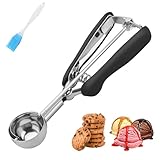
With your pasta rolled into beautiful translucent sheets, it is time to assemble the ravioli. Mastering the correct filling-to-dough ratio is what separates amateur attempts from a restaurant quality homemade beef ravioli recipe. You must portion the meat correctly so the pasta squares are plump but not overstuffed. Using precision tools like a cookie scoop ensures visual symmetry while completely preventing uneven ravioli thickness.
Ingredients & Tools
- The rolled out, thin pasta sheets
- The chilled, crumbly meat and cheese filling
- A small cookie scoop or a pastry bag
- A clean work surface lightly dusted with semolina
Instructions
- Lay a long, single sheet of rolled pasta flat onto your semolina-dusted work surface.
- Using a small cookie scoop (or a piping bag for faster work), portion exactly 1 tablespoon of the chilled meat filling onto the dough.
- Space each mound of filling exactly 2 inches apart along the center of the pasta sheet.
- Ensure the mounds are perfectly compact and rounded, avoiding any stray meat crumbles on the surrounding dough.
- Carefully drape a second, equally long and thin sheet of pasta dough directly over the top of the mounds.
Pro-Tip: Respect the filling-to-dough ratio religiously. Overstuffing your pasta is the number one reason you end up with ravioli opening while boiling. A compact, 1-tablespoon mound ensures the top sheet of dough has enough surface area to stretch downward and connect correctly.
6. Seal the Edges Securely

Save this foolproof sealing method to stop your ravioli from bursting in the pot!
Once the top sheet is draped over your mounds of beef and pork, you face the most critical stage of the entire process. You must lock the filling inside the pasta securely and meticulously press out any trapped air bubbles. Comparing an egg wash vs water for sealing often creates debate, but a light egg wash guarantees an unbreakable bond. By utilizing specific hand-cupping techniques before you cut the ravioli, you structurally fortify each piece.
Ingredients & Tools
- 1 egg whisked with 1 tablespoon water (for the egg wash)
- A soft pastry brush
- A ravioli stamp, fluted pastry wheel, or sharp knife
- A semolina-dusted baking sheet (for resting the finished pasta)
Instructions
- Before placing the top sheet of dough, lightly brush the spaces between the filling mounds on the bottom sheet with a thin layer of egg wash.
- Drape the top sheet of pasta over the mounds, allowing it to settle naturally.
- Using the sides of your hands, gently cup around each mound of filling to firmly press out all trapped air bubbles before sealing the edges.
- Press your fingers firmly down in the spaces between the mounds to lock the top and bottom sheets together.
- Use a fluted ravioli stamp or pastry wheel to cut out the individual ravioli squares.
- Transfer the cut ravioli to a baking sheet generously dusted with semolina flour, making sure they do not touch one another.
Expert insight: Trapped air bubbles expand violently like balloons in boiling water, which is the exact reason why ravioli tear apart! Always start sealing from the very top of the meat mound and carefully work your way downward to squeeze out every microscopic pocket of air.

7. Boil the Ravioli and Simmer the Sauce

Save this final step to serve a flawless, restaurant-quality Italian dinner tonight!
The final hurdle is correctly cooking your delicate, handmade pasta without destroying your hard work. Boiling water cooks the fresh pasta incredibly fast, requiring a fraction of the time needed for store-bought dried pasta. You must bring the water to a gentle rolling boil and pair your Italian dumplings with a complementary flavor profile. A rich tomato marinara sauce or a simple brown butter sage sauce perfectly balances the rich meat stuffing.
Ingredients & Tools
- The finished, rested fresh meat ravioli
- 4-6 quarts of water
- 2 tablespoons kosher salt (for boiling)
- 2 cups high-quality marinara sauce or brown butter sage sauce
- A large pasta pot
- A spider skimmer or slotted spoon
Instructions
- Bring a large pot of water to a rolling boil over high heat, then generously season it with kosher salt until it tastes like the sea.
- In a separate large skillet, gently simmer the marinara sauce over low heat.
- Carefully drop the ravioli into the boiling water in small batches (do not crowd the pot).
- Boil the ravioli gently for 3 to 4 minutes; you will know they are perfectly al dente when they puff up and float to the surface.
- Use a slotted spoon or spider skimmer to carefully lift the cooked ravioli from the water, allowing them to drain briefly.
- Transfer the drained ravioli directly into the simmering sauce, gently tossing to coat them evenly without breaking the delicate skins.
Pro-Tip: Never vigorously boil fresh stuffed pasta. A gentle rolling boil prevents violent water agitation from ripping your ravioli open. Always use a slotted spoon to drain them gently, as pouring them roughly into a colander will crush the bottom layer under their own weight.

Successfully executing this meat ravioli recipe from scratch requires strict adherence to traditional structural and chemical food principles. While the detailed steps above provide the complete methodology, it is crucial to remember the most important factors that separate amateur pasta dishes from restaurant-quality results. Before you begin cooking, review these primary insights to troubleshoot your process and prevent common failures entirely.
- Respect the Resting Period: Always let your Tipo 00 pasta dough rest for at least 30 minutes; this relaxes the gluten and entirely prevents tough pasta dough from shrinking during rolling.
- Master the Crumbly Filling: Process the twice ground beef, pork, and veal in a food processor until it resembles coarse, wet sand to achieve an authentic restaurant-quality texture.
- Utilize Binding Agents: Incorporating breadcrumbs and a lightly beaten egg into the meat mixture absorbs excess fat and moisture, preventing a watery ravioli filling that ruins the pasta shell.
- Prioritize Pasta Laminating: Folding the dough in thirds during the first passes through the pasta machine aligns the gluten strands, resulting in an elastic dough that stretches perfectly over the meat.
- Expel All Air Bubbles: Trapped air expands rapidly in boiling water; always press the air out tightly around each mound of filling before sealing the edges to stop the ravioli falling apart.
- Boil Gently and Extract Carefully: Cook fresh stuffed pasta in a gentle, rolling boil and remove them with a slotted skimmer when they float, as a violent boil or heavy colander dump will break the delicate pasta skins.
Even with a precise methodology, home cooks often have lingering uncertainties when preparing complex dishes like stuffed pasta from scratch. Whether you are dealing with specific ingredient substitutions, wondering how to store your leftovers, or trying to troubleshoot a dough that keeps shrinking back, understanding the deeper science behind the dish is critical. Based on established culinary standards and chef-tested methods, here are direct answers to the most common questions about mastering this traditional Italian main course.
What is the best meat for ravioli?
The absolute best meat to stuff inside homemade ravioli is a traditional Italian blend of twice ground beef, pork, and veal.
Beef provides a robust, rich flavor base, while ground pork adds essential fat and moisture to keep the filling from drying out. Veal acts as a tenderizer, ensuring a perfectly delicate texture. If you cannot find veal, a 50/50 blend of 80/20 ground beef and ground pork is the best alternative to veal in ravioli for achieving authentic flavor.
Do you cook the meat before putting it in ravioli?
Yes, you must fully brown and cook the ground meat mixture before processing it and stuffing it into the ravioli dough.
Fresh pasta cooks in boiling water very quickly—usually in under 4 minutes. This is not enough time to safely cook raw ground meat to its proper internal temperature. Furthermore, browning the ground beef first develops a deep, caramelized flavor profile and cooks off excess moisture that would otherwise result in a watery ravioli filling.
Why is my ravioli falling apart?
Ravioli usually fall apart in the pot due to trapped air bubbles, overstuffing, or a violently boiling water bath.
When assembling the ravioli, you must gently press out all air pockets around the filling; heated air expands in the water, acting like a balloon that bursts the dough. Additionally, ensure you seal the edges securely with an egg wash, maintain a proper filling-to-dough ratio, and use a gentle simmer rather than a rapid, aggressive boil.
Can you freeze homemade meat ravioli?
Yes, homemade meat ravioli freezes exceptionally well and can be stored in the freezer for up to three months.
To freeze them correctly, arrange the freshly cut ravioli in a single layer on a semolina-dusted baking sheet. Place the sheet in the freezer for two hours until the pasta is completely solid. Once frozen solid, transfer them to an airtight freezer bag. You do not need to thaw them; simply drop the frozen ravioli directly into gently boiling salted water, adding 1-2 extra minutes to the cooking time.
How to make homemade ravioli without a machine?
To make homemade ravioli without a machine, you must manually roll the rested pasta dough incredibly thin using a heavy wooden rolling pin or dowel.
Work with small sections of dough at a time, keeping the rest covered. Dust your surface with semolina flour and roll with firm, even pressure until the pasta sheet is nearly translucent—you should be able to see the shadow of your hand through it. While a pasta machine ensures uniform thickness, a standard rolling pin is perfectly authentic to traditional regional Italian cuisine.
What kind of sauce goes with meat ravioli?
A classic, smooth marinara sauce or a simple brown butter and sage sauce are the two best pairings for traditional Italian meat ravioli.
Because the twice ground meat and cheese filling is so rich and complex, you want to avoid heavy cream sauces that overwhelm the palate. A slightly acidic, simmering tomato sauce cuts through the fat beautifully, while melted brown butter with fresh sage elegantly enhances the savory notes of the pork and veal without masking the handmade pasta.
How thin should ravioli dough be?
Ravioli dough should be rolled out to approximately 1/16 of an inch thick, which is usually the second-to-last setting on a standard manual pasta machine.
If the dough is too thick, you will have dense, rubbery pasta edges where the two sheets meet, overpowering the delicate meat filling. If the dough is too thin (like tissue paper), it risks tearing during assembly or bursting open while boiling. It should be thin enough to let light pass through, but sturdy enough to hold the filling.
Should I add egg to meat ravioli filling?
Yes, adding a lightly beaten egg to your processed meat mixture is crucial because it acts as a structural binding agent.
The proteins in the egg coagulate during the quick boiling process, holding the cooked meat, spinach, and cheese together in a compact, pleasant bite. Without an egg and breadcrumbs to bind the ingredients, the meat mixture will be loose and crumbly inside the cooked pasta, and the filling risks leaking out if the dough is slightly pierced.
How to fix tough pasta dough?
If your pasta dough is too tough to roll, it likely has overdeveloped gluten and requires a longer resting period or a slight hydration adjustment.
Wrap the rubbery pasta dough tightly in plastic wrap and let it sit at room temperature for an additional 30 to 45 minutes to autolyse and relax. If it remains incredibly stiff and dry after resting, you can wet your hands with warm water, vigorously knead the moisture into the dough for a few minutes, and allow it to rest once more before rolling.
What cheese goes best with beef ravioli?
Freshly grated Parmigiano-Reggiano and Pecorino Romano are the absolute best cheeses to mix into a beef and pork ravioli filling.
These hard, aged Italian cheeses provide a sharp, salty umami bite that perfectly complements the savory browned meat. While ricotta is popular for vegetarian stuffed pasta, it holds too much moisture for a traditional meat and spinach ravioli filling. Sticking to dry, aged cheeses ensures the filling maintains its classic crumbly, rich texture.
Mastering this homemade meat ravioli recipe is one of the most rewarding culinary techniques you can bring into your home kitchen. While making stuffed pasta from scratch requires patience and attention to detail, the resulting restaurant-quality meal is leagues above anything you could ever buy in a store. By taking the time to perfectly brown your twice ground meat, resting your Tipo 00 dough to develop the ideal elasticity, and meticulously pressing out the air bubbles before sealing, you are participating in a tried and true method that forms the backbone of traditional regional Italian cuisine.
Don’t let the fear of ravioli falling apart hold you back. The secret to this authentic Italian meat ravioli lies entirely in respecting the chemical processes of the ingredients—allowing the gluten to relax, letting the breadcrumbs bind the moisture, and utilizing a gentle simmer rather than a rapid boil. Even if your first few batches look a little rustic, the complex, incredibly rich flavor profile of the beef, pork, and veal filling wrapped in tender handmade pasta will be absolutely perfect.
Prepare your work surface, dust your counter with semolina, and enjoy the meditative process of rolling and filling your own pasta. Have you ever tried rolling pasta dough by hand, or do you strictly rely on a pasta machine? Let me know about your pasta-making journey and any favorite sauce pairings in the comments below!
Last update on 2026-08-06 at 12:11 / Affiliate links / Images from Amazon Product Advertising API
