
As an Amazon Associate BakingBakewareSets.com earns from qualifying purchases.
7 Creative Peach Recipes and Preserving Ideas for Home Bakers
You’ve just hauled home a bushel of sun-warmed peaches, and now the clock is ticking. Every day that passes, those blushing orbs get softer, sweeter, and closer to the compost bin. Peach Recipes and Preserving Ideas for Home Bakers transform that panic into a plan—giving you a clear path from peak ripeness to winter-ready desserts.
What is the best way to preserve fresh peaches for home baking? The most versatile methods are freezing peaches in light syrup (for cobblers and cakes) and canning peach slices in juice (for pies and tarts). Both preserve texture and flavor for 6–12 months when done correctly. For immediate gratification, nothing beats a warm Fresh Peach Crumble Cake that uses up four cups of ripe fruit in one delicious swoop.
Drawing from carefully tested preservation science and time-honored baking techniques, this guide lays out seven creative ways to capture summer’s sweetness. Whether you’re a first-time canner or a seasoned baker, you’ll find the perfect match for your peach stash—so you can savor the taste of August all year long.
☰ Table of Contents ▼
show
7 Creative Peach Recipes and Preserving Ideas for Home Bakers: Your Complete Guide to Peach Season
When a peach avalanche hits your kitchen, you need options that match your time, equipment, and peach ripeness. These seven ideas strike a balance between immediate baking and long-term preserving, ensuring nothing goes to waste. Each method includes tested safety ratios and expert tips so you can tackle the project with confidence.
1. No-Pectin Easy Peach Preserves – Perfect for Beginners

Pin this easy peach preserve recipe to your “Canning & Preserving” board!
What You Need
– 4 lbs ripe but firm freestone peaches (about 8–10 medium)
– 3 cups granulated sugar
– ¼ cup fresh lemon juice (about 2 lemons)
– Optional: 1 vanilla bean (split) or 1 cinnamon stick
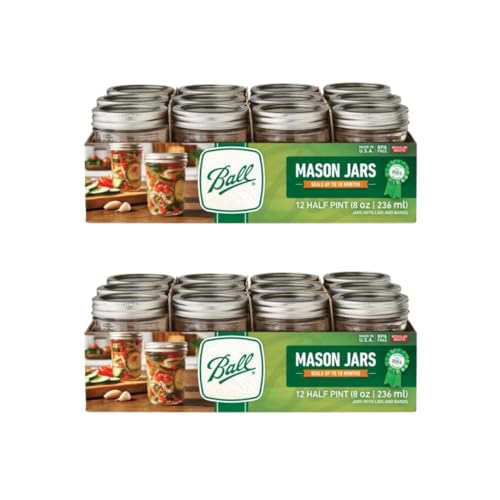
– 4 half-pint mason jars with new lids and rings
– Water bath canner or large stockpot
– Canning funnel and jar lifter
– Sterilized spoons and ladle
Instructions
1. Blanch peaches: score an X on the bottom, boil 30–60 seconds, then plunge into ice water. Slip off skins, pit, and cut into ½-inch slices.
2. In a heavy-bottomed pot, combine peaches, sugar, and lemon juice (and optional spices). Let macerate 30 minutes until juicy.
3. Bring to a boil over medium-high heat, stirring frequently. Once boiling, reduce to a steady simmer. Cook, stirring often, until the mixture thickens and reaches 220°F on a candy thermometer (or passes the sheet test: a small spoonful on a cold plate forms a skin and wrinkles when pushed).
4. Remove vanilla bean or cinnamon stick. Ladle hot preserves into sterilized jars, leaving ¼-inch headspace. Wipe rims, apply lids and rings fingertip-tight.
5. Process in a boiling water bath for 10 minutes (adjust for altitude). Remove, cool 24 hours, check seals. Store unopened up to 18 months.
Pro-Tip: In my experience, the sheet test is more reliable than a thermometer for small batches. Chill a plate in the freezer, drop a teaspoon of preserves, wait 30 seconds, then push it with your finger – if it wrinkles, it’s done.
2. Classic Peach Pie Filling for Canning – Thick & Safe

Save this canning pie filling recipe – it’s a winter baking lifesaver!
What You Need
– 6 cups sliced, peeled, pitted peaches (about 3 lbs)
– 1 cup granulated sugar
– ¼ cup ClearJel (cooking type – not instant)
– ½ teaspoon cinnamon
– ¼ teaspoon nutmeg
– 1 cup water
– 2 tablespoons lemon juice
– 4 quart jars or 8 pint jars with lids and rings
– Water bath canner, jar lifter, canning funnel
Instructions
1. Prepare peaches: blanch, peel, slice (½-inch thick). Toss with lemon juice to prevent browning.
2. In a large pot, whisk together sugar, ClearJel, cinnamon, and nutmeg. Stir in water until smooth. Bring to a boil over medium heat, stirring constantly until thick and bubbly.
3. Gently fold in peach slices. Cook 1 minute, stirring carefully to avoid crushing peaches.
4. Hot-pack: ladle hot filling into hot jars, leaving 1-inch headspace. Remove air bubbles with a nonmetallic spatula. Wipe rims, apply lids fingertip-tight.
5. Process in a boiling water bath: pints 25 minutes, quarts 30 minutes (adjust for altitude). Cool 24 hours, check seals.
Lesson Learned: The first time I used cornstarch I ended up with a watery, separated filling. ClearJel is non-negotiable – it stands up to the high heat of canning without breaking down.

3. Freezing Peaches for Winter Cobblers – Fastest Method

Pin this freezing method – open a taste of summer in January!
What You Need
– Fresh ripe peaches (quantity as needed)
– For light syrup: 2 cups water + 1 cup sugar (dissolved)
– For sugar pack: ½ cup sugar per 4 cups peaches
– Ascorbic acid or lemon juice (to prevent browning)
– Freezer-safe containers or heavy-duty zipper bags
– Baking sheet and parchment paper (for flash freezing)
Instructions
1. Blanch and peel peaches (or skip blanching if using immediately). Slice or halve as desired.
2. Option A – Light Syrup Pack: Toss slices in a mixture of light syrup (1 part sugar to 4 parts water) and a tablespoon of lemon juice per quart. Pack into containers, cover with syrup, leave ½-inch headspace, seal. Label and freeze.
3. Option B – Dry Sugar Pack: Layer peaches and sugar in a bowl, let sit 15 minutes until juices form. Pack into containers, press out excess air, seal. Freeze.
4. Option C – Flash Freeze (best for recipes): Spread slices on a parchment-lined baking sheet without touching. Freeze 2 hours until solid. Transfer to bags. Use straight from freezer in cobblers or smoothies – no thawing needed.
Pro-Tip: I prefer the flash freeze method for baking because you can measure out just what you need. A handful of frozen peaches tossed into a cobbler batter works perfectly without extra liquid.

4. Dehydrated Peach Slices – Snacks & Trail Mix

Pin this dehydrating guide for healthy peach snacks all year!
What You Need
– Fresh ripe peaches (peeled optional; skin-on gives more fiber)
– Ascorbic acid or lemon juice (soak: ¼ cup lemon juice to 1 quart water)
– Sugar (optional, for sweetening)
– Food dehydrator or oven (with convection setting)
– Airtight storage containers or vacuum seal bags
– Oxygen absorbers (for long-term storage)
Instructions
1. Prepare peaches: blanch and peel if desired, slice into ¼-inch to ½-inch thick uniform slices. Remove pits.
2. Pretreatment: Dip slices in ascorbic acid solution for 3 minutes to prevent browning and preserve vitamin C. Drain well.
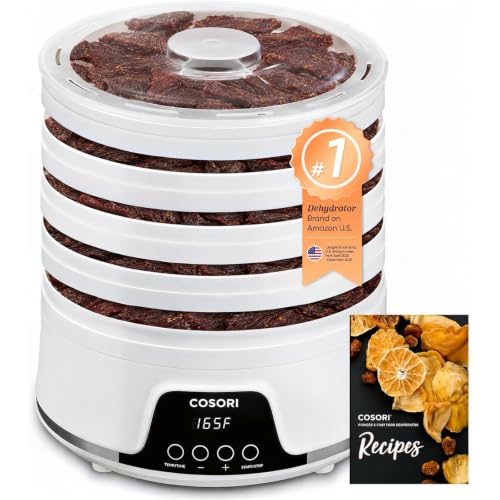
3. Dehydrator method: Arrange slices in single layer on trays. Dehydrate at 135°F for 8–12 hours, rotating trays halfway. Peaches should be leathery and pliable with no moisture pockets. They should snap when bent, not be brittle.
4. Oven method: Place slices on wire racks over baking sheets. Set oven to lowest temperature (140°F to 170°F) with door cracked open. Dry 6–10 hours, checking frequently. Convection helps.
5. Conditioning: After drying, pack loosely in a jar, seal, and let sit a week. If condensation appears, return to dehydrator. Add oxygen absorber for long-term storage.
Lesson Learned: I once stored dehydrated peaches without conditioning and got mold in three weeks. Conditioning equalizes moisture – it’s a step you can’t skip for safe storage.
5. Fresh Peach Crumble Cake – Uses 4 Cups of Peaches

Bake this peach crumble cake now – it’s the ultimate summer dessert!
What You Need
– 4 cups fresh peach slices (about 4–5 medium peaches, peeled and sliced ½-inch)
– 2 cups all-purpose flour
– 1 cup plus 2 tablespoons granulated sugar (divided)
– ½ cup packed brown sugar
– ½ cup unsalted butter, cold (for streusel)
– ½ cup unsalted butter, softened (for cake)
– 2 large eggs
– 1 teaspoon vanilla extract
– 2 teaspoons baking powder
– ½ teaspoon salt
– 1 teaspoon cinnamon
– ½ teaspoon nutmeg
– ½ cup milk or buttermilk
– Optional: powdered sugar for dusting
Instructions
1. Streusel: In a bowl, mix ½ cup flour, ½ cup brown sugar, and 1 teaspoon cinnamon. Cut in ½ cup cold butter until crumbly. Refrigerate.
2. Cake batter: Preheat oven to 350°F. Grease a 10-inch cast iron skillet or 9-inch square baking pan. In a medium bowl, whisk 1½ cups flour, baking powder, salt, nutmeg.
3. In a large bowl, cream ½ cup softened butter and 1 cup sugar until light and fluffy. Beat in eggs one at a time, then vanilla. Alternately add flour mixture and milk, beginning and ending with flour.
4. Assemble: Spread batter evenly in skillet. Arrange peach slices on top (press gently). Sprinkle streusel over peaches.
5. Bake 45–55 minutes until a toothpick comes out clean. Cool 10 minutes. Dust with powdered sugar.
Pro-Tip: For a non-soggy bottom, toss peach slices with 1 tablespoon of flour before arranging on the batter. This thickens the juices as they bake.

6. Peach & Ginger Jam – Adventurous Flavor Twist

This peach ginger jam is a game-changer for breakfast and baking!
What You Need
– 5 cups crushed peeled peaches (about 5 lbs)
– 3 cups granulated sugar
– ¼ cup fresh lemon juice (bottled lemon juice preferred for consistent acidity)
– ¼ cup finely minced fresh ginger (or 3 tablespoons crystallized ginger)
– Optional: 1 tablespoon calcium water (if using low-methoxyl pectin)
– 5 half-pint jars, lids, rings
– Water bath canner
Instructions
1. Prepare peaches: Blanch, peel, crush (some chunks are fine). Combine peaches, lemon juice, and ginger in a large pot.
2. Cook: Bring to a rolling boil over high heat, stirring constantly. Add sugar and return to a full boil that doesn’t stop bubbling when stirred. Boil hard for 1 minute.
3. Test for set: Use the sheet test (cold plate). If using low-methoxyl pectin, follow its instructions for calcium water addition.
4. Ladle hot jam into sterilized jars, leaving ¼-inch headspace. Wipe rims, seal, and process in a boiling water bath for 10 minutes.
5. Cool, check seals, label.
Lesson Learned: I once made a batch with crystallized ginger that was too large – the pieces overwhelmed the delicate peach flavor. ½ inch of minced fresh ginger gives a perfect warm kick without dominating.
7. Brandied Peaches – Grown-Up Baking Secret

Save this brandied peach recipe for the most decadent winter desserts!
What You Need
– 3 lbs firm ripe peaches (peeled, halved, pitted)
– 2 cups sugar
– 2 cups water
– 1 whole vanilla bean, split
– 1 cinnamon stick
– 1 cup brandy (80 proof or higher)
– 2–3 quart-sized glass jars (sterilized) or pint jars
Instructions
1. Make syrup: In a saucepan, combine sugar, water, vanilla bean, and cinnamon stick. Bring to a boil, stirring to dissolve sugar. Reduce heat and simmer 5 minutes.
2. Poach peaches: Gently add peach halves to the syrup. Poach for 3–5 minutes until just tender but not mushy. Remove peaches with a slotted spoon and set aside.
3. Add brandy: Remove syrup from heat. Discard vanilla bean and cinnamon (or place into jars). Stir in brandy.
4. Pack: Divide peach halves among jars. Pour hot brandy syrup over peaches, leaving ½-inch headspace. Ensure peaches are fully submerged.
5. Seal and store: Wipe rims, apply lids, and refrigerate immediately. Let mature at least 2 weeks before using. For longer storage (up to 6 months) keep in the back of your fridge, or freeze in freezer-safe jars (leave 1-inch headspace).
Pro-Tip: Use brandied peaches in a peach upside-down cake – replace the pineapple with brandied peach halves and drizzle some syrup over the batter. The caramelized brown sugar and brandy flavor is unforgettable.
Key Takeaways: Your Quick Guide to Peach Recipes and Preserving Ideas for Home Bakers
Key Takeaways:
- No-pectin preserves are beginner-friendly and require only peaches, sugar, and lemon juice – the key is a long slow simmer to concentrate natural pectin and the sheet test to determine doneness.
- For canning pie filling, use ClearJel (not cornstarch) to ensure a thick, stable gel that won’t break down under high heat or cause syneresis when baked.
- Freezing is the fastest preservation method – flash-freeze peach slices on a baking sheet, then transfer to bags for easy portioning in cobblers and cakes all winter.
- Dehydrated peaches need proper conditioning – store them loosely in a jar for a week to equalize moisture, then add oxygen absorbers for long-term shelf stability.
- Fresh peach cake excels when you toss slices with flour to prevent a soggy bottom, and a cast iron skillet gives the best heat distribution.
- Peach and ginger jam benefits from the natural pectin in ginger plus acid – test for set by the cold plate method to avoid runny jam.
- Brandied peaches are a refrigerated or frozen preserve, not water bath processed – the alcohol adds flavor but reduces shelf stability; store in the fridge for up to 6 months or in the freezer for longer.
People Also Ask About Peach Recipes and Preserving Ideas for Home Bakers
How do you preserve peaches for baking later?
The best methods are freezing in light syrup or canning peach pie filling. For freezing, blanch and peel peaches, slice, and pack into containers with a light sugar syrup (1 part sugar to 4 parts water) plus lemon juice. Or flash freeze slices on a baking sheet, then bag them. For canning, a pie filling thickened with ClearJel is ideal for pies and cobblers because it stays stable during baking.
What is the easiest way to peel peaches for preserving?
Blanching is the easiest and fastest method. Score a small “X” on the bottom of each peach, drop them into boiling water for 30–60 seconds, then immediately transfer to an ice water bath. The skins will slip off easily with your fingers or a paring knife. This works best on ripe but not overripe peaches; underripe peaches may need a slightly longer blanch (up to 90 seconds).
Can you preserve peaches without pectin?
Yes, absolutely. Peaches naturally contain enough pectin to form a gel if you use a longer cooking time and the correct sugar-to-acid ratio. For no-pectin preserves, use ripe but firm peaches (they have higher natural pectin), add lemon juice for acidity, and cook until the mixture reaches 220°F or passes the sheet test. The result is a more spreadable, less firm set than commercial pectin jams.
How long do home canned peaches last?
Home canned peaches last 12–18 months when stored properly. Store jars in a cool, dark place (50–70°F) with moderate humidity. For best quality, use within one year. Always check seals before opening – the lid should be concave and not flex. If a jar has an unsealed lid, mold, off odors, or leaking, discard it immediately.
What can I do with too many fresh peaches?
You have 5 great options: 1) Make no-pectin preserves for immediate use, 2) Can peach pie filling for winter desserts, 3) Freeze slices for cobblers and smoothies, 4) Dehydrate slices for healthy snacks, or 5) Bake a peach crumble cake or cobbler now. Choose based on how much time you have and your available equipment. Freezing is fastest, canning takes a few hours, and dehydrating takes overnight.
Do you have to peel peaches before baking a pie?
Peeling is recommended but not strictly necessary. Peach skin can become tough and chewy after baking, and it sometimes darkens the color of the filling. However, if you’re short on time or want extra fiber and nutrients, you can leave the skins on – just be sure to wash the peaches well. For a rustic galette, I often leave skins on because the skins soften enough during baking.
How do you keep peaches from turning brown when preserving?
Use lemon juice or ascorbic acid (vitamin C). Immediately after peeling and slicing, toss the peach pieces with a mixture of ¼ cup lemon juice per quart of water, or crush an ascorbic acid tablet into a bowl of water. This acidic environment inhibits the enzyme polyphenol oxidase that causes browning. For canned peaches, the acidic syrup also prevents darkening during processing.
Can you freeze peaches without sugar?
Yes, you can freeze peaches without sugar. The texture will be softer and may become slightly mushier when thawed, but they are still perfect for baking, smoothies, or sauces. To maintain best quality, pretreat with ascorbic acid to prevent browning. Flash freeze slices on a baking sheet, then transfer to freezer bags and squeeze out excess air. Expect a shelf life of 6–8 months.
What are the best baking recipes for overripe peaches?
Overripe peaches are perfect for recipes that don’t require firm slices: peach crisp, peach cobbler, peach bread, or peach butter. Their high sugar content and soft texture break down beautifully when baked. Avoid recipes that need the fruit to hold its shape, such as peach pie with intact slices. Pureed overripe peaches make excellent ice cream, smoothies, or barbecue glaze.
How do you water bath can peaches safely?
Follow these 5 essential steps: 1) Use a tested recipe from the USDA or National Center for Home Food Preservation. 2) Add lemon juice or citric acid to achieve the required acidity (pH below 4.6). 3) Use only mason jars with new lids and screw bands. 4) Pack jars with hot fruit and liquid, leaving proper headspace (½ inch for hot packs, 1 inch for raw packs). 5) Process for the full recommended time in a boiling water bath – typically 10–20 minutes for fruit, varying with jar size and altitude.
Final Thoughts on Peach Recipes and Preserving Ideas for Home Bakers
Peach season arrives in a gorgeous, overwhelming flood – a bushel of sun-warmed fruit that begs to be put to use. But with the 7 creative ideas outlined here, you’ll never feel stressed by a peach bounty again. Whether you choose to simmer a batch of no-pectin preserves, can a shelf of pie filling, freeze slices for February cobblers, dehydrate snack rings, bake a golden crumble cake, get adventurous with ginger jam, or indulge in brandied peaches, you’re transforming summer’s sweetness into a year-round pantry treasure.
Remember the core principles: ripe freestone peaches make the best preserving candidates, acid (lemon juice or citric acid) is your best friend for color and safety, and always follow tested canning guidelines for anything that goes into a mason jar. For immediate eats, the fresh peach crumble cake or a simple cobbler will win any table. For long-term joy, freezing is the fastest route, while canning and dehydrating reward you with convenient, shelf-stable ingredients.
I’d love to hear which method you try first – drop a comment below and share your own peach preserving wins (or lessons learned)! Happy preserving and baking.
Have you ever turned a peach avalanche into a winter treat? Tell me about your favorite preserved peach recipe in the comments!
Last update on 2026-09-16 at 21:33 / Affiliate links / Images from Amazon Product Advertising API
