
As an Amazon Associate BakingBakewareSets.com earns from qualifying purchases.
Southern BBQ Side Dishes: 11 Best Ideas to Steal the Show
Hosting a summer cookout sounds perfect until bland sides ruin the meal. You spend hours smoking brisket, but mismatched provisions leave guests completely unsatisfied. Discovering the right Southern BBQ side dishes solves this frustrating menu dilemma immediately.
The best Southern BBQ side dishes include traditional staples like authentic macaroni and cheese, slow-cooked pit beans, creamy coleslaw, and cast-iron cornbread. These classic accompaniments are essential for balancing the rich, heavy fats of smoked meats like pulled pork and brisket with sweet, savory, and tangy flavor profiles.
Drawing from comprehensive analysis of regional barbecue history and pitmaster secrets, true southern cookout sides offer critical flavor balance. You will discover exactly how to prepare eleven crowd-pleasing recipes that complement heavy meat perfectly. Prepare to elevate your next gathering with these proven culinary pairings.
☰ Table of Contents ▼
show
What Are the Best Southern BBQ Side Dishes to Balance Heavy Meat and Add Authentic Flavor?
The best Southern BBQ side dishes to balance heavy meat include acidic vinegar coleslaw to cut through rich pork fat, alongside starchy comfort foods like macaroni and cheese or cast-iron cornbread. These traditional pairings work specifically because they offset the dense, fatty profile of smoked meats with either bright, zesty contrasts or soothing, creamy textures.
A successful barbecue is built on the careful synergy between the smoky intensity of the main course and the comforting familiarity of the trimmings. Unfortunately, many home cooks spend days obsessing over their brisket’s bark or their ribs’ tenderness, only to treat their southern cookout sides as an afterthought. Serving bland, unmatched provisions is a guaranteed way to ruin a perfectly good barbecue.
By applying established pitmaster secrets and understanding regional flavor profiles, you can easily resolve this problem. For example, the heavy fat of Carolina whole-hog barbecue practically demands the sharp, acidic bite of a vinegar-based slaw to cleanse the palate. In contrast, spicy Texas-style sausages and peppery briskets pair beautifully with the cooling, sweet relief of mayo-based potato salads or creamy baked beans. Implementing these precise flavor balance tips ensures your next cookout respects historical southern context while keeping your guests coming back for seconds.
11 Best Southern BBQ Side Dishes to Steal the Show
When planning your backyard barbecue 2026, selecting the ultimate bbq side dishes requires more than simply opening a few cans. Traditional southern tables require a diverse spread of hot and cold provisions to serve alongside the main event. These family favorite recipes span the entire region, offering sweet, savory, and tangy options that perfectly complement your smoked meats.
To execute a flawless menu, you need a curated list of best-ever barbecue side dishes that incorporate expert prep, chill, smoke, and bake techniques. The following collection provides actionable, step-by-step guidance to create steal the show sides. From solving the notorious soggy slaw dilemma to fixing bland beans, these regional BBQ side dishes will transform your basic grilling session into a masterclass in authentic southern comfort foods.
1. Bake the Ultimate Authentic Southern Macaroni and Cheese

Authentic Southern macaroni and cheese requires a rich custard base of eggs and evaporated milk, completely skipping the traditional flour roux, and baking in heavy cast iron. This traditional method yields a perfectly firm yet creamy interior that refuses to dry out, making it the quintessential comfort food to balance smoky BBQ flavors.
Unlike standard shell and cheese varieties, authentic southern mac and cheese relies on strict southern kitchen tested methods. The most critical rule is avoiding pre-shredded bagged cheese, which contains anti-caking starches that cause the dairy to separate into an oily mess at high melting temperatures. Hand-shredding sharp cheddar and gruyere ensures a silky, luxurious pull. While dairy free mac and cheese options exist for specific dietary needs, true southern authenticity requires whole fats to stand up against heavy meat platters.
Ingredients
- 1 lb elbow macaroni (cooked al dente)
- 3 cups sharp cheddar cheese (hand-shredded)
- 1 cup gruyere or Colby Jack cheese (hand-shredded)
- 12 oz can evaporated milk
- 2 large eggs (beaten)
- 1/2 cup unsalted butter (melted)
- 1 tsp smoked paprika
- 1/2 tsp dry mustard powder
- Salt and coarse black pepper to taste
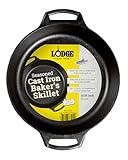
- Heavy-duty cast iron baking dish or 9×13 ceramic pan
Instructions
- Preheat your oven to 375°F and thoroughly grease your cast iron baking dish with butter.
- Boil the macaroni in heavily salted water until just shy of al dente, then drain well.
- Whisk together the evaporated milk, beaten eggs, melted butter, mustard powder, paprika, salt, and pepper in a large mixing bowl.
- Toss the warm, drained pasta into the liquid mixture.
- Mix in 3 cups of the shredded cheese blend, ensuring the noodles are fully coated.
- Pour the mixture into your prepared baking dish.
- Top evenly with the remaining 1 cup of cheese to create a crust layer.
- Bake uncovered for 25-30 minutes until the edges are bubbling and the top is golden brown.
Pro-Tip: For an elevated historical southern context, try a subtle pimento cheese incorporation by folding 1/2 cup of diced pimentos into your cheese mixture before baking. The tanginess beautifully cuts through the richness of the dairy.
2. Slow-Cook Southern Style Green Beans with Bacon

Southern style green beans are deliberately slow-cooked for hours in a savory bacon grease broth until they reach a deeply tender, melt-in-your-mouth texture. This old-fashioned method creates a profound umami flavor that balances the intense sweetness of traditional BBQ sauces.
If you are wondering how to season southern green beans correctly, you must abandon the modern culinary trend of serving vegetables crisp. In certified southern flavor methodology, vegetables are flavored extensively with pork fat and left to simmer low and slow. Utilizing a slow cooker southern style green beans with bacon recipe provides unmatched convenience for backyard hosts. This set-it-and-forget-it approach frees up your smoker space while guaranteeing a deeply savory side dish.
Ingredients
- 2 lbs fresh string beans (ends trimmed)
- 6 slices thick-cut smoky bacon (chopped)
- 1 large sweet yellow onion (diced)
- 3 cups low-sodium chicken broth
- 1 tsp garlic powder
- 1/2 tsp crushed red pepper flakes (optional for heat)
- 1 tsp kosher salt
- 1/2 tsp black pepper
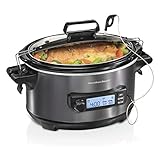
- Programmable 6-quart slow cooker
Instructions
- Fry the chopped bacon in a skillet over medium heat until crispy. Remove the bacon and set aside, reserving 2 tablespoons of the rendered bacon grease.
- Sauté the diced onion in the reserved bacon grease until translucent (about 5 minutes).
- Place the trimmed green beans into the basin of your slow cooker.
- Pour the sautéed onions, chicken broth, garlic powder, red pepper flakes, salt, and pepper over the beans.
- Slow-cook on LOW for 6 to 8 hours, or until the beans are deeply tender and infused with flavor.
- Stir in the crispy bacon right before serving to maintain its crunchy texture.
Pro-Tip: Don’t discard the savory liquid left in the slow cooker! This nutrient-rich, incredibly flavorful broth is traditionally known as pot liquor (or potlikker), which is historically served with cornbread for dipping. You can also elevate the base by using traditional ham hock seasoning during the long simmer.
3. Mix a Classic Southern Potato Salad with Eggs

A classic Southern potato salad expertly balances creamy mayonnaise and tangy yellow mustard, requiring cooks to dress the potatoes while still warm before chilling extensively. This starchy side dish acts as a necessary cooling mechanism when eating spicy, heavily barked smoked brisket.
Figuring out how to avoid soggy potato salad is a common hurdle for home cooks. The secret lies in the chilling and mashing process. You must boil Yukon gold or Russet potatoes just until fork-tender and drain them thoroughly. Dressing the potatoes while they are slightly warm allows the starches to naturally absorb the tangy dressing without turning to mush. A classic southern potato salad with eggs relies heavily on regional family heritage; Texas versions often lean heavier on the mustard, while deep South variations prioritize mayonnaise and sweet relish.
Ingredients
- 3 lbs Yukon Gold or Russet potatoes (peeled and cubed)
- 1 cup high-quality mayonnaise
- 3 tbsp yellow mustard
- 1/4 cup sweet pickle relish (or finely diced sweet pickles)
- 5 large hard-boiled eggs (4 chopped, 1 sliced for garnish)
- 1/2 cup celery (finely diced)
- 1/4 cup red onion (finely diced)
- 1 tbsp apple cider vinegar
- 1 tsp celery seed
- Salt, pepper, and paprika for garnish
Instructions
- Boil the cubed potatoes in salted water until fork-tender (about 12-15 minutes). Drain well and let them cool just until the steam stops rising.
- Whisk together the mayonnaise, yellow mustard, sweet relish, apple cider vinegar, celery seed, salt, and pepper in a large bowl to create the dressing.
- Mix the slightly warm potatoes gently into the dressing. The warmth helps the potatoes absorb the flavors deeply.
- Fold in the chopped hard-boiled eggs, diced celery, and red onion.
- Garnish the top with the remaining sliced egg and a generous dusting of paprika.
- Chill in the refrigerator for at least 4 hours (preferably overnight) before serving to let the flavors meld.
Pro-Tip: When comparing mustard vs mayo based potato salads, remember that mustard adds the necessary tang to cut through rich BBQ meats. If you want to elevate the dish further, try incorporating two tablespoons of chow-chow relish instead of standard sweet relish for an award-winning recipe flavor profile.

4. Chill a Creamy Southern Coleslaw Recipe for Pulled Pork

The perfect creamy Southern coleslaw recipe for pulled pork utilizes a crucial pitmaster secret: salting and purging the shredded cabbage beforehand to extract natural moisture. This technical culinary step ensures your cabbage slaw recipe remains crisp and refreshing rather than turning into a watery soup.
Finding a permanent soggy slaw solution is critical for summer entertaining. Cabbage consists mostly of water, and when combined with sugar and salt in a dressing, osmosis pulls that water out rapidly. By pre-salting your shred, you force the moisture out before the dressing is applied. Furthermore, understanding the mayo vs vinegar slaw debate is essential. Creamy, mayo-based slaws historically hail from Memphis traditions, purposefully designed to cool down heavily spiced dry-rubbed pork.
Ingredients
- 1 medium head green cabbage (shredded)
- 1/4 head purple cabbage (shredded for color)
- 2 large carrots (grated)
- 3/4 cup high-quality mayonnaise
- 3 tbsp apple cider vinegar
- 2 tbsp granulated sugar
- 1/2 tsp celery seed
- 1 tsp kosher salt (plus extra for purging)
- 1/2 tsp black pepper
- Food processor or heavy-duty mandoline slicer
Instructions
- Shred the green cabbage, purple cabbage, and carrots using a food processor or sharp knife.
- Toss the shredded vegetables with 1 tablespoon of kosher salt in a colander. Let it sit in the sink for 1-2 hours to purge excess water (this is the ultimate soggy slaw solution!).
- Rinse the cabbage briefly and pat it completely dry with paper towels.
- Whisk the mayonnaise, apple cider vinegar, sugar, celery seed, salt, and pepper in a large mixing bowl until smooth.
- Mix the dried cabbage and carrots into the dressing until thoroughly coated.
- Chill the coleslaw in the refrigerator for at least 2 hours before serving to allow the flavors to marry and the cabbage to tenderize slightly.
Pro-Tip: When debating a mayo vs vinegar slaw, remember the regional rule of thumb: creamy mayo slaws originate from Memphis and deep southern traditions to cool spicy rubs, while strict vinegar slaws (without mayo) are classic Carolina style, designed to cut through the heavy fat of whole-hog BBQ.

5. Simmer Authentic Crockpot Pinto Beans

Authentic crockpot pinto beans require slow-cooking dried legumes with aromatic smoked meats like ham hocks, and crucially, waiting to salt the broth until the beans become completely tender. This savory, hearty side acts as a protein-rich sponge, absorbing the delicious smoky runoff from your main BBQ plates.
If you are constantly fixing bland beans, the issue stems from utilizing pre-cooked canned varieties lacking an infused flavor base. Making proper crockpot pinto beans requires dried beans that can soak up aromatics over an eight-hour simmer. Whether you are comparing pinto vs black eyed peas, the golden rule remains identical: never add salt at the beginning of the cook. Adding salt too early reacts with the dried legumes, resulting in tough, impenetrable bean skins that ruin the desired creamy texture.
Ingredients
- 1 lb dried pinto beans (sorted and rinsed)
- 1 large smoked ham hock (or 1/2 lb chopped bacon)
- 1 yellow onion (diced)
- 3 cloves garlic (minced)
- 1 jalapeño (seeded and diced – optional)
- 6 cups chicken broth or water
- 1 tbsp chili powder
- 1 tsp cumin
- 1 tbsp kosher salt (added at the end)
- Large 8-quart slow cooker
Instructions
- Sort the dried beans to remove any small stones or debris, then rinse them thoroughly under cold water. (Soaking overnight is optional but reduces cooking time).
- Place the rinsed beans, ham hock, onion, garlic, jalapeño, chili powder, and cumin into the crockpot.
- Pour the chicken broth over the ingredients, ensuring the beans are covered by at least 2 inches of liquid.
- Slow-cook on HIGH for 5-6 hours or LOW for 8-10 hours, checking occasionally to ensure there is enough liquid.
- Shred the meat from the ham hock once tender, discarding the bone and returning the meat to the pot.
- Season with kosher salt only after the beans are fully tender, stirring well.
Pro-Tip: If you are fixing bland beans, the culprit is usually a lack of a good fat base. Starting with a bacon grease base instead of oil when sautéing aromatics, or incorporating a smoked ham hock, ensures the beans carry a rich, historical southern context of flavor.

6. Bake Sweet Cornbread Muffins in Cast Iron

Baking sweet cornbread muffins in a pre-heated, heavily greased cast iron pan produces a coveted crispy, golden edge that beautifully contrasts their moist interior. Cornbread functions as the ultimate vehicle on your plate, designed specifically to sop up sweet BBQ sauces, rich bean broths, and savory pot liquor.
The great culinary debate of cornbread vs hush puppies often overshadows the more fiercely contested argument: sweet versus savory cornbread. When pairing with heavily spiced, savory brisket or ribs, learning how to make sweet cornbread muffins creates an ideal flavor counterweight. The incorporation of buttermilk ensures the crumb structure remains incredibly moist rather than crumbling instantly upon touch.
Ingredients
- 1 cup yellow cornmeal
- 1 cup all-purpose flour
- 1/2 cup granulated sugar (adjust for less sweet)
- 1 tbsp baking powder
- 1 tsp salt
- 1 cup whole buttermilk
- 1/3 cup vegetable oil or melted butter
- 2 large eggs
- Pre-seasoned cast iron muffin pan or 9-inch cast iron skillet
Instructions
- Preheat your oven to 400°F. Place your cast iron muffin pan inside the oven while it preheats to get it smoking hot.
- Whisk the cornmeal, flour, sugar, baking powder, and salt together in a large mixing bowl.
- Mix the buttermilk, oil (or melted butter), and eggs in a separate bowl until well combined.
- Fold the wet ingredients into the dry ingredients gently. Do not overmix; a few lumps are fine.
- Remove the hot cast iron pan from the oven carefully and grease each cup generously with butter or bacon grease.
- Pour the batter immediately into the hot pan (it should sizzle!).
- Bake for 15-18 minutes until the tops are golden brown and a toothpick comes out clean.
Pro-Tip: Proper cast iron baking is the secret to a perfectly crispy crust. For an incredible, expert-level finish, brush the hot muffins immediately out of the oven with a sorghum syrup glaze (or honey butter) to elevate the sweet and savory balance.

7. Smoke Traditional Texas Ranch Pit Beans

Traditional Texas ranch pit beans are elevated by mixing canned baked beans with leftover brisket trimmings and cooking them directly uncovered inside the smoker. This robust, smoky technique allows the sweet beans to absorb the ambient wood smoke and dripping meat fats above them.
Mastering how to make pit beans in a smoker is the ultimate pitmaster cheat code. Rather than starting entirely from scratch, you utilize a canned base, significantly reducing prep time without sacrificing deep, complex flavors. Texas ranch beans act as a hearty bridge between the main meats and lighter sides. By deliberately exposing the cast iron Dutch oven to the smoker’s environment, the sauce reduces and caramelizes, transforming a basic grocery item into an elite, pitmaster-approved side dish.
Ingredients
- 2 (28 oz) cans baked beans (drained halfway)
- 1 cup leftover smoked brisket or pulled pork (chopped)
- 1/2 cup favorite BBQ sauce
- 1/4 cup brown sugar
- 1/4 cup apple cider vinegar
- 1 tbsp yellow mustard
- 1 yellow onion (diced)
- Cast iron Dutch oven (smoker safe)
Instructions
- Sauté the diced onion in the cast iron Dutch oven until soft.
- Mix in the drained beans, chopped brisket, BBQ sauce, brown sugar, apple cider vinegar, and mustard.
- Stir thoroughly to combine all the ingredients until the brown sugar dissolves.
- Place the uncovered Dutch oven directly into your BBQ smoker running at 225°F-250°F.
- Smoke the beans for 2-3 hours, stirring every 45 minutes, until the sauce reduces, thickens, and becomes deeply caramelized.
- Serve piping hot straight from the cast iron pot.
Pro-Tip: For the ultimate pitmaster approved sides, place your Dutch oven of beans directly underneath your ribs or pork butt in the smoker. Allowing the meat drippings to fall into the beans creates an irreplaceable, authentic southern technique flavor profile.

8. Fry Crispy Southern Okra Without the Slime

To successfully fry crunchy Southern okra without the slime, soak fully dried okra rounds in acidic buttermilk before coating them in cornmeal and frying at exactly 375°F. This bite-sized side dish provides an essential earthy crunch that contrasts beautifully with soft, heavily sauced barbecue meats.
Learning how to make fried okra not slimy is the biggest hurdle for backyard cooks. The infamous slime, scientifically known as mucilage, activates when exposed to liquid. By using a buttermilk brine, the acid helps break down the mucilage before it hits the hot oil. Furthermore, addressing the baked vs fried okra debate comes down to texture. Only a rapid, high-heat fry instantly seals the crust, preventing the vegetable’s internal moisture from steaming the breading into a mushy paste.
Ingredients
- 1 lb fresh okra (washed, dried thoroughly, and sliced into 1/2 inch rounds)
- 1 cup whole buttermilk
- 1 cup fine yellow cornmeal
- 1/2 cup all-purpose flour
- 1 tsp seasoned salt (like Lawry’s)
- 1/2 tsp cayenne pepper
- Peanut oil or canola oil for frying
- Deep frying thermometer
Instructions
- Soak the sliced okra in the buttermilk for at least 15 minutes. The acidity helps cut down the mucilage (slime).
- Whisk the cornmeal, flour, seasoned salt, and cayenne pepper together in a shallow dish.
- Heat 2 inches of oil in a heavy skillet or Dutch oven until a deep frying thermometer reads exactly 375°F.
- Dredge the okra in small batches. Remove them from the buttermilk with a slotted spoon, letting excess drip off, and toss them in the cornmeal mixture until fully coated.
- Fry the okra in batches for 3-4 minutes until golden brown and floating. Do not overcrowd the pan.
- Drain the fried okra on a wire cooling rack set over paper towels (not directly on the paper, to stay crunchy).
Pro-Tip: The ultimate non-mushy okra solution relies on two things: ensuring your okra is completely dry before slicing, and utilizing a buttermilk brine. If debating baked vs fried okra, frying at a strict 375°F instantly seals the crust, preventing the vegetable’s natural moisture from steaming the breading.

9. Braise Hearty Collard Greens for a Crowd

Properly braised hearty collard greens demand vigorous washing to remove trapped grit, followed by a long, slow simmer with smoked turkey and apple cider vinegar. This highly traditional vegetable side delivers an earthy, slightly bitter, and acidic contrast that cuts directly through the cloying sweetness of baked beans and sticky ribs.
Understanding how to cook collard greens for a crowd is essential for large family reunions. The most common mistake home cooks make is underestimating the volume reduction; raw greens shrink by roughly 80% during the simmer. Therefore, a massive 12-quart stockpot is mandatory. These greens represent some of the most historically significant healthy southern vegetable side recipes, relying heavily on the slow extraction of flavors from a smoked turkey leg or ham hock to mask any residual bitterness in the tough leaves.
Ingredients
- 3 large bunches fresh collard greens (stems removed, leaves chopped)
- 1 smoked turkey leg or ham hock
- 1 large onion (chopped)
- 4 cloves garlic (minced)
- 4 cups chicken broth
- 1/4 cup apple cider vinegar
- 1 tbsp brown sugar
- 1 tsp red pepper flakes
- Large 12-quart stock pot
Instructions
- Wash the collard greens vigorously in a clean sink filled with cold water to remove all dirt and grit. Drain and repeat until the water is perfectly clear.
- Sauté the onion and garlic in a bit of oil at the bottom of a large stock pot until fragrant.
- Add the smoked turkey leg (or ham hock), chicken broth, apple cider vinegar, brown sugar, and red pepper flakes. Bring to a boil.
- Pack the chopped collard greens into the pot. They will seem like too much, but they shrink significantly as they cook.
- Simmer covered on low heat for 1.5 to 2 hours, stirring occasionally, until the greens are incredibly tender.
- Shred the meat from the bone and mix it back into the greens before serving.
Pro-Tip: If you’re learning how to scale bbq side recipes for 50 people, remember that raw collards reduce by about 80% when cooked. The secret to perfect traditional southern soul food bbq sides is the pot liquor—the vitamin-rich broth left behind. Serve with hot pepper vinegar on the side to let guests customize their acidity.

10. Simmer Authentic Carolina Hash Over Rice

Authentic Carolina Hash is a deeply traditional, thick stew made by simmering leftover smoked pork shoulder, finely diced potatoes, and tangy mustard BBQ sauce, served generously over a bed of fluffy white rice. This hyper-regional South Carolina specialty serves as a hearty, starchy bridge between your main meat cuts and lighter vegetable sides.
When guests ask what is carolina hash over rice, you are introducing them to an elite zero-waste pitmaster tradition. Originating from historic plantation kitchens, hash was designed to stretch expensive meat by breaking down trimmings and potatoes into a thick, savory gravy. It is a mandatory inclusion for authentic carolina style bbq side dishes. Unlike Brunswick stew or burgoo, true Carolina hash relies on a signature yellow mustard base to provide a sharp tang that expertly cuts the richness of the shredded pork.
Ingredients
- 1 lb leftover smoked pork shoulder (finely shredded or minced)
- 2 large russet potatoes (peeled and diced very small)
- 1 large yellow onion (finely minced)
- 2 cups beef or pork broth
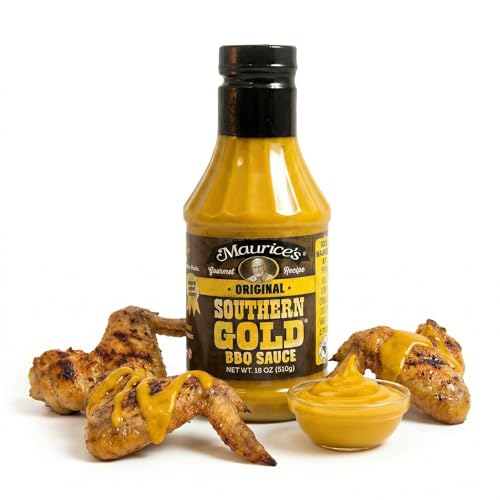
- 1/2 cup Carolina Gold mustard-based BBQ sauce
- 2 tbsp apple cider vinegar
- 1 tsp black pepper
- 4 cups cooked long-grain white rice (for serving)
Instructions
- Combine the minced pork, diced potatoes, minced onion, and broth in a heavy-bottomed pot or Dutch oven.
- Simmer the mixture over medium-low heat for 1.5 to 2 hours. The goal is for the potatoes to break down completely and naturally thicken the broth into a gravy.
- Stir frequently during the last 30 minutes to prevent the thick hash from scorching on the bottom of the pot.
- Mix in the Carolina Gold BBQ sauce, apple cider vinegar, and black pepper during the final 15 minutes of cooking.
- Serve the thick, savory meat stew generously ladled over hot, fluffy white rice.
Pro-Tip: If you are asked what is carolina hash over rice, explain that it is the ultimate zero-waste pitmaster tradition. Utilizing a carolina gold sauce base provides the crucial mustardy tang that distinguishes this from a standard Brunswick stew. It is a mandatory inclusion for authentic carolina style bbq side dishes.
11. Grill or Fry Crunchy Sweet Potato Fries

To guarantee sweet potato fries turn out remarkably crunchy rather than limp, you must thoroughly dry the cut potatoes and toss them in a fine coating of cornstarch before baking or frying. This technique absorbs excess moisture, ensuring the sweet fries provide the perfect dessert-adjacent contrast to heavily spiced, savory ribs.
Figuring out how to make sweet potato fries crispy is largely a battle against vegetable moisture. Sweet potatoes possess a completely different starch makeup than standard russets, meaning they naturally steam themselves into a soggy mess when exposed to high heat. The cornstarch hack artificially creates a rigid starch barrier that fries up beautifully. Furthermore, addressing the sweet + savory balance is crucial; you should never salt the fries before cooking, as premature salting draws out even more internal moisture.
Ingredients
- 3 large sweet potatoes (peeled and cut into uniform 1/4 inch matchsticks)
- 2 tbsp cornstarch
- 2 tbsp olive oil (if baking) or peanut oil (if frying)
- 1 tsp smoked paprika
- 1/2 tsp garlic powder
- 1 tsp coarse sea salt (added after cooking)
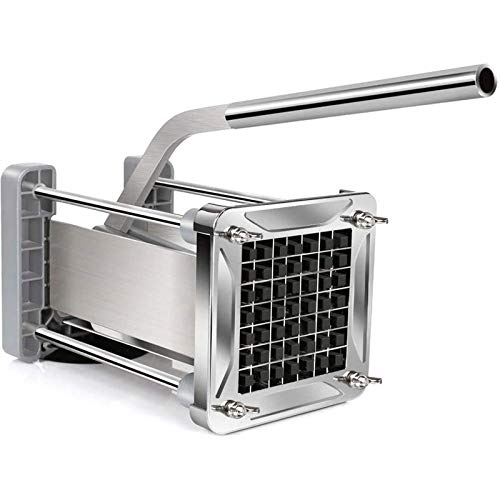
- French fry cutter (for uniform sizing)
Instructions
- Soak the cut sweet potato matchsticks in cold water for 30-60 minutes to draw out excess starch.
- Drain and dry the potatoes completely using paper towels. Moisture is the enemy of crispiness!
- Toss the dried potatoes in a large bowl with the cornstarch until they are evenly coated with a fine, powdery layer.
- Toss them again with the oil, smoked paprika, and garlic powder (do not add salt yet).
- Bake at 425°F on a parchment-lined baking sheet for 25-30 minutes, flipping halfway, OR Fry at 375°F until the edges are dark and crispy.
- Season immediately with coarse sea salt as soon as they come out of the heat.
Pro-Tip: Balancing sweet + savory profiles is crucial for BBQ. To ensure maximum crispness, always cut your fries uniformly using a dedicated fry cutter. Salting before cooking draws out moisture, resulting in limp fries, so always salt them after the cooking process is complete.
Key Takeaways: Your Quick Guide to Southern BBQ Side Dishes
When you are deep into cookout prep, you don’t always have time to re-read every recipe detail. To ensure your best-ever barbecue side dishes succeed, remember these fundamental rules. This quick southern bbq side dishes overview distills the main takeaways needed to master your backyard menu.
Key Takeaways:
- Balance Sweet and Savory: Great southern bbq side dishes rely on contrast. Pair rich, fatty meats like brisket with acidic, tangy sides like mustard potato salad or vinegar slaw to cleanse the palate.
-
Control Vegetable Moisture: Whether making coleslaw or frying okra, removing excess water is critical. Always salt and purge cabbage, and ensure okra is completely dry before breading to achieve a non-mushy texture.
-
Utilize Cast Iron: For the most authentic southern technique, bake your mac and cheese and cornbread in pre-heated cast iron to achieve the signature crispy, golden-brown crusts that define the cuisine.
-
Don’t Waste the Drippings: Enhance traditional pit beans by placing them directly in the smoker beneath your main meats, allowing the fat and smoke drippings to naturally flavor the dish.
-
Save the Pot Liquor: When slow-cooking greens or beans, the leftover nutrient-rich broth (pot liquor) is a highly prized component of traditional southern tables; serve it with cornbread for dipping.
-
Nail the Fat Base: Authentic southern flavor profiles are built on pork fat. Starting dishes like green beans or pinto beans with a bacon grease base or smoked ham hock provides deep, savory umami that oil cannot replicate.
People Also Ask About Southern BBQ Side Dishes
If you’re handling menu planning and crowd-size calculations for your next cookout, you likely have specific questions about execution and dietary needs. Here are authoritative answers to the most common bbq queries regarding the best bbq side dishes for 2026.
What are the best cold sides for a bbq?
The best cold sides for a barbecue include creamy potato salad, crisp coleslaw, broccoli grape salad, and chilled pasta salad recipes.
Cold sides are essential for outdoor summer cookouts because they provide a refreshing temperature contrast to hot smoked meats. To ensure outdoor food safety, always keep mayonnaise-based salads nestled in a larger bowl of ice if serving them outdoors for extended periods, and never leave them out for more than two hours.
How to calculate crowd-size portions for BBQ sides?
Plan for guests to eat about 4 to 6 ounces of each side dish when serving a standard BBQ menu.
If you are wondering how to scale bbq side recipes for 50 people, a safe rule of thumb is to prepare one gallon of baked beans, 10 pounds of potato salad, and one large pan (9×13) of macaroni and cheese. Always provide a mix of heavy starches and lighter vegetable options so guests can balance their plates.
What are healthy southern bbq side options?
Healthy southern barbecue sides include vinegar-based coleslaw, grilled corn on the cob, slow-cooked green beans, and fresh tomato salads.
You can easily adapt traditional southern soul food bbq sides to be healthier by swapping heavy pork fat for smoked paprika or liquid smoke to maintain the traditional flavor profile while significantly reducing calories and cholesterol.
What is the most searched bbq side dish in the South?
Broccoli grape and pasta salad is often cited as one of the most uniquely searched barbecue side dishes in the deep South.
However, universally, baked macaroni and cheese and creamy coleslaw remain the undisputed foundational staples. The popularity of specific sides varies heavily by region, with Carolina hash dominating South Carolina and pit beans ruling Texas.
Are hush puppies a side dish or appetizer?
Hush puppies are traditionally served as a side dish, particularly alongside fried fish and barbecue.
While they can be passed around as an appetizer, they are meant to function like cornbread—a starchy, savory accompaniment used to soak up sauces and balance out heavily seasoned main courses. They are a must-have for a complete southern menu.
What side dishes go with bbq chicken?
Sweet corn on the cob, classic potato salad, and tangy baked beans pair perfectly with the lighter profile of BBQ chicken.
Because chicken is leaner than pork or beef brisket, it pairs wonderfully with sweeter, lighter side dishes. A crisp, vinaigrette-based pasta salad or a fresh watermelon slice also makes an excellent, refreshing accompaniment to sticky BBQ chicken.
How to keep bbq sides warm outdoors?
Keep hot barbecue sides warm outdoors by utilizing slow cookers, insulated food carriers, or chafing dishes with gel fuel burners.
For a budget-friendly hack, you can place heavy cast-iron pots of baked beans or mac and cheese directly on the cooler side of your grill to maintain their temperature without overcooking them while guests serve themselves.
What are vegetarian southern bbq sides?
Vegetarian options include mac and cheese, sweet potato fries, meatless collard greens, and creamy coleslaw.
To create vegetarian versions of southern bbq classics, substitute the traditional ham hocks or bacon grease with smoked paprika, smoked sea salt, or a few drops of liquid smoke to replicate the authentic, slow-cooked savory flavor without using animal products.
Why do southerners serve bread with bbq?
White bread or cornbread is served with BBQ to act as a culinary sponge, allowing diners to soak up leftover sauces, meat juices, and pot liquor.
Historically, inexpensive bread was provided to stretch the meal and ensure guests left full. Today, a slice of cheap white bread placed under a portion of ribs or brisket remains a hallmark of an authentic BBQ joint experience.
What is the secret to southern mac and cheese?
The secret to authentic southern mac and cheese is using a custard base made of eggs and evaporated milk rather than a flour-based roux.
Additionally, always use block cheese and shred it yourself by hand. Pre-shredded bagged cheeses contain anti-caking agents that prevent a smooth, creamy melt, often resulting in a grainy or separated cheese sauce.
Final Thoughts on Southern BBQ Side Dishes
Mastering the art of Southern BBQ side dishes is what truly separates an amateur griller from a respected backyard pitmaster. While it’s easy to obsess over the perfect smoke ring on a brisket or the bark on pulled pork, it is the classic accompaniments—the creamy macaroni and cheese, the tangy coleslaw, and the slow-simmered pit beans—that pull the entire meal together. These ultimate bbq side dishes do more than just fill a plate; they provide the essential acidic and starchy contrasts needed to balance heavy, fatty meats.
By applying these pitmaster secrets, from purging your cabbage to utilizing a rich bacon grease base for your beans, you can elevate traditional family reunion traditions and bring authentic southern hospitality to your own backyard. Whether you are prepping for a simple weekend family meal or executing major summer entertaining, these proven, time-honored recipes guarantee your food will steal the show.
Now that your menu is set, the only thing left is to fire up the smoker. Which of these classic southern sides are you most excited to try at your next cookout? Let us know in the comments below, and don’t forget to save these recipes for your next barbecue!
Last update on 2026-09-15 at 21:31 / Affiliate links / Images from Amazon Product Advertising API
