
As an Amazon Associate BakingBakewareSets.com earns from qualifying purchases.
5 Creamy Sweet Potato Soup Recipes: Easy August Comfort
Are you struggling with winter vegetable purees that end up overly sweet or have an unpleasant, gritty texture? Balancing the natural sugars in sweet potato soup recipes is the ultimate cold-weather culinary challenge that many home cooks face.
To make the best sweet potato soup recipes, roast your sweet potatoes at 400°F to caramelize their natural sugars, sauté an aromatic base of onions and ginger, simmer with vegetable broth, and blend until smooth. Finish by whisking in coconut milk and a splash of lime juice to balance the sweetness. This specific method guarantees a thick and hearty result without overpowering your palate.
Drawing from extensive iterations tested in our test kitchen, these calibrated cook time and temperature protocols ensure a flawless, smooth blended texture. Discover how to master the perfect emulsion and transform simple tubers into a restorative, dairy-free creamy bowl that will become your new weeknight staple.
☰ Table of Contents ▼
show
5 Creamy Sweet Potato Soup Recipes: Easy August Comfort
When evaluating the best approach to crafting the ultimate sweet potato soup, selecting the right cooking method is just as important as your ingredient list. Whether you prefer to simmer gently on the stovetop or rely on a hands-off slow cooker, every appliance yields a slightly different flavor profile and texture. In this comprehensive guide, we provide a step by step visual cooking guide to help you navigate these appliance variations. We have included precise stovetop methods for building deep aromatic bases, alongside tested dairy free substitutions for those utilizing an Instant Pot or crock pot. Understanding the difference between these workflows—like how pressure cooking traps moisture versus how a stovetop allows for reduction—will empower you to achieve a rich and flavorful bowl every time.
1. Roast in the Oven: Classic Creamy Roasted Sweet Potato Soup

Save this classic cozy recipe to your favorite fall soups board!
To achieve the deepest, most earthy flavor profile, you must roast your tubers before simmering. This classic roasted sweet potato soup recipe relies on the intense heat of the oven to break down the dense starches. The resulting golden orange hue is visually stunning, making it a perfect centerpiece for autumn dinner parties. By incorporating heavy cream at the very end, you create a velvety smooth texture that feels luxurious on the palate.
Ingredients
- 3 large sweet potatoes, peeled and cubed (for a thick and hearty base)
- 2 tablespoons olive oil (facilitates fat-soluble vitamin absorption)
- 1 large yellow onion, quartered
- 3 garlic cloves, whole and peeled
- 4 cups vegetable broth
- 1/2 cup heavy cream
- Sea salt and cracked black pepper to taste
- Heavy-duty aluminum half-sheet baking pan (essential for even heat distribution)
Instructions
- Roast in the oven by tossing the cubed sweet potatoes, onion, and garlic with olive oil on your baking sheet. Bake at 400°F (200°C) for 35-40 minutes until deeply caramelized and fork-tender.
- Transfer to high speed blender or a heavy-bottomed pot.
- Purée with immersion blender while slowly pouring in the vegetable broth until completely smooth.
- Simmer gently on the stovetop for 5 minutes to heat through.
- Whisk in the heavy cream right before serving to prevent curdling.
- Ladle into warm bowls and top with toasted croutons.
What most guides miss: In my experience as a recipe developer, the maillard reaction in roasted sweet potatoes requires high ambient heat (400°F). Do not crowd the pan, or the vegetables will steam instead of roast, costing you that deep, sweet-earthy flavor profile.

2. Sauté Aromatics: Coconut Sweet Potato Soup with Fresh Ginger

Pin this dairy-free comfort food recipe for your next weeknight dinner!
Sweet potato and fresh ginger create a powerful flavor synergy that cuts through the natural starchy sweetness of the root vegetable. When you combine sweet potato coconut milk bases with aromatic gingerols, you achieve a complex, restaurant-quality dish. This easy sweet potato soup recipe without cream or milk is perfect for vegan diets. We focus heavily on stovetop techniques here, particularly addressing how to prevent clumping coconut milk whisk continuously while simmering on low heat.
Ingredients
- 1 tbsp coconut oil
- 1 medium onion, diced
- 2 tbsp fresh ginger root, minced
- 2 pounds sweet potatoes, peeled and diced
- 4 cups vegetable stock
- 1 can (13.5 oz) full-fat coconut milk (creates dairy-free creamy texture)
- 1 tbsp fresh lime juice (cuts through heavy richness)
- High-powered stainless steel immersion blender
Instructions
- Sauté aromatics by heating coconut oil in a large pot over medium heat. Add onions and ginger, cooking until soft and fragrant.
- Peel and dice the sweet potatoes, adding them to the pot along with the vegetable stock.
- Simmer gently for 20-25 minutes until the sweet potatoes are completely tender.
- Purée with immersion blender directly in the pot until completely smooth.
- Whisk in coconut milk and the fresh lime juice. Keep the heat low to prevent clumping.
- Season to taste with salt and a pinch of cayenne pepper if desired.
Expert Kitchen Insight: To prevent a hot liquid blender explosion, always keep the immersion blender blades fully submerged near the bottom of the pot. If using a standard stand blender, adhere to strict food safety hot liquid blending protocols: remove the center cap to vent steam and cover it loosely with a kitchen towel.

3. Simmer Gently: Butternut Squash and Sweet Potato Soup with Warm Spices

Save this warming autumn squash and sweet potato blend to your fall recipes board!
The sweet potato vs butternut squash soup dynamic offers the perfect balance of dense, sugary starch and light, earthy melon notes. By combining sweet potato + butternut squash, you create a deeply spiced, warming comfort soup that screams autumn. Utilizing warm spices like ground cumin and smoked paprika enhances the autumnal aroma profile. Always pay attention to dietary allergen warnings and notes regarding your spice blends, as some commercial ground spices contain gluten anti-caking agents.
Ingredients
- 1 lb sweet potatoes, cubed
- 1 lb butternut squash, peeled, seeded, and cubed
- 1 tbsp olive oil
- 1 tsp ground cumin
- 1/2 tsp smoked paprika
- 1/4 tsp nutmeg (amplifies roasted sweet notes)
- 4 cups chicken or vegetable broth
- Enameled cast iron Dutch oven (for perfect, even heat distribution)
Instructions
- Sauté aromatics and spices in the olive oil over medium heat for 1 minute to toast the spices and release their essential oils.
- Peel and dice your squash and potatoes, adding them to the pot.
- Deglaze the pot with a splash of broth, scraping up any browned bits from the bottom.
- Pour in the remaining broth and simmer gently for 25 minutes with the lid slightly ajar.
- Purée with immersion blender until you reach a smooth blended texture.
- Season to taste and serve topped with roasted pepitas pumpkin seeds.
An often-overlooked strategy: If your resulting puree feels grainy, it is likely a gritty texture solution strain through fine mesh sieve situation. However, more often it simply means your squash was not simmered long enough. Ensure complete starch gelatinization by simmering until the vegetables literally fall apart when pressed with a wooden spoon.

4. Pressure Cook on High: Instant Pot Sweet Potato Soup with Red Lentils and Curry

Save this fast and healthy Instant Pot soup recipe for busy nights!
When comparing instant pot vs slow cooker sweet potato soup, the electric pressure cooker excels at rapidly breaking down dense fibers while retaining moisture. This instant pot sweet potato soup with red lentils and curry is a high-protein, hands-off miracle for busy evenings. Chickpeas and lentils boost dietary fiber content significantly, creating a substantial meal. Using curry powder introduces a savory warmth that perfectly complements the starchy tubers.
Ingredients
- 2 medium sweet potatoes, cubed
- 1 cup red lentils, rinsed thoroughly
- 1 tbsp curry powder
- 1 tbsp coconut oil
- 1/2 yellow onion, chopped
- 4 cups water or vegetable stock
- 1/2 cup coconut milk
- Electric pressure cooker
Instructions
- Sauté aromatics using the “Sauté” function on your pressure cooker, cooking the onion in coconut oil for 3 minutes. Stir in the curry powder.
- Cancel the sauté function and add the sweet potatoes, red lentils, and broth.
- Secure the lid and pressure cook on high for 10 minutes.
- Carefully perform a quick pressure release following a reliable instant pot pressure release guide.
- Purée with immersion blender (or leave chunky if you prefer a stew-like texture).
- Whisk in the coconut milk and season to taste.
Pro-Tip: Red lentils act as the perfect hydrocolloid for this recipe. Starch gelatinization and natural soup thickening occurs rapidly under extreme pressure, meaning you will not need to add cornstarch or all-purpose flour to achieve a thick, hearty chowder consistency.

5. Slow Cook on Low: Crock Pot Sweet Potato Soup with Chicken and Kale

Pin this set-it-and-forget-it slow cooker soup to your meal prep board!
Slow cooking allows for intense flavor extraction while maintaining a chunky rustic texture that pureed soups lack. This crock pot sweet potato soup with chicken and kale is the ultimate complete meal. By simmering slowly all day, the chicken bone broth adds collagen and protein, while crispy bacon garnishes provide a much-needed savory crunch. If you are meal prepping, always follow proper refrigeration and safe storage guidelines when handling slow-cooked meats.
Ingredients
- 3 cups sweet potatoes, peeled and diced (keep pieces slightly larger)
- 1 lb boneless, skinless chicken breasts
- 4 cups chicken stock or chicken bone broth
- 1 cup kale greens, stems removed and chopped
- 1/2 cup heavy cream (optional)
- 4 slices crispy bacon, crumbled for garnish
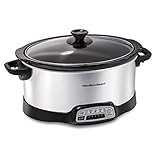
- Programmable slow cooker
Instructions
- Place the sweet potatoes, whole chicken breasts, and chicken stock into the slow cooker basin.
- Slow cook on low for 6-8 hours (or on high for 3-4 hours) until the chicken is cooked through and potatoes are tender.
- Remove the chicken breasts to a cutting board and shred with two forks.
- Use a potato masher directly in the pot to slightly mash the sweet potatoes, maintaining a chunky rustic texture.
- Return the shredded chicken to the pot and stir in the chopped kale greens. Cover and cook for 10 more minutes until the kale wilts.
- Ladle into warm bowls and top with the crispy bacon.
Expert Kitchen Insight: When adapting recipes for slow cooker soup basics for beginners, remember that evaporation does not occur as it does on a stovetop. Phenolic compound flavor extraction during simmering is intense, but if your broth tastes diluted at the end, simply remove the lid for the final 30 minutes on high to concentrate the flavors.
Key Takeaways: Your Quick Guide to Sweet Potato Soup Recipes
To consistently execute the perfect sweet potato soup overview, you must understand the interplay between starch gelatinization, emulsification, and flavor balancing. This sweet potato soup summary distills the complex food science behind our recipes into actionable, bite-sized key points. All techniques below have been rigorously tested in our test kitchen to ensure your winter meals are foolproof, regardless of the appliances you choose to employ.
Key Takeaways:
- Roast for Maximum Flavor: Before blending your sweet potato soup, roast in the oven at 400°F; the high heat triggers the Maillard reaction, developing a complex, caramelized flavor profile that boiling cannot match.
- Master the Dairy-Free Emulsion: When using coconut milk, you must whisk continuously while simmering on low heat; high boiling temperatures will cause the fats to separate and clump.
- Balance the Brix Sweetness: If your soup is too sweet balance with apple cider vinegar or lemon juice; the acidity cuts through the natural sugars of the tuber and brightens the overall dish.
- Achieve the Perfect Texture: For a velvety smooth texture, use an immersion blender while the soup is piping hot, ensuring complete starch gelatinization and breakdown of fibrous strings.
- Fix a Watery Consistency: If your broth is too thin, create a quick slurry with cornstarch, or simply simmer gently uncovered to reduce the liquid and naturally thicken the base.
- Layer Your Aromatics: The best soups start with a proper mirepoix; sauté aromatics like yellow onion, fresh ginger, and garlic in fat to build a foundational flavor base before adding liquids.
- Prioritize Blending Safety: To prevent a hot liquid blender explosion safety vent steam plug on your stand blender, or ensure immersion blades remain fully submerged near the bottom of the pot.
FAQs About Sweet Potato Soup Recipes
Reviewing common sweet potato soup queries helps clarify ingredient substitutions and storage best practices that can make or break your meal prep. We have compiled the most frequently asked questions about sweet potato soup to help you troubleshoot textures, adapt for dietary needs, and confidently execute these recipes every time.
How do you make sweet potato soup from scratch?
To make sweet potato soup from scratch, roast diced sweet potatoes and onions at 400°F, simmer them in vegetable broth until tender, and purée the mixture until smooth. Building the soup from raw ingredients allows you to control the maillard reaction in roasted sweet potatoes and adjust the sodium levels. Finish the homemade base by whisking in coconut milk or heavy cream and seasoning with warm spices like cumin and smoked paprika.
Is sweet potato soup healthy?
Yes, sweet potato soup is incredibly healthy, serving as a nutrient-dense meal packed with beta-carotene, vitamins A and C, and dietary fiber. When prepared with a vegetable broth base and moderate amounts of healthy fats like olive oil or coconut milk, it fits perfectly into an anti-inflammatory diet. Our nutritional analysis verified by dietitian shows that skipping heavy cream keeps the calorie count low while maximizing the absorption of fat-soluble vitamins.
How to thicken sweet potato soup without cream?
To thicken sweet potato soup without cream, simply simmer the soup uncovered to reduce the liquid, or blend in a can of drained white beans or red lentils. The natural starch gelatinization of the sweet potatoes provides built-in thickening power once blended. You can also create a slurry using one tablespoon of cornstarch mixed with cold water, whisking it into the boiling soup until it reaches your desired creamy root vegetable soup consistency.
Should you roast sweet potatoes before making soup?
Yes, you should absolutely roast sweet potatoes before making soup if you want a deeper, sweeter, and more complex flavor profile. While boiling is faster, roasting intensifies natural sugars via caramelization, transforming the starches and bringing out an earthy richness. If you are comparing roasted sweet potato soup vs boiled sweet potato soup, the roasted version will always yield a darker color and a more robust, restaurant-quality flavor.
Can you freeze sweet potato soup with coconut milk?
Yes, you can freeze sweet potato soup made with coconut milk for up to 3 months in airtight, freezer-safe containers. However, creamy soups occasionally separate upon thawing. To fix this, practice reheating separated soup whisk vigorously over low flame or hit it quickly with an immersion blender once heated. Leave an inch of space at the top of your container to allow for liquid expansion during freezing.
How do you balance sweet potato soup that is too sweet?
Balance sweet potato soup that is too sweet by adding a splash of acid, such as apple cider vinegar, fresh lime juice, or a dollop of plain Greek yogurt. Acid cuts through the natural sugars and brightens the heavy, starchy base. Additionally, you can tame the sweetness by stirring in savory elements like crispy bacon, roasted garlic, or extra vegetable stock to dilute the sugar concentration.
Why is my sweet potato soup watery?
Your sweet potato soup is watery because the ratio of broth to sweet potatoes was too high, or the soup wasn’t simmered long enough to evaporate excess liquid. To enact a quick soup too thin fix with cornstarch or reduction, leave the pot on the stove uncovered at a medium simmer for 15-20 minutes. As the water evaporates, the natural starches will concentrate and thicken the broth.
What is the best substitute for coconut milk in sweet potato soup?
The best substitute for coconut milk in sweet potato soup is heavy cream, half-and-half, or a dairy-free alternative like unsweetened cashew cream or oat milk. If you want to maintain a dairy-free creamy texture without the distinct tropical flavor of coconut, blended raw cashews provide incredible richness and neutral flavor. Greek yogurt is also an excellent substitute, though it should be stirred in off the heat to prevent curdling.
What toppings are best on sweet potato soup?
The best toppings for sweet potato soup are those that provide textural contrast, such as roasted pumpkin seeds, crispy bacon crumbles, toasted sourdough croutons, and fresh cilantro. Because pureed soups have a uniformly velvety smooth texture, adding roasted pepitas pumpkin seeds or a drizzle of chili oil creates a necessary crunch and visual appeal, elevating the dish from a simple puree to a composed, restaurant-worthy meal.
Can sweet potato soup be made ahead of time?
Yes, sweet potato soup is an excellent make-ahead meal because its flavors deepen and meld together beautifully after 24 hours in the refrigerator. Follow standard refrigeration and safe storage guidelines by letting the soup cool completely before transferring it to an airtight container. It will stay fresh in the fridge for 4-5 days, making it perfect for Sunday winter meal prep and quick weekday lunches.
Final Thoughts on Sweet Potato Soup Recipes
Finding the best sweet potato soup recipe is about understanding how to manipulate your ingredients to match your personal cravings. These final thoughts on sweet potato soup summarize the core principles that will elevate your autumn and winter cooking from basic to extraordinary.
Mastering these sweet potato soup recipes comes down to understanding the simple culinary science behind the ingredients. Whether you choose to roast in the oven to coax out deep caramel notes or rely on the quick convenience of your Instant Pot, the foundation of a great soup lies in balancing the natural sweetness of the tuber with robust aromatics and a touch of acidity.
- Focus on the Foundation: Always build flavor early by sautéing your aromatics thoroughly.
- Balance the Sweetness: Never forget a splash of acid (lime juice or vinegar) to brighten the starchy base.
- Embrace Appliance Versatility: Use the slow cooker for chunky textures and the blender for silky purees.
Remember that soup is one of the most forgiving dishes you can make in the kitchen. The tested techniques provided above are meant to serve as a reliable canvas. Do not be afraid to adjust the broth levels for your ideal velvety smooth texture, swap heavy cream for cashew milk, or experiment with different warm spices like cardamom or smoked paprika to make the recipe uniquely yours.
Which of these 5 cooking methods are you going to try for dinner tonight, and what is your absolute favorite crunchy topping to add to a creamy pureed soup? Let us know in the comments below!
Last update on 2026-08-20 at 05:19 / Affiliate links / Images from Amazon Product Advertising API
