
As an Amazon Associate BakingBakewareSets.com earns from qualifying purchases.
How To Cook Pork Chops That Are Never Dry Or Tough Again
Tired of spending money on beautiful pork chops only to have them turn out dry, tough, and disappointing? You follow the recipe, but the result is always a letdown. It’s one of the most common and frustrating kitchen challenges.
This happens because most recipes focus on cooking time, which is the wrong approach. The problem isn’t your skill; it’s the method. A pork chop is a lean cut of meat that is incredibly easy to overcook by just a matter of degrees.
The secret to juicy pork chops is cooking them to a precise internal temperature of 145°F with a meat thermometer, and then letting them rest for 5 minutes. This simple, foolproof technique guarantees a perfectly tender and flavorful result every single time. This guide will walk you through the exact steps to make it happen.
☰ Table of Contents ▼
show
Why Are My Pork Chops Always Dry and Tough?
It’s the most common kitchen frustration, and the answer is almost always the same: they are overcooked. A pork chop is a very lean cut of meat, which means it has very little fat to keep it moist. Even 30 seconds too long in a hot pan can be the difference between a juicy, tender meal and a tough, chewy disappointment.
The single biggest mistake home cooks make is cooking pork based on time alone. Stoves, pans, and the thickness of the meat can vary wildly, making time an unreliable guess at best. The only foolproof method to guarantee juicy pork chops is to control the final internal temperature.
By using an instant-read thermometer and pulling the pork from the heat at exactly 145°F (63°C), you take all the guesswork out of the process. This, combined with the essential step of letting the meat rest, ensures the juices stay locked inside the meat instead of spilling out onto your plate.
7 Foolproof Steps for the Juiciest Pork Chops You’ll Ever Make
This is your masterclass for perfect, pan-seared pork chops. Following these seven steps in order removes all the guesswork and guarantees a tender, flavorful result. This tested recipe is built on core cooking principles, not just a list of ingredients, so you can repeat your success again and again.
- Start with Thick-Cut Chops
- Prep with a Dry Brine
- Use a Hot Cast Iron Skillet
- Master the Hard Sear
- Cook to 145°F (Not Time)
- Let the Meat Rest
- Make a Simple Pan Sauce
1. Start with the Right Cut: Go Thick (1 to 1.5 Inches)

Save this essential tip for your next grocery run!
Your success starts at the grocery store. Using thin-cut pork chops is the number one reason beginners fail because the inside is completely overcooked before a good crust can even form. Investing in a thicker cut is the most important step you can take.
What You Need:
- The Ideal Cut: Look for bone-in, center-cut rib or loin chops. The bone acts as an insulator, protecting the meat from overcooking, and adds a significant amount of flavor.
- The Critical Thickness: Your target is at least 1-inch thick, but 1.5 inches is the absolute gold standard for guaranteeing a juicy interior while allowing enough time to get a beautiful sear.
- Visual Cues: Choose chops that have a vibrant, healthy pinkish-red color. Look for some visible marbling—those little specks of intramuscular fat are your best friends for flavor and moisture.
What To Do:
- Visit the Butcher Counter: Skip the pre-packaged options if you can. Ask the butcher directly for the thickest center-cut, bone-in chops they have available.
- Choose Bone-In: Always opt for bone-in when possible. It provides a built-in insurance policy against overcooking.
- Let Them Temper: Before you start cooking, allow the chops to sit at room temperature for about 20-30 minutes. A cold chop cooks unevenly, so this small step makes a big difference.
30% OffBestseller No. 1
2. Prep for Success: The Simple 1-Hour Dry Brine

Pin this pro technique for more flavorful meat!
This simple preparation step, known as dry brining, makes a huge difference. It seasons the meat more deeply than a simple sprinkle before cooking and, more importantly, it draws moisture from the surface of the pork chop. A dry surface is the key to getting a crispier, better sear in the pan.
Supplies Needed:
- Coarse Kosher Salt: Fine table salt is too harsh and dissolves too quickly. Coarse salt is perfect for creating a flavorful crust.
- Freshly Cracked Black Pepper: The flavor is far superior to pre-ground pepper.
- A Wire Rack and Baking Sheet: Using a stainless steel wire rack allows air to circulate around the entire chop, which is essential for drying the exterior.
Step-by-Step Directions:
- Pat Completely Dry: Use paper towels to blot away every last bit of moisture from the surface of the pork. A dry surface is non-negotiable for a good crust.
- Season Generously: Sprinkle a liberal amount of kosher salt and black pepper on all sides of the pork chops. Don’t be shy; the entire surface should be well-coated.
- Elevate and Rest: Place the seasoned chops onto the wire rack set inside your baking sheet.
- Refrigerate (Optional but Recommended): For the absolute best results, put the tray in the refrigerator, uncovered, for at least 1 hour (or even up to 24 hours). This allows the salt to penetrate the meat while drying the exterior. If you are short on time, let them sit at room temperature for 30 minutes.
![Wildone Baking Sheet & Rack Set [2 Sheets + 2 Racks], Stainless Steel Cookie Pan With Cooling Rack, Size 16 X 12 X 1 Inch, Non Toxic & Heavy Duty & Easy Clean](https://m.media-amazon.com/images/I/4149WYoQCqL._SL160_.jpg)
3. Use the Right Pan: A Screaming Hot Cast Iron Skillet

Save this tip for the perfect sear every time!
The beautiful, deep-brown crust you see in restaurants is a result of the “Maillard reaction”—a chemical reaction between amino acids and sugars that creates hundreds of delicious flavor compounds. This reaction only happens on a very hot, dry surface, which is why your choice of pan is crucial.
Equipment Needed:
- 12-Inch Cast Iron Skillet: This is the undisputed champion for searing. Cast iron holds heat incredibly well, ensuring a deep, even crust. A heavy-bottomed stainless steel pan is a good alternative. Avoid non-stick pans, as they aren’t designed to handle the high heat required for a proper sear.
- High-Smoke-Point Oil: You need an oil that won’t burn at high temperatures. Avocado oil, grapeseed oil, or canola oil are perfect choices. Do not use extra virgin olive oil, which has a low smoke point and will burn, creating a bitter taste.
Step-by-Step Directions:
- Preheat the Pan: Place your cast iron skillet over medium-high heat and let it preheat for a solid 3-5 minutes. Don’t rush this step. The pan is ready when a drop of water flicked into it sizzles and evaporates instantly.
- Add the Oil: Pour in 1-2 tablespoons of your oil. It should shimmer immediately, indicating the pan is hot enough.
- Wait for the Heat: Swirl the oil to coat the bottom of the skillet. When you see the faintest wisp of smoke, that’s your cue. The pan is perfectly preheated and ready for the pork.

4. Master the Sear: Hot, Dry, and Undisturbed

Pin this technique for a perfect restaurant-quality crust!
Now for the most satisfying part. Patience is the key here. The crust needs time to develop, and moving the pork chop around will prevent that from happening. If a pork chop sticks to the pan when you try to flip it, it’s telling you it isn’t ready. A proper crust will release itself from the pan naturally.
Materials Needed:
- Your dry-brined, tempered pork chops
- Your preheated, oiled cast iron skillet
- Sturdy Kitchen Tongs: Always use tongs to handle the meat. Piercing the chop with a fork will let all those precious juices escape.
Step-by-Step Directions:
- Place and Press: Gently lay the pork chops in the hot skillet, placing them away from you to prevent oil from splattering on you. You should immediately hear a loud, aggressive sizzle. Lightly press down on each chop with the back of your tongs for a few seconds to ensure the entire surface makes contact with the pan.
- DON’T TOUCH: This is the most difficult rule to follow. Leave the chops completely undisturbed for 3-5 minutes. Resist the urge to move them, shake the pan, or lift them to peek. This is when the magic happens.
- Check and Flip: After 3-5 minutes, gently lift a corner of one chop. It should be a deep golden brown and should not stick to the pan. If it is, go ahead and flip it. If not, give it another minute.
- Sear the Other Side: Sear the second side for another 3-5 minutes, again without moving it.
- Render the Fat Cap: Use your tongs to stand the pork chop on its side, pressing the thick strip of fat (the fat cap) directly against the hot pan. Hold it there for about a minute until the fat becomes crispy and golden.

5. The Golden Rule: Cook to 145°F, Not to Time

This is the single most important tip—save it!
This is it. The one rule that separates amateurs from pros. Cooking time is an estimate; temperature is a fact. An instant-read thermometer is not an optional tool for pros; it’s a basic, essential piece of kitchen equipment that guarantees you will never overcook meat again.
The Essential Tool:
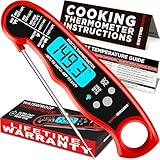
- An Instant-Read Digital Meat Thermometer: This is the only way to ensure perfectly cooked pork. They are inexpensive and the single best investment you can make for your kitchen.
Step-by-Step Directions:
- Reduce Heat: After you’ve seared both sides, reduce the stove heat to medium-low. This allows the inside of the chop to finish cooking gently without burning the crust.
- Start Checking: Begin checking the internal temperature after about 6-8 minutes of total cooking time.
- Proper Insertion: Insert the thermometer probe horizontally from the side into the absolute thickest part of the pork chop. Be careful not to touch the bone, as the bone will be hotter and give you an inaccurate reading.
- Pull at 145°F: The very second the thermometer registers 145°F (63°C), immediately remove the pork chops from the pan and transfer them to a clean plate or cutting board.
Remember that the pork’s temperature will continue to rise by 5-10 degrees after you take it off the heat. This is a phenomenon called “carryover cooking.” Pulling the meat at 145°F ensures the final resting temperature is perfect. According to the USDA, a little pink in the center at this temperature is not only safe—it’s the sign of a perfectly juicy chop.
6. The Final, Crucial Step: Let It Rest for 5-10 Minutes

Don’t skip this step! Pin this reminder for later.
You’ve done everything right so far—don’t ruin it at the last second! Cutting into meat immediately after cooking is a cardinal sin in the kitchen. When meat cooks, its muscle fibers tighten up and push all the juices toward the center. Resting allows those fibers to relax and reabsorb all that delicious, flavorful juice. If you slice too soon, it will all spill onto your cutting board, leaving you with dry meat.
What You Need:
- A clean plate or a cutting board, preferably one with a juice groove.
- A small piece of aluminum foil (optional).
Step-by-Step Directions:
- Transfer from Pan: As soon as your chops hit 145°F, use your tongs to move them from the hot skillet to your clean cutting board or plate.
- Tent with Foil (Optional): You can lightly tent a piece of aluminum foil over the pork chops to help keep them warm. Don’t wrap them tightly, as this will trap steam and can make the crust you worked so hard for a bit soggy.
- Wait Patiently: Let the pork chops rest completely undisturbed for a minimum of 5 minutes. For very thick 1.5-inch chops, 10 minutes is even better.
- Slice and Serve: After the rest, you can slice the pork against the grain and serve immediately, knowing all the juice is locked inside.

7. Bonus Flavor: Make a 2-Minute Pan Sauce

Pin this easy recipe to elevate any meal!
While the pork chops are resting, don’t wash that pan! The browned bits stuck to the bottom of the skillet, called “fond,” are pure, concentrated flavor. In just two minutes, you can turn them into a restaurant-quality pan sauce that will elevate your entire meal.
Ingredients Needed:
- 1 clove garlic, minced
- 1/2 cup chicken broth or dry white wine
- 2 tablespoons cold butter, cut into small pieces
- Fresh herbs like thyme or parsley (optional)
Step-by-Step Directions:
- Pour Off Excess Fat: After removing the chops, carefully pour off all but about 1 tablespoon of fat from the skillet. Return the skillet to medium heat.
- Sauté Garlic: Add the minced garlic and cook for about 30 seconds until it’s fragrant. Be careful not to let it burn.
- Deglaze the Pan: Pour in the chicken broth or wine. It will bubble up aggressively. Use a wooden spoon or a whisk to scrape all the flavorful fond from the bottom of the pan. This is where all the flavor for your sauce comes from.
- Reduce: Let the liquid simmer and reduce by about half. This should only take 1-2 minutes and will concentrate the flavor.
- Finish with Butter: Remove the pan from the heat. Add the pieces of cold butter, one at a time, swirling the pan until the butter is melted and the sauce becomes glossy and slightly thick. This technique is called “monter au beurre.” Stir in fresh herbs if you’re using them.
- Serve: Pour the incredible pan sauce over your sliced, rested pork chops and enjoy.
Key Takeaways: Your Quick Guide to Juicy Pork Chops
If you remember nothing else, master these four non-negotiable rules. They are the foundation for perfect pork chops, every time.
- Go Thick: Always buy pork chops that are at least 1-inch thick, preferably 1.5 inches. Thin chops are a recipe for dry meat.
- Get a Good Sear: Use a very hot cast iron or heavy-bottomed pan and don’t move the chops while they form their beautiful, flavorful crust.
- Trust the Thermometer: This is the only way to know when they’re done. Pull them from the heat the moment they hit 145°F.
- Rest is Best: Let the chops rest for at least 5 minutes before slicing to keep all the delicious juices inside the meat where they belong.
People Also Ask About Cooking Pork Chops
Is it safe if my pork chop is a little pink?
Yes, it is absolutely safe as long as it has reached an internal temperature of 145°F. The USDA updated its guidelines in 2011, confirming that pork cooked to this temperature is perfectly safe. That hint of pink is actually the sign of a perfectly cooked, juicy pork chop, not an undercooked one.
Why are my pork chops tough even when they’re juicy?
This can happen when using leaner cuts like boneless loin chops, even if cooked to the right temperature. To ensure tenderness, try a simple brine (like the dry brine method above) before cooking. Brining helps break down some muscle fibers, resulting in a more tender texture. Also, always make sure to slice the meat against the grain.
How long do I cook 1-inch thick pork chops?
A 1-inch thick pork chop typically takes 4-6 minutes per side in a hot skillet. However, cooking time is only an estimate and can vary based on your stove and pan. The only reliable method is to cook to an internal temperature of 145°F, regardless of how long it takes.
Do bone-in or boneless pork chops taste better?
Many people find that bone-in pork chops are more flavorful and moist. The bone helps to insulate the meat, which slows down cooking and makes it harder to overcook. The marrow and connective tissues around the bone also add extra flavor as the chop cooks.
Final Thoughts
You no longer have to fear cooking pork chops. By moving away from guessing with time and embracing the precision of temperature, you’ve unlocked the secret to a perfect result. This isn’t just a recipe; it’s a foolproof method built on simple principles: choose a thick cut, get a great sear, cook to 145°F, and let it rest. Master these, and you’ll be making tender, juicy pork chops with confidence for years to come.
Now that you know the foolproof method for juicy pork chops, what’s your favorite side dish to serve with them? Let me know in the comments below
Last update on 2026-07-26 at 03:07 / Affiliate links / Images from Amazon Product Advertising API
