As an Amazon Associate BakingBakewareSets.com earns from qualifying purchases.
The Secret To Cooking Salmon In The Oven So It’s Never Dry
Tired of that moment of disappointment? You pull your beautiful salmon from the oven, only to find it dry and chalky.
This guide is for anyone who has struggled with overcooked fish. We’ll show you the foolproof method for oven-baked salmon. It’s a simple culinary technique using dry heat to cook your salmon fillet perfectly.
The secret to moist baked salmon is not overcooking it. The best method is baking a 1-inch thick fillet at 400°F (200°C) for 12-15 minutes, checking for an internal temperature of 125°F. This guide reveals the simple secrets to get it right every single time.
☰ Table of Contents ▼
show
Tired of Dry, Overcooked Salmon? Here’s the Foolproof Secret
We’ve all been there. You invest in a gorgeous salmon fillet, follow a recipe, and end up with a dry, disappointing meal. It’s one of the most common kitchen frustrations, and it’s enough to make you give up on cooking fish at home. But what if there was a simple, kitchen-tested method that guaranteed moist, flaky, and delicious salmon every single time?
The secret isn’t a complicated marinade or a fancy piece of equipment. It’s about understanding a few key principles of how salmon cooks. The most reliable method to prevent dry salmon is to combine high heat with a short cooking time and, most importantly, to stop cooking it at the right moment. By baking a 1-inch thick fillet at 400°F (200°C) for just 12-15 minutes, or until an instant-read thermometer registers 125-130°F, you pull it from the oven at its peak of perfection. A crucial final step is letting the salmon rest for 5 minutes, which allows the juices to redistribute, ensuring every bite is moist.
7 Secrets for Perfectly Moist Salmon (So It’s Never Dry Again)
Forget guesswork and say goodbye to dry fish forever. These seven kitchen-tested secrets are the building blocks for perfect baked salmon. Each pro tip is a simple adjustment that makes a huge difference, turning a good meal into a great one. Master these, and you’ll know exactly how to bake salmon so it’s juicy and flavorful, every time.
1. Choose a Thick, Even Fillet

Pin this essential first step for juicy salmon!
A great result starts with a great ingredient. The cut of salmon you choose has the biggest impact on the final texture and moisture.
What to Look For:
- Thickness: Aim for a fillet that is at least 1-inch thick, preferably from the center of the fish. Thinner tail pieces cook too quickly and dry out easily.
- Evenness: Look for a piece with relatively uniform thickness so it cooks evenly.
- Skin-On: Always choose skin-on salmon. The skin acts as a protective layer against the hot pan, insulating the flesh and locking in moisture.
- Fat Content: Higher-fat salmon like King (Chinook) or Atlantic are more forgiving than leaner varieties like Sockeye or Coho, which can dry out faster.
What to Do:
- Ask the fishmonger for a center-cut fillet, specifying you want a piece that is at least an inch thick.
- Check for freshness: The fish should smell like the ocean, not “fishy,” and the flesh should be firm and spring back when gently pressed.
- Bring to room temperature for 15 minutes before cooking. Placing ice-cold fish in a hot oven can lead to uneven cooking.
Pro-Tip: If your fillet has a thin, tapered end, you can fold it under itself to create a more uniform thickness before baking.

2. The Parchment Paper Trick for Zero Sticking

Save this no-mess, no-stick tips!
Nothing is more frustrating than having your perfectly cooked salmon skin stick to the pan. This simple trick makes cleanup effortless and guarantees a beautiful presentation.
Materials Needed:
- Rimmed Baking Sheet: A heavy-gauge aluminum sheet distributes heat evenly. The rim is crucial to catch any juices.
- Parchment Paper Sheets: Pre-cut sheets are easier to handle than a roll. Choose one rated for at least 425°F (220°C).
Step-by-Step Directions:
- Select a baking sheet large enough to hold your salmon fillet(s) without them touching.
- Line the entire bottom of the baking sheet with a sheet of parchment paper. There’s no need for any oil underneath.
- Place your prepared salmon fillet directly onto the parchment paper, skin-side down.
- After baking, the salmon will lift off effortlessly, and you can often just discard the parchment paper for the easiest cleanup ever.
Lesson Learned: While foil works, salmon skin can still stick to it, even when oiled. Parchment paper is a truly foolproof non-stick surface that provides easy cleanup.

3. The Perfect Seasoning Base: Fat, Salt, and Air

Pin the secret to flavorful, non-dry salmon!
Proper preparation before the salmon ever enters the oven is essential for flavor and texture. This simple three-part process makes all the difference.
What You Need:
- Paper Towels: For drying the salmon surface.
- High-Quality Olive Oil: This adds flavor and prevents the fish from drying out.
- Kosher Salt or Flaky Sea Salt: Coarse salt provides better texture and flavor distribution than table salt.
- Freshly Cracked Black Pepper: Offers more flavor than pre-ground pepper.
Step-by-Step Directions:
- Pat It Completely Dry: Use paper towels to pat every surface of the salmon fillet dry, including the skin. A dry surface roasts better and helps seasonings adhere. This is a non-negotiable step.
- Coat with Fat: Drizzle the olive oil over the salmon. Use your hands to gently rub it all over the flesh and skin until it’s evenly coated.
- Season Generously: Sprinkle salt and pepper evenly over the entire fillet. Don’t forget the sides!
Pro-Tip: Seasoning with salt about 15 minutes before cooking acts as a quick dry-brine, helping the salmon retain more moisture during cooking.

4. Master the High-Heat, Fast-Roast Method

Save this foolproof salmon recipe for a quick weeknight dinner!
Instead of slowly baking salmon and risking it drying out, the best way for a quick weeknight salmon meal is to roast it hot and fast. This method locks in moisture for a juicy oven salmon result.
Ingredients:
- 1.5 lb salmon fillet, 1 to 1.5 inches thick, skin-on
- 1 tbsp olive oil
- 1 tsp kosher salt
- 1/2 tsp black pepper
- Optional: Lemon slices, fresh dill for garnish
Step-by-Step Directions:
- Preheat your oven to 400°F (200°C). Position a rack in the center of the oven. An accurate, hot oven is key.
- Prepare the salmon following the steps in Secret #3 (pat dry, oil, season).
- Place the salmon, skin-side down, on your parchment-lined baking sheet.
- Roast for 12-15 minutes. The exact cooking time will depend on the thickness of your specific fillet. Do not open the oven door.
- Check for doneness using the thermometer method in Secret #5. This is far more reliable than just watching the clock.
Lesson Learned: High heat cooks the outside of the salmon quickly, creating a very slight crust that helps lock in the interior moisture, preventing it from turning dry.

5. Don’t Guess, Use a Thermometer

This one tool is the real secret to never-dry salmon. Pin it!
This is the single most important step to prevent overcooked salmon. A digital thermometer removes all guesswork and is the only way to know the precise salmon internal temperature.
What You Need:
- An Instant-Read Digital Thermometer: This is the single most important tool for cooking proteins perfectly.
What to Do:
- Towards the end of the cooking time, open the oven and insert the thermometer probe horizontally into the absolute thickest part of the salmon fillet.
- Check the temperature:
- 120-125°F (49-52°C): Medium-Rare. Center is still slightly translucent and very moist. Pull it now for this result.
- 130-135°F (54-57°C): Medium. Mostly opaque, but still very tender and moist.
- 140°F (60°C): Medium-Well. Opaque all the way through, firm, and bordering on dry. Avoid this if possible.
- 145°F (63°C): Well-Done. This will be firm and likely dry. According to the USDA, this is the safest temperature.
- Remember Carryover Cooking: The salmon’s internal temperature will rise another 5 degrees after you remove it from the oven. For a perfect medium result, pull it out at 125°F.
Pro-Tip: If you don’t have a thermometer, you can check for doneness by inserting a fork into the thickest part and gently twisting. It should just start to flake, but still be slightly translucent in the very center.

6. Let It Rest for 5 Minutes

Don’t skip this step! Save this tip for the juiciest salmon ever.
This simple, hands-off step is essential to keep salmon moist. It allows carryover cooking to finish the job gently and ensures the juices stay inside the fish, not on your plate.
Equipment Needed:
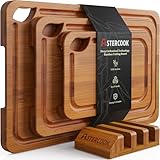
- A cutting board or serving platter.
What to Do:
- Once the salmon reaches your desired temperature (e.g., 125°F), remove the entire baking sheet from the oven.
- Do not touch it. Leave the salmon fillet to rest, right on the pan or moved to a cutting board, for 3-5 minutes.
- Serve immediately after the resting period is over.
The Science: When you cook salmon, the muscle fibers tighten and push moisture to the surface. The resting period allows those fibers to relax and reabsorb the juices. If you cut into it immediately, all that delicious moisture will run out onto your plate, leaving you with a drier piece of fish.
7. Finish With a Burst of Fresh Flavor

Save this tip to make your baked salmon taste restaurant-quality!
The final touches, added just before serving, elevate the entire dish from simple to spectacular. These elements brighten the rich flavor of the warm salmon.
Finishing Touches:
- Fresh Lemon Juice: A squeeze of acid brightens the rich flavor of the salmon.
- Finely Chopped Fresh Herbs: Soft herbs like dill, parsley, or chives add immense freshness.
- A Drizzle of Good Olive Oil: Adds richness and a silky texture.
- A Pinch of Flaky Sea Salt: Adds a final pop of flavor and a delightful crunch.
What to Do:
- After the salmon has rested, transfer it to a serving platter or individual plates.
- Immediately before serving, squeeze the fresh lemon juice directly over the top of the fillet.
- Sprinkle generously with your chosen fresh herbs and a final pinch of flaky sea salt.
- Drizzle with a touch more extra virgin olive oil if desired.
Pro-Tip: Adding delicate herbs after cooking, rather than before, preserves their bright color and fresh flavor, which would otherwise be diminished in the hot oven.

Key Takeaways: Your Quick Guide to Moist Baked Salmon
Remember these five simple rules, and you’ll have a foolproof framework for perfect, moist baked salmon every time.
- Pat the Salmon Dry: A dry surface is crucial for good texture and seasoning adhesion.
- Use Parchment Paper: It’s the foolproof way to prevent sticking and ensure easy cleanup.
- Roast Hot and Fast: 400°F (200°C) for 12-15 minutes cooks the salmon quickly, locking in moisture.
- Trust Your Thermometer: It’s the ONLY way to guarantee perfectly cooked salmon. Aim for 125°F (52°C) for medium.
- Let It Rest: A 5-minute rest allows juices to redistribute, ensuring a moist result.
People Also Ask About Cooking Salmon In The Oven
What is the best temperature to bake salmon to keep it moist?
The best all-purpose temperature is 400°F (200°C). This high heat cooks the salmon quickly, which helps prevent it from drying out. For an even more tender, slow-cooked result, you can bake it at a lower temperature like 275°F (135°C), but it will take significantly longer (20-25 minutes).
Can I bake salmon from frozen?
Yes, you can bake salmon directly from frozen. First, rinse any ice glaze off the fillet under cool water and pat it completely dry. Season as usual, but be aware it may not stick as well. Bake in a preheated 425°F (220°C) oven for about 50% longer than you would for fresh, typically 15-20 minutes depending on thickness.
What is the white stuff that comes out of salmon when baked?
That white substance is a harmless protein called albumin. As the salmon cooks, its muscle fibers contract and push this coagulated protein to the surface. While it’s safe to eat, seeing a lot of it can be a sign that the salmon was cooked too aggressively. A quick 15-minute salt brine before cooking can help reduce it.
Should I bake salmon covered or uncovered with foil?
You should bake salmon uncovered for the best texture. Baking uncovered allows the dry heat of the oven to roast the fish, giving it a slightly browned surface. Covering it with foil will trap steam, resulting in a very moist but pale piece of fish with a softer, steamed texture.
Final Thoughts
Cooking salmon in the oven doesn’t have to be intimidating. The fear of wasting an expensive fillet on a dry, disappointing meal is real, but it’s also completely avoidable. By focusing on a few key factors—a quality fillet, proper preparation, high heat, and a reliable thermometer—you take control of the process.
You now have the secrets to produce perfectly moist, flaky, and flavorful salmon every single time. It’s a quick, healthy, and delicious meal that’s well within your reach for any weeknight dinner.
What’s your favorite way to season baked salmon? Let us know in the comments below
Last update on 2026-08-23 at 13:11 / Affiliate links / Images from Amazon Product Advertising API
