
As an Amazon Associate BakingBakewareSets.com earns from qualifying purchases.
Master How To Cook Duck With 7 Fat Rendering Secrets
Struggling to get that perfectly crisp, crackling skin on a duck? You’re not alone; ruining this expensive, dark meat with a rubbery, pale skin is a common frustration for even experienced home cooks. It’s a challenge that can make you anxious before you even preheat the oven.
The secret to cooking perfect duck is a three-part process: precisely scoring the skin without piercing the meat, slowly rendering the fat using either a cold pan or two-stage roasting, and controlling the internal temperature for juicy, tender results. This methodical approach transforms duck from an intimidating challenge into a reliable, show-stopping dish.
Drawing from established best practices and proven culinary science, this guide breaks down the process. You will learn the 7 essential secrets that professional chefs use to guarantee flawless, crispy-skinned duck every time. Prepare to master this luxurious meal with confidence.
☰ Table of Contents ▼
show
Are You Making the Critical Mistake When You Cook Duck?
If your past attempts at cooking duck have resulted in tough meat and soggy, rubbery skin, you’ve likely made one critical error: improper fat rendering. Duck is an expensive, high-flavor dark meat poultry, but its most defining feature is the thick layer of fat just beneath the skin. Unlike leaner birds, this fat must be completely melted away—a process called rendering—for the skin to have any chance of becoming crispy.
Many recipes fail because they treat duck like a large chicken, applying high, consistent heat. This seizes the skin’s proteins before the fat can liquefy and escape, trapping moisture and guaranteeing a rubbery texture. Success requires a more nuanced approach that prioritizes fat rendering before final crisping.
This guide, synthesizing techniques from professional chefs and culinary science, provides the foolproof solution. The key is understanding that the method changes based on your cut: a whole duck requires a two-stage roasting process, while a duck breast demands a slow, cold-pan sear. By mastering the 7 secrets that follow, you will overcome the anxiety of cooking duck and learn to control the essential process of fat rendering for guaranteed crispy skin results.
Core Principles: The Science of Crispy Duck Skin and Fat Rendering
Before executing the techniques, understanding the ‘why’ behind them builds confidence and ensures success. The science of cooking duck revolves around thermodynamics and managing the unique relationship between its skin, fat, and meat. Three core concepts are essential: scoring, rendering, and resting.
What is Fat Rendering?: Fat rendering is the culinary process of slowly melting solid animal fat, separating it from the skin and muscle tissue. For duck, this involves using gentle, sustained heat to liquefy the thick subcutaneous fat layer, allowing it to drain away and leaving behind a thin, crispable skin.
Achieving this requires precise temperature control. The Maillard reaction—the chemical process that creates browning and rich flavor—happens at higher temperatures (300°F+), but duck fat has a low melting point. The secret is a two-stage cooking process: a long, low-temperature phase to render the fat, followed by a short, high-heat blast to trigger the Maillard reaction and achieve that perfect crispy skin. According to USDA safety standards, a whole duck must reach an internal temperature of 165°F, while a specialty duck breast is often served at 135°F for optimal texture.
Master How To Cook Duck With 7 Fat Rendering Secrets
These seven secrets are the mandatory, sequential steps that separate amateur results from professional-quality duck. Synthesized from proven culinary techniques, they apply whether you are roasting a whole duck or pan-searing a duck breast. Follow them precisely to achieve guaranteed crispy skin and perfectly cooked meat every time.
1. Achieve Fat Release with the Perfect Scoring Technique

Pin this genius tips to your ‘Perfect Meals’ board!
Materials Needed:
- Razor Blade or very sharp Utility Knife (for precision, often preferred over a standard knife)
- High-quality, bone-in or boneless Pekin Duck Breast (ensure a thick, even layer of skin)
- Paper towels (for pre-drying)
Step-by-Step Directions:
- Dry Thoroughly: Pat the skin intensely dry with paper towels to remove all surface moisture, which hinders crisping.
- Mark Parallel Lines: Use the sharp tool to score parallel lines across the skin, spaced approximately 1/4 inch apart.
- Create the Crosshatch: Score a second set of parallel lines perpendicular to the first, creating a tight diamond pattern.
- CRITICAL DEPTH CHECK: Ensure the score penetrates the entire fat layer but absolutely stops before reaching the meat; cutting the meat will cause it to dry out.
- Season: Rub fine sea salt and fresh black pepper into the scored skin, allowing the seasoning to sit for at least 15 minutes before cooking.
Pro-Tip: If the meat underneath is accidentally pierced, use a small toothpick to lightly pin the area closed before cooking to minimize moisture loss.

2. Implement the Cold Pan Start for Slow Rendering

Save this clever organization idea!
Tools & Supplies Needed:
- Heavy-bottomed Cast Iron Skillet (essential for even, slow heating)
- Tongs (for handling)
- Scored and seasoned Duck Breast (from Secret 1)
Step-by-Step Directions:
- Place Skin Down (Cold): Put the duck breast, skin-side down, into a completely cold and dry skillet—no oil required, as the duck provides its own fat.
- Apply Low Heat: Turn the heat source to a low setting (1-2 on an electric stove or the lowest setting on gas).
- The 10-Minute Render: Allow the fat to render slowly and melt away for 8 to 15 minutes, depending on the thickness. You should hear a gentle sizzle, but never a hard frying sound.
- Drain Fat: As the fat pools, carefully tip the pan and use a spoon or small ladle to remove the rendered fat, setting it aside for later use (Secret 7).
- Continue Until Golden: Keep rendering until the skin is thin, crispy, and a rich, uniform golden-brown color.
Lesson Learned: Rushing this step is the single biggest cause of rubbery skin. Patience is paramount; the low temperature is required for the fat to liquify before the protein in the skin begins to seize.

3. Employ the Two-Stage Temperature Roasting Method

Save this expert roast duck method!
Equipment & Ingredients Needed:
- Digital Leave-In Meat Thermometer (Crucial for precision and safety)
- Heavy Duty Roasting Pan with V-Rack (elevates the duck)
- Trussed, whole Pekin Duck (5-6 lbs)
- Aromatics (onion, orange slices, rosemary sprigs)
Step-by-Step Directions:
- Preheat & Setup: Preheat your oven to 400°F (200°C). Place the trussed and seasoned duck on the V-rack inside the roasting pan.
- Stage 1: The Crisp (15 Minutes): Roast the duck at 400°F for the first 15-20 minutes to rapidly initiate fat rendering and kickstart the Maillard reaction (browning/crisping).
- Stage 2: The Cook (Low & Slow): Reduce the oven temperature sharply to 325°F (160°C). Continue roasting for 1.5 to 2 hours, checking the internal temperature every 30 minutes.
- Flip the Bird: Flip the duck every 30 minutes (breast-side up, then down, then sides) to ensure fat renders evenly from all sides.
- Monitor Doneness: The duck is done when the digital thermometer reads 165°F (74°C) in the thickest part of the thigh (Secret 5 details the final blast).
Pro-Tip: Fill the bottom of the roasting pan (under the V-rack) with one cup of water or stock. This helps catch fat drippings, preventing them from smoking and potentially scorching the skin.

4. Ensure Crispness with a Mandatory Overnight Dry Brine

Pin this simple prep secret for restaurant-quality flavor!
Materials Needed:
- Coarse Kosher Salt or Sea Salt
- Baking Sheet and Wire Rack Set (essential for air circulation)
- Paper Towels
- Whole Duck or Duck Breast
Step-by-Step Directions:
- Dry and Prep: Pat the duck or breast thoroughly dry using paper towels.
- Apply Salt Generously: Season the entire surface, including the cavity if using a whole duck, with a generous, even coating of coarse salt. Use approximately 1 tablespoon per 4-5 pounds of meat.
- The Uncovered Chill: Place the duck, uncovered, on the wire rack over the baking sheet. The rack ensures air circulation around the entire surface.
- Rest for 12-24 Hours: Refrigerate the duck for a minimum of 12 hours, and preferably 24 hours. The salt will draw moisture from the skin, and the dry refrigerator air will evaporate it.
- Before Cooking: Do not rinse the duck. Simply pat it dry again immediately before cooking (the salt will have absorbed into the meat, seasoning it perfectly).
Lesson Learned: If you skip this step, the residual surface moisture will turn to steam in the oven, yielding rubbery skin regardless of how high you set the final temperature.

5. Execute the High-Heat Finishing Blast

Save this expert finishing move!
Equipment Needed:
- Oven capable of 450°F or a Broiler setting
- Cooked Whole Duck (at 160°F) or Pan-Seared Breast (at 130°F)
- Meat Thermometer
Step-by-Step Directions:
- Check Core Temp: Confirm the internal temperature of the duck is just shy of the target doneness (160°F for whole bird, 130°F for breast, to account for carryover cooking).
- Remove Fat: If roasting a whole bird, drain any remaining liquid fat from the roasting pan before increasing the heat.
- The High Heat Blast: Increase the oven temperature to 450°F (230°C) or switch to the broiler setting (ensuring the duck is 8-10 inches away from the element).
- Watch Closely: Cook for 5 to 10 minutes, monitoring constantly. The high, dry heat will rapidly evaporate any residual surface moisture and intensify browning.
- Remove Promptly: Pull the duck immediately when the skin is crackling and a deep, even mahogany color. The internal temperature should now be at the final target (165°F whole, 135°F breast).
Pro-Tip: For duck breast, if the skin is perfectly rendered but the meat needs a boost in temperature, flip the breast meat-side down for 2-3 minutes after the initial render and before the high-heat finish.

6. Embrace the Non-Negotiable Resting Period

Save this tip to guarantee juicy duck meat!
Equipment Needed:
- Aluminum Foil
- Bamboo Carving Board with Juice Well (to catch escaping liquids)
- Cooked Duck (Whole or Breast)
Step-by-Step Directions:
- Transfer to Board: Immediately remove the cooked duck from the heat source (pan or rack) and transfer it to the carving board.
- The Tent: Loosely tent the duck with a piece of aluminum foil. Do not wrap it tightly, as this will steam the crispy skin.
- Rest Times: Rest duck breast for 10-15 minutes. Rest a whole roast duck for 20-30 minutes. This is roughly 10% of the total cooking time.
- Wait It Out: Resist the urge to carve immediately. Resting allows the super-heated, constricted muscle fibers to relax and reabsorb the internal juices.
- Carve: Carve the duck only after the full resting time has elapsed, maximizing the juice retention in the meat.
Pro-Tip: If you carve prematurely, all the moisture will run out onto the board. If you carve after resting, the juices will be contained, resulting in significantly juicier meat.

7. Collect and Utilize All Rendered Duck Fat

Pin this versatile cooking essential!
Equipment & Supplies Needed:
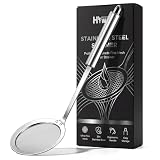
- Fine Mesh Sieve or Cheesecloth
- Heat-proof Glass Jar with a tight-fitting lid
- Roasting Pan or Skillet containing the hot fat
Step-by-Step Directions:
- Drain Continually: If roasting a whole duck, periodically use a ladle to drain the accumulating fat from the roasting pan every 30 minutes (Secret 3). This prevents the fat from scorching and smoking.
- Cool Slightly: Allow the liquid fat to cool for 5-10 minutes, making it easier to handle but still liquid.
- Strain Impurities: Carefully pour the liquid fat through the fine mesh sieve (lined with cheesecloth if desired) into the clean glass storage jar. This removes any burnt bits or meat sediment.
- Seal and Store: Once completely cool, seal the jar tightly. Rendered duck fat is solid at room temperature and stores exceptionally well in the refrigerator for up to July or in the freezer for up to one 2026.
- Future Use: Use the fat for luxurious roasting of potatoes, searing vegetables, or making authentic duck confit.
Pro-Tip: Never pour rendered fat down your sink drain—it will solidify and clog pipes. Discard it after it has solidified if you do not plan to save it.
Advanced Techniques: Beyond the Roast and Sear
Once you’ve mastered the fundamentals of fat rendering and temperature control for roasting and searing, you can explore more sophisticated culinary applications for duck. These classic preparations demonstrate a deeper level of expertise and provide incredible flavor experiences.
Duck Confit: Preserving the Legs in Rendered Fat
Duck confit is a centuries-old French preservation method where duck legs are cured in salt, rinsed, and then submerged and slow-cooked in rendered duck fat at a very low temperature (around 200°F) for several hours until the meat is incredibly tender and falling off the bone. This method utilizes the rendered fat and yields rich, succulent meat perfect for later searing.
Mastering Peking Duck: The Ultimate Crispy Skin
Achieving true Peking duck requires extensive preparation, often involving a 24 to 48-hour air-drying process after the duck is cleaned and a special glaze (often honey or maltose) is applied. The extended drying removes deep moisture, allowing the high-heat roasting to produce the signature thin, glass-like, crackling skin that distinguishes it from a simple roast duck.
Troubleshooting: Why Is My Duck Skin Rubbery or My Meat Dry?
Even with the best instructions, issues can arise. Understanding the cause of common failures is key to correcting them and ensuring future success. Here are solutions to the most frequent duck cooking problems.
My Skin Isn’t Crisping!
The primary reason for rubbery duck skin is insufficient fat rendering due to moisture. This occurs when the duck wasn’t dried/brined properly (Secret 4), the heat was too high too soon (preventing fat melt, Secret 2), or you failed to use a rack that allows the fat to drain away (Secret 7), causing the skin to steam. Correct by applying a final 450°F blast.
The Meat Is Tough and Dry!
Tough duck meat is usually a result of overcooking or neglecting the rest period (Secret 6). If the internal temperature exceeds 170°F (77°C), the muscle fibers seize and expel moisture. Always use a thermometer to remove the duck promptly at 165°F (whole bird) or 135°F (breast), and never rush the 10-30 minute rest time.
The Fat Is Smoking Too Much!
Smoke in the oven or pan indicates fat is burning, usually because it was left sitting on the bottom of the pan at too high a temperature. For roasting, drain the rendered fat every 30 minutes (Secret 7). For searing, reduce the heat immediately; the cold pan start (Secret 2) is designed to keep the fat below its smoke point during the slow rendering phase.
Key Takeaways: Your Quick Guide to Perfect Duck
- The Core Trio: Achieving restaurant-quality duck depends entirely on three steps: Scoring the fat layer precisely, Rendering the fat slowly, and Resting the cooked meat completely.
- Temperature Precision: Use a digital thermometer. Cook whole duck to 165°F (thigh) for safety, or duck breast to 135°F (medium-rare) if sourced from a reliable vendor.
- Moisture is the Enemy: Always dry brine the duck uncovered in the refrigerator for 12-24 hours to remove surface moisture, guaranteeing the best potential for crispy skin.
- The Cold Start Rule: When pan-searing duck breast, always place the scored skin in a cold, dry skillet and bring the heat up slowly to ensure fat renders completely before crisping begins.
- Utilize the Fat: Do not discard the liquid fat—strain it and save it. Rendered duck fat is a high-value commodity perfect for roasting potatoes and vegetables.
FAQs About how to cook duck
Can you eat duck breast medium-rare?
Yes, duck breast is commonly served medium-rare (135°F / 57°C) in restaurants as it optimizes flavor and texture. However, this practice should only be done with high-quality, specialized duck sources, and general poultry safety guidelines recommend 165°F (74°C). The risk for high-quality, specialized duck breast is considered low by most culinary professionals.
How long should I cook a 6-pound whole duck?
A 6-pound whole duck typically requires approximately 2 to 2.5 hours of total roasting time using the two-stage temperature method. Start at 400°F for 15 minutes, then reduce the oven to 325°F for the remaining time, until the internal temperature reaches 165°F in the thigh.
Should I prick the duck skin with a fork instead of scoring it?
No, avoid pricking the skin with a fork, as this method releases valuable meat juices along with the fat, leading to a drier final product. Scoring the skin with a sharp knife (Secret 1) is the preferred technique, as it isolates the fat layer, maximizing fat rendering without sacrificing meat moisture.
Final Thoughts
The secret to perfectly cooked duck is not mystery—it is precision. By adhering to the 7 Fat Rendering Secrets outlined in this guide, you move beyond guesswork and achieve a reliable, restaurant-quality result every time, transforming an expensive cut of meat into a show-stopping dish. That flawless, crackling, crispy skin and the tender, juicy meat below are now within your reach.
What specialized duck recipe or technique are you planning to master next using your new batch of rendered duck fat? Let us know in the comments below
Last update on 2026-07-22 at 18:26 / Affiliate links / Images from Amazon Product Advertising API
