
As an Amazon Associate BakingBakewareSets.com earns from qualifying purchases.
Baking Soda & Peroxide: Ultimate Uses & Essential Safety Guide
Struggling with stubborn stains, dingy grout, or yellowing teeth? You’ve likely heard whispers about the powerful combination of baking soda and hydrogen peroxide, but you’re probably wondering if this DIY solution is both effective and safe for your home and health.
Baking soda and hydrogen peroxide combine to create a powerful, non-toxic cleaning and whitening agent through a fizzing chemical reaction that lifts stains, deodorizes, and disinfects surfaces, making them ideal for various household and personal care applications. Understanding the correct ratios and safety precautions, however, is essential to avoid any potential damage.
Based on established best practices and an analysis of their chemical properties, this guide delivers everything you need. You will discover the ultimate uses for this dynamic duo, complete with step-by-step instructions. This guide ensures you can clean and whiten with confidence and expert precision.
☰ Table of Contents ▼
show
9 Ultimate Uses for Baking Soda & Hydrogen Peroxide (and How to Master Them)
The combination of Sodium Bicarbonate (baking soda) and Hydrogen Peroxide (H2O2) creates a versatile and budget-friendly cleaning powerhouse. Baking soda, an alkaline compound with a mild abrasive texture, physically scrubs away grime and neutralizes odors. Meanwhile, hydrogen peroxide solution, a powerful oxidizing agent, chemically breaks down stains, kills bacteria, and has natural whitening properties. This synergistic chemical reaction, often seen as a foaming action, allows the mixture to penetrate and lift stubborn messes from a variety of surfaces. In the following sections, we’ll explore specific recipes and methods to tackle everything from dirty grout to smelly laundry, demonstrating how to master this essential household staple.
1. The Ultimate Grout Cleaning Paste

Pin this genius grout hack to your ‘Cleaning Tips’ board!
Dingy grout lines can make even the cleanest bathroom look grimy. This grout cleaning solution harnesses the bubbling reaction of the peroxide and soda mix to penetrate porous grout and lift away years of dirt and discoloration. The addition of Dawn dish soap helps cut through any greasy residue for a truly deep clean.
Supplies Needed
- ½ cup baking soda powder
- ¼ cup 3% hydrogen peroxide solution
- 1 teaspoon liquid dish soap (e.g., Dawn dish soap for degreasing)
- Small mixing bowl
- Non-abrasive mixing spoon
- Grout brush or old toothbrush
- Microfiber cloth
- Warm water
Step-by-Step Directions
- Combine the baking soda, hydrogen peroxide, and dish soap in the mixing bowl.
- Stir until a thick, gritty paste forms. Adjust proportions slightly if needed for desired consistency.
- Apply the paste generously onto dirty grout lines using your fingers (wearing gloves) or a spoon.
- Let sit for 10-15 minutes, allowing the effervescent reaction to work on the stains.
- Scrub the grout thoroughly with a grout brush, paying extra attention to heavily soiled areas.
- Rinse the area with warm water and wipe clean with a microfiber cloth, revealing bright, clean grout.
- Repeat process for stubborn stains.
Pro-Tip: For exceptionally stubborn dirty grout in high-traffic areas, apply the paste, then spray a fine mist of white vinegar over it to amplify the bubbling reaction and increase the stain-lifting power. However, be cautious as repeated use of vinegar on grout can degrade it over time.

2. Natural Teeth Whitening Paste (Use with Caution)

Save this safe whitening solution to your ‘Beauty Hacks’ board!
For those seeking a natural way to whiten yellow teeth at home, this homemade toothpaste can be a powerful tool. The baking soda gently polishes away surface stains, while the peroxide whitens enamel. However, due to the potential for enamel + damage and gum inflammation, this is a YMYL application requiring a strict safety warning.
Products & Tools Used
- 2 parts baking soda powder (e.g., 1 teaspoon)
- 1 part 3% hydrogen peroxide solution (e.g., ½ teaspoon)
- Small non-metallic bowl
- Clean spoon or spatula
- Soft-bristle toothbrush
Application/Styling Steps
- Combine the baking soda and hydrogen peroxide in a small bowl.
- Stir until a smooth, thick teeth whitening paste forms.
- Dip your soft-bristle toothbrush into the paste, picking up a small amount.
- Brush your teeth gently for 1-2 minutes, focusing on areas with surface stains.
- Rinse your mouth thoroughly with water until all paste is removed.
- Avoid swallowing the mixture.
- Limit use to once or twice a week to prevent enamel erosion or gum inflammation.
Pro-Tip: Never use hydrogen peroxide stronger than 3% for oral applications. If your gums turn white or feel sensitive after use, you’ve either used too much, brushed too hard, or are using it too frequently. Discontinue immediately.

3. Powerful Laundry Stain Remover

Pin this powerful stain solution to your ‘Laundry Day’ ideas!
This laundry whitening hack is a game-changer for tough organic stains like blood stains, grass, and coffee. The hydrogen peroxide oxidizes organic matter, effectively breaking the stain apart, while the baking soda helps lift it from the fabric and neutralizes odors from smelly laundry.
Supplies Needed
- 1 part baking soda powder
- 1 part 3% hydrogen peroxide solution
- Small bowl for mixing
- Old toothbrush or soft scrub brush
- Microfiber cloth
- Optional: a few drops of liquid dish soap for greasy stains
Quick Steps
- Combine equal parts baking soda and hydrogen peroxide in a small bowl to form a thick paste. Add a few drops of dish soap for greasy stains.
- Apply the paste directly onto the laundry stain, ensuring it’s completely covered.
- Gently scrub the paste into the fabric with an old toothbrush or soft scrub brush.
- Let sit for 30 minutes to an hour (or longer for very stubborn stains).
- Rinse the treated area thoroughly with cold water.
- Launder the item as usual in the washing machine.
- Check the stain before drying; repeat process if necessary (drying can set stains).
Pro-Tip: For removing yellow armpit stains from white shirts, apply the paste to the stained area, let it sit for a few hours, then wash. The oxidizing agent in hydrogen peroxide brightens fabric without harsh bleach.

4. DIY Shoe Cleaner for White Sneakers

Revive your white sneakers! Pin this shoe cleaning guide now!
Bring your discolored shoes back to life with this simple shoe cleaning paste. It’s the best DIY stain remover for white shoes, especially canvas sneakers like Vans. The baking soda acts as a gentle abrasive to scrub away dirt, while the peroxide works to whiten the material.
Supplies Needed
- 2 tablespoons baking soda powder
- 1 tablespoon 3% hydrogen peroxide solution
- Small mixing bowl
- Old toothbrush or soft scrub brush
- Microfiber cloth
- Warm water
Quick Steps
- Combine the baking soda and hydrogen peroxide in the bowl to create a thick shoe cleaning paste.
- Remove shoelaces and brush off any loose dirt from the sneakers.
- Apply the paste generously to the canvas, leather, or rubber parts of your white sneakers.
- Scrub gently with an old toothbrush, working the paste into the fabric and rubber.
- Let sit for 15-20 minutes in a sunny spot if possible, as UV light can enhance the whitening properties.
- Wipe away the paste with a damp microfiber cloth.
- Rinse any remaining residue thoroughly.
- Air dry completely before wearing.
Pro-Tip: For rubber soles, after scrubbing with the paste, you can also use a Magic Eraser to remove scuff marks. For particularly discolored shoes, repeat process for optimal brightened fabric results.

5. Bathroom Scrub for Soap Scum & Mold

Tackle bathroom grime! Pin this DIY bathroom scrub for sparkling results!
This powerful bathroom scrub recipe cuts through tough soap scum and combats mold growth in showers, tubs, and sinks. The baking soda provides the scrubbing power, while the antifungal and antibacterial properties of peroxide disinfects surfaces and helps eliminate mold + mildew.
Supplies Needed
- 1 cup baking soda powder
- ¼ cup 3% hydrogen peroxide solution
- 1 tablespoon liquid castile soap (optional, for extra sudsing)
- Mixing bowl
- Scrub sponge or scrub brush
- Microfiber cloth
Quick Steps
- Combine the baking soda and hydrogen peroxide in a mixing bowl. Add castile soap if desired.
- Stir until a thick, cleansing paste forms.
- Apply the paste to affected bathroom surfaces (sinks, tubs, showers, tiles, grout).
- Let sit for 10-15 minutes, allowing the oxidizing agent to break down soap scum and mold growth.
- Scrub with a damp scrub sponge or brush, focusing on problem areas.
- Rinse thoroughly with water, wiping clean with a microfiber cloth.
- Repeat process weekly for preventative mold killer mix maintenance.
Pro-Tip: While effective on many surfaces, avoid using this bathroom scrub on granite or marble countertops or other porous natural stone, as the acidic properties of hydrogen peroxide and abrasive nature of baking soda can cause etching or damage.

6. Odor Eliminator for Pet Urine

Say goodbye to pet odors! Pin this effective solution!
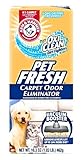
Accidents happen, but this pet urine remover is a lifesaver for carpets and upholstery. Baking soda is a phenomenal deodorizer that neutralizes the uric acid in pet urine, while peroxide breaks down the organic compounds causing the smell and stain.
Supplies Needed
- 1 part baking soda powder
- ½ part 3% hydrogen peroxide solution
- Small mixing bowl
- Spray bottle
- Clean cloths or paper towels
- Vacuum cleaner
Quick Steps
- Blot fresh pet urine with clean cloths or paper towels to absorb as much liquid as possible.
- Combine the baking soda and hydrogen peroxide in a bowl to create a runny paste. Alternatively, sprinkle baking soda powder directly onto the dried stain.
- Spray the stain with hydrogen peroxide solution (if using as a spray) or generously apply the paste onto the affected area.
- Let sit for several hours, or even overnight, allowing the mixture to dry completely and the baking soda to neutralize the odor.
- Vacuum away the dried baking soda powder thoroughly.
- Rinse the area with a damp cloth if necessary, ensuring no residue is left behind.
- Repeat process for persistent skunk odor or pet urine remover stains.
Pro-Tip: Always ensure the area is completely dry before allowing pets access. The oxidizing agent in hydrogen peroxide breaks down odor-causing molecules, making it an excellent deodorizer, but residual amounts can cause irritation.
7. Grease-Busting Kitchen Stovetop Cleaner

Transform your kitchen! Pin this stovetop cleaner DIY guide!
This kitchen degreaser mix is perfect for tackling tough grease and burnt food on your stovetop. The mild abrasive quality of the baking soda provides the necessary elbow grease without scratching, while peroxide and dish soap work to dissolve the greasy buildup.
Supplies Needed
- ½ cup baking soda powder
- 2-3 tablespoons 3% hydrogen peroxide solution
- 1 tablespoon liquid dish soap (e.g., Dawn dish soap for degreasing)
- Mixing bowl
- Non-abrasive scrub sponge or cloth
- Microfiber cloth
Quick Steps
- Ensure the stovetop is completely cool before starting.
- Combine the baking soda, hydrogen peroxide, and liquid dish soap in a mixing bowl to form a thick cleansing paste.
- Spread the paste generously over the greasy and burnt food areas of your stovetop.
- Let sit for 15-30 minutes, or longer for very tough grease and burnt food.
- Gently scrub the affected areas with a non-abrasive scrub sponge. The mild abrasive action of the baking soda will help loosen the grime.
- Wipe away the paste and grime with a damp microfiber cloth.
- Rinse and wipe again with clean water to ensure all residue is removed, revealing a gleaming stovetop.
Pro-Tip: For particularly stubborn, burnt food rings on a ceramic glass stovetop, after applying the paste, cover it with plastic wrap to keep it moist for a few hours or overnight. This allows the mixture more time to break down the residue effectively.

8. All-Purpose Disinfecting Spray

Disinfect naturally! Pin this all-purpose cleaner recipe!
Create a simple and effective sanitizing blend for everyday use. Hydrogen peroxide is a proven disinfectant that kills bacteria. When diluted with water and combined with a small amount of baking soda, it becomes an excellent all-purpose spray for countertops, doorknobs, and other high-touch surfaces.
Supplies Needed
- 1 cup warm water
- ½ cup 3% hydrogen peroxide solution
- 1 tablespoon baking soda powder
- 5-10 drops essential oils (optional, for scent – e.g., tea tree or lemon)
- Spray bottle
- Microfiber cloth
Quick Steps
- Combine the warm water, hydrogen peroxide, and baking soda in a clean spray bottle.
- Add essential oils if desired for a pleasant scent and additional antibacterial properties.
- Shake well until the baking soda is mostly dissolved and the mixture is well combined.
- Spray the solution directly onto surfaces you wish to disinfect and clean (countertops, door handles, light switches).
- Let sit for 5-10 minutes to allow the oxidizing agent to kill bacteria.
- Wipe away with a clean microfiber cloth.
- Store in a dark, cool place as hydrogen peroxide solution degrades in light.
Pro-Tip: While this mixture is effective, it’s important to note that hydrogen peroxide and white vinegar should never be stored or mixed together in the same container, as they can form peracetic acid, which is highly corrosive. Use them separately, or rinse surfaces between uses.

9. Fungus Fighter Foot Soak

Sooth your feet! Pin this fungus fighter foot soak for natural relief!
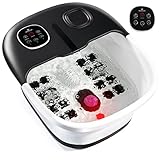
This soothing foot soak is a great home remedy to combat foot odor and common fungal issues like athlete’s foot or mild toenail fungus. The antifungal properties of peroxide help create an inhospitable environment for fungus, while baking soda deodorizes and softens skin.
Equipment Needed
- Large basin or foot spa
- Warm water
- ½ cup baking soda powder
- ¼ cup 3% hydrogen peroxide solution
- Optional: epsom salt or a few drops of tea tree essential oil
Workout Routine / Practice Guide
- Fill a basin or foot spa with enough warm water to cover your feet.
- Add the baking soda and hydrogen peroxide to the water.
- Stir to dissolve the baking soda powder. If using, add epsom salt and essential oils.
- Soak your feet for 20-30 minutes, allowing the antifungal properties of the hydrogen peroxide to work.
- Pat dry your feet thoroughly, especially between the toes.
- Repeat process daily or every other day for best results in fighting toenail fungus and deodorizing feet.
Pro-Tip: For enhanced antifungal action, you can also gently scrub affected nails with a paste of baking soda powder and hydrogen peroxide solution before the soak. This mild abrasive action can help reach deeper into the nail bed.
Key Takeaways
Here is a quick summary of the most important points to remember when using baking soda and hydrogen peroxide:
- Versatile Power Duo: This combination forms a non-toxic, budget-friendly cleansing paste or sanitizing blend capable of tackling a wide array of problems, from dirty grout to yellow teeth.
-
Safety is Paramount: Always use 3% hydrogen peroxide solution, adhere to the proper ratio guidelines (often 2 parts baking soda to 1 part peroxide for a paste), and perform patch tests to prevent enamel damage or harm to delicate surfaces.
-
Mechanism of Action: The mixture leverages baking soda’s mild abrasive and alkaline properties with hydrogen peroxide’s oxidizing agent capabilities, resulting in a foaming action that breaks down and lifts stains.
-
Targeted Application is Key: Tailor the mixture consistency and application technique to the specific task. A thick gritty paste is ideal for a stovetop cleaner diy or shoe cleaning paste, while a diluted spray works for general disinfecting.
-
YMYL Caution: For personal care uses like a natural teeth whitening paste or fungus fighter foot soak, following dentist recommended guidance on frequency and concentration is crucial to ensure enamel health and avoid side effects.
People Also Ask About Baking Soda & Hydrogen Peroxide
Is it safe to mix baking soda and hydrogen peroxide?
Yes, it is generally safe to mix baking soda and hydrogen peroxide for most household cleaning and some personal care applications when used correctly. The two chemicals reacts with each other to create a foaming action that enhances cleaning, but it’s crucial to follow specific ratios and application methods to avoid damaging surfaces or your health. Always use a standard 3% hydrogen peroxide solution.
Can I brush my teeth with baking soda and peroxide every day?
No, daily use of baking soda and peroxide as a teeth whitening paste is not recommended due to the potential for enamel erosion and gum irritation. While effective for whitening + teeth, overuse can cause erosion and gum inflammation. According to dentist recommended guidance, you should limit use to once or twice a week to ensure safety + gums.
What is the correct ratio for baking soda and hydrogen peroxide?
The correct ratio varies, but a common starting point for a thick cleansing paste is 2 parts baking soda powder to 1 part 3% hydrogen peroxide solution. This ratio forms paste that is ideal for scrubbing applications like a grout cleaning solution or shoe cleaning paste. For a lighter cleaning spray, the mixture should be much more diluted with water.
How do you clean grout with baking soda and peroxide?
To clean dirty grout, create a thick paste using a 2:1 ratio (baking soda to peroxide), apply it to the grout lines, and let it sit for 10-15 minutes. The effervescent bubbling reaction helps to lift stains from the porous material. Afterward, scrub with a grout brush and rinse thoroughly with water to reveal clean grout.
Does peroxide and baking soda whiten teeth instantly?
No, peroxide and baking soda do not whiten teeth instantly, although you may see some immediate brightening of surface stains. The whitening properties of the oxidizing agent in hydrogen peroxide work gradually over time with cautious, infrequent use. Expect subtle, cumulative results rather than a dramatic, one-time transformation.
Will baking soda and peroxide damage my gums?
Yes, improper or excessive use can damage your gums, causing irritation, redness, or even a temporary whitening of the tissue. This is especially true if the concentration of hydrogen peroxide solution is too high or if you brush too aggressively. To ensure safety + gums, always use a 3% solution and stop if gum inflammation occurs.
Can I use 3% hydrogen peroxide for teeth whitening?
Yes, a 3% hydrogen peroxide solution is the standard concentration recommended and considered safe for at-home teeth whitening when used sparingly and correctly. Higher concentrations are not safe for oral use and can cause erosion and significant side effects. Always mix it with baking soda powder to form paste and follow the proper ratio.
Does baking soda and peroxide kill mold permanently?
The mixture can effectively kill surface mold and mildew due to the antifungal and antibacterial properties of hydrogen peroxide. However, it does not prevent future mold growth if the underlying moisture issue isn’t resolved. While it is an effective mold killer mix, permanent removal requires addressing the source of the dampness.
Is it safe for pets to use peroxide and baking soda on carpet?
Yes, it is generally safe for pets if the area is thoroughly rinsed and allowed to dry completely before they have access. Ingesting significant residue of the pet urine remover can cause stomach upset. To ensure safety + pets, always ensure adequate ventilation during cleaning and complete removal of the mixture.
Can I store the leftover mixture?
No, you should not store the leftover mixture of baking soda and hydrogen peroxide in a sealed container. The chemical reaction releases oxygen gas, which can cause pressure to build up and potentially burst the container. For both chemical safety and effectiveness, it’s best to mix a fresh batch for each use.
Final Thoughts on Baking Soda & Hydrogen Peroxide
You’ve now unlocked the incredible potential of baking soda and hydrogen peroxide—two simple, budget-friendly household staple ingredients that form a powerful, non-toxic cleaner when combined. From tackling dirty grout and tough grease to brightening yellow teeth and deodorizing pet urine, this dynamic duo offers a comprehensive suite of ultimate uses for a cleaner, healthier home and personal routine. We’ve explored the process_action_keywords to mix, apply, scrub, and rinse your way to sparkling results, all while understanding the underlying foaming action and oxidizing agent properties that make them so effective.
Remember, the essential safety guide provided here is paramount. Always prioritize the proper ratio for different applications, understand surface compatibility, and exercise caution for personal care, especially regarding enamel health and safety + gums. By adhering to dentist recommended guidelines for oral use and ensuring thorough rinsing for household cleaning, you can confidently harness the proven results of this sanitizing blend. Embrace these eco-friendly options and transform your home cleaning and wellness practices with confidence and expertise.
Which of these baking soda and hydrogen peroxide hacks are you most excited to try first in your home? Share your favorite diy solution in the comments below
Last update on 2026-07-11 at 11:06 / Affiliate links / Images from Amazon Product Advertising API
