
As an Amazon Associate BakingBakewareSets.com earns from qualifying purchases.
Baking Soda and Lemon 9 Essential Uses and Risks for 2026
Have you seen the viral trend of mixing baking soda and lemon for everything from sparkling teeth to a miracle detox? You’re not alone in wondering if this simple home remedy is a hidden gem or a harmful myth. The internet is full of conflicting advice, leaving you unsure of what to believe.
Mixing baking soda (an alkali) and lemon juice (an acid) creates a chemical reaction that neutralizes both, producing carbon dioxide gas and sodium citrate. While this popular mixture is used for cleaning, teeth whitening, and as a health drink, it carries significant risks like enamel erosion and skin irritation when used improperly.
This article is for informational purposes only and does not constitute medical advice. Based on established best practices and a review of scientific evidence, this guide will break down the real uses and critical dangers. You will learn how to make safe, effective choices for your health and home.
☰ Table of Contents ▼
show
What Are the Real Benefits and Risks of Baking Soda and Lemon?
The combination of baking soda and lemon is a classic example of an acid-base reaction. When the alkaline baking soda (sodium bicarbonate) meets the acidic lemon juice (citric acid), they fizz and bubble, neutralizing each other. This interaction is the source of both its purported benefits and its proven risks. Many online sources either over-hype the mixture as a miracle cure-all or dismiss it entirely. The truth lies in understanding each specific application, as the mixture’s effectiveness and safety change dramatically depending on whether you’re cleaning a stovetop or applying it to your skin. This guide provides an evidence-based look at the most common uses to help you separate fact from fiction. Consult a doctor, dentist, or dermatologist before using baking soda and lemon for any health or skin-related purpose.
Baking Soda and Lemon: 9 Essential Uses (& The Critical Risks) for 2026
You’ve likely seen the list of baking soda and lemon uses circulating online, promising incredible results with just two simple kitchen ingredients. From beauty hacks to health tonics, the claims are extensive. In this section, we will explore the 9 most popular applications of this DIY solution. For each one, we provide the “Popular Method” so you understand the trend, immediately followed by the “Critical Risks & Expert Advice” you need to stay safe. This balanced approach ensures you have all the facts before you try any of these household hacks.
1. Whiten Teeth Naturally (and Why Dentists Warn Against It)

- Pin this oral health warning to your ‘Healthy Habits’ board!
The Popular Method
- What You Need:
- 1 teaspoon baking soda (sodium bicarbonate)
- 1/2 teaspoon fresh lemon juice
- A small bowl
- What to Do:
- Combine baking soda and lemon juice in the small bowl. It will create an effervescent fizzing reaction.
- Mix until it forms a paste-like consistency.
- Apply a small amount to your toothbrush and brush gently for no more than one minute.
- Rinse your mouth thoroughly with water.
The Critical Risks & Expert Advice
- Enamel Erosion: The primary risk is irreversible damage to your tooth enamel. Dental advice is clear: baking soda is abrasive and can physically wear down the protective enamel layer.
- Acid Damage: Lemon juice is highly acidic. Applying citric acid directly to teeth causes enamel demineralization, making them weaker, more sensitive, and paradoxically, more prone to future staining.
Pro-Tip: The combination is a double threat. The acid weakens the enamel, and the abrasive powder then scratches the softened surface away. This is a fast track to permanent tooth sensitivity and decay, according to published data from dental journals.
2. Create a Brightening Face Mask (and the Dermatological Dangers)

- Save this essential skincare safety tip to your ‘Beauty Smarts’ board!
The Popular Method
- What You Need:
- 1 tablespoon baking soda
- 1 tablespoon fresh lemon juice
- Optional: 1 teaspoon honey
- What to Do:
- Mix baking soda and lemon in a bowl to form a paste.
- If using, stir in the honey.
- Apply the face mask to clean skin, avoiding the eye area.
- Leave on for 5-10 minutes before rinsing.
The Critical Risks & Expert Advice
- pH Disruption: Your skin’s protective layer, the acid mantle, has a pH of around 5.5. Baking soda is highly alkaline (pH 9) and lemon is very acidic (pH 2). Applying this combination causes a drastic pH imbalance, damaging the skin barrier.
- Increased Sensitivity & Sun Damage: A compromised skin barrier leads to moisture loss, extreme sensitivity, and increased vulnerability to sun damage, potentially worsening the dark spots you’re trying to treat.
Pro-Tip: Per dermatologist recommendations, you should never apply raw lemon juice to your skin, as it contains compounds that can cause phytophotodermatitis—a severe skin reaction when exposed to UV light, resulting in burns and blisters.
3. Tackle Tough Grime as a Household Scrubber

- Pin this effective (and safe) cleaning hack for your kitchen!
The Popular Method
- What You Need:
- 1/4 cup baking soda
- Enough lemon juice to form a thick paste
- A non-scratch sponge or cloth
- What to Do:
- Prepare the baking soda lemon solution by mixing the ingredients into a paste.
- Apply the paste directly to the grimy surface (e.g., sink, stovetop, tile grout).
- Let it sit and fizz for 5-10 minutes to help break down grime.
- Scrub surfaces gently with the sponge and rinse thoroughly with water.
The Critical Risks & Expert Advice
- Surface Damage: This is the main risk. While effective, this abrasive and acidic mixture can be too harsh for certain materials.
- DO NOT USE ON:
- Marble, granite, or any natural stone (the acid will etch it).
- Unsealed or oiled wood surfaces.
- Gold-plated fixtures.
- Many non-stick pan coatings.
Pro-Tip: The chemical reaction itself offers limited cleaning power because the acid and base neutralize each other. The real work is done by the abrasive quality of the baking soda and the grease-cutting ability of the lemon juice before they fully react. For best results, sprinkle baking soda first, then spray with lemon juice and scrub immediately.

4. Degrease a Stubborn Oven Interior

- Your oven will thank you! Pin this powerful, fume-free cleaning tip.
The Popular Method
- What You Need:
- 1/2 cup baking soda
- 3-4 tablespoons fresh lemon juice
- A bowl and a spatula/brush
- What to Do:
- Mix baking soda and lemon to form a thick, spreadable paste.
- Spread the paste all over the interior surfaces of your cold oven, avoiding the heating elements.
- Let it sit for at least 4 hours, or ideally overnight. The paste will dry and crack.
- Use a damp cloth to wipe out the dried paste and loosened grime.
- Use a plastic scraper for any stubborn, burnt-on spots.
The Critical Risks & Expert Advice
- Minor Risk: The primary “risk” here is minimal, making it a relatively safe application. However, be sure the oven is completely cool before starting.
- Heating Elements: Avoid applying the paste directly to the oven’s heating elements or fan, as leftover residue could smoke or burn when the oven is next used.
Pro-Tip: For extra tough grease, after applying the paste, place a bowl of hot water in the oven and close the door for an hour. The steam helps to further soften the baked-on grime, making the final wipe-down much easier. This is a proven method for tough jobs.

5. Deodorize and Clear a Smelly Drain

- Say goodbye to stinky drains! Pin this quick and easy deodorizing trick.
The Popular Method
- What You Need:
- 1/2 cup baking soda
- 1/2 cup lemon juice
- Boiling water
- What to Do:
- Pour the baking soda down the drain.
- Follow with the lemon juice. The mixture will fizz and bubble.
- Let it sit for 15 minutes to neutralize odors and work on minor gunk.
- Flush the drain with a kettle full of boiling water to wash everything away.
The Critical Risks & Expert Advice
- Ineffective on Major Clogs: This method is for deodorizing and minor cleaning only. The chemical reaction is not strong enough to dissolve hair or heavy grease blockages.
- Pipe Safety: For PVC pipes, using boiling water excessively can potentially soften the plastic over time. Hot water from the tap is a safer alternative if you have plastic plumbing.
Pro-Tip: The fizzing action you see is the release of carbon dioxide gas. This physical agitation helps loosen particles, but it has no magical “unclogging” power. For preventing buildup, this is great. For fixing a real clog, you’ll need a mechanical snake or an enzyme-based drain cleaner.

6. Relieve Heartburn and Indigestion (A Risky Remedy)

- Before you drink this, read the warnings. Pin for health safety!
The Popular Method
- What You Need:
- 1/2 teaspoon baking soda
- 1 teaspoon lemon juice
- 8 oz glass of water
- What to Do:
- Dissolve the baking soda and lemon juice in the glass of water.
- Drink the solution slowly to alleviate heartburn symptoms.
The Critical Risks & Expert Advice
- Gas and Bloating: The rapid chemical reaction in your stomach produces a large amount of carbon dioxide gas, leading to significant bloating, gas, and discomfort.
- High Sodium: A half teaspoon of baking soda contains over 600mg of sodium. This is a major risk for anyone with high blood pressure, kidney disease, or on a low-sodium diet.
- Rebound Acidity: Your stomach may overcompensate for the rapid neutralization by producing even more acid later, making the problem worse.
- SERIOUS DANGER: According to medical disclaimers and case studies, drinking this after a large meal has, in very rare instances, led to stomach rupture due to the intense gas pressure. Consult a doctor for safe acid reflux treatment.
Pro-Tip: The idea that this drink “alkalizes your body” is a persistent myth. Your body’s pH is tightly regulated by your lungs and kidneys. While this mixture can temporarily change the pH of your urine or stomach, it does not alter your blood pH.
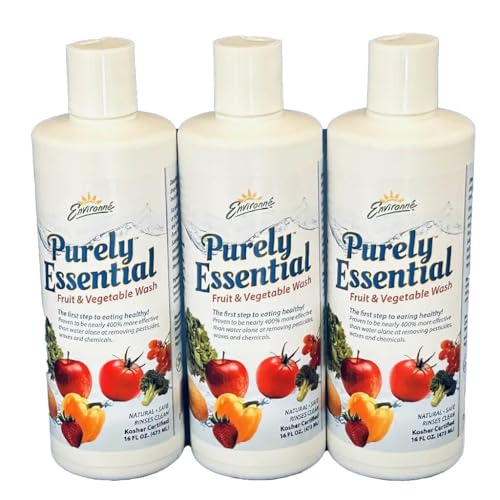
7. Wash Pesticides from Fruits and Vegetables

- Keep your produce clean and safe! Pin this simple food-washing tip.
The Popular Method
- What You Need:
- 1 tablespoon baking soda
- A large bowl or clean sink filled with water
- (Optional) A splash of lemon juice
- What to Do:
- Fill a large bowl or a clean sink with water.
- Add the baking soda and stir to dissolve.
- Add your fruits and vegetables (e.g., apples, grapes, spinach).
- Let them soak for 12-15 minutes.
- Gently scrub and rinse thoroughly with plain water before eating.
The Critical Risks & Expert Advice
- Minimal Risk: This is a very safe application. The main “risk” is a slightly salty or soapy taste if you don’t rinse the produce thoroughly.
- Lemon is Unnecessary: While lemon juice has some antimicrobial properties, scientific evidence points to the baking soda solution alone as being the most effective agent for removing surface pesticides. The lemon adds little benefit here.
Pro-Tip: A study published in the Journal of Agricultural and Food Chemistry found that soaking apples in a 1% baking soda-water solution for 15 minutes removed significantly more surface pesticide residue than tap water or a bleach solution. This is a validated research-backed cleaning method.
8. Create a Natural Deodorant Paste

- Ditch the chemicals, but read the warning first! Pin this DIY deodorant info.
The Popular Method
- What You Need:
- 2 tablespoons baking soda
- 2 tablespoons arrowroot powder or cornstarch
- 3 tablespoons coconut oil, softened
- A few drops of lemon essential oil (not juice)
- What to Do:
- In a bowl, combine baking soda and arrowroot powder.
- Mix in the softened coconut oil until a paste is formed.
- Add the lemon essential oil for scent.
- Store in a small jar and apply a pea-sized amount to each underarm.
The Critical Risks & Expert Advice
- Severe Skin Irritation: This is the most common side effect. The alkaline nature of baking soda is extremely harsh on the delicate skin of the underarms, often leading to painful red rashes, dryness, and peeling.
- Skin Darkening: The claim that it whitens underarms is often false. The irritation and inflammation caused by the paste can trigger post-inflammatory hyperpigmentation, actually making the skin darker over time.
Pro-Tip: Always perform a patch test before using any new DIY skin product. Apply a small amount to your inner arm and wait 24-48 hours. If any redness, itching, or irritation occurs, do not use it. This is a critical safety guideline.
9. Boost Your Laundry and Fight Odors

- Get brighter, fresher laundry with this simple, natural trick!
The Popular Method
- What You Need:
- 1/2 cup baking soda
- 1/2 cup lemon juice
- What to Do:
- Add your clothes and regular detergent to the washing machine as usual.
- Pour the baking soda directly into the drum with the clothes.
- Add the lemon juice directly into the drum as well.
- Run your laundry cycle as usual.
The Critical Risks & Expert Advice
- Color Fading: Lemon juice is a natural bleach. While great for brightening whites, it can cause fading or leave light spots on colored fabrics. Use it only with all-white loads.
- No Major Risks: For the most part, this is a safe laundry hack. The baking soda is excellent for deodorizing gym clothes and towels.
Pro-Tip: For targeted stain removal, make a paste of baking soda and lemon juice, apply it to the stain (on white fabric only!), let it sit for 30 minutes, and then launder as usual. This works well on yellow underarm stains on white shirts.

Key Takeaways
After reviewing the most popular uses, a clear pattern emerges. This simple mixture can be a fantastic tool or a significant hazard, depending entirely on how you use it. Here are the most important points to remember:
- Avoid for Skin & Teeth: The number one takeaway is to avoid using the baking soda and lemon mixture directly on your skin or teeth. The risk of permanent enamel erosion and skin barrier damage far outweighs any potential short-term benefits.
- Excellent for Cleaning: The combination is a powerful, natural cleaner for durable surfaces. Use it to degrease ovens, scrub sinks, and deodorize drains, but always avoid delicate materials like natural stone or wood.
- Consult Professionals: Never use this mixture to self-treat medical conditions like acid reflux. The side effects can be serious. Always consult a doctor or dentist for health concerns.
- Understand the Chemistry: The fizzing is a neutralization reaction that offers limited power. The cleaning strength comes from the abrasive baking soda and acidic lemon before they fully mix.
- When in Doubt, Use a Safe Alternative: For every DIY use, there is a professionally formulated, safety-tested product that works better and more safely. For teeth, use an ADA-accepted toothpaste; for skin, use a Vitamin C serum.
FAQs About baking soda and lemon
Does baking soda and lemon damage tooth enamel?
Yes, it absolutely damages tooth enamel. The lemon juice is a strong acid that chemically weakens the enamel, while the baking soda is an abrasive that physically scratches the softened surface away. This combination leads to irreversible enamel loss, increased sensitivity, and a higher risk of cavities.
Is drinking baking soda and lemon water good for you?
No, for most people it is not good for you and can be risky. While it can temporarily neutralize stomach acid, it also creates a large amount of gas, causing bloating and discomfort. The high sodium content is dangerous for people with high blood pressure, and it can cause rebound acidity.
What happens when you mix baking soda and lemon?
You create a classic acid-base chemical reaction. Baking soda (sodium bicarbonate, a base) reacts with lemon juice (citric acid, an acid) to produce sodium citrate, water, and carbon dioxide gas. This release of gas is what causes the signature fizzing and bubbling.
Can baking soda and lemon lighten dark spots on the skin?
It is not recommended and can make dark spots worse. The harsh combination disrupts your skin’s protective pH barrier, leading to irritation and inflammation. This inflammation can trigger post-inflammatory hyperpigmentation, which is a darkening of the skin, especially after sun exposure.
Is baking soda and lemon safe for your face?
No, it is not safe for your face. The mixture is far too harsh for the delicate facial skin. The alkalinity of baking soda and the acidity of lemon juice strip the skin’s natural oils and damage its protective barrier, leading to dryness, redness, irritation, and breakouts.
How often can I use baking soda and lemon on my teeth?
You should never use it on your teeth. According to all major dental associations, this practice is harmful and should be avoided completely. There is no “safe” frequency for applying abrasive acids to your tooth enamel. Opt for an ADA-accepted whitening toothpaste instead.
What is the best time to drink baking soda and lemon?
There is no good or safe time to drink this mixture for health purposes. It is not a recommended health tonic due to its significant risks, including digestive distress and high sodium intake. You should consult a doctor for safe remedies for any health concerns.
Can baking soda and lemon cure cancer?
No, this is a dangerous and unfounded myth. There is absolutely no scientific evidence to support this claim. Relying on this mixture for cancer treatment can be fatal. Always follow the advice and treatment plans provided by qualified medical oncologists.
How do you clean with baking soda and lemon?
Make a paste and apply it to durable surfaces like ceramic, stainless steel, or inside an oven. Let it sit for a few minutes to break down grime, then scrub gently and rinse. Never use it on porous or delicate surfaces like marble, granite, or wood.
Does baking soda and lemon help with weight loss?
No, there is no scientific evidence that it helps with weight loss. The drink contains virtually no calories, but it has no metabolic properties that burn fat or boost weight loss. Any claims to the contrary are unsubstantiated and it should not be used for this purpose.
Final Thoughts on Baking Soda and Lemon
The allure of a simple, inexpensive, and natural solution like baking soda and lemon is strong. This guide has shown that while its power as a household cleaner is legitimate and effective, its use as a health or beauty remedy is fraught with risk. The same properties that make it a great degreaser—acidity and abrasiveness—are what make it so damaging to your teeth and skin.
Ultimately, the smartest approach is to embrace this mixture for what it excels at: safe, fume-free cleaning. For anything related to your body, it’s crucial to rely on proven methods and products that have been specifically designed and tested for safety. By prioritizing scientific evidence over viral trends, you can harness the true benefits of these ingredients without falling victim to their potential harm.
What has been your experience with using baking soda and lemon? Share your story in the comments below
Last update on 2026-08-22 at 22:00 / Affiliate links / Images from Amazon Product Advertising API
